
The ACO 2026 Season Finale brings Beethoven’s Pastoral Symphony, Triple Concerto and Coriolan Overture to Sydney in a stirring end to the national season.
There is a particular stillness to a concert hall just before an orchestra begins.
The audience settles. Conversations fall away. Music stands catch the last traces of stage light. Somewhere beyond the walls, Sydney continues with its evening routines, but inside City Recital Hall or the Sydney Opera House, attention narrows to the musicians waiting at the front of the room.
For the Australian Chamber Orchestra, that moment will carry particular weight in November.
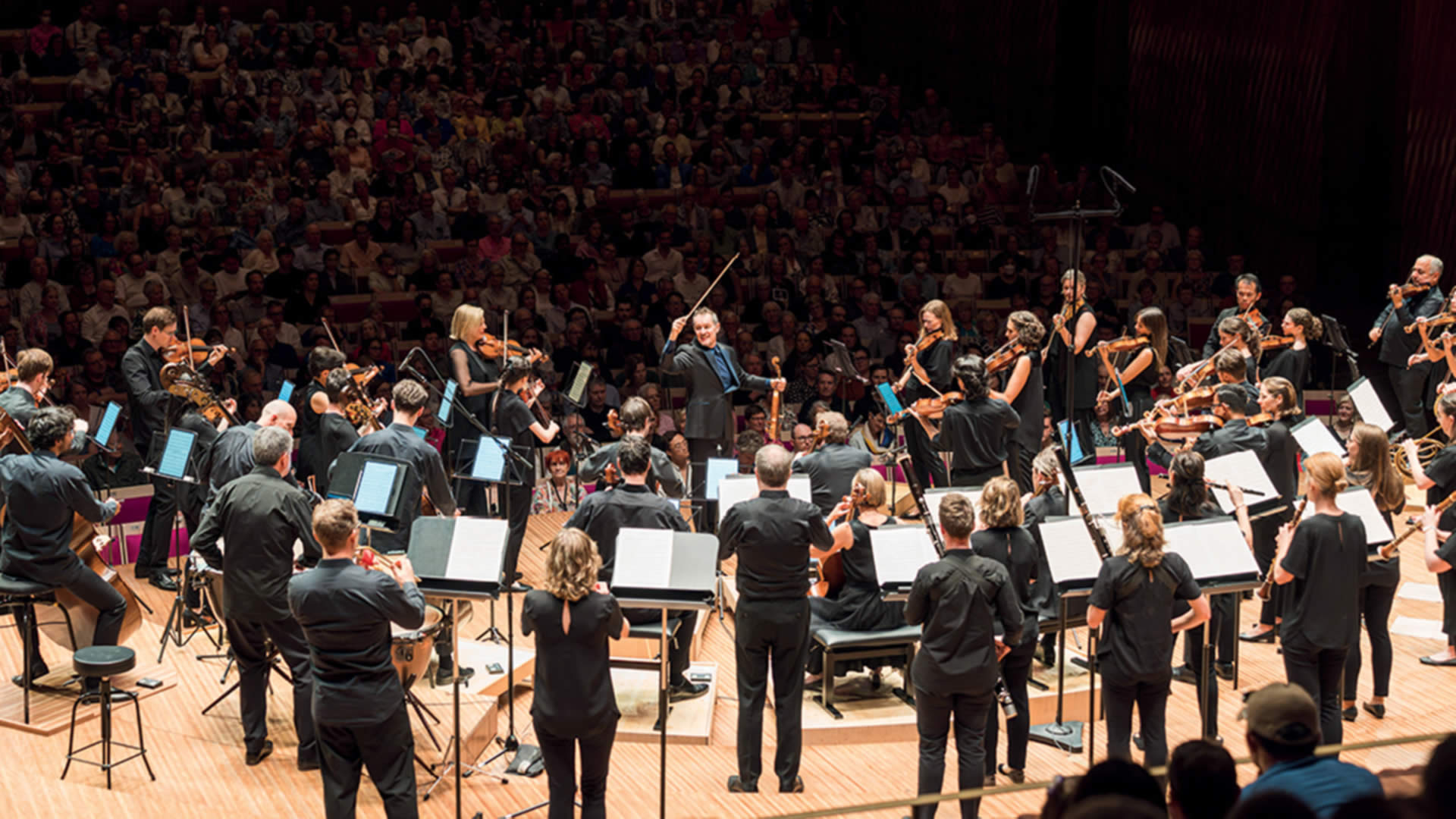
The ACO 2026 Season Finale brings an entirely Beethoven program to audiences across Australia, with the Sydney performances forming the centre of the national tour. Led from the violin by Artistic Director Richard Tognetti, an expanded ACO will perform the Coriolan Overture, the Triple Concerto for Violin, Cello and Piano and Beethoven's Symphony No. 6, the Pastoral.
The program also marks 20 years since Finnish cellist Timo-Veikko "Tipi" Valve joined the Australian Chamber Orchestra. Valve will take a prominent role in the Triple Concerto alongside Tognetti and pianist Konstantin Shamray.
It is an ending to a season, but also a moment that looks backwards and forwards at once.
The ACO 2026 Season Finale Looks To Beethoven
Beethoven's music has an unusual capacity to occupy both intimate and monumental spaces.
The composer wrote for ensembles considerably larger than a conventional chamber group, yet his works often depend on individual musical voices being heard within the whole. That tension is central to the Australian Chamber Orchestra's approach.
For the ACO 2026 Season Finale, Tognetti directs an expanded ensemble that brings together the orchestra's regular players with a hand-picked selection of Australia's leading wind and brass musicians.
The result is a program that moves through three distinct sides of Beethoven.
The Coriolan Overture opens the concert with compressed drama. It was written for a tragedy based on the Roman general Coriolanus, and its musical language is strikingly direct, built around confrontation and tension.
From there, the mood changes with the Triple Concerto.
Unlike a conventional concerto that places one soloist against an orchestra, Beethoven's C major work creates a musical conversation between violin, cello and piano. The three instruments continually exchange material, making collaboration part of the architecture of the piece.
The evening then arrives at the Pastoral Symphony, one of Beethoven's most familiar and enduring works.
Beethoven's Pastoral Finds Its Way To Sydney
The Sixth Symphony is often described through its relationship with nature, but Beethoven's Pastoral is more than a collection of musical landscapes.
Its five movements move through scenes and sensations: an arrival in the countryside, a flowing stream, rural gatherings, a storm and the calm that follows. Beethoven's descriptions suggest observation rather than simple imitation. The music evokes an experience of being outdoors and the emotional response that experience can produce.
That makes the Pastoral particularly suited to a Sydney concert in late spring.
Outside the concert hall, November brings longer days and warmer evenings. In the city, the change is visible in the parks and along the harbour, where people spend more time outdoors as the season advances.
Inside the hall, Beethoven's countryside arrives through another language entirely.
There are no literal birdsong or distant thunder required. Instead, the orchestra creates movement, texture and atmosphere through the interaction of instruments. A woodwind phrase can suggest the open air; strings can create the sensation of continuous movement; the arrival of the storm can transform the character of the entire ensemble.
It is music about nature, but also about being in nature.
That distinction has helped keep the Pastoral alive across two centuries.
ACO 2026 Season Finale Celebrates A Twenty-Year Partnership
The November concerts also carry a more personal story.
Timo-Veikko Valve joined the Australian Chamber Orchestra in November 2006, after studying at the Sibelius Academy in Helsinki and the Edsberg Music Institute in Stockholm.
Twenty years later, he remains the orchestra's Principal Cello.
For an ensemble built around collaboration, longevity has its own significance. Chamber music depends on musicians knowing how colleagues breathe, phrase and respond. Those relationships are developed gradually, through rehearsals, performances and countless small musical decisions.
Valve's anniversary is therefore more than an employment milestone. It represents two decades of accumulated musical relationships.
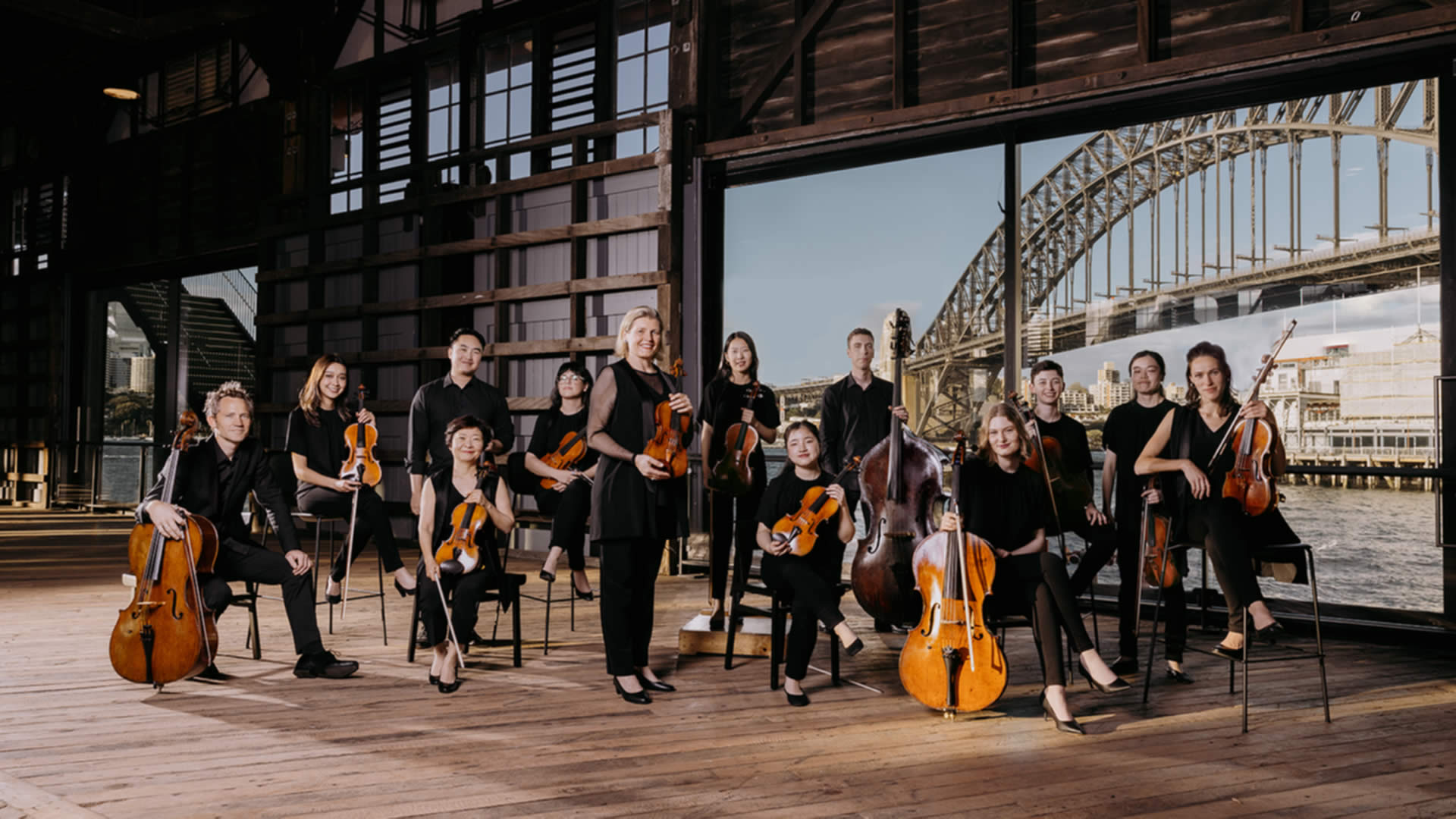
He also shares the milestone with ACO cellists Melissa Barnard and Julian Thompson and Principal Double Bass Maxime Bibeau, who have formed the same section for those two decades.
Valve has described the anniversary in terms of gratitude, reflecting on the shared experiences that have accumulated both on and away from concert platforms.
The Triple Concerto provides an appropriate way to mark it.
Rather than placing the cello alone at the centre, the work asks Valve to participate in a three-way musical conversation. Tognetti takes the violin role, while Shamray performs at the piano.
A 1616 Cello Takes The Stage
There is another remarkable detail in Valve's performance.
His cello was made in Cremona in 1616 by the brothers Hieronymus and Antonio Amati. It is on loan through the ACO Instrument Fund.
The instrument predates Beethoven by more than a century.
That creates an unusual historical thread within the program. A cello made during the early 17th century will be heard performing music written in the early 19th century, interpreted by a 21st-century Australian ensemble.
In a concert built around Beethoven's continuing relevance, the instrument itself becomes a quiet reminder of how long musical traditions can survive.
String instruments from Cremona occupy an almost mythical place in classical music, but their value is ultimately realised through use. Wood, varnish and craftsmanship become meaningful when an instrument is played.
For the audience, the story is unlikely to be visible once the concert begins. The cello simply becomes part of the sound.
That is perhaps the most fitting role for such an old instrument.
Richard Tognetti Directs From The Violin
The ACO's concerts are shaped in part by the unusual relationship between conductor and orchestra.
Richard Tognetti directs the ensemble from the violin rather than standing apart from the musicians on a podium. It is a physical arrangement that places musical leadership within the group itself.
For Beethoven, that approach can be especially revealing.
The music relies on constant exchanges between sections and individual players. Rather than presenting the orchestra as a single block of sound, the ACO's chamber-orchestra structure allows individual lines to remain part of the musical conversation.
The expanded ensemble for the ACO 2026 Season Finale brings additional wind and brass colours to the program, allowing the orchestra to approach Beethoven's symphonic writing with a larger palette while retaining the responsiveness associated with chamber music.
The Pastoral, in particular, benefits from the sense that its many voices are part of a continuous landscape.
From Coriolan To The Pastoral
The sequence of the three works gives the concert its own narrative.
Coriolan begins with tension. Its opening gestures are forceful and concentrated, establishing a sense of conflict almost immediately.
The Triple Concerto then changes the scale. Instead of confrontation, the audience hears three solo instruments negotiating with one another and with the ensemble. The music has a social quality, with one voice answering another.
Finally, the Pastoral opens out.
Its first movement is marked by Beethoven as an expression of the sensation of arriving in the countryside. The music does not rush to a destination. It allows the landscape to unfold.
That gradual expansion makes the final work feel like more than a conclusion to the concert. It becomes a release from the intensity of the opening.
The progression is particularly well suited to the close of a season: drama, conversation, then reflection.
The Sydney Performances
Sydney audiences have several opportunities to hear the program.
The ACO 2026 Season Finale will be performed at City Recital Hall on Saturday 14 November at 7pm, Tuesday 17 November at 8pm and Wednesday 18 November at 7pm.
There is also a Sunday afternoon performance at the Sydney Opera House on 15 November at 2pm.
The difference between the venues is likely to shape the experience in subtle ways.
City Recital Hall offers an intimate concert setting in the heart of the city, where the relationship between musicians and audience feels particularly close. The Sydney Opera House, meanwhile, places the performance within one of the world's most recognisable cultural buildings, with the harbour immediately beyond its walls.
For visitors, the concert can easily form part of a broader Sydney evening. The City Recital Hall performances sit among the restaurants, bars and streets of the CBD, while a performance at the Opera House provides an opportunity to arrive early and walk around Circular Quay before taking a seat.
In both cases, the music remains the destination.
Planning For The ACO 2026 Season Finale
The Sydney performances form part of the ACO's national Beethoven tour, which runs from 12 to 25 November.
ACO 2026 Season Finale: Beethoven's Pastoral
Richard Tognetti, Director and Violin
Konstantin Shamray, Piano
Timo-Veikko Valve, Cello
Australian Chamber Orchestra
Program
Beethoven, Coriolan Overture, Op. 62
Beethoven, Triple Concerto for Violin, Cello and Piano in C major, Op. 56
Beethoven, Symphony No. 6 in F major, Op. 68, "Pastoral"
Sydney – City Recital Hall
Saturday 14 November 2026, 7pm
Tuesday 17 November 2026, 8pm
Wednesday 18 November 2026, 7pm
Sydney Opera House
Sunday 15 November 2026, 2pm
The full national tour also visits Newcastle, Brisbane, Melbourne, Adelaide and Perth between 12 and 25 November.
For tickets, accessibility information and the latest performance details, the official Australian Chamber Orchestra website is the best place to check before attending.
A Season Ends In The Countryside
The ACO 2026 Season Finale ends with Beethoven's Pastoral, a work whose emotional destination is remarkably simple.
After the storm, the music turns towards gratitude.
That idea resonates beyond the piece itself. A concert season is made up of hundreds of performances, rehearsals and journeys, yet it eventually comes to one final program before beginning again.
For the Australian Chamber Orchestra, November's Beethoven concerts carry that sense of completion alongside Valve's twentieth anniversary. There is history in the music, history in the musicians and even history in the cello that will take its place on stage.
Outside, Sydney will be moving towards summer.
Inside the concert hall, Beethoven will lead the audience somewhere quieter: through a landscape of streams, fields, gatherings and storms, towards the calm that follows.
When the final notes of the Pastoral fade, there will be the familiar pause before applause. For a moment, the hall will hold the silence.
Then the season will be over.