
Armenian Film Festival Australia returns to Sydney from 11 to 27 September 2026, bringing Armenian cinema, filmmakers and stories to local screens.
On a September evening in Sydney, the lights dim and a room becomes briefly still.
Outside, the city continues in its usual rhythm. Trains move through the suburbs, traffic gathers and disperses, and the harbour remains somewhere beyond the streets and buildings. Inside the cinema, however, the geography changes.
A different landscape appears on screen.
This is the quiet power of cinema. A film can carry an audience across borders without requiring anyone to leave their seat. It can make a distant place feel close, or reveal an unfamiliar part of history through the smallest human details.
From 11 to 27 September 2026, the Armenian Film Festival Australia will bring that experience to Sydney as part of its 10th anniversary national program.
The festival, commonly known as AFFA, has developed into an annual meeting place for Armenian cinema, Australian-Armenian filmmaking and audiences interested in stories that extend well beyond a single national tradition.
For its anniversary year, the program will travel across Australia, with Sydney opening the national season before Adelaide, Perth and Melbourne host their own festival weekends.
The Sydney program will provide the longest window for audiences to encounter the festival, with screenings, filmmaker Q&As, international guests and special anniversary events forming part of a celebration that looks both towards the history of Armenian cinema and its continuing place in contemporary culture.
Among the anniversary highlights will be a 10th anniversary screening of Lion, the acclaimed Australian film that brought an extraordinary cross-cultural story to a worldwide audience.
Yet the significance of AFFA is found in more than individual films.
It lies in the opportunity to see a culture represented through its own filmmakers, voices and stories, while also recognising the connections between Armenia and Australia that have grown over generations.
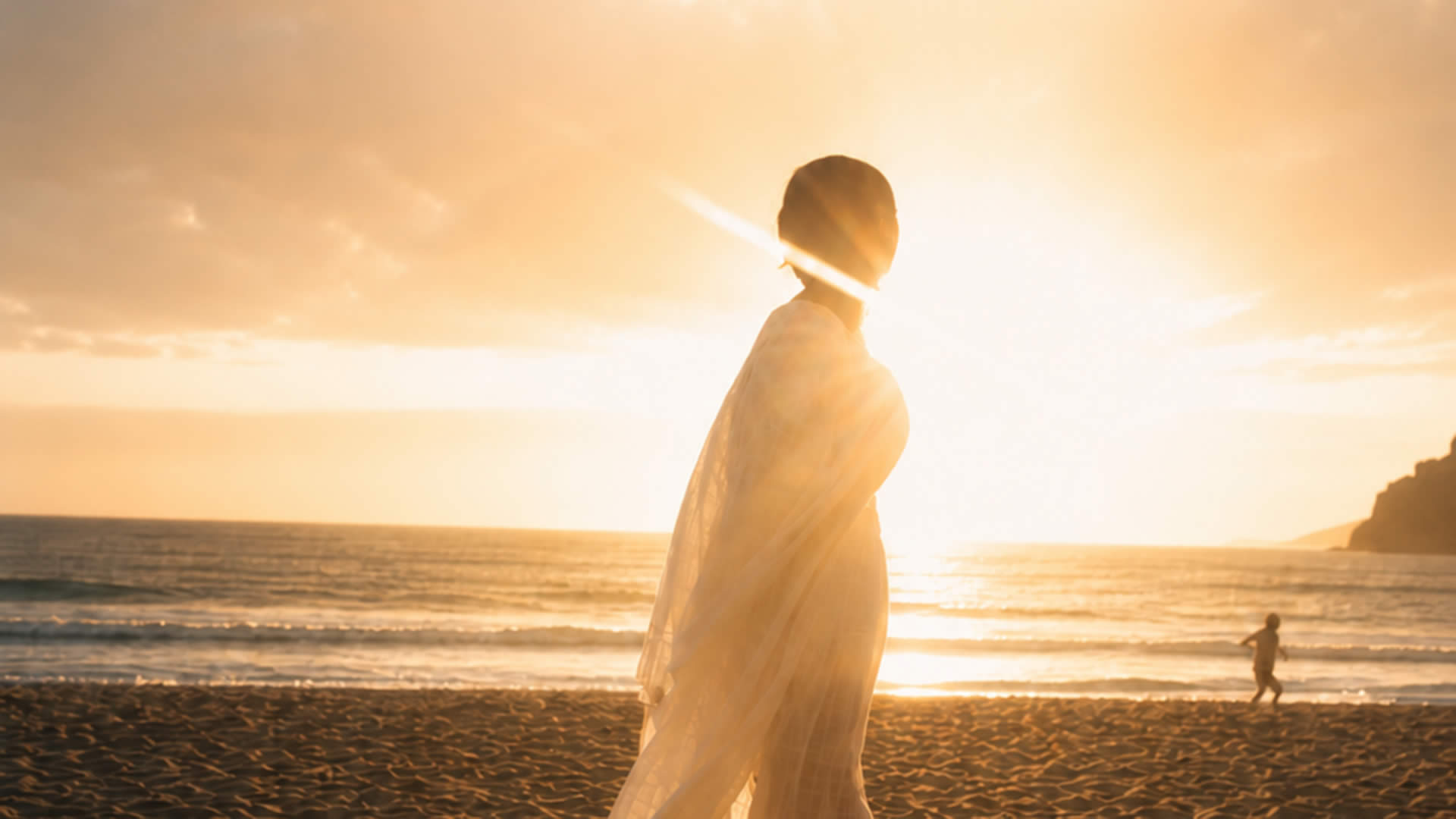
Armenian Film Festival Australia Finds A Place In Sydney
Sydney is a city shaped by migration.
Its neighbourhoods contain layers of languages, cuisines, memories and family histories, many of which remain largely invisible unless someone knows where to look.
The Armenian community is part of that broader story.
For audiences unfamiliar with Armenian cinema, the Armenian Film Festival Australia offers an entry point that does not require prior knowledge. The films themselves provide the beginning.
Cinema can make history personal.
A landscape is no longer simply a landscape when someone remembers leaving it. A language becomes more than a collection of words when it is spoken by a character trying to explain something to their family. A historical event becomes immediate when it is experienced through an individual life.
This is one reason film festivals remain useful in cities as culturally diverse as Sydney.
They create temporary spaces where audiences can encounter stories that may otherwise remain outside the mainstream cinema schedule.
AFFA has spent the past decade creating that space for Armenian filmmaking in Australia.
Its 10th anniversary program marks not only the continuation of the festival but also the distance travelled since its first edition.
The Sydney season will allow audiences to encounter Armenian cinema within an Australian setting, with the festival bringing together international work, local filmmakers and guests.
The result is a cultural conversation rather than simply a sequence of screenings.
Stories Moving Between Armenia And Australia
The relationship between Armenia and Australia is central to the festival's character.
There is a long-established Armenian-Australian community, and cinema provides one way for stories to move between generations.
For people with Armenian heritage, a festival screening can carry the familiarity of language, landscape or family experience.
For others, the same film may be an introduction.
That difference in perspective is part of what makes a film festival interesting.
A room can contain people watching the same image for completely different reasons.
One person may recognise a landscape from childhood. Another may be seeing it for the first time. Someone else may be interested in the filmmaking itself, or in a historical period they know little about.
The screen remains the same.
The experience does not.
AFFA's national program reflects that breadth by showcasing Armenian cinema alongside the work of Australian-Armenian filmmakers and international guests.
The emphasis is therefore not limited to films produced in Armenia.
It also considers the Armenian creative experience as it exists within the wider diaspora, including Australia.
For Sydney, a city where cultural identities frequently overlap, that makes the festival particularly relevant.
The Armenian Film Festival Australia On Screen
Film festivals have their own rhythm.
There is the anticipation of arriving at the cinema, the brief conversation in the foyer, the search for a seat and then the moment when the lights go down.
The outside world is reduced to darkness.
At AFFA, the films become the starting point for encounters that continue beyond the screen.
Filmmaker Q&As provide an opportunity to hear directly from the people behind the work, allowing audiences to consider how a film was made and why its story mattered enough to be told.
That conversation can change the way a film is remembered.
A director might explain an image that initially seemed incidental. An actor might describe the experience of portraying a particular character. A filmmaker may speak about working between languages or cultures.
Suddenly, the distance between audience and production becomes smaller.
This is particularly valuable with international cinema, where audiences may not otherwise have an opportunity to meet the people responsible for the films they have just watched.
The festival's anniversary program will incorporate these conversations alongside its screenings, giving the Sydney season a social dimension that extends beyond the cinema itself.
A Festival Marking Ten Years
Ten years is long enough for a cultural event to become part of a city's calendar.
It is also long enough to look backwards.
AFFA's 10th anniversary provides an opportunity to consider how Armenian cinema has been presented to Australian audiences over the past decade, and how the festival itself has developed.
Film festivals are temporary by nature.
They arrive for a few days or weeks, fill cinemas with unfamiliar titles, introduce audiences to filmmakers and then disappear until the following year.
Their influence, however, can last longer.
A film may remain in someone's memory. A filmmaker may gain a new audience. Two people may meet because they attended the same screening.
For a community festival, these smaller connections matter.
The anniversary program acknowledges the history of AFFA while continuing to create opportunities for new films and new voices.
It is not simply a retrospective.
The festival continues to look outward.
Remembering Lion
One of the most recognisable titles connected with the anniversary program is Lion.
The 2016 Australian drama tells the story of Saroo Brierley, an Indian-born man adopted by an Australian family who later searches for his birth family and childhood home.
Its inclusion in the Armenian Film Festival Australia's 10th anniversary program reflects the film's significance within the Australian cultural landscape and the festival's own history.
A decade after Lion reached international audiences, revisiting it within the context of an anniversary festival offers a chance to consider how films travel.
Stories cross borders.
They are made in one place, watched in another and interpreted through the experiences of audiences who may live thousands of kilometres away from the people represented on screen.
In Sydney, Lion carries an additional resonance because it is itself an Australian story of migration, identity and belonging.
Placed within AFFA's wider program, the film becomes part of a conversation about the movement of people and stories between countries.
The anniversary screening therefore looks backwards while remaining connected to the festival's broader interest in contemporary cultural exchange.
Sydney As The Festival's First Stop
The national program begins in Sydney.
From 11 to 27 September 2026, the city's audiences will have the widest period in which to explore the festival program before AFFA moves to its other Australian locations.
Adelaide follows on 10 and 11 October, Perth on 24 and 25 October, and Melbourne from 30 October to 1 November.
The sequence gives the festival a distinctly national character.
It also reflects the geography of the Armenian-Australian community, which has established itself across Australia's major cities.
Sydney's role as the first stop places the festival within a city already accustomed to international cinema.
The city's cinemas regularly provide windows into different cultures, but festivals offer something more concentrated. For a limited period, an entire program can be viewed through a particular cultural lens.
That concentration encourages audiences to stay with the subject.
One film leads to another.
A filmmaker's comments after a screening may change the way another film is approached.
A story that seemed unfamiliar at the beginning of the festival can gradually become part of a larger picture.
Beyond A Single National Cinema
There is a temptation to think of national cinema as a straightforward category.
Armenian cinema, Australian cinema, French cinema or Japanese cinema can sound like clearly defined things.
In practice, filmmakers move.
So do stories.
Diaspora communities create work between languages and places. Directors live in one country and make films about another. Actors carry cultural experiences across borders. Audiences interpret films through their own histories.
The Armenian Film Festival Australia exists within that more complicated landscape.
Its inclusion of Australian-Armenian filmmakers alongside international guests acknowledges that Armenian cultural storytelling does not stop at the country's geographical boundaries.
For Sydney audiences, this can be one of the most interesting aspects of the festival.
The city itself is full of people whose identities have been shaped by more than one place.
A film festival gives those overlapping identities somewhere to meet.
It also gives audiences without Armenian backgrounds an opportunity to enter that conversation without requiring a textbook introduction.
The film comes first.
The story creates the connection.
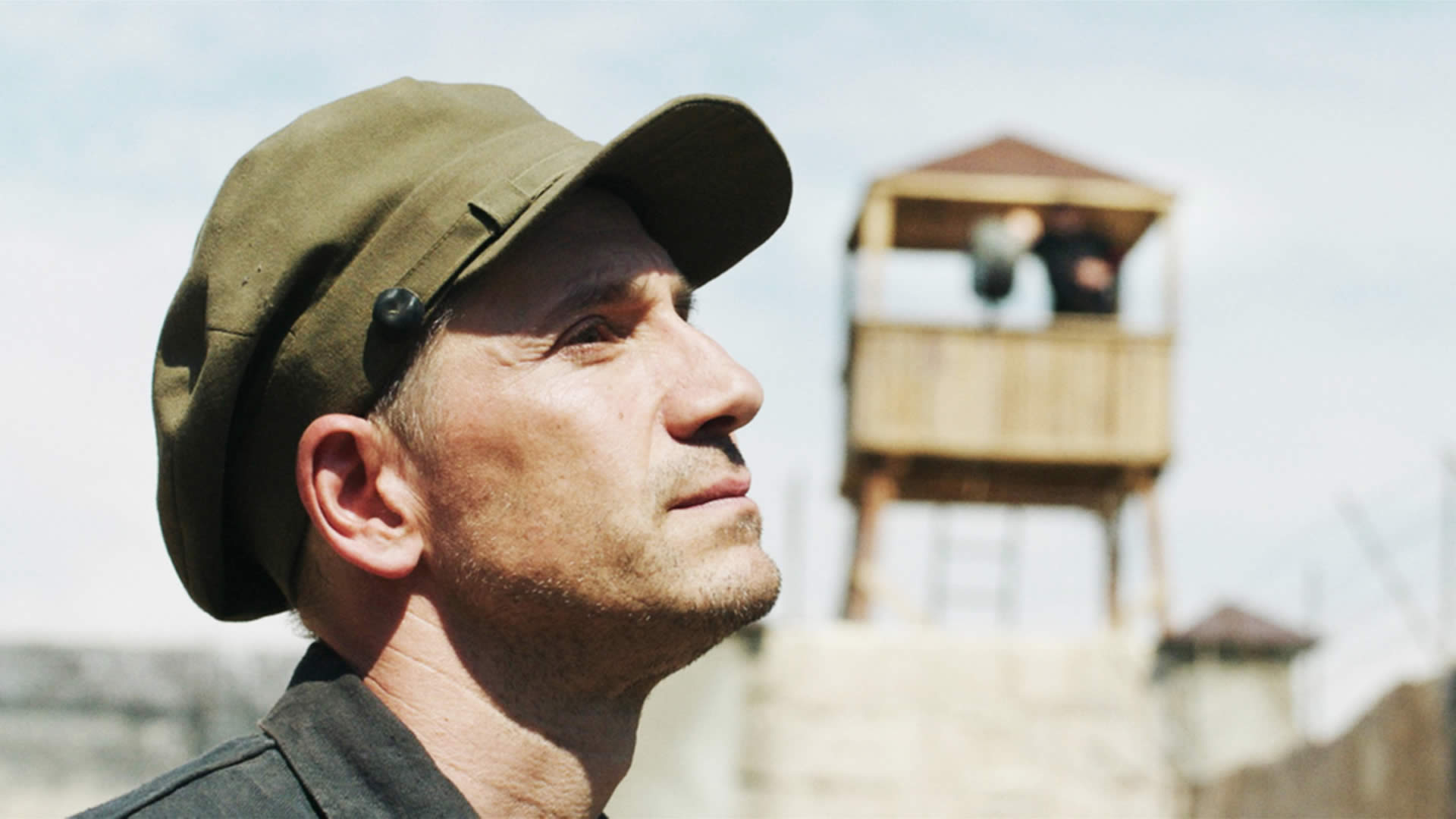
The Experience Of Watching Together
Streaming has changed how people watch films.
A story can now be viewed alone, late at night, on a laptop or television, with the ability to pause, rewind or stop whenever necessary.
A festival offers the opposite experience.
The film starts when the room is ready.
Everyone watches together.
There is no pause button.
The laughter of one person can travel across the room. A quiet moment can become noticeably quieter when hundreds of people are watching together. At the end, the lights come up and the audience is briefly brought back into the same physical space.
That shared experience remains one of cinema's enduring pleasures.
For AFFA, it also has a communal dimension.
Audiences arrive with different relationships to Armenian culture, history and filmmaking, but for the duration of a screening they share the same room.
The Q&A afterwards extends that encounter.
Someone asks a question.
A filmmaker answers.
The audience listens.
The experience becomes less passive.
What The Festival Leaves Behind
A successful cultural festival does not necessarily need to change a person's understanding of an entire country.
Sometimes one image is enough.
A street seen at dusk. A family around a table. A landscape that seems unfamiliar until it suddenly becomes recognisable. A line of dialogue that remains in the mind on the train home.
Cinema works through these fragments.
The Armenian Film Festival Australia's 10th anniversary provides an opportunity for Sydney audiences to encounter many of them across the September program.
Some films will speak through history.
Others will look at contemporary Armenian life. Australian-Armenian filmmakers will offer perspectives shaped by more than one cultural environment, while international guests and Q&As will extend the conversation beyond the screen.
For a festival that has reached its tenth year, there is also a sense of continuity.
The audience that arrives in Sydney in September 2026 becomes part of the festival's next chapter.
By the end of the season, AFFA will move onwards to Adelaide, Perth and Melbourne. The cinemas will return to their regular schedules. Posters will come down. The temporary concentration of Armenian cinema in Australian theatres will disappear.
But the stories will remain.
Some may be discussed over dinner afterwards. Others may prompt a search for another film by the same director. A particular image may return unexpectedly weeks later.
That is often how cinema travels.
Not loudly, and not all at once.
A darkened room. A screen. A story crossing a great distance.
Then the lights rise, and Sydney continues outside.
Event Details
Event: Armenian Film Festival Australia 2026
Sydney Dates: 11 to 27 September 2026
Location: Sydney, NSW
Program: Armenian cinema, Australian-Armenian filmmakers, international guests, film screenings, filmmaker Q&As and special anniversary events
10th Anniversary Highlight: Screening of Lion
Adelaide: 10 to 11 October 2026
Perth: 24 to 25 October 2026
Melbourne: 30 October to 1 November 2026
Official Website: https://armenianfilmfestival.com.au/
The full Sydney program, screening venues, session times, ticket information and anniversary events are available through the official Armenian Film Festival Australia website.