
Matsuri Japan Festival returns to Sydney on 6 December 2026 with Japanese food, live performances, traditional arts and family activities.
On a summer Sunday in Sydney, the first signs of a Japanese festival arrive through sound.
The deep pulse of taiko drums carries across an open space. Somewhere nearby, a performer is preparing for a dance. The smell of food cooking over a busy stall drifts through the crowd, while families move between performances, workshops and displays.
At Wentworth Park Sporting Complex in Ultimo, the city feels close but slightly removed. Beyond the festival grounds are the streets of inner Sydney, the warehouses and apartments of the surrounding neighbourhood, and the steady movement of people through the western edge of the CBD.
For one day in December, the focus turns towards Japan.
Matsuri Japan Festival returns on Sunday 6 December 2026, bringing Japanese food, performance, traditional culture, contemporary interests and community together from 11am to 6pm. The 2026 festival also carries a wider significance, joining celebrations marking 50 years of friendship between Australia and Japan.
It is an event that sits comfortably between cultural festival, community gathering and introduction to Japan, offering visitors a chance to encounter both familiar and less familiar parts of Japanese life without leaving Sydney.
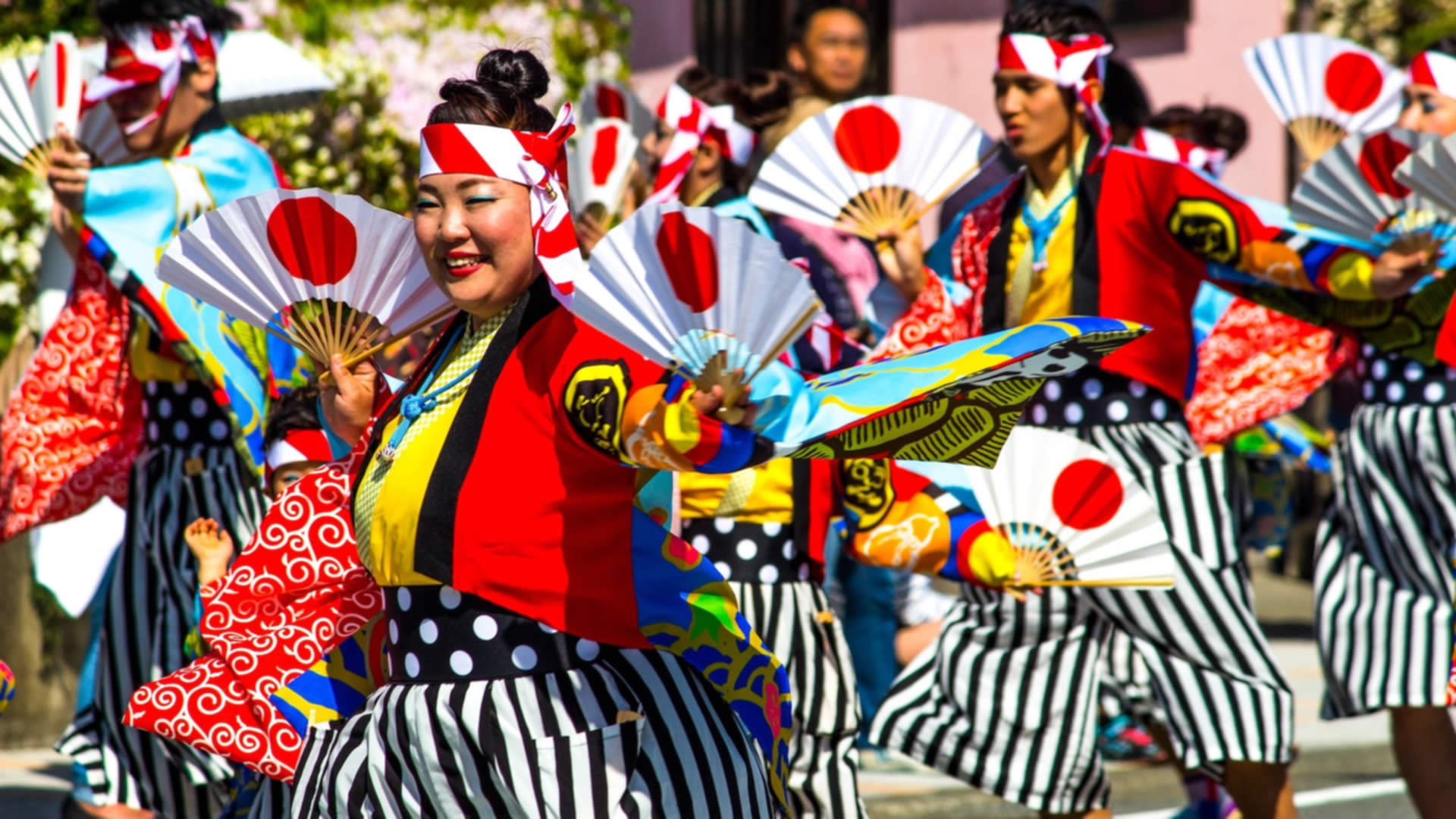
Matsuri Japan Festival And The Meaning Of Matsuri
The word matsuri is commonly translated as festival, but the idea carries more weight than a simple public celebration.
Japanese festivals have long brought communities together around seasonal events, religious traditions, local identity and shared rituals. Some are associated with temples and shrines, while others have developed into large contemporary gatherings where food, music, dance and entertainment become expressions of community.
Sydney's Matsuri draws on that broader idea.
The festival is organised by Matsuri in Sydney Inc., and its focus extends across traditional arts, food, live entertainment, workshops, cosplay, anime and community activities.
That mixture is important. Japanese culture is not presented as something frozen in the past. Alongside calligraphy and traditional performance sit contemporary expressions of Japanese popular culture, creating a festival that reflects the many ways Japan is encountered by people in Australia today.
A visitor might arrive for the food and find themselves watching taiko. Another might come because of anime and discover an interest in traditional crafts. Children can move between hands-on activities while adults browse stalls, talk with exhibitors or simply watch the performances.
The day is designed around those overlapping interests.
A Festival Shaped By Japan And Australia
The 2026 Matsuri Japan Festival takes place during the 50th anniversary year of the Basic Treaty of Friendship and Cooperation between Australia and Japan.
The anniversary provides a larger context for an event that has always been concerned with cultural exchange and community connection. The festival's organisers describe the 2026 edition as part of a celebration of five decades of friendship, with an emphasis on looking towards the next generation.
That history is visible in the everyday connections between the two countries.
Japanese food has become an ordinary part of Sydney's dining landscape. Japanese language is taught in schools and universities. Japanese design, cinema, animation, literature and fashion have found audiences far beyond specialist communities.
Yet a festival creates a different kind of encounter.
It allows those interests to exist together in one physical space, where food, language, performance and craft become experiences rather than subjects to be studied from a distance.
Matsuri Japan Festival Brings Food To The Fore
Food is likely to be one of the most immediate ways visitors experience the festival.
Japanese festivals are closely associated with street food, and Matsuri will bring that atmosphere to Wentworth Park through a selection of food vendors and exhibitors.
The current 2026 exhibitor listings include Japanese curry, Osaka-style okonomiyaki and Japanese street food featuring Wagyu beef, alongside other food and drink offerings.
There is something inherently social about festival food.
Unlike a restaurant meal, it is often eaten while standing or walking, with people comparing what they have ordered and stopping whenever another stall catches their attention. A plate of hot food becomes part of the movement through the festival rather than an event in itself.
Japanese sweets and snacks also have their place in this landscape, offering another route into regional and seasonal food traditions.
For families, food can become a natural pause between activities. For others, it may be the reason to make the journey in the first place.
From Taiko To Dance
If food gives the festival its aromas, performance gives it its rhythm.
Matsuri Japan Festival will feature live entertainment including taiko drumming, dance and stage performances.
Taiko has a particularly physical quality when experienced live. The sound is not simply heard from a stage. It travels through the surrounding space, carrying the weight of each strike into the crowd.
Dance brings a different energy.
Japanese festival dance traditions can vary greatly in character, from highly stylised movement to performances shaped by regional traditions. In a contemporary Sydney setting, they become part of a wider cultural conversation, presented to an audience that may include Japanese Australians, long-time enthusiasts and people encountering them for the first time.
The stage therefore becomes more than entertainment. It provides a visible connection between cultural traditions and the communities that continue to practise them.
Hands-On Traditions At Matsuri Japan Festival
Some of the most memorable cultural experiences are those that involve the hands.
Matsuri will include workshops and activities such as origami and Japanese calligraphy, giving visitors an opportunity to try techniques rather than simply observe them.
Calligraphy, in particular, changes when it is experienced physically. The movement of the brush, the amount of ink and the pressure applied to paper all influence the final mark. It is slower than typing and more deliberate than writing a quick note.
Origami offers a similarly tactile experience.
A flat piece of paper becomes something else through a sequence of folds. For children, the process can feel like a puzzle. For adults, it can provide a small reminder of how much concentration can be found in a simple object.
Other exhibitors at the 2026 festival include Japanese calligraphy, kimono and traditional craft experiences, including mizuhiki and tsumami zaiku.
These activities create another dimension to the festival, one that is quieter than the main stage but no less connected to cultural practice.
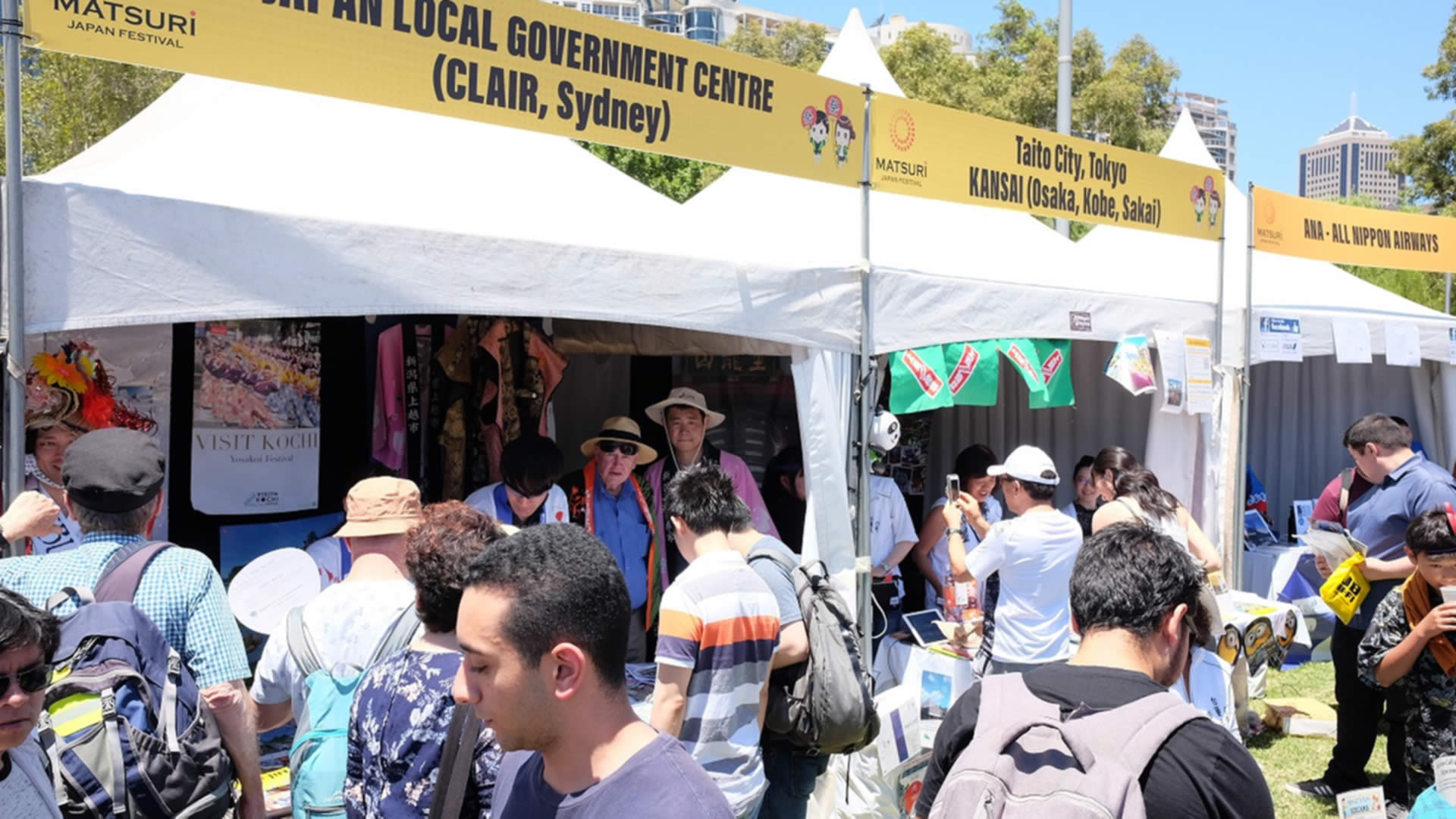
A Contemporary Side Of Matsuri Japan Festival
The image of Japan presented through a cultural festival can easily become dominated by temples, kimono and traditional arts.
Matsuri avoids that narrow definition by giving space to contemporary Japanese popular culture.
Cosplay and anime form part of the 2026 program, reflecting the global reach of Japanese animation, games, characters and visual culture.
For younger visitors, these may be the most familiar parts of the festival.
Someone who has never folded origami or watched a traditional dance may already know Japanese characters, animation studios or gaming franchises. That familiarity can become an entry point into other aspects of Japanese culture.
The coexistence of old and new is one of the more interesting qualities of the festival. Traditional calligraphy can sit within the same event as cosplay. Taiko can share a program with contemporary stage entertainment.
Rather than asking visitors to choose between different versions of Japan, Matsuri allows them to occupy the same space.
Discovering Japan Beyond Tokyo
Another part of the festival will be devoted to travel.
The Japan National Tourism Organization will be among the exhibitors, offering destination information, regional brochures and maps, as well as opportunities for visitors to explore parts of Japan beyond the destinations they may already know.
For Sydneysiders who associate Japan primarily with Tokyo, Kyoto or Osaka, this can open another perspective.
Japan's regions differ markedly in landscape, food, architecture and local traditions. A map on a festival table can become an invitation to look further north or south, towards smaller cities, rural areas, coastlines and mountain communities.
In this way, the festival can function as a starting point for travel as much as a celebration of culture.
A conversation about one destination can lead to another. A regional food can prompt curiosity about where it comes from. A map can turn a familiar outline of Japan into a collection of possible journeys.
A Day For Families And Friends
The festival's open format makes it naturally suited to groups.
Families can move through activities at their own pace, while friends can divide their time between food stalls, performances and cultural experiences. People with a longstanding connection to Japan can find familiar traditions, while newcomers can sample different aspects of Japanese culture without needing prior knowledge.
There is no single correct way to experience Matsuri.
Some visitors will spend much of the day near the stage. Others will concentrate on food. Some will arrive in Japanese attire or cosplay, while others will simply come in ordinary weekend clothes.
The festival also welcomes visitors wearing Japanese attire or cosplay with free admission in 2026, according to the official festival information.
That variety is part of what makes a community festival work. It leaves room for people to participate at different levels.
Matsuri Japan Festival And A Changing Sydney
Sydney's relationship with Japan has become increasingly visible over the decades.
Japanese restaurants, supermarkets, cultural organisations, language programs and creative communities are now woven into the city's everyday life. Yet cultural exchange is not something that happens only in institutions.
It happens through food shared between friends, through language classes, through films watched at home, through travel and through people meeting one another.
A festival gathers those small connections into one place.
At Wentworth Park, Japanese culture will not be presented as something remote from Sydney. It will be expressed by people who live, work and participate in the city, alongside visitors who have developed their own connections to Japan.
The result is less a window onto a distant country than a reflection of the relationship between two places.
Matsuri Japan Festival 2026 Event Details
Matsuri Japan Festival Sydney 2026
Date: Sunday 6 December 2026
Time: 11am to 6pm
Location: Wentworth Park Sporting Complex, Wattle Street, Ultimo, Sydney NSW
Organiser: Matsuri in Sydney Inc.
The 2026 festival celebrates 50 years of Japan–Australia friendship and features Japanese food, live performances, traditional cultural experiences, workshops, cosplay and anime activities, and community exhibitors.
Tickets are being released through the official festival website. Current listed admission includes adult, child, family and concession options, with free entry for children aged four and under and visitors wearing Japanese attire or cosplay.
Official Website: Matsuri Japan Festival Sydney
When The Festival Falls Quiet
By late afternoon, the rhythm of a festival changes.
The heat of the day begins to ease. Food stalls become quieter between the busiest periods. Performers finish their sets and visitors start making their way towards the exits, carrying bags, souvenirs and perhaps something wrapped carefully for the journey home.
The sounds of the day remain for a little longer.
A drumbeat can linger in the memory. So can the taste of something unfamiliar, the shape of a handwritten character, the colours of a kimono or the brief concentration required to fold a sheet of paper correctly.
That is perhaps what a festival like Matsuri offers at its best. It does not attempt to reduce a country to a single afternoon. Instead, it provides fragments, encounters and small moments of recognition.
On 6 December, Wentworth Park will become a meeting place for those connections.
Sydney will still be Sydney beyond the gates, but for a few hours, the city will make room for another rhythm, one shaped by food, music, movement, craft and the continuing friendship between Japan and Australia.