
Radiohead returns to Sydney in May 2027 for six nights at Afterpay Arena, marking the band's first Australian shows in 15 years.
On a Sydney evening in late May, the city will begin to cool as the last light settles over Olympic Park. Trains will carry concertgoers towards the stadium precinct, restaurants will fill, and a familiar ritual will unfold around one of Australia's largest indoor arenas.
This time, the destination is Afterpay Arena.
Inside, Radiohead will return to Australia for the first time in fifteen years, bringing six performances to Sydney between May 25 and June 1, 2027. It will be the final Australian leg of a sixteen-show national tour that begins in Perth before moving through Melbourne and arriving in Sydney.
For a band whose music has accompanied several generations through changing versions of modern life, the return has an unusual sense of distance to it. Radiohead last played Australia in 2012. Since then, the world around the band has changed considerably, as has the way many listeners experience music.
Yet the songs remain remarkably present.
Across nine studio albums, from Pablo Honey in 1993 to A Moon Shaped Pool in 2016, Radiohead have moved repeatedly between guitar rock, electronic music, orchestral textures and quieter forms of experimentation. Their catalogue has never fitted comfortably into one period or genre, which may help explain why a return after fifteen years feels less like a nostalgia tour than the continuation of a conversation that simply paused.
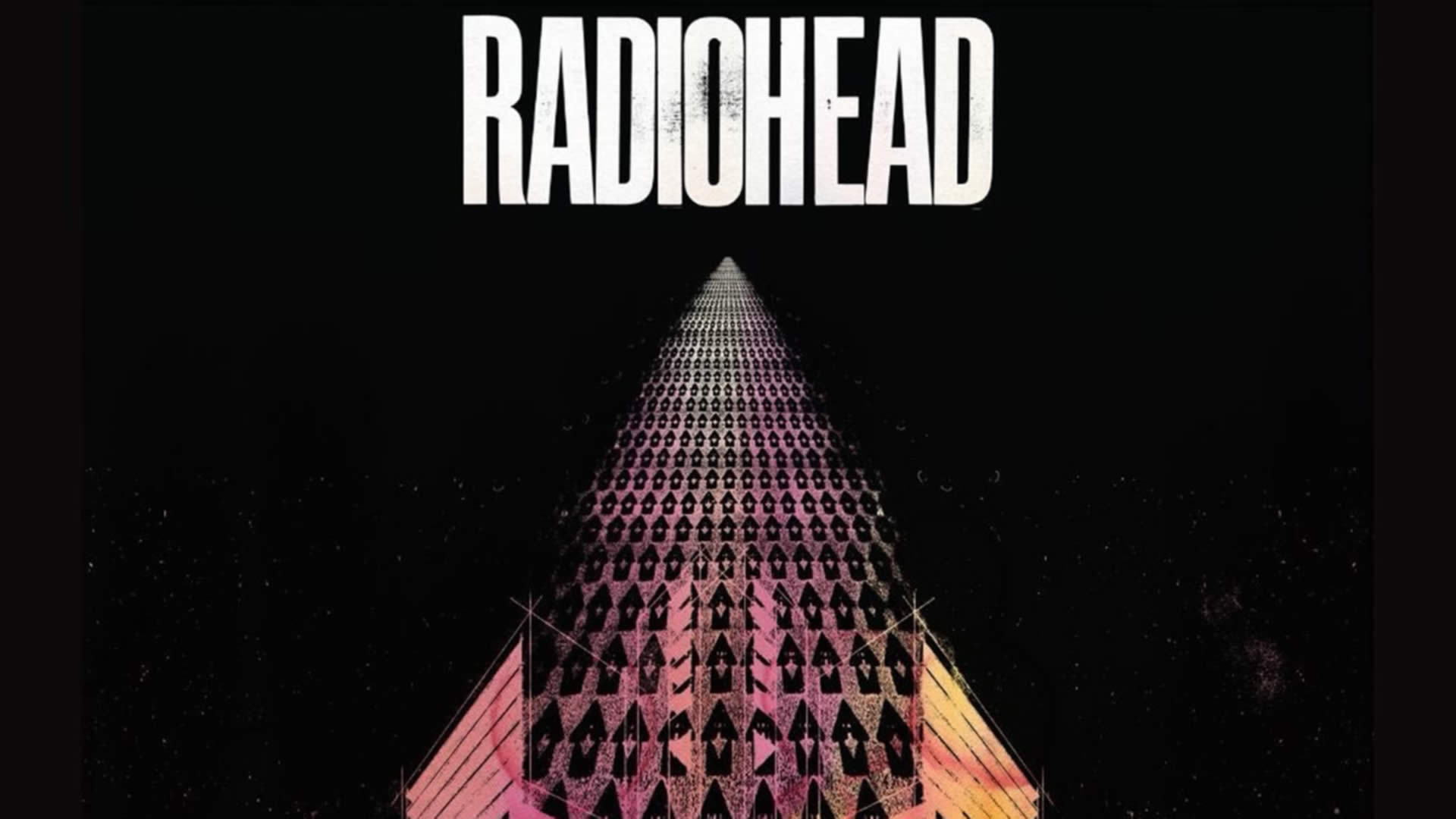
Radiohead Comes Back To Sydney
The Sydney dates begin on Tuesday, May 25, 2027, followed by Wednesday, May 26. After a one-night break, the band returns on Friday, May 28, Saturday, May 29, Monday, May 31 and Tuesday, June 1.
All six shows take place at Afterpay Arena in Sydney Olympic Park.
The venue itself is familiar territory for major international touring acts. It is a large, enclosed arena designed for concerts on a scale that allows tens of thousands of people to gather beneath one roof. For Radiohead, however, the setting is likely to become something more atmospheric once the lights go down.
The arena will be transformed by sound rather than simply occupied by it.
Radiohead's live performances have long been characterised by their immersive quality. Their music can move from a stark guitar line to layers of electronics and percussion, from Thom Yorke's voice suspended over silence to arrangements that seem to expand outward into the room.
That makes an arena an interesting proposition.
The physical scale is enormous, but the music often works through details. A rhythm arrives almost imperceptibly. A bass line changes the weight of a song. A guitar figure repeats until it becomes something hypnotic. In a large room, those small changes can take on a different physical dimension.
Fifteen Years Between Visits
The length of the gap is perhaps the most striking detail of the announcement.
Fifteen years separates Radiohead's previous Australian tour from these 2027 performances. For listeners who discovered the band during the 1990s, that gap represents a substantial part of adult life. For younger listeners, the wait may have existed for almost as long as they have known the band's music.
Radiohead's absence has not meant inactivity.
The band released A Moon Shaped Pool in 2016, an album that continued their movement towards electronic and orchestral arrangements while retaining the emotional ambiguity that has always distinguished their work. Members have also pursued individual projects and collaborations during the years since their last Australian performances.
Meanwhile, Radiohead's albums have continued to circulate through streaming services, record collections, headphones and playlists.
The result is a catalogue that has outlived the circumstances in which much of it was first created.
Songs that once arrived through CDs, music magazines and late-night radio now reach listeners through entirely different routes. The technology has changed. The cities have changed. The audiences have changed.
The songs remain.
A Sydney Audience Across Generations
There is something especially revealing about seeing an established band return after a long absence.
A concert like this is unlikely to belong exclusively to the people who were there the first time. The audience will contain listeners who remember buying OK Computer when it was new, people who discovered Kid A years after its release, and younger fans for whom Radiohead is not a historical reference but a living part of their musical landscape.
Sydney is particularly well suited to that kind of gathering.
The city has always absorbed international music through a mixture of curiosity and familiarity. Its large venues can feel anonymous from the outside, but once a crowd gathers, the architecture changes character. Corridors become meeting places. Concrete stairwells fill with conversations. The long walk from a station or car park becomes part of the evening.
At Afterpay Arena, that process will begin well before the lights dim.
By early evening, Sydney Olympic Park will have its usual mixture of pedestrians, transport movements and venue traffic. Then the crowd will gradually become more recognisable. Black shirts, old tour merchandise, new shirts bought for the occasion. People meeting friends they have not seen for years. Couples who first listened to Radiohead together. Parents arriving with children who know the songs from a completely different cultural moment.
For a few hours, the audience becomes its own temporary city.
The Sound Of Radiohead
Trying to describe Radiohead simply is difficult because the band's history has always involved leaving one version of itself behind.
Pablo Honey introduced them as a guitar band, while The Bends developed that sound into something broader and more emotionally complex. OK Computer expanded the possibilities again, placing songs about technology, alienation and modern anxiety inside arrangements that could be both immediate and strange.
Then came Kid A.
The album's electronic textures and fractured structures initially challenged listeners expecting another conventional rock record. In retrospect, it became one of the defining statements of the band's career.
Later records continued that restlessness.
Amnesiac explored another side of the same period. Hail to the Thief brought together political unease and more direct rock arrangements. In Rainbows found a warmer, more tactile balance between experimentation and melody. The King of Limbs pursued rhythm and looping structures, while A Moon Shaped Pool brought strings and atmosphere into the foreground.
Taken together, the albums form less a straight line than a series of turns.
That history makes the 2027 concerts intriguing without requiring predictions about what the band will play. The significance lies partly in hearing a catalogue that has travelled so far from its beginnings and discovering how it sounds in the present.
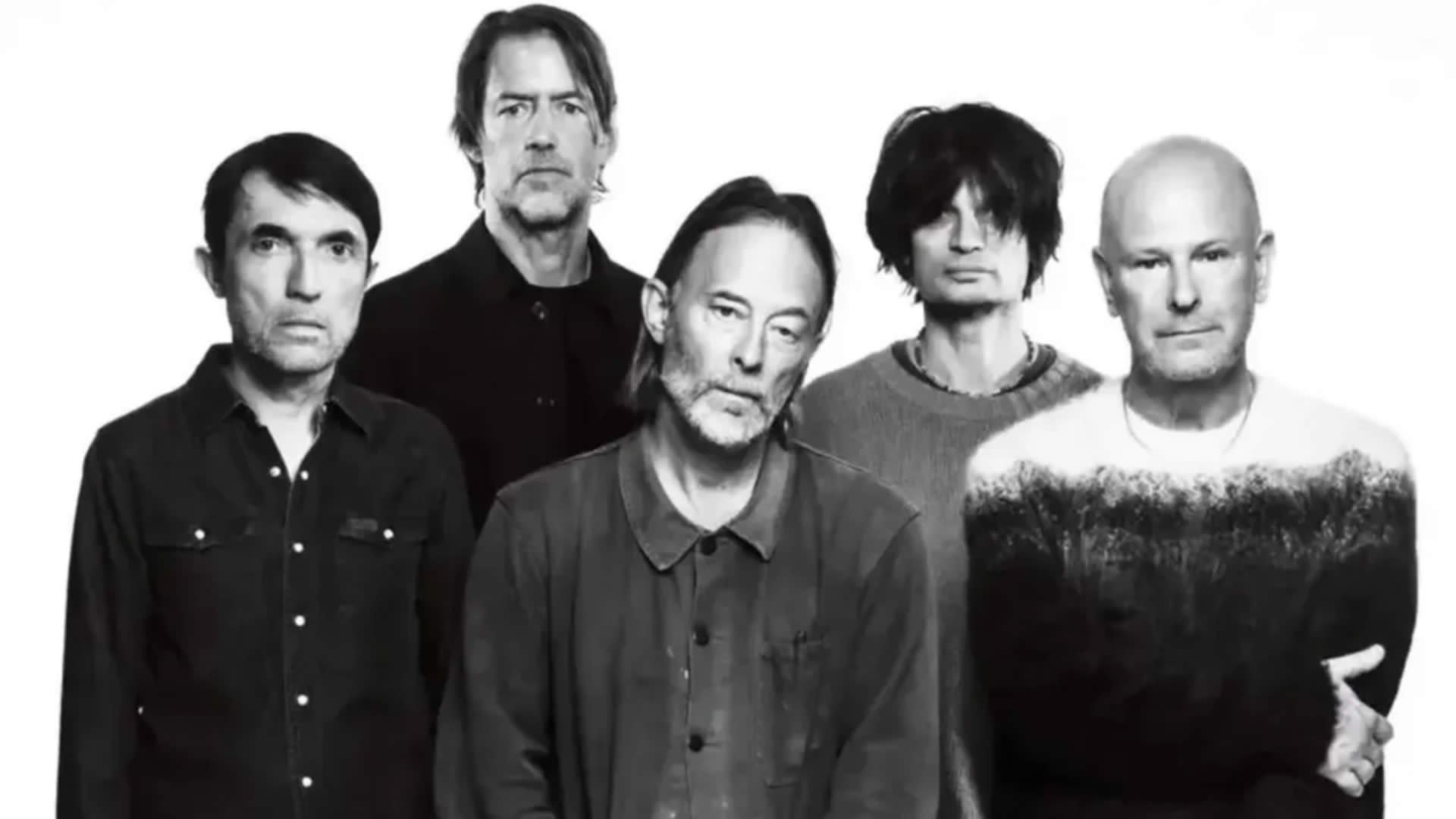
Radiohead And The Architecture Of A Live Show
A Radiohead concert is not simply a collection of songs played one after another.
The band's music lends itself to shifts in light, texture and space. There can be long stretches where the atmosphere is almost suspended, followed by a sudden increase in volume or movement. Familiar songs can acquire different weight when played years after their original release.
That quality matters in an arena.
Large concert spaces can easily flatten music into spectacle. Radiohead's arrangements offer another possibility, using sound to make the room feel simultaneously larger and more intimate.
The audience may be physically distant from the stage, but a single vocal line can pull attention inwards.
It is one of the contradictions of seeing a band like this in a venue built for scale. Thousands of people are present, yet the experience can become intensely individual. One person hears the song they first played through headphones on a bedroom floor. Another hears a track associated with a particular city, relationship or period of life.
The performance happens in one room.
The memories do not.
Six Nights In Olympic Park
The decision to play six Sydney shows gives the return a particular significance.
Rather than passing through for one large concert, Radiohead will spend several nights in the city. The Australian tour itself stretches across May and early June, beginning with four performances at Perth's RAC Arena before six nights at Melbourne's Rod Laver Arena and the six Sydney performances.
The Sydney run is:
Tuesday, May 25, 2027
Wednesday, May 26, 2027
Friday, May 28, 2027
Saturday, May 29, 2027
Monday, May 31, 2027
Tuesday, June 1, 2027
The shows are licensed all ages. Radiohead's official announcement describes these Australian dates as the band's only Australian shows for 2027, with no additional dates planned.
That makes the six-night run feel less like a conventional tour stop and more like a concentrated return.
For Sydney, it also means the band's presence will become part of the city for more than a single evening. Hotel rooms will fill. Trains will run later into the night. Restaurants and bars around Olympic Park and the surrounding suburbs will absorb pre- and post-concert crowds.
The music may happen inside one building, but the effects spread outward.
Getting To Radiohead In Sydney
Afterpay Arena is located at 19 Edwin Flack Avenue in Sydney Olympic Park.
The precinct is designed around large events, with public transport forming an important part of getting to and from major concerts. Sydney Olympic Park is served by trains and buses, while major event transport arrangements can vary depending on what else is happening in the precinct.
For a concert of this scale, arriving with time to spare is worthwhile. The journey from the station or transport interchange is part of the experience, particularly as the crowd grows closer to show time.
Sydney Olympic Park can feel surprisingly spacious when it is quiet. On a major concert night, that space changes character. Footpaths become streams of people, the buildings around the arena glow against the evening sky, and the walk towards the venue acquires the familiar anticipation that accompanies a large live performance.
Inside, the scale contracts again.
The lights go down.
The room waits.
A Return That Is About More Than Nostalgia
There is an understandable temptation to view any long-awaited return as an exercise in nostalgia.
Radiohead makes that difficult.
The band's history is too concerned with change for a retrospective reading to feel entirely appropriate. Their most important records were often the ones that disrupted expectations, and their career has been marked by a willingness to move somewhere else before an audience has finished adjusting to where they were.
That makes the 2027 Australian return interesting precisely because it arrives after such a long interval.
The people listening have changed.
The technology has changed.
The city has changed.
Radiohead has changed.
What remains is the unusual durability of the music itself.
In Sydney, that music will return to a room large enough to hold tens of thousands of people, yet the most memorable moments may still be the quiet ones. A voice suspended above an arrangement. A familiar guitar sound appearing after years away. A song suddenly recognised by an entire audience at once.
By the final night on June 1, the tour will have moved on.
The arena will return to its ordinary rhythm. The crowds will disperse through Olympic Park. The trains will carry people home, talking about what they heard and what they remembered.
For fifteen years, Radiohead has been absent from the Australian stage.
In 2027, for six nights in Sydney, that absence becomes part of the story.
Radiohead – Sydney
Dates: Tuesday, May 25; Wednesday, May 26; Friday, May 28; Saturday, May 29; Monday, May 31; Tuesday, June 1, 2027
Venue: Afterpay Arena, 19 Edwin Flack Avenue, Sydney Olympic Park NSW
Age: Licensed All Ages
Official information: Radiohead Official Website
Australian tour and ticket information: Frontier Touring