
SmartFone Flick Fest 2026 brings phone-made cinema from around the world to Sydney Opera House on November 1, with finalists spanning drama, comedy and documentary.
There is something fitting about watching a film made on a phone inside the Sydney Opera House.
Outside, Bennelong Point will carry on as it always does, with ferries crossing the harbour, tourists pausing beneath the sails and locals moving through Circular Quay with somewhere else to be. Inside the Playhouse, however, the scale will change. Small screens will become big ones. Stories made in bedrooms, backyards, streets, classrooms and living rooms will find themselves projected onto a cinema screen.
That is the peculiar pleasure of the SmartFone Flick Fest, the Sydney-founded festival that has spent 12 years asking a deceptively simple question: what happens when the barrier between having an idea and making a film is reduced to the device already sitting in your pocket?
On Sunday November 1, the answer will arrive at the Sydney Opera House, where the 12th annual SmartFone Flick Fest will bring together finalists from Australia and around the world.
The day will begin with the SF3 Kids Finals and Awards Ceremony in the Playhouse at 10.15am, before the main Gala Finals take over the same venue from 4.30pm.
By then, hundreds of filmmakers will have been reduced to a carefully selected group of finalists, and the stories will have moved from private phone screens to a room shared with an audience.
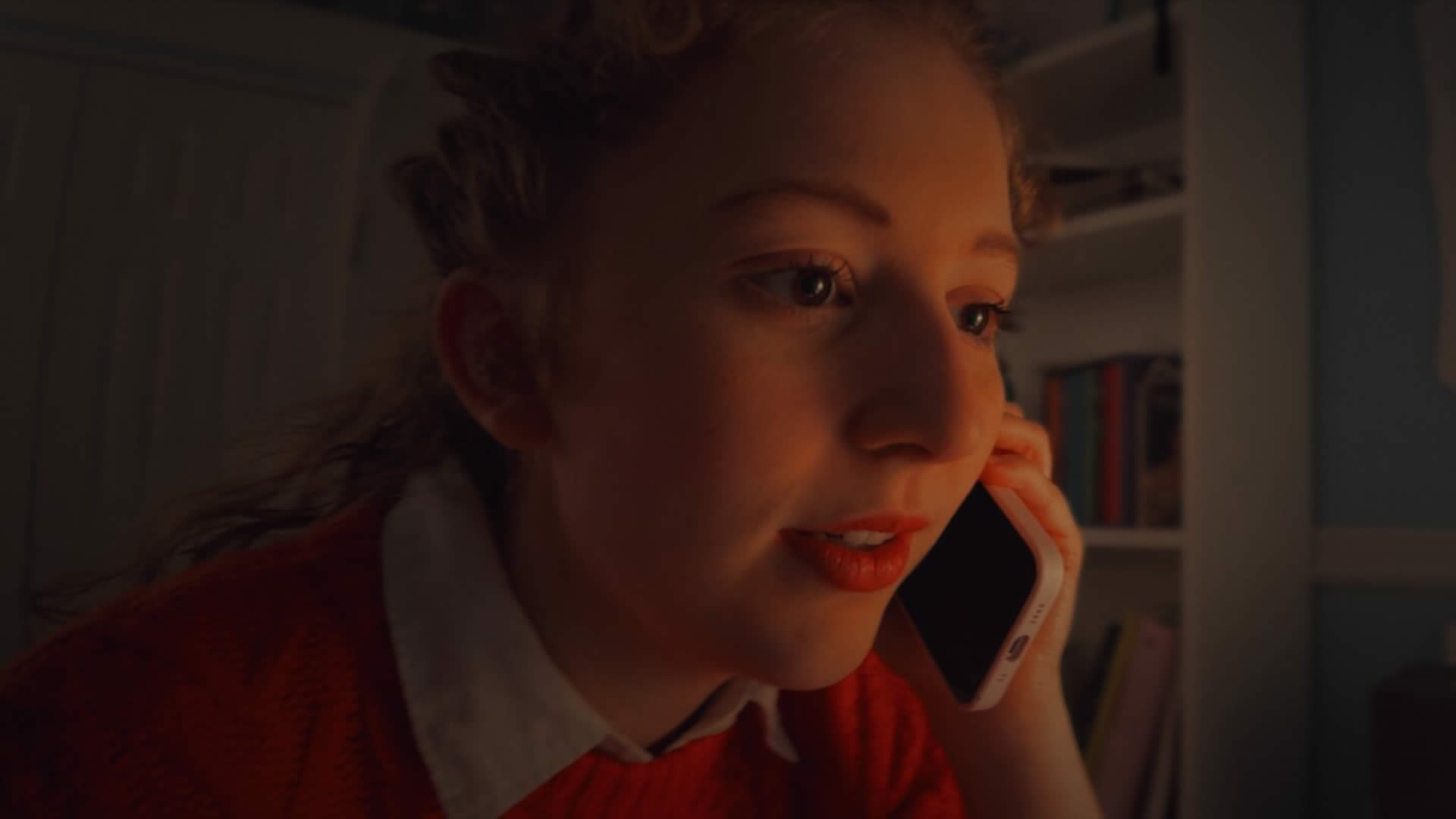
SmartFone Flick Fest Finds A Bigger World In A Small Screen
The 2026 festival will have received a record 400 entries, with filmmakers submitting work from more than 70 countries.
Among the countries represented will be Australia, the United States, the United Kingdom and South Africa, alongside filmmakers from places including Sudan, Georgia, Malaysia, Thailand, Czechia, Luxembourg, Peru, Pakistan, Romania and China.
The geographical spread matters because SmartFone Flick Fest has never really been about the phone itself. The phone is simply the common object.
What matters is what people do with it.
A smartphone can be a camera, editing suite, sound recorder and distribution tool, often within the same afternoon. For a filmmaker who does not have access to a traditional production setup, that difference can be considerable. For a young filmmaker, it can mean beginning before there is any question of film school, expensive equipment or a professional crew.
That idea will be particularly visible in the Kids section, where filmmakers aged 18 and under will have created films entirely on smartphones or tablets.
Some of the youngest participants will be making work at an age when most people are still learning how to frame a photograph.
SmartFone Flick Fest Brings The Youngest Filmmakers Forward
Among the SF3 Kids finalists will be Code Blue, a hospital drama satire made by the youngest students at Centre Stage Academy in Blacktown.
There will also be Hero-Man, featuring special effects created by teenage filmmaker Aston Di Donato of Port Kembla.
The Kids program will carry a different energy from the main Gala. There will be films made by young people still discovering the mechanics of storytelling, but also the sense of freedom that comes from not yet knowing which rules are supposed to apply.
One of the festival's most striking examples of that freedom will come from seven-year-old Stevie Gannon.
Stevie will be the youngest-ever Gala Director at SmartFone Flick Fest with No Bears Allowed, made with her father, Jimmy Gannon. The film follows a young girl troubled by nightmares who tries to keep the bad dreams away with a homemade sign. Her father helps her create a dreamcatcher, leading to a story about fear, imagination and the comfort of being protected.
There is an especially nice circularity to Stevie's appearance at SF3. Seven years earlier, she appeared in a finalist film as a newborn. This time, she will return as the filmmaker.
It is the sort of detail that makes the festival feel less like an industry showcase and more like a growing community.
The SmartFone Flick Fest Gala Finalists
The Gala finalists will move across genres and moods, reflecting the breadth of what can be made when the production barrier is deliberately lowered.
Storyboard: The Musical, from first-time filmmaker Jordan Gibbs in the United States, will combine live action and animation in a musical made with his animator sister.
No Bears Allowed will bring a seven-year-old filmmaker into the adult Gala competition, while The Hole will take the audience somewhere much darker.
Created by NIDA graduates Sean Luther-Hall and Josh Stewart, The Hole will be set in a tiny room deep underground, where two men sit down for breakfast before an unexpected guest interrupts their isolation.
Starring Albert Mwangi and Jack Ellis, the film will draw on the atmosphere of classic genre television, using isolation, paranoia and the tension between analogue and digital technology to build its world.
There will also be room for comedy.
Prostate Panic, by ButterflyPanther, will follow a man racing to a funeral while an increasingly urgent biological problem makes every red light feel like a personal attack.
It is an Australian kind of premise in some ways, taking an ordinary embarrassment and stretching it towards farce.
Elsewhere, The Weight of Mercy will move into western science fiction. Made by Nathan Colquhoun and Tatjana Marjanovic, it will follow a grieving mother consumed by revenge who encounters a mysterious preacher challenging her understanding of mercy.
The range is part of the appeal. One film can be intimate and observational, another strange and theatrical, another built around a joke that lasts only a few minutes.
The technology remains largely the same.
The stories do not.
Stories That Look Beyond The Easy Answer
Several of the finalists will also turn their cameras towards questions of disability, family and the pressures of ordinary life.
What Life Can Be, by Dane Noonan, will explore the filmmaker's own experience of living with disability. The film will look back on childhood assumptions about what his life might become and contrast them with the life he has built.
You Will Not Be Left Behind, by Brandon Fairley and Kristina Cetinski, will centre on bereaved siblings confronting difficult questions about the living situation of their disabled brother.
These are stories that could easily have been reduced to a message. Instead, their presence within a film festival gives them room to breathe as pieces of cinema.
That is increasingly important in a culture where so much video is designed to be watched quickly and forgotten just as quickly.
A festival screening asks for something different.
Sit down. Turn off the other things. Watch.
From White Bay To Bennelong Point
The Sydney program will unfold across the city rather than being confined to a single day at the Opera House.
On Saturday October 31, the SF3 Mini and Feature Film screening will take place at the White Bay Power Station in Rozelle, presented with Eventspec.
The following morning, the festival will move east towards Bennelong Point for the Kids Finals at the Sydney Opera House.
By late afternoon, the main Gala Finals will begin.
There is a pleasing contrast between those locations. White Bay Power Station carries the rough industrial memory of another Sydney, while the Opera House represents one of the city's most recognisable cultural stages.
Between them, SF3 will tell a story about how filmmaking itself has changed.
The equipment that once demanded a dedicated room can now travel in a pocket.
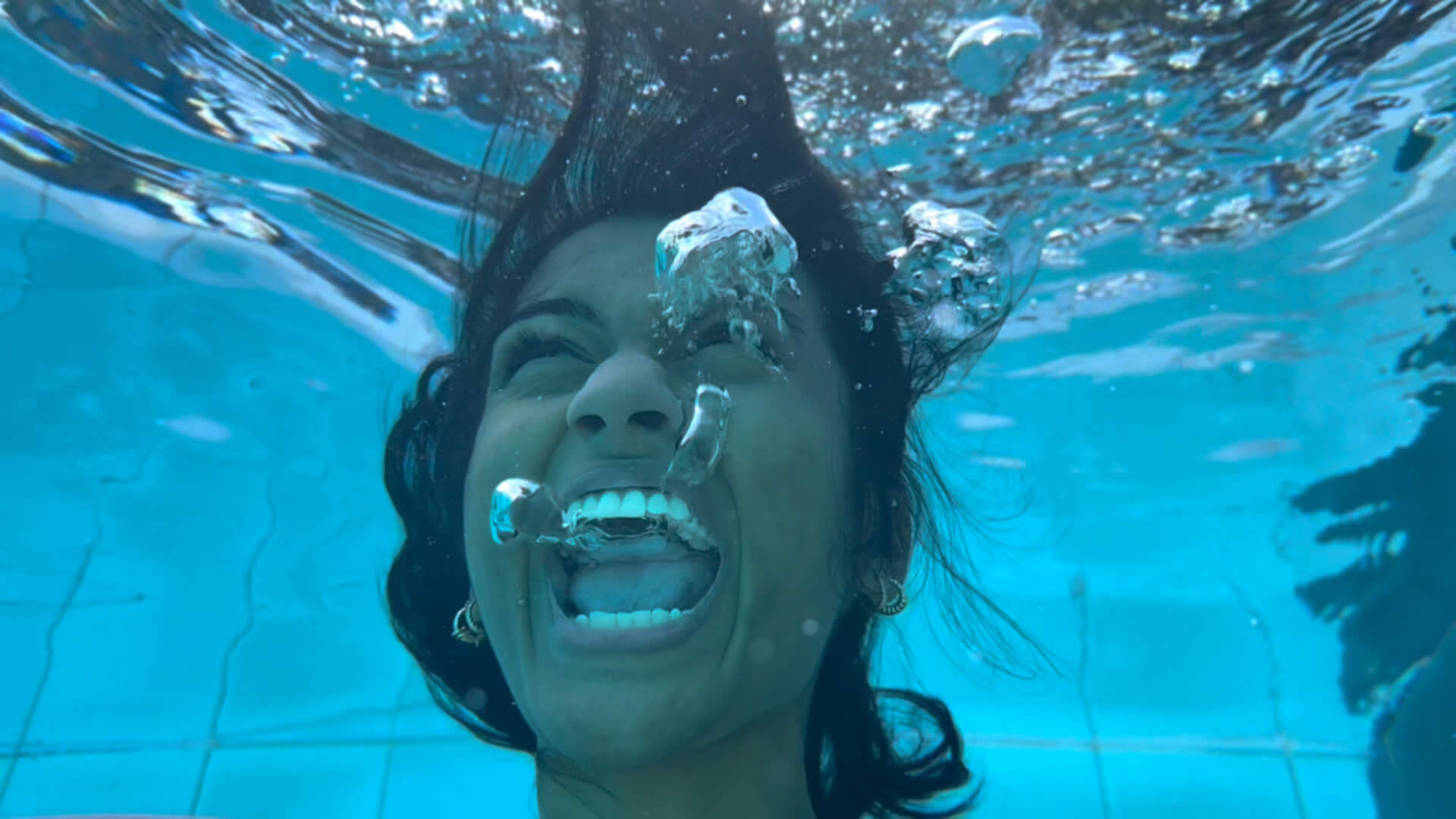
SmartFone Flick Fest And The Meaning Of Making
The festival's format is deliberately simple.
Gala films must be 20 minutes or less. SF3 Kids films are made by filmmakers aged 18 and under and must be 10 minutes or less. SF3 Mini films must run for three minutes or less and respond to the prompt "GO".
There is also an SF3 AI category, where films must be written by a human and made using generative artificial intelligence.
The limits are useful because they force decisions.
A filmmaker cannot hide behind scale. There is nowhere for an unnecessary scene to disappear into a two-hour running time. A short film has to find its shape quickly.
That does not necessarily make the films smaller.
Sometimes the opposite happens.
A three-minute film can leave an image in the mind for much longer. A child's story can reveal something an adult filmmaker might overlook. A phone camera can make a familiar street feel newly observed.
This year, SF3 Festival Director and co-founder Angela Blake has pointed to the strength of the Australian entries, particularly the number of young local filmmakers using phones and tablets to tell their own stories.
For SF3 Ambassador Kerry Armstrong, the accessibility of the format is central to its appeal. The idea that a person can begin making a film without waiting for expensive equipment or formal training changes who gets to participate.
It also changes what can be seen.
A Sydney Film Festival With The World In It
For a festival that began in Sydney, the international reach of SmartFone Flick Fest is now difficult to miss.
The finalists will arrive from different countries, cultures and filmmaking backgrounds, yet their work will share the same essential constraint.
A phone.
That commonality is less about technology than it first appears. It is a way of putting filmmakers on relatively level ground and allowing the quality of an idea, performance, image or piece of writing to carry more of the weight.
The judges will include Australian filmmakers and industry figures, with international filmmaker Phillip Noyce among the festival's ambassadors and judging panel figures including Louis Nowra, Serhat Caradee, Ros Gentle, Joe Ochman, Yolandi Franken and Megan Rikos.
Across the festival's categories, more than $50,000 in prizes will be awarded.
But the more lasting measure of the festival may be harder to put into a prize package.
A young person discovers that they can make a film.
A parent and child make one together.
A filmmaker with a disability puts their lived experience on screen.
Someone in another country points a phone at something that would otherwise never have reached an Australian cinema.
SmartFone Flick Fest Ends Where Stories Begin
On November 1, the Playhouse will eventually darken.
For a while, the room will be filled with the glow of projected images made on devices that normally sit on kitchen benches, school desks and bedside tables.
The audience will see the finalists. Some will laugh. Some stories will be uncomfortable. Others may be over almost before the audience has settled into its seat.
Then the lights will come back on.
Outside, Sydney will still be moving around Bennelong Point. The harbour will still be there, ferries will still be crossing the water and the Opera House sails will still be catching the changing light.
The films will return to their makers.
But for a few hours, the ordinary smartphone will have been transformed into something larger – not because the technology changed, but because someone decided to tell a story with it.
SmartFone Flick Fest 2026 Event Details
SmartFone Flick Fest 2026
SF3 Kids Finals and Awards Ceremony
Sunday November 1, 2026
10.15am
Playhouse, Sydney Opera House
Bennelong Point, Sydney NSW 2000
SF3 Gala Finals
Sunday November 1, 2026
4.30pm
Playhouse, Sydney Opera House
Bennelong Point, Sydney NSW 2000
SF3 Mini and Feature Film Screening
Saturday October 31, 2026
White Bay Power Station, Rozelle, Sydney