
Suede returns to Australia in January 2027 for three exclusive Sydney Opera House concerts, performing three landmark albums in full across three nights.
Sydney Harbour has a particular character after dark. The last light fades from the water, ferries cross the channel beneath the city's illuminated skyline, and the sails of the Opera House stand out against the night. Inside the Concert Hall, another kind of atmosphere takes shape, one built from anticipation, memory and the shared experience of live music.
In January 2027, that setting will welcome Suede, one of the defining British alternative rock bands to emerge in the early 1990s. The group will return to Australia for the first time since 1999, bringing a three-night program to the Sydney Opera House from 28 to 30 January. The Australian-exclusive engagement will centre on three albums that helped establish the band's identity: Suede (1993), Dog Man Star (1994) and Coming Up (1996).
Each record will be performed in full on a separate evening, followed by a second set drawing on material from the band's later career. For listeners who encountered Suede during the Britpop years, the concerts will offer an opportunity to revisit the music in a setting that gives each album room to unfold. For those who discovered the band more recently, the performances will trace the development of a group whose sound has continued to evolve well beyond its original era.
The format also creates a narrative across three consecutive nights. The debut's urgent glamour, the darker ambition of its successor and the more immediate pop instincts of Coming Up represent distinct stages in the band's early history. Heard separately but in sequence, they offer a portrait of a group willing to change direction rather than settle into a single identity.
Suede's arrival will form part of the Sydney Opera House's contemporary music program, placing a band associated with the clubs, record shops and restless cultural energy of 1990s Britain within one of Australia's most recognisable performance spaces. It is a meeting between musical history and a venue whose own identity has become inseparable from Sydney's cultural life.
Suede And The Sound Of A Changing Britain
When Suede emerged in the early 1990s, British guitar music was entering a period of renewed attention. Independent bands were finding larger audiences, music publications were helping shape new cultural identities, and the relationship between popular music, fashion and youth culture was becoming increasingly visible.
Suede stood apart through a sound that combined glam rock's theatricality with the emotional intensity of alternative music. Their songs often moved between sweeping guitar arrangements and moments of exposed vulnerability, while frontman Brett Anderson developed a stage presence that was expressive, restless and deliberately theatrical.
The band's early work offered a different perspective on British life from the straightforward nostalgia that sometimes accompanied the period's guitar music. Its lyrical world was urban, intimate and often unsettled, populated by outsiders, complicated relationships and people searching for connection. The music could be glamorous without being comfortable, its beauty frequently shadowed by unease.
That tension became one of Suede's defining characteristics. Their songs could sound expansive and dramatic while remaining grounded in private feelings, transforming everyday emotional uncertainty into something almost cinematic.
The group's self-titled debut arrived in 1993 and won the Mercury Prize, establishing Suede as a major force in British music. Its success helped bring wider attention to a band whose identity was built around a distinctive combination of melody, image and intensity.
More than three decades later, the album remains central to understanding the group's early influence. Its songs capture a moment when British alternative rock was opening itself to greater theatrical ambition, while retaining the immediacy of guitar music played with conviction.
The Sydney concerts will return to this formative period, but they will do so through the perspective of a band that has continued working, recording and performing long after its initial rise.
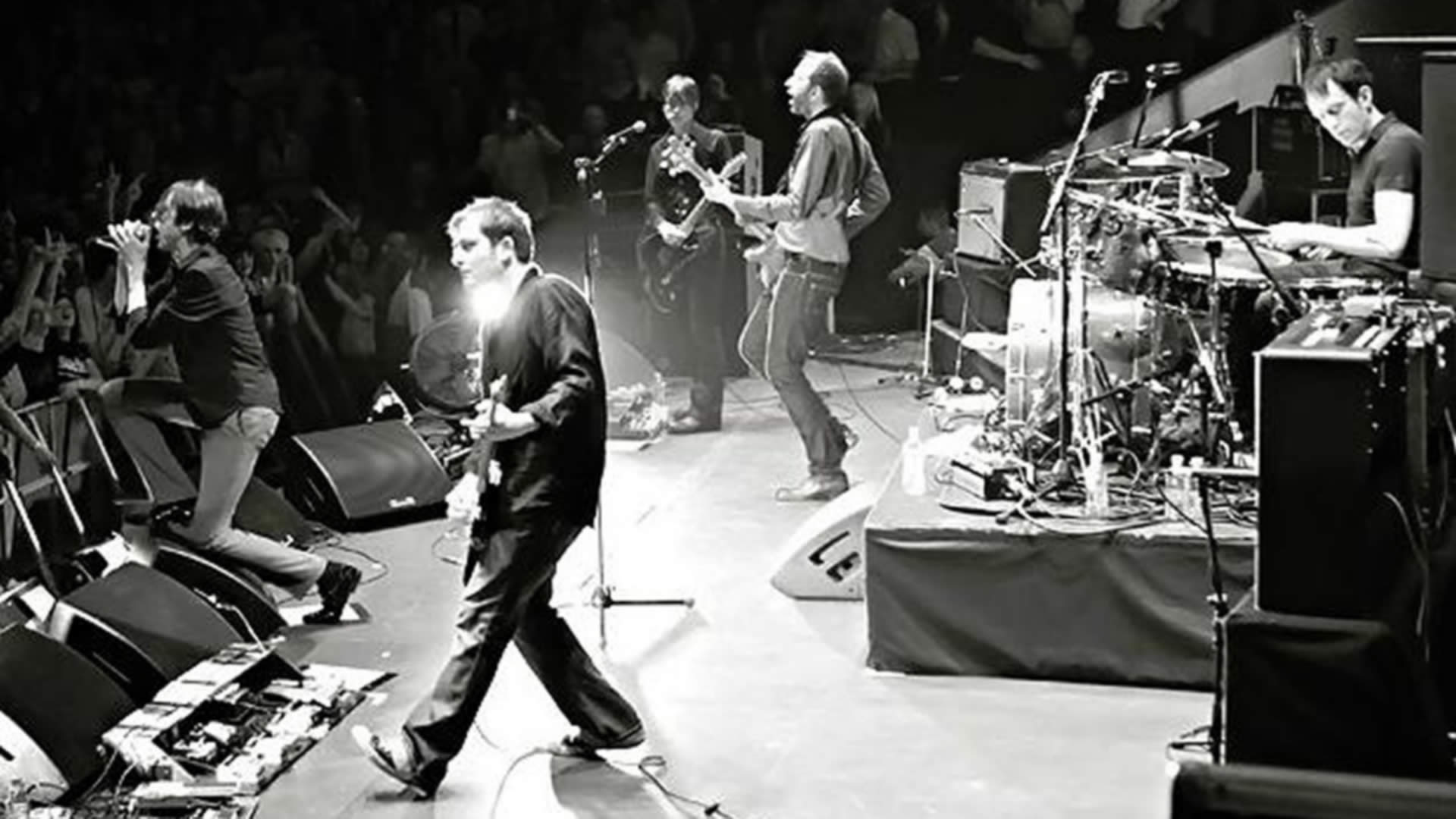
Suede: The Debut That Changed The Picture
Thursday 28 January 2027, 8pm
The first evening will focus on Suede, the band's 1993 debut. Arriving at a time when British guitar music was searching for new directions, the record introduced a group whose songs combined dramatic arrangements with a distinctly urban sensibility.
Its achievement was not simply a matter of sound. Suede presented an alternative to the prevailing idea that rock music needed to be rooted in straightforward masculine bravado or familiar working-class nostalgia. The band's music embraced ambiguity, theatricality and emotional vulnerability, drawing on glam rock while finding its own language for contemporary relationships and city life.
The record also established the creative partnership between Anderson and guitarist Bernard Butler, whose playing brought a sweeping, often orchestral quality to the songs. The guitars could shimmer, surge or break into something harsher, giving the music a sense of movement that complemented Anderson's expressive vocals.
For an album-length performance, that variety matters. Rather than hearing a selection of familiar singles, the audience will encounter the record as a complete work, following its changes in mood and pace. Songs that have become closely associated with the band's early identity will sit within the wider sequence from which they emerged.
The debut's Mercury Prize win gave Suede an early distinction, but its lasting importance lies in how clearly it established a world of its own. The album sounded glamorous and vulnerable at once, presenting characters and situations that were rarely as simple as they first appeared.
At the Opera House, that world will be recreated in a concert setting where the audience can listen to the record as a continuous experience. The second set will then move beyond the debut, drawing on later material and connecting the band's early work with the music that followed.
Dog Man Star And The Darker Side Of Suede
Friday 29 January 2027, 8pm
If the debut established Suede's identity, Dog Man Star, released in 1994, pushed it into more unsettled territory. The album is often associated with grander arrangements, darker emotional undercurrents and a willingness to let songs expand beyond conventional pop structures.
Its place in the band's history is inseparable from a period of creative tension. The relationship between Anderson and Butler deteriorated during the making of the record, and Butler departed before the album's release. That difficult background became part of the story surrounding the music, although the record itself is best understood through the range of ideas it contains.
Where the debut often found energy in immediacy, Dog Man Star explored atmosphere and scale. Its arrangements could feel almost orchestral, moving from restrained passages into dramatic crescendos. The emotional landscape was similarly expansive, shifting between intimacy, disillusionment and a sense of isolation.
The album did not follow the easiest route to commercial success, but its reputation has endured among listeners drawn to its ambition. It reflects a band prepared to take risks at a time when expectations were rising and the surrounding music industry was increasingly interested in defining what British guitar music should sound like.
Performing Dog Man Star in full gives the record an opportunity to be heard on its own terms. Rather than reducing it to individual highlights, the album-length format preserves the relationships between songs and allows its darker passages to carry their intended weight.
The concert also provides a useful midpoint in the three-night sequence. Between the debut's arrival and the more immediate pop sensibility of Coming Up, Dog Man Star represents a period when Suede stretched its sound and explored the less comfortable possibilities of its creative identity.
Coming Up And The Return Of Pop Instinct
Saturday 30 January 2027, 8pm
The final night turns to Coming Up, released in 1996. The album marked a significant change in the band's sound and became Suede's first UK number one record.
With Richard Oakes joining on guitar after Butler's departure, the group entered a new phase. The music retained Suede's flair for drama but often delivered it through sharper, more immediate arrangements. Melodies became more direct, hooks more prominent and the overall sound better suited to the concise structure of a pop song.
Tracks such as Trash, Beautiful Ones and Saturday Night became defining songs of the period. Their appeal rested on the balance between accessibility and the band's continuing interest in outsiders, unconventional lives and the desire to belong somewhere.
The album's success demonstrated that Suede could change without abandoning its character. The theatrical instincts remained, but the music found new ways to communicate them, with a brighter surface that did not necessarily make its underlying themes less complicated.
In the context of the Sydney Opera House engagement, Coming Up completes a three-part portrait of the band's early development. Across the albums, listeners will hear the movement from a striking debut to a more expansive and troubled second record, then towards a new line-up and a more immediate pop language.
The sequence is particularly suited to an audience able to attend all three nights, but each concert will also stand as an individual event. Those with a particular attachment to one album can experience it in full, while the second set offers a wider view of the band's catalogue.
By the end of the final performance, the three records will have traced a formative period in British alternative rock, not as a retrospective assembled from selected songs, but through the albums that shaped Suede's identity.
Beyond The Britpop Years
Suede's association with the early 1990s is understandable, but it can obscure the scale of the band's later career. The group continued to record and perform through changing musical fashions, eventually developing a body of work that extends well beyond the albums being celebrated in Sydney.
Their 2022 album, Autofiction, marked another chapter in this continuing story, bringing a direct, raw energy to the band's sound. In 2025, Suede released Antidepressants, their tenth studio album, which attracted attention from music publications and appeared on several end-of-year lists.
These later records matter to the January concerts because they establish that Suede is not simply revisiting a finished period. The band continues to make music, test new ideas and perform with an understanding shaped by decades of experience.
The second set each evening will draw on this wider catalogue, creating a link between the albums performed in full and the group's more recent work. It will allow the audience to hear how certain qualities have persisted while the musical language around them has changed.
There is a difference between a reunion built around remembered successes and a long-running band returning to its earlier work while remaining active in the present. Suede's continuing recording career gives the Sydney engagement a perspective that reaches in both directions, towards the group's beginnings and towards the work it is still creating.
For listeners, that continuity may be as significant as the anniversary atmosphere surrounding the concerts. The music of the 1990s will be central, but it will be presented by artists who have lived with their catalogue, moved beyond it and returned to it with the benefit of time.
Brett Anderson And The Theatre Of Live Performance
At the centre of Suede's identity is Brett Anderson, whose voice and stage presence have helped distinguish the band across its career. His performance style has always carried a sense of physical movement and emotional exposure, connecting the dramatic scale of the music with the intimacy of its lyrics.
The songs often move between contrasting emotional states. A passage of quiet reflection can lead into a sudden rush of guitars; a melodic refrain may carry a sense of longing beneath its surface. Anderson's delivery gives these shifts a human focus, allowing the music to feel personal even when the arrangements become expansive.
Suede's reputation as a live band has developed through this combination of energy and control. The performances can be forceful and immediate, yet they also rely on carefully shaped dynamics. Volume alone does not create the effect. The quieter moments give the louder passages their impact, and the relationship between the band and the audience helps determine the atmosphere of the room.
The album-in-full format places a particular emphasis on that dynamic range. Listeners will not simply move from one well-known song to the next. They will experience the changes in intensity and mood that give each record its structure.
It is also a reminder that live music changes the relationship between a recording and its audience. Albums are often encountered privately, through headphones, in cars or at home. A concert brings those listening histories into a shared space, where familiar songs can acquire a different weight through volume, proximity and collective response.
For people who have followed Suede for decades, the performances may connect with particular stages of their own lives. For newer listeners, the concerts offer a chance to discover why the band's music has continued to draw devoted audiences long after its initial emergence.
Suede At Sydney Opera House
The Sydney Opera House is an important part of the January engagement. The venue has hosted generations of Australian and international performers, and its contemporary music program places established artists alongside musicians working at the edges of current music.
For Suede, whose sound developed through the close quarters of British clubs and the larger spaces of international touring, the Concert Hall offers a different scale and setting. The three concerts will be performed in the round, placing the audience around the performance area rather than in a conventional front-facing arrangement.
That configuration can alter the feeling of a concert. Performers become visible from multiple directions, and the audience shares a more immediate relationship with the action at the centre of the room. The music remains the focus, but the surrounding space becomes part of the experience.
The Opera House's harbour setting adds another layer to the occasion. Circular Quay is one of Sydney's busiest meeting points, where commuters, visitors and residents move between ferries, trains, restaurants and the waterfront. Arriving for an evening performance offers an opportunity to experience the city as it shifts from the day's activity into the slower pace of the night.
The building itself is often photographed from outside, but its cultural significance is sustained by what happens within its performance spaces. Music, theatre and other art forms bring the architecture to life, giving the landmark a continuing role in the city's cultural calendar.
Suede's three-night appearance also forms part of a broader contemporary music season that has included artists from a wide range of genres and backgrounds. The band's presence reflects the Opera House's role as a venue for music history and present-day performance, rather than a place reserved for any single tradition.
Event Details
- Event: Suede, Australian exclusive
- Thursday 28 January 2027, 8pm: Suede
- Friday 29 January 2027, 8pm: Dog Man Star
- Saturday 30 January 2027, 8pm: Coming Up
- Venue: Concert Hall, Sydney Opera House
- Performance Format: In the round
- Tickets: From $129.90 plus booking fee, subject to availability
- Official Website: https://www.sydneyoperahouse.com/
Tickets are available through the Sydney Opera House's official website, where visitors can confirm current prices, seating arrangements and availability. The venue can also be contacted on +61 2 9250 7777.
For those travelling into the city, public transport is a practical option. Circular Quay is served by trains, buses and ferries, and the Opera House is within walking distance of the transport interchange. Visitors should allow time to walk through the precinct and reach the Concert Hall before the performance begins.
The surrounding area offers several ways to extend the evening. A walk along the harbour, an early dinner or a pause near the waterfront can provide a little breathing room before the music starts. January evenings are often warm, though conditions can vary, so checking the forecast is worthwhile.
Anyone planning to attend more than one concert should consider the three-night structure when arranging accommodation and transport. The albums have distinct identities, and hearing them across consecutive evenings offers a broader perspective on the band's development.
Three Albums, One Continuing Story
The return of Suede to Australia after more than a quarter of a century is an opportunity to revisit three records that helped define a particular moment in British music. Yet the significance of the Sydney concerts extends beyond nostalgia.
The debut, Dog Man Star and Coming Up represent different creative directions, each shaped by the musicians, circumstances and ambitions of its time. Heard together across three nights, they reveal how a band can retain a recognisable identity while changing its sound and approach.
The Sydney Opera House provides a setting in which that history can be experienced collectively. The audience will bring its own memories and associations, while the performances will place the music in the present, carried by musicians who have continued to work long after the records first appeared.
Outside, Sydney Harbour will continue its familiar movement, ferries crossing the water and the city settling into the evening. Inside the Concert Hall, the songs will create a different kind of continuity, linking the energy of early 1990s Britain with an audience gathered decades later on the other side of the world.
For three nights in January, Suede will return to the albums that helped establish its place in music history, not as relics of a past era, but as works that remain open to rediscovery. The final notes may mark the end of each performance, but the larger story of the band will continue beyond the hall.