
Suzanne Vega brings her quiet storytelling, acoustic songs and four decades of city life to the Sydney Opera House on 18 September 2026.
There is a particular kind of anticipation that settles over the Sydney Opera House on an evening when the music is likely to be intimate rather than enormous.
Outside, Circular Quay carries on with its familiar evening choreography. Ferries move across the harbour. Office workers disappear towards trains. Visitors pause beneath the sails for photographs, while the water catches the last of the daylight.
Inside the Concert Hall, the scale is different. A single voice, a guitar and a carefully observed story can make a large room feel unexpectedly close.
That is the setting for Suzanne Vega, who arrives in Sydney on Friday 18 September as part of her Flying With Angels Tour 2026. Her concert begins at 9pm, bringing a career-spanning repertoire that reaches from the New York folk clubs of the early 1980s to songs from her latest album, Flying With Angels.
Vega has always seemed particularly well suited to cities. Her songs notice the details that become invisible when a place is too familiar: a person standing alone, a conversation overheard, a passing face, a moment that might otherwise disappear.
In Sydney, those observations arrive in a building surrounded by one of the city's most recognisable landscapes.
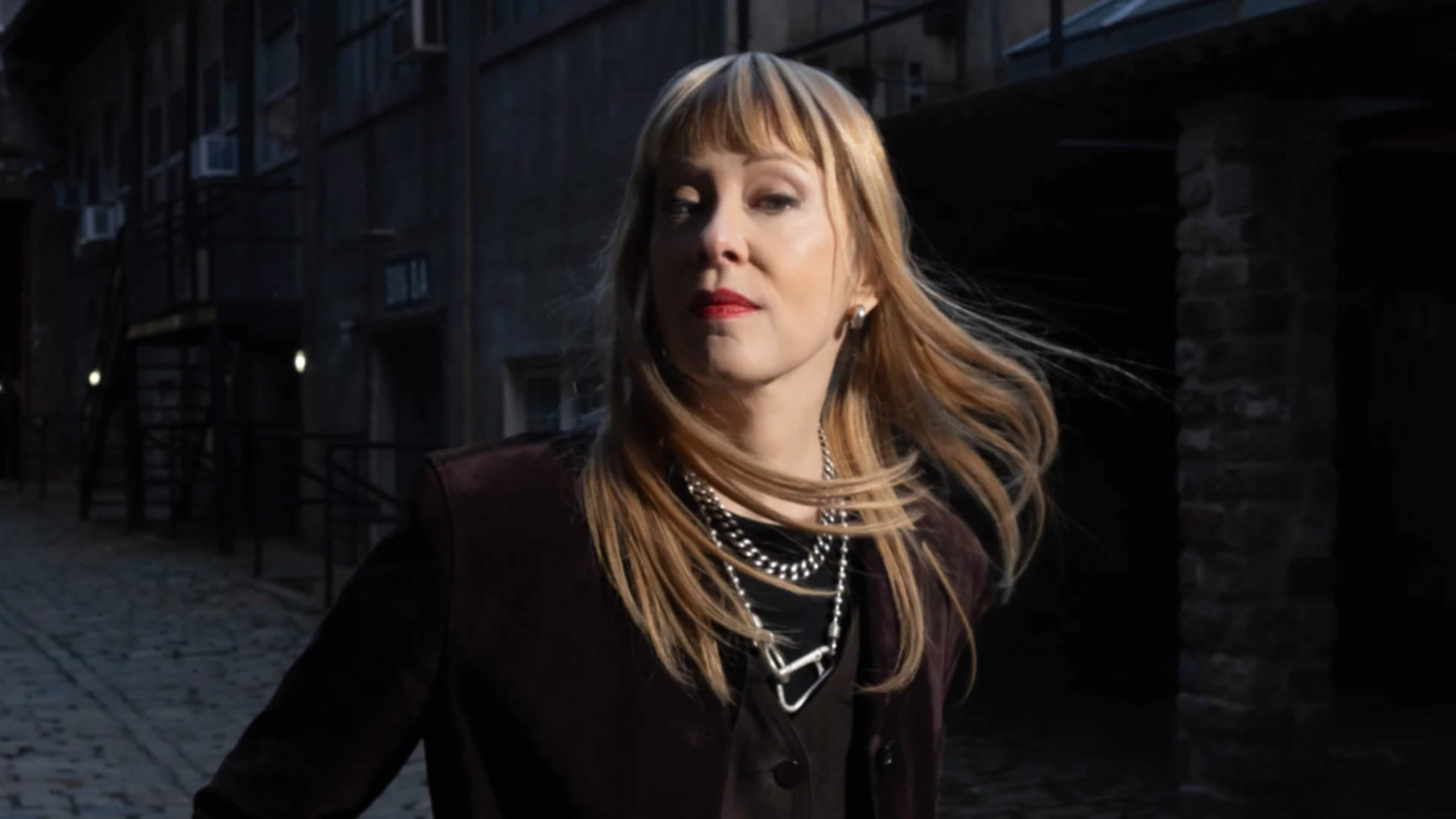
Suzanne Vega And The Art Of Looking Closely
Vega's songwriting has never depended on spectacle.
Her early songs emerged from the folk scene around Greenwich Village, where a singer with an acoustic guitar could hold an audience through words, melody and presence. Her self-titled debut arrived in 1985, establishing a voice that was restrained, precise and unusually attentive to the lives unfolding around her.
It was a style that suited the songs.
Rather than reaching for grand declarations, Vega often found drama in small encounters. The people in her work are not distant heroes or larger-than-life characters. They are people moving through streets, rooms and relationships, carrying private stories that may never become public.
That quality helped make songs such as "Marlene On The Wall", "Luka" and "Tom's Diner" enduring pieces of contemporary songwriting. Each creates a world with remarkable economy.
The effect can be easy to underestimate.
A song may begin with what appears to be an ordinary observation, then gradually reveal the emotional weight beneath it. A room becomes a neighbourhood. A stranger becomes a character. A familiar street becomes somewhere slightly less familiar.
That ability to make the everyday worth examining has remained central to Vega's work across four decades.
From Greenwich Village To The Sydney Opera House
The journey from the small clubs of Greenwich Village to the Concert Hall at the Sydney Opera House is a long one, but there is a thread connecting the two.
Vega's early career developed in an environment where lyrics mattered. Folk music gave singers room to tell stories, and the intimacy of the setting encouraged audiences to listen for detail rather than simply wait for a chorus.
The Sydney Opera House offers almost the opposite physical scale.
The Concert Hall is a landmark space, designed to carry music across a large audience. Yet Vega's songs do not require a vast production to make their impact. Their strength lies in the concentration of the performance.
That contrast should make the Sydney concert an interesting meeting of place and repertoire.
There is the enormous room, the harbour outside and the architecture that has come to represent Sydney around the world. Then there is Vega's particular musical language, one that has spent much of its life looking in the opposite direction – towards the individual, the street corner and the fleeting encounter.
The result is likely to be less about transforming the room than allowing the songs to inhabit it.
Suzanne Vega Returns With New Songs
Although much of Vega's catalogue is firmly established, this is not simply a trip backwards.
Flying With Angels, her tenth studio album, is her first album of entirely new songs in 11 years. The record gives the current tour a contemporary centre while the wider performance reaches back through the music that has defined her career.
That balance is important for an artist whose work has accumulated meaning over time.
Songs change as their listeners change. A lyric heard at 20 can sound different at 40. A song associated with one city can acquire another meaning after years of travel. Even a familiar chorus can reveal a line that had previously gone unnoticed.
Vega's newer material therefore sits within a larger conversation with her earlier work.
The tour is not presented simply as an anniversary exercise. It is a continuation of a songwriting career that has kept returning to observation, memory and the complicated business of being human.
For a Sydney audience, that makes the concert as much about where the songs have travelled as where they began.
The City Has Always Been Part Of The Music
There is a reason Vega's work feels so closely associated with New York.
Her songs carry the density of urban life. People are always near one another, but rarely know the full stories of those around them. A diner, apartment, pavement or subway journey can become a stage for something quietly significant.
Sydney operates at a different pace and under a different light, but its own urban landscape provides plenty of similar material.
On a Friday night, Circular Quay is filled with people who will never meet again. The ferries carry commuters and visitors together. Restaurant tables hold conversations that drift into the evening. Along the harbour, strangers pause beside one another to look at the same view.
Cities create these brief intersections constantly.
Vega's songwriting has spent much of its life noticing them.
That is part of what makes her music travel well. The details may belong to New York, but the underlying experiences are not confined to one place.
Suzanne Vega's Most Familiar Stories
For many listeners, the Sydney performance will inevitably be anchored by a handful of songs.
"Tom's Diner" remains one of the most distinctive pieces in Vega's catalogue, built around an apparently simple scene observed from inside a diner. "Luka" takes another intimate perspective, turning a seemingly ordinary neighbourhood encounter into something much darker. "Marlene On The Wall" carries the emotional atmosphere of an apartment and a relationship into a few carefully drawn images.
The Sydney Opera House describes the performance as a career-spanning show featuring these songs and more.
What makes them interesting decades after their release is their lack of dependence on a particular moment.
The arrangements may change. The listener changes. The city around the listener certainly changes.
The songs remain recognisable because their subjects are human rather than fashionable.
That durability is one of the quieter achievements of Vega's career.
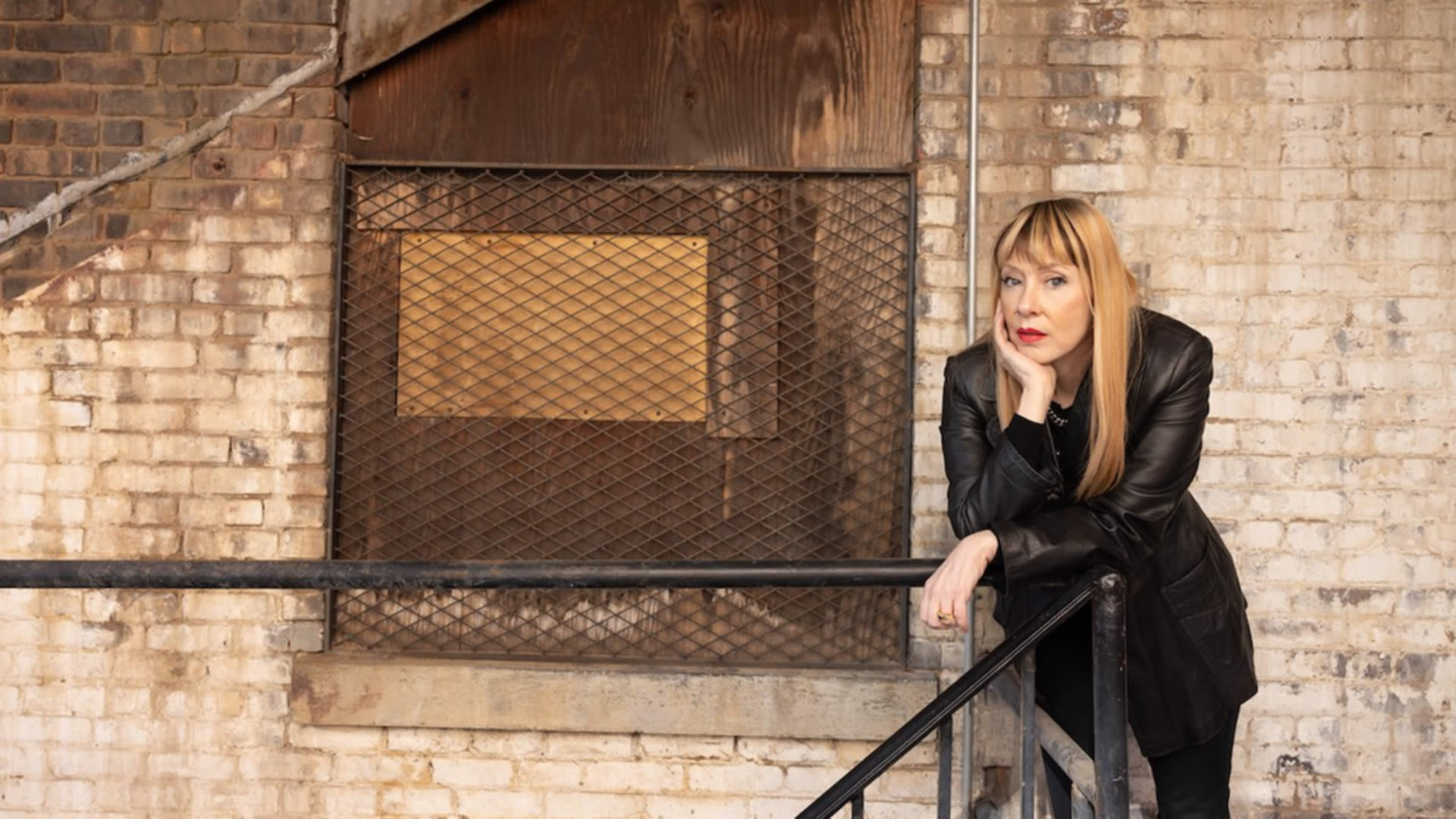
A Different Kind Of Concert Experience
There is a temptation, when describing a musician with such a recognisable back catalogue, to turn a concert into a parade of greatest hits.
Vega's work suggests something more measured.
Her songs are short stories as much as pop songs. They invite attention to the words and to the spaces between them. A performance of that material does not necessarily need to overwhelm the audience. It can instead ask them to lean in.
That makes the Concert Hall an intriguing setting.
The Sydney Opera House is accustomed to grand gestures. Its stages accommodate orchestras, opera, dance, theatre and large-scale contemporary performances. Yet some of its most memorable musical experiences can come from a smaller exchange between performer and audience.
Vega's work belongs naturally to that tradition of listening.
The room becomes less important as an architectural object and more important as a place where several thousand people can listen to the same story at the same time.
Arriving At The Opera House
For those attending, the concert provides an opportunity to make the evening part of the experience rather than simply arriving for the performance.
The Sydney Opera House sits at the end of Bennelong Point, with Circular Quay and the harbour immediately around it. On a September evening, the walk towards the building can be as much a part of the night as the concert itself.
The performance begins at 9pm, leaving time beforehand for a meal or a slow walk around the harbour. The Opera House also recommends allowing enough time to reach the venue and find your seat. The performance is listed as suitable for all ages, although children aged 15 and under must be accompanied. Strobe lighting and haze effects may be used.
The venue also provides accessible seating and assistance for visitors who require it.
It is the sort of evening that benefits from resisting the urge to rush.
Sydney is particularly beautiful around the harbour after dark, and the Opera House is at its most atmospheric when the crowds begin to thin and the sails become silhouettes against the night.
A Night Of Songs That Notice The World
Suzanne Vega's music has always had an unusual relationship with time.
The songs are often rooted in specific places and moments, yet they resist becoming trapped there. A New York diner from decades ago can still feel immediate. A character encountered in a song can remain strangely present long after the circumstances that inspired the story have changed.
Perhaps that is because Vega writes about attention itself.
Her work asks listeners to look again at things they might otherwise pass without noticing. The person at the next table. The stranger across the street. The private sadness behind an ordinary doorway.
That sensibility feels appropriate for Sydney, a city that can sometimes be experienced at a hurried distance.
From the Concert Hall, the harbour is visible only indirectly. Beyond the walls are ferries, restaurants, traffic, apartment towers and thousands of separate lives. Inside, for a couple of hours, the attention narrows.
A voice tells stories.
The room listens.
Event Details
Suzanne Vega performs her Flying With Angels Tour 2026 at the Sydney Opera House Concert Hall on Friday 18 September 2026. The performance begins at 9pm. The Sydney Opera House lists the concert as suitable for all ages, with children aged 15 and under required to be accompanied.
The performance features a career-spanning selection including "Tom's Diner", "Luka", "Marlene On The Wall" and songs from Flying With Angels.
For tickets and the latest venue information, visit the official Sydney Opera House event page.
There is something fitting about Suzanne Vega arriving at the Opera House in spring.
Outside, Sydney continues to move at its usual pace. The harbour keeps reflecting the lights of the city, ferries cross the water and people make their way towards dinner, home or whatever comes next.
Inside the Concert Hall, the evening offers a different kind of attention.
For more than 40 years, Vega has made songs from the overlooked corners of city life. Her subjects are often ordinary, but her way of seeing them is not. A small moment becomes a story. A stranger becomes someone worth listening to. A familiar place acquires another layer.
When the concert ends, Sydney will still be there beyond the doors.
The harbour will be dark. The ferries will still be moving. Somewhere in the city, another ordinary story will be unfolding.
For a songwriter whose career has been built on noticing exactly those moments, there could be few better places to spend an evening.