
The best things to do in Parramatta extend well beyond Eat Street, from riverside walks and historic houses to parks, culture and hidden green spaces.
There is a moment in Parramatta when the city seems to change character. Leave the restaurants of Church Street behind, cross towards the river, and the hard surfaces of the CBD begin to give way to trees, old brickwork and open lawns. The noise of traffic softens. The river appears between buildings.
It is easy to think of Parramatta primarily as somewhere to eat. Church Street and the surrounding dining precinct have become one of Western Sydney's most recognisable destinations, drawing people from across the city for everything from late-night meals to weekend lunches.
But the city has another identity, one that is older, quieter and considerably more varied.
The best things to do in Parramatta often involve slowing down. They lead into the city's colonial past, across Dharug Country, beside the Parramatta River and into parks that can feel surprisingly remote despite being minutes from a major transport interchange.
For visitors willing to look beyond Eat Street, Parramatta becomes less a dining destination and more a place to spend a day.
Walk Through Parramatta Park
Parramatta Park is the natural place to begin.
The broad green space sits remarkably close to the city centre, yet its scale allows the surrounding development to recede. On a clear morning, joggers follow the paths, families settle beneath trees and cyclists move along the edges of the lawns. The river passes quietly through the landscape.
The park is also a place where several layers of Parramatta's history sit unusually close together.
The land has a much older story than the colonial buildings suggest. The area sits on Country traditionally cared for by the Burramattagal people of the Dharug nation, whose relationship with the river and surrounding landscape stretches back tens of thousands of years.
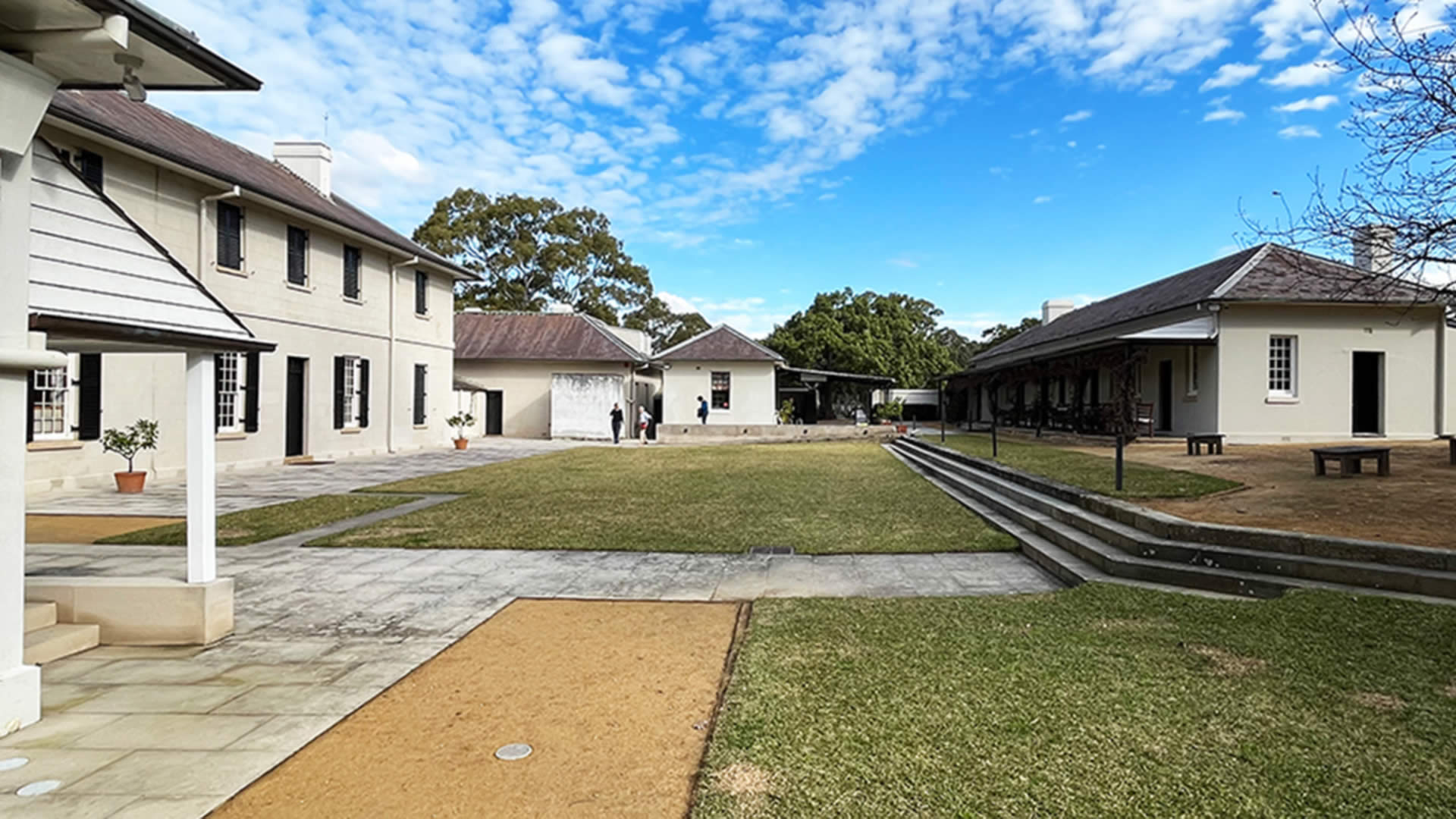
Later, the area became the Government Domain, and the remains of that period are still visible. Old Government House occupies the centre of the historic landscape, while the Dairy Precinct, Bath House and other surviving structures reveal the changing role of the site.
There is no need to turn the visit into a formal history lesson. Simply walking through the park makes the layers apparent.
Discover Old Government House
Inside Parramatta Park stands one of Australia's most important colonial buildings.
Old Government House was established in the early years of the colony and expanded during the administration of Governor Lachlan Macquarie. Its position on elevated ground reflects the importance of the Parramatta settlement to the early colony.
Today, the house provides a very different experience from the surrounding city. Rooms, verandahs and grounds create a sense of physical distance from modern Parramatta, even though towers and apartment buildings are visible beyond the trees.
The surrounding World Heritage-listed landscape is arguably as important as the building itself. The relationship between the house, its gardens and the former Government Domain provides a glimpse of how early colonial power was physically organised.
For visitors interested in the city's history, this is one of the essential things to do in Parramatta.
Explore The River Foreshore
The Parramatta River is another way to understand the city.
From the CBD, paths follow the water through a mixture of parks, historic structures, public art and modern development. The river is not always spectacular in the conventional sense. At times it is narrow and tidal, edged by mangroves and infrastructure.
That is precisely what makes the walk interesting.
The river explains Parramatta's existence. Long before the present city emerged, the waterway was a source of food, transport and connection. Today it provides a different kind of connection, joining neighbourhoods and public spaces while offering a place to walk away from the density of the centre.
Recent improvements around Lennox Bridge have strengthened the pedestrian connection along the river, including a new portal beneath the historic bridge that links the city more directly with the foreshore.
For a short outing, walk from the CBD towards the river and continue along the foreshore. For a longer day, the Parramatta River network provides opportunities to keep going well beyond the centre.
Take The Ferry From Parramatta
One of the best things to do in Parramatta is also one of the simplest: arrive or leave by water.
Parramatta Wharf is the western end of the F3 Parramatta River ferry route, linking the city with destinations including Rydalmere and Circular Quay.
The journey changes the perspective. From the river, Parramatta's newer towers sit alongside older industrial and residential landscapes, and the city gradually gives way to a sequence of suburbs and riverfront spaces.
It is particularly worthwhile for visitors who have arrived by train. Rather than simply retracing the same route home, the ferry turns the return journey into part of the day.
Services can be affected by tides between Parramatta and Rydalmere, so checking the current transport information before setting out is sensible.
Find Quiet At Lake Parramatta
A few kilometres north of the CBD, Lake Parramatta feels like a different city altogether.
The 73-hectare reserve contains one of Western Sydney's more unexpected bushland landscapes. The lake is surrounded by walking tracks, native vegetation, picnic areas and wildlife habitat, with the old masonry dam providing an important link to Parramatta's nineteenth-century history.
The lake circuit covers approximately 4.2 kilometres and takes around two hours at a leisurely pace. The track passes through changing vegetation and beside the water, making it a good option when the city itself feels too busy.
There is also a large playground, picnic facilities, BBQs, a cafe and facilities for watercraft.
Swimming is available only in the designated swimming area when lifeguards are supervising it. From 24 October 2026, lifeguards return on weekends from 11am to 7pm, increasing to seven days a week from 5 December.
Lake Parramatta is one of the best things to do in Parramatta when the intention is not to see another building, but to spend several hours outdoors.
Spend Time At PHIVE
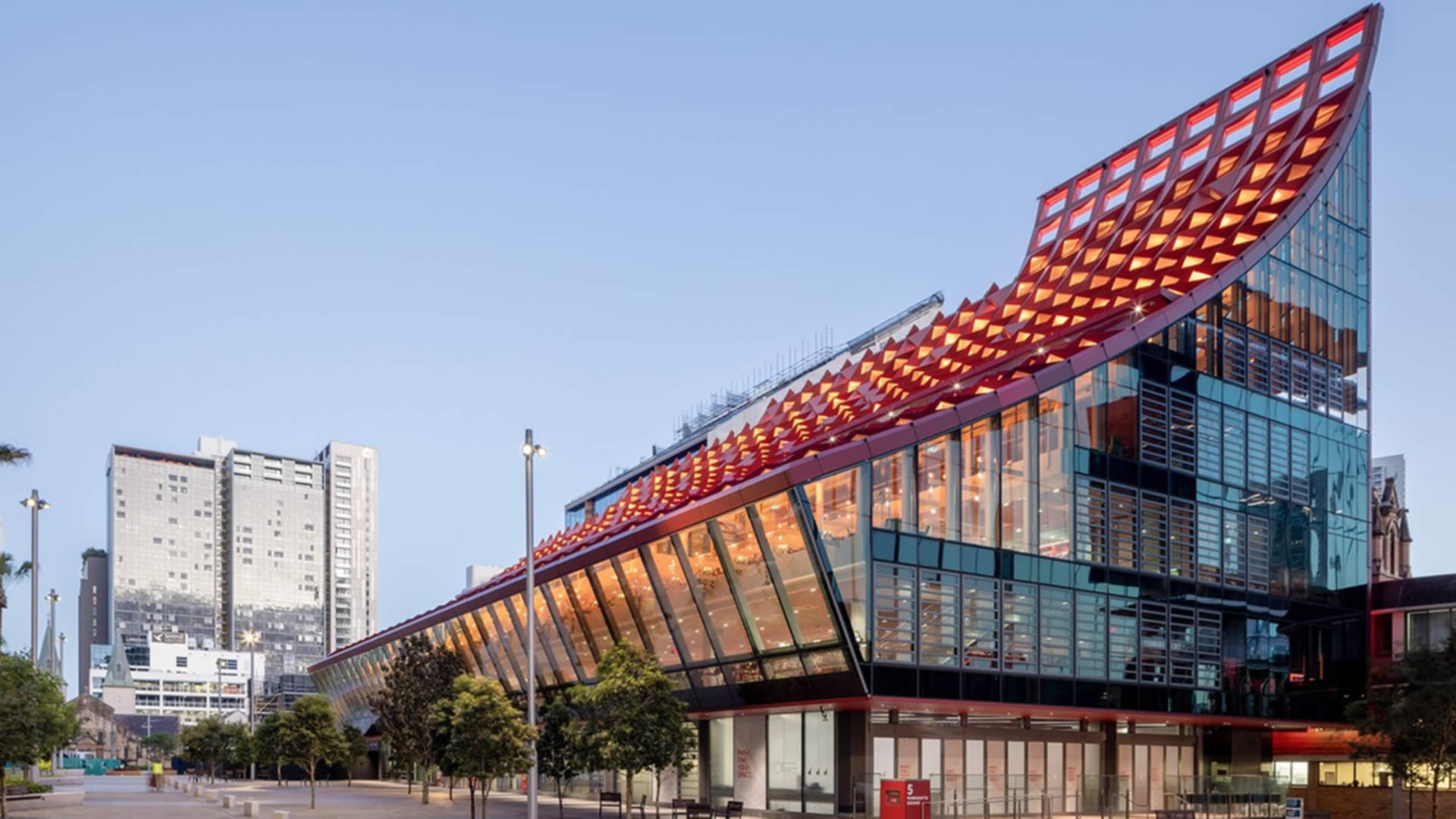
Parramatta's contemporary identity is most visible at PHIVE, the civic and cultural building at Parramatta Square.
The building is more than a library. Its public spaces contain artworks, community areas, cultural programming and a large library spread across the upper levels.
It is a useful place to pause during a day in the city, particularly for families or visitors travelling with children. There are places to sit, browse, read and escape the heat, while the surrounding Parramatta Square provides a direct contrast with the historic landscapes elsewhere in the city.
PHIVE is open Monday to Thursday from 9am to 8pm and Friday to Sunday from 9am to 5pm.
The building is also a reminder that Parramatta's story is not frozen in its colonial past. The city is changing quickly, and places such as PHIVE are part of the emerging civic centre.
Look Beyond The CBD's Heritage Sites
Parramatta's history extends well beyond Old Government House.
Elizabeth Farm, in nearby Rosehill, provides another perspective on the early colony. Established for John and Elizabeth Macarthur, the property became associated with agricultural experimentation and the development of Australia's wool industry.
The setting is quieter than central Parramatta, with the historic house and gardens providing a sense of the scale and ambition of early farming estates.
Elsewhere, the Parramatta Female Factory Precinct carries a much more difficult history. The site was associated with the confinement and management of convict women and later institutional systems. It is an important place for understanding the experiences of women whose lives are often less visible in conventional accounts of colonial Parramatta.
Together, these places complicate the city's history. Parramatta was not simply a picturesque early settlement. It was a centre of government, agriculture, industry, incarceration and migration, and its surviving sites reveal those different histories.
Follow A Different Kind Of Walking Route
Walking is one of the best ways to experience Parramatta because many of its significant places sit within a relatively compact area.
The Governor Phillip Walk, for example, follows the river through Parramatta Park and into the city, eventually reaching the ferry terminal. The route is around 3.8 kilometres and takes roughly two hours return, depending on pace and stops.
What makes a walk like this worthwhile is the transition.
A path can begin beneath mature trees, pass old government buildings and colonial remnants, emerge beside modern apartment towers and eventually arrive at the river. The contrast is characteristic of Parramatta.
The city does not hide its different eras from one another. They sit side by side.
See Parramatta From The Water's Edge
There is another reason to spend time beside the river: the city is currently reshaping its relationship with the water.
New and upgraded walking and cycling links are being developed as part of the wider Parramatta River transformation. The long-term vision is to connect the riverfront more effectively with Parramatta Park and, eventually, Sydney Harbour.
Some of these projects remain works in progress, but the direction is already visible around the CBD. New paths, bridges, seating areas and landscaped sections make the river easier to approach on foot.
The effect is subtle. Instead of treating the river as something to pass over on a bridge, Parramatta increasingly invites people to spend time beside it.
Plan A Day Beyond Eat Street
The best things to do in Parramatta work particularly well when combined rather than treated as isolated attractions.
A morning can begin at Parramatta Park, continuing towards Old Government House before following the river back towards the CBD. PHIVE makes a natural midday stopping point, while the afternoon can be spent walking the foreshore or taking the ferry.
Alternatively, Lake Parramatta can occupy most of a morning or afternoon, with the city centre explored separately.
The advantage is that there is no single correct way to experience Parramatta. The city accommodates short visits, long walks, heritage excursions, family outings and slow afternoons equally well.
Visiting Information
When: Parramatta's parks, riverfront and public spaces can be visited throughout the year. Individual heritage sites, attractions and facilities have their own opening hours.
Parramatta Park: Pitt and Macquarie Streets, Parramatta NSW 2150.
Lake Parramatta Reserve: 28 Bourke Street, North Parramatta NSW 2151. Reserve gates generally open from 6.30am and close at 5.30pm, extending to 7.30pm during daylight saving. Swimming is seasonal and restricted to the supervised swimming area.
PHIVE: 5 Parramatta Square, Parramatta NSW 2150. Open Monday to Thursday, 9am to 8pm, and Friday to Sunday, 9am to 5pm.
Parramatta Wharf: Parramatta River, Parramatta NSW 2150. F3 ferry services operate towards Circular Quay and Rydalmere, with services subject to tides and operational changes.
Official information: City of Parramatta, Parramatta Park, Lake Parramatta, PHIVE and Transport for NSW provide current information on access, opening hours, facilities and transport.
Parramatta is often introduced through its restaurants, and there is nothing wrong with beginning there. But the city becomes more interesting once the plates are cleared and the streets begin to open out.
A few minutes from Church Street, the river is still moving with the tide. Beyond it, old trees shade paths that have carried generations of walkers. In the distance, new towers rise above the park.
This is Parramatta's real character: not one period or one attraction, but several versions of the city occupying the same landscape.
The best things to do in Parramatta are often the ones that make that layering visible.