
The Wallflowers bring Bringing Down The Horse and Tom Petty's Long After Dark to Sydney this December for their first Australian tour.
There is something fitting about The Wallflowers arriving in Sydney at the end of the year.
By December, the city has begun to loosen its grip on routine. Evenings stretch longer, the air carries the promise of summer, and the streets around Moore Park begin to fill with people heading towards another night of live music. Inside Liberty Hall, that familiar Sydney rhythm will meet a very different landscape: the wide-open musical geography of American roots rock, filtered through three decades of memory.
On Sunday 6 December, The Wallflowers will play their first Australian show in Sydney, bringing with them an album that has travelled remarkably well across time. Bringing Down The Horse, released in 1996, arrives at its 30th anniversary with its songs intact, but with the cultural distance of a generation behind them.
Led by Jakob Dylan, the band will perform the album in full at Liberty Hall, alongside another record that sits deep within the musical history of the Dylan family: Tom Petty & The Heartbreakers' Long After Dark. That album, released in 1982, will also be played from beginning to end.
It is an unusual pairing, but one that makes sense when considered through the musical lineage rather than the calendar. One record belongs to the early 1980s, the other to the mid-1990s, yet both occupy a similar territory of guitars, roads, restless characters and American songwriting.
For Sydney audiences, it will also be an introduction long overdue.
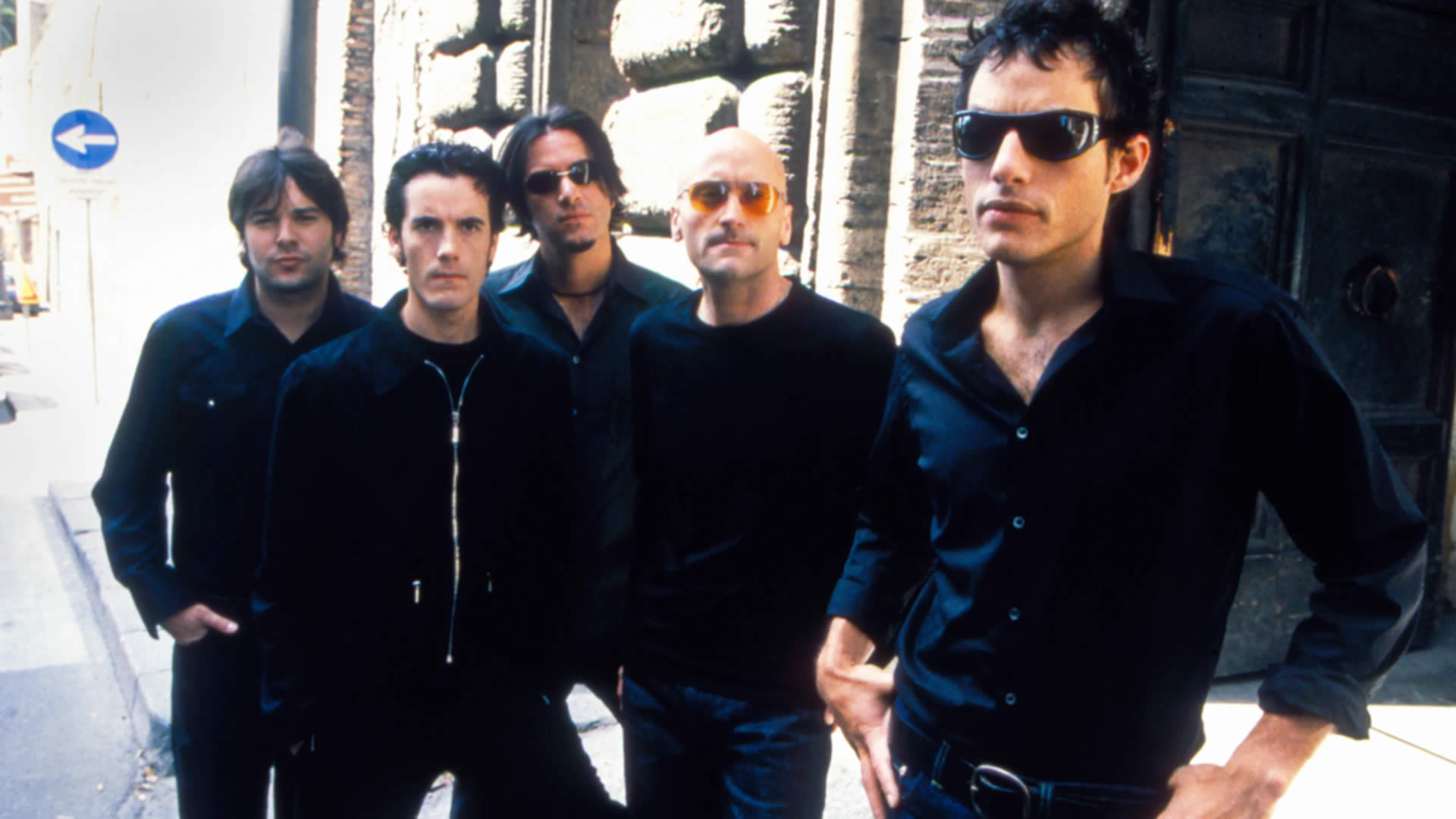
The Wallflowers Finally Reach Australia
The Wallflowers formed in Los Angeles in 1989, but Australia has remained outside the band's touring history until now. Nearly four decades after their beginnings, their 2026 Australian tour will visit Melbourne, Thirroul, Sydney, Brisbane and Adelaide.
The timing gives the tour an additional layer. This is not simply a band returning to an old record. It is a band bringing that record to a country where it was never performed in its original era.
For listeners who discovered Bringing Down The Horse in the 1990s, there is likely to be something slightly strange about hearing the songs here at last. Music that once arrived through CDs, radio, music television and late-night listening will instead occupy a physical room in Sydney.
That shift matters.
The Wallflowers' music was never entirely about spectacle. Its appeal came from a sense of movement and place, from songs that seemed to exist somewhere between a roadside bar and a long drive with the windows down. Jakob Dylan's voice carried a weathered quality even when the songs were new, giving the band's work an older character than its release dates suggested.
Three decades later, that quality may be even more apparent.
Bringing Down The Horse Comes Back In Full
When Bringing Down The Horse arrived in 1996, American roots music was finding new space in the mainstream.
Alternative rock was still dominant, but artists such as Wilco, Steve Earle, Gillian Welch and others were helping broaden the idea of what contemporary American music could sound like. Against that backdrop, The Wallflowers offered something familiar without sounding entirely nostalgic.
The album produced four major singles: One Headlight, 6th Avenue Heartache, The Difference and Three Marlenas. One Headlight became the defining song, eventually reaching the top of Billboard's adult alternative chart and winning two Grammy Awards, including Best Rock Song. The Wallflowers also won Best Rock Performance by a Duo or Group for One Headlight.
Yet the significance of Bringing Down The Horse is not limited to its singles.
Played in sequence, the album becomes a portrait of its time. The songs move through loneliness, escape, uncertainty and the complicated business of trying to make sense of a changing world. There is a particular kind of American distance in the record, the feeling of towns glimpsed through a windscreen and lives that are always slightly in transit.
That quality is likely to become more apparent when the entire album is heard together.
Rather than extracting the familiar songs and surrounding them with newer material, The Wallflowers will allow the record to unfold as an album, restoring the shape that listeners first encountered in 1996.
The Wallflowers And The Sound Of Tom Petty
The second half of the evening reaches further back.
Long After Dark, released by Tom Petty & The Heartbreakers in 1982, sits at an important point in the band's development. It followed Damn the Torpedoes and Hard Promises, records that had established Petty as one of America's great rock songwriters, and continued the band's fascination with concise arrangements, chiming guitars and songs that could feel both intimate and expansive.
For Jakob Dylan, the connection is personal as well as musical.
Tom Petty was a formative influence, and Dylan later inducted Petty into the Rock and Roll Hall of Fame in 2002. Bringing Long After Dark to Australia therefore creates a kind of musical conversation between generations.
It also gives the Sydney performance a broader sense of history.
The Wallflowers are not simply revisiting their own past. They are stepping into a tradition that stretches from the early American rock and roots recordings that influenced them through to the music they helped carry into the 1990s.
There is something appealingly old-fashioned about playing two albums in their entirety. In an era when live sets can be shaped around individual songs and streaming playlists have made sequencing almost invisible, an album played from beginning to end asks the audience to listen differently.
The journey becomes the point.
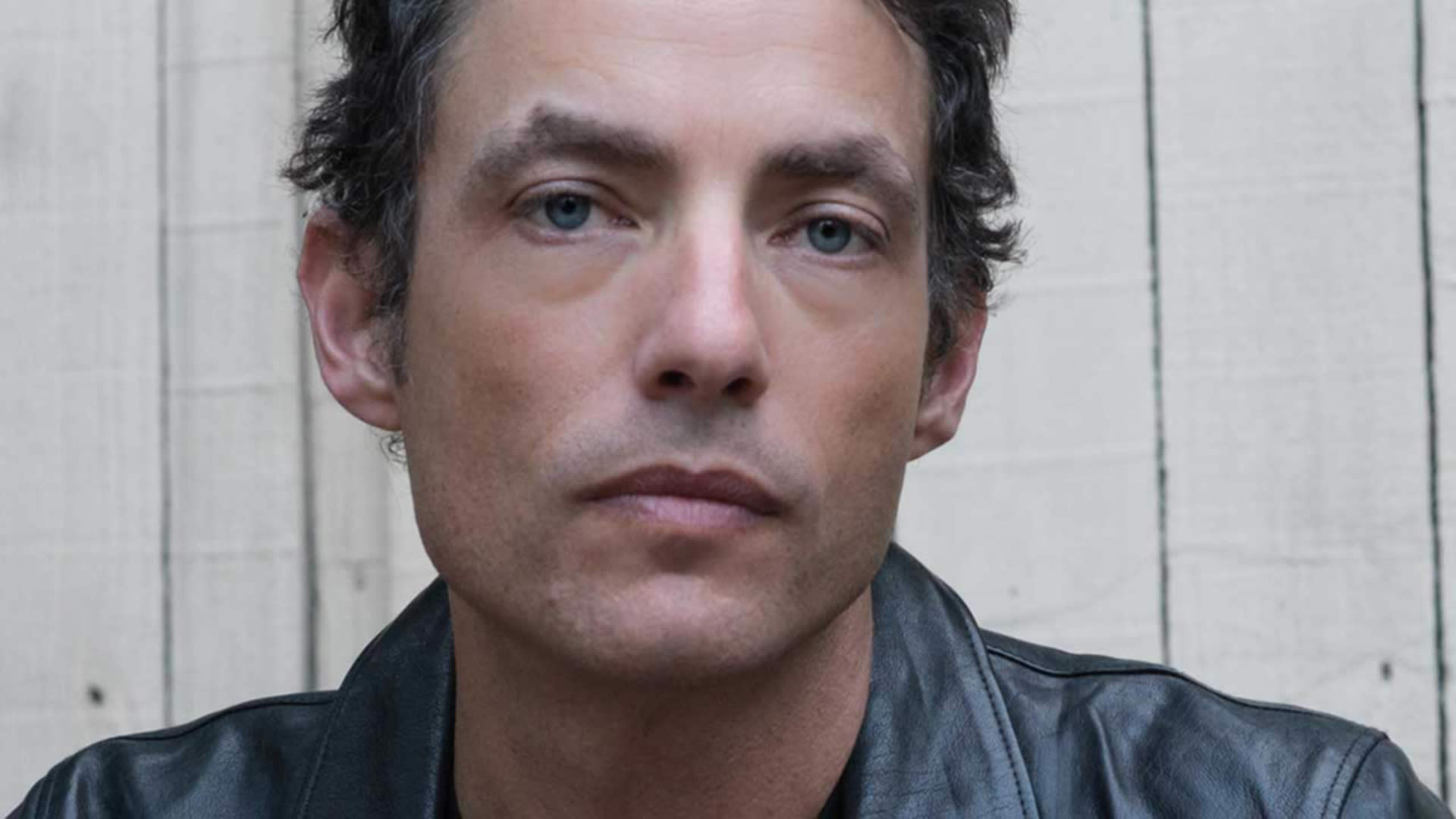
A Sydney Night At Liberty Hall
Liberty Hall sits within the Entertainment Quarter at Moore Park, a short distance from the city but removed from its denser streets. On a summer evening, the surrounding precinct has a different tempo to the CBD. Crowds move towards restaurants, sporting venues and theatres, while the light fades over the parklands.
The Wallflowers will take the stage here on Sunday 6 December.
Doors are scheduled for 7pm, with the performance beginning at 7:30pm. The event is an 18-plus show, and Liberty Hall is primarily a standing venue, giving the evening a more immediate atmosphere than a traditional seated theatre.
That setting suits the music.
There is a physicality to standing through an entire album, particularly one built around guitars and a steady rhythm section. The room becomes less like an auditorium and more like a shared space, with the audience gathered close to the stage and the songs moving through the crowd rather than being observed from a distance.
Liberty Hall's location also makes the evening easy to fold into a broader Sydney night. Moore Park is close enough to the city for dinner beforehand, while the surrounding streets take on a quieter character once the sporting crowds have dispersed.
For visitors, it is a chance to experience live music in a part of Sydney that sits between the city centre and the eastern suburbs. For locals, it is another December night where the city becomes the backdrop to something that has taken a long time to arrive.
A Record That Has Travelled
Part of the appeal of Bringing Down The Horse now is the distance between its original moment and the present.
In 1996, its songs belonged to an era before smartphones, streaming services and social media. Albums still had physical weight. A listener might buy a CD, read the booklet, absorb the photographs and credits, and play the same record repeatedly because there was no algorithm waiting to offer the next song.
That way of listening shaped how albums such as Bringing Down The Horse became embedded in people's lives.
Thirty years later, the songs arrive in a world where music is more accessible but perhaps less geographically defined. The Wallflowers' Australian debut therefore becomes a small meeting point between those two eras.
There will be people in the room who remember buying the album when it was new. Others will know One Headlight without necessarily knowing the record from which it came. Younger listeners may encounter the band without the baggage of the 1990s at all.
The songs can simply exist in the room.
That is one of the quieter pleasures of anniversary tours when they are approached as musical events rather than exercises in nostalgia. The past is present, but it is not necessarily being reconstructed. Instead, old songs acquire new surroundings.
In Sydney, those surroundings will include a December evening, the lights of Moore Park and an audience hearing The Wallflowers live in Australia for the first time.
The Wallflowers Look Back By Moving Forward
The Australian tour has another significance for Love Police, the independent music company presenting the shows. The organisation will celebrate 30 years in 2027, making the decision to bring The Wallflowers to Australia part of a longer history of introducing international artists to local audiences.
There is a pleasing symmetry in that.
A band is celebrating an album that turns 30. A promoter is approaching three decades of its own. And an Australian audience is finally getting the chance to hear a group that has been part of American music culture since the late 1980s.
Three timelines meet in one room.
The Wallflowers' story has never been entirely separate from the larger story of American rock. Jakob Dylan's surname inevitably creates a connection to one of music's most recognisable families, but the band's longevity rests on something more durable than lineage. Their catalogue has survived because the songs have their own geography and emotional weather.
That is particularly evident in Bringing Down The Horse.
The record still sounds like movement. It carries the feeling of roads, departures and places that may not exist exactly as they did when the songs were written. Perhaps that is why it can travel so easily, even after three decades.
The Wallflowers In Sydney
For Sydney, the significance of the concert is simple.
On Sunday 6 December 2026, The Wallflowers will arrive at Liberty Hall for the Sydney leg of their first Australian tour. The band will perform Bringing Down The Horse in full, followed by Tom Petty & The Heartbreakers' Long After Dark, creating an evening built around two records from different chapters of American rock history.
The Sydney performance is scheduled for 7:30pm, with doors at 7pm. Liberty Hall is at Building 220, Errol Flynn Boulevard, Moore Park, NSW 2021. The event is 18-plus and primarily standing.
More information and tickets are available through Love Police's official The Wallflowers tour page and Liberty Hall.
By the time the final notes disappear into the room, the evening will have travelled a considerable distance. From Los Angeles in 1989 to a breakthrough record in 1996, from Tom Petty's Florida-bred American rock to a Sydney venue three decades later, the journey is measured not only in years but in the lives lived alongside these songs.
Outside, December will be waiting.
Sydney will still be warm. The night will still be moving. And somewhere beyond Moore Park, traffic will continue along Anzac Parade and the city will carry on with its usual business.
For a few hours, though, an American road will have opened inside Liberty Hall.