
At Sydney’s beloved Ensemble Theatre, nestled beside the shimmering harbour and renowned for its intimate in-the-round atmosphere, 84 Charing Cross Road arrives as a gentle, deeply human reminder of the enduring power of literature, friendship, and meaningful connection.
Adapted for the stage by James Roose-Evans from the celebrated memoir by Helene Hanff, this production under the direction of Mark Kilmurry is warm, elegant, and quietly affecting. As Kilmurry notes in his Director’s Note, the play is “a beautiful record of a relationship based on trust, care, and kindness.” This is a sentiment that resonates deeply throughout the entire production.
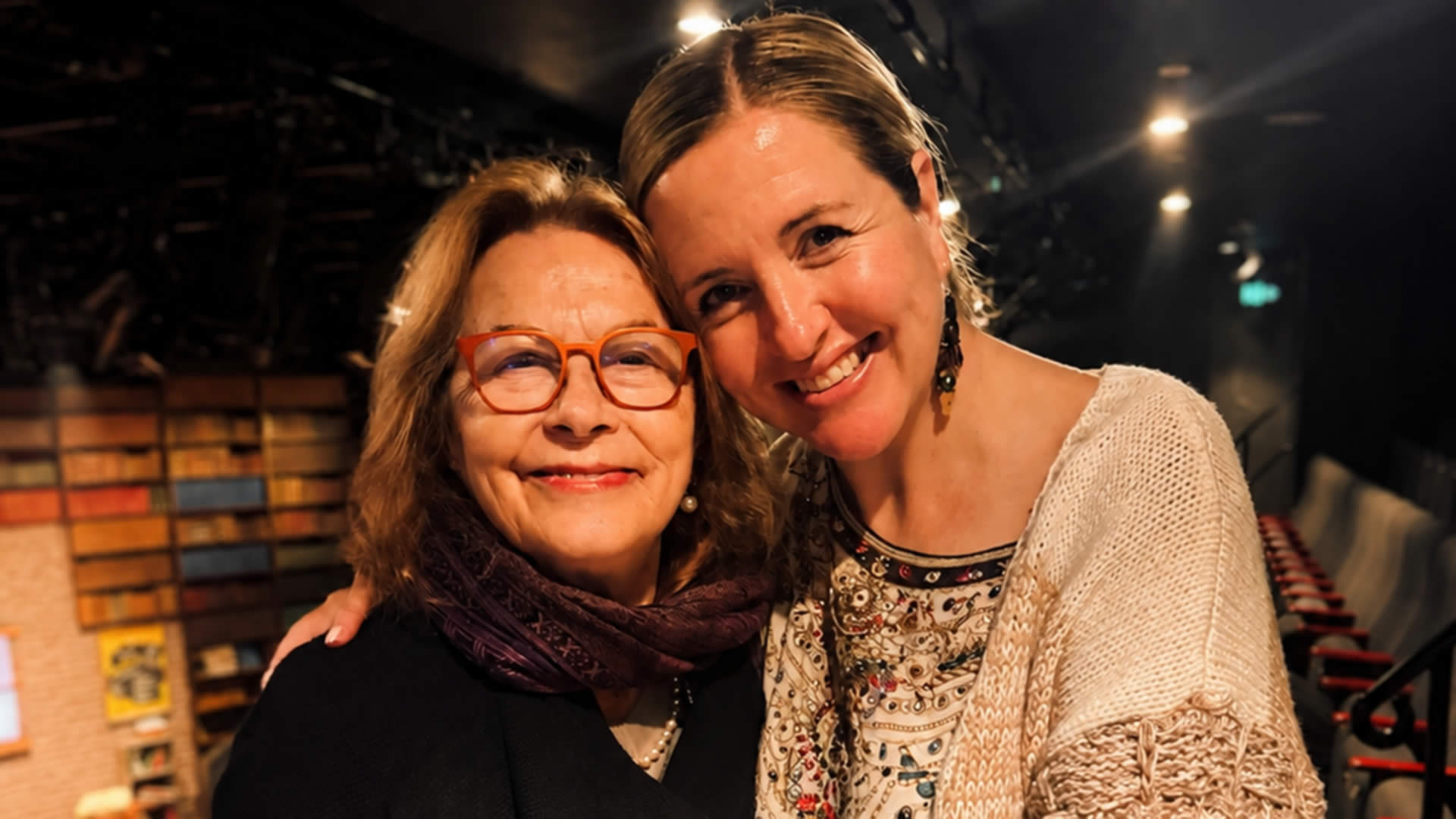
Attending on May 7th, opening night, the atmosphere was already electric well before the performance began. Audience members gathered overlooking the beautiful harbour views beside the theatre bar, creating a wonderfully relaxed and sophisticated tone for the evening. Those same sparkling water views during interval only added further charm to an already memorable theatrical experience. Playing to a completely sold-out house, the production concluded with a well deserved standing ovation from an audience clearly moved by both the story and its presentation.
In a world increasingly dominated by instant communication and fleeting interaction, 84 Charing Cross Road lovingly celebrates the almost-lost art of letter writing. Through decades of correspondence between witty New York writer Helene Hanff and reserved London bookseller Frank Doel, the play explores how words on paper can create profound emotional bonds across oceans, cultures, and time. From the opening moments until the final scene, the production remained fully engaging, gentle in tone, emotionally sincere, and consistently absorbing throughout.
Attending alongside my friend and colleague Annie Macarthur, director and founder of Epiphany Arts and Inner West Youth Theatre, added another layer of appreciation to the evening. Annie has extensive experience in drama and theatre, so at interval and again following the performance, I invited her to share her professional observations and insights. She particularly commended the actors for successfully sustaining emotional momentum and dramatic engagement despite the unique challenges of the play’s epistolary structure. For the duration of the production, the two central characters remain physically separated, with Helene in New York and Frank in London, connected only through letters and their shared love of books, words, and literature.
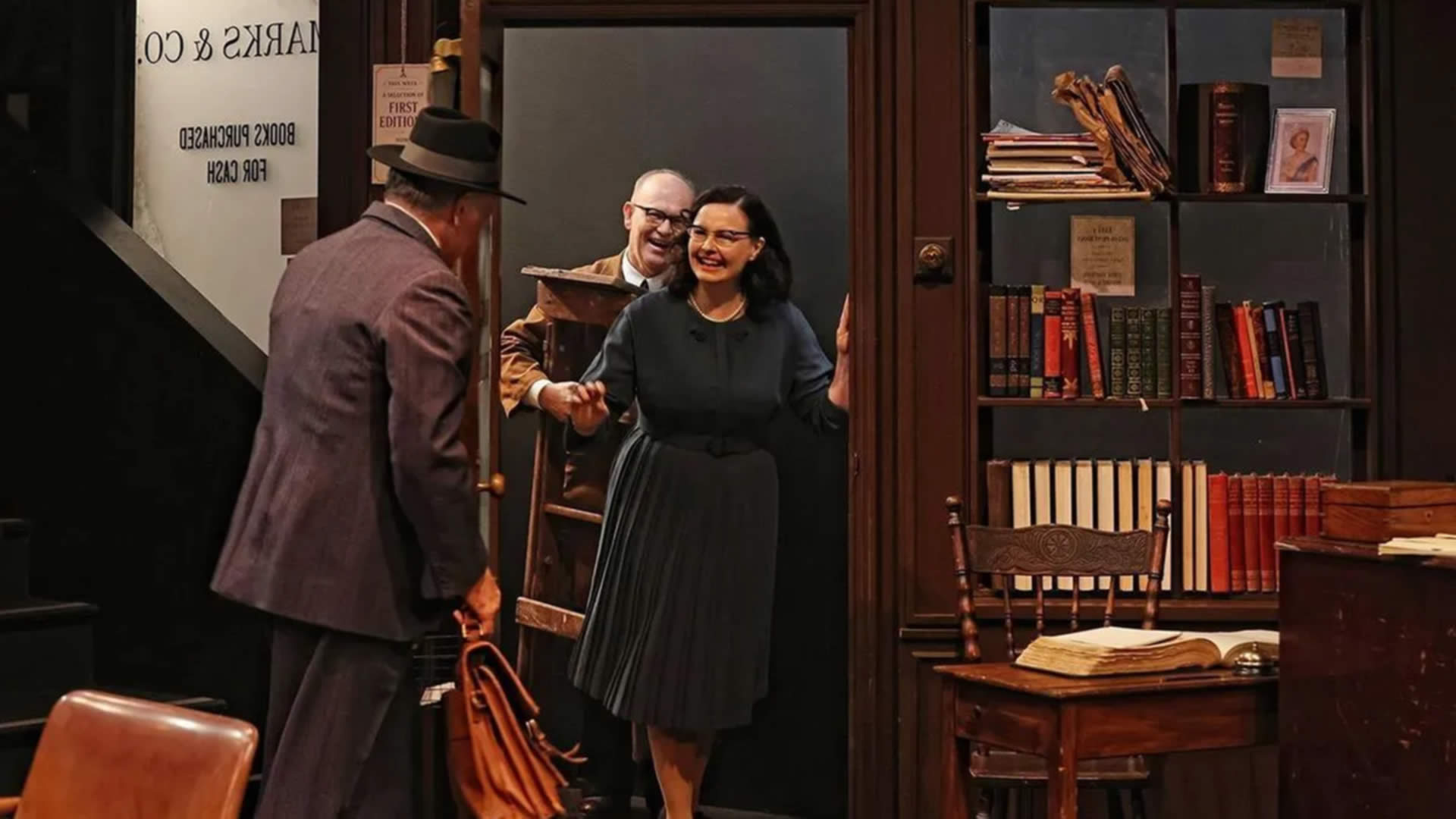
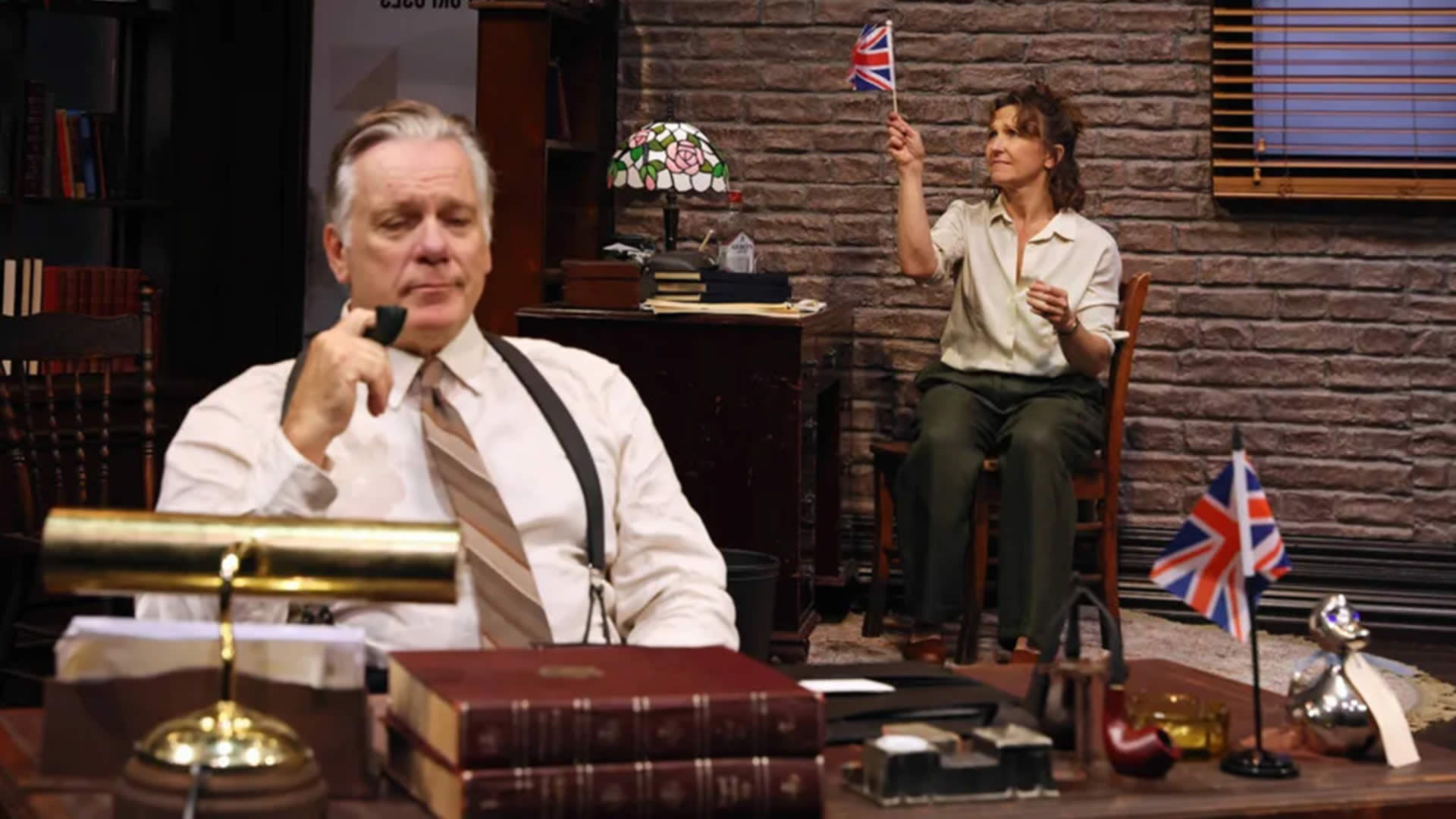
Without traditional face-to-face interaction or reactive dialogue, the performers were required to internally generate emotional connection through intention, vocal nuance, imagination, and sustained inner life. Annie also noted how effectively the staging reinforced this separation, with New York and London coexisting simultaneously onstage while the audience became almost participants within the correspondence itself.
At the centre of the production is Blazey Best as Helene Hanff, delivering a performance filled with intelligence, charm, humour, and emotional nuance. Best captures Hanff’s spirited wit beautifully while allowing vulnerability and tenderness to gradually emerge beneath the character’s sharp edges. Opposite her, Erik Thomson brings understated grace, warmth, and a deeply polite masculinity to the gentlemanly Frank Doel, creating an endearing presence that quietly anchors the production throughout. Their chemistry is never overtly romantic, yet deeply moving, and a portrait of affection built on intellectual companionship and mutual care.
The supporting cast contributes strongly throughout. Katie Fitchett, Angela Mahlatjie, and Brian Meegan each provide texture, humour, and humanity across multiple roles, helping create the broader social world surrounding the correspondence. The ensemble work is polished and cohesive, with every performer maintaining clarity, precision, and authenticity.
One of the production’s greatest strengths is its exceptional vocal delivery. As both a vocalist and voice coach, it was genuinely refreshing to witness such consistently outstanding voice work across the entire cast. In contemporary theatre, it is increasingly rare to attend a production where every line is fully audible and articulated with this level of excellence. Resonance, diction, accent work, vocal control, pacing, and projection were all of an exceptionally high standard. Not a single line was lost throughout the evening. The performers demonstrated complete command of the space while maintaining subtlety and emotional truth within the dialogue. The impeccable vocal projection and clarity, from all actors, became one of the production’s true highlights and reflected both the skill of the cast and the precision of the direction. Brilliant!
Visually, the production is equally refined. Set and costume designer Nick Fry creates a tasteful, period-sensitive world enhanced by elegant British trench coats, hats, dresses, and post-war styling that immediately situate the audience within the era. Matt Cox provides subtle and effective lighting design that supports mood and transitions without ever overwhelming the intimacy of the storytelling. The original compositions and sound design by Madeleine Picard are understated and complementary, while movement direction by Julia Robertson ensures fluidity and natural pacing throughout. Dialect coach Linda Nicholls-Gidley also deserves acknowledgement for the production’s seamless and convincing vocal authenticity. Stage management from Lauren Tulloh and assistant stage manager Bella Wellstead contributes to the evening’s polished execution, while costume supervisor Judy Tanner helps maintain the production’s elegant period detail, reminiscent of a slower, well mannered, and more deliberate era. A highly enjoyable and thoughtful production that was both sophisticated and nostalgic.
In a contemporary arts culture that can often rely heavily on shock, confrontation, offensive material, or sensationalism to maintain audience attention, 84 Charing Cross Road was refreshingly grounded in sincerity, warmth, intelligence, and genuine human connection. The production never relied on dramatic excess or provocation to hold its audience. Instead, its enduring themes of kindness, literature, curiosity, friendship, loyalty, and emotional care unfolded with quiet confidence and authenticity. That restraint ultimately became one of the evening’s greatest strengths, and a deeply welcome one.
Catching up with my dear friend, legendary Australian casting director Faith Martin, who was seated in the front row on opening night, was a personal highlight for me, and her presence reflected the strong industry interest surrounding the production.
At a time when meaningful communication often feels increasingly rare, 84 Charing Cross Road reminds us that carefully chosen words, written with sincerity and received with care, still possess extraordinary power.
84 Charing Cross Road plays at Ensemble Theatre until June 13.
Reviewed by: Simone Waddell