
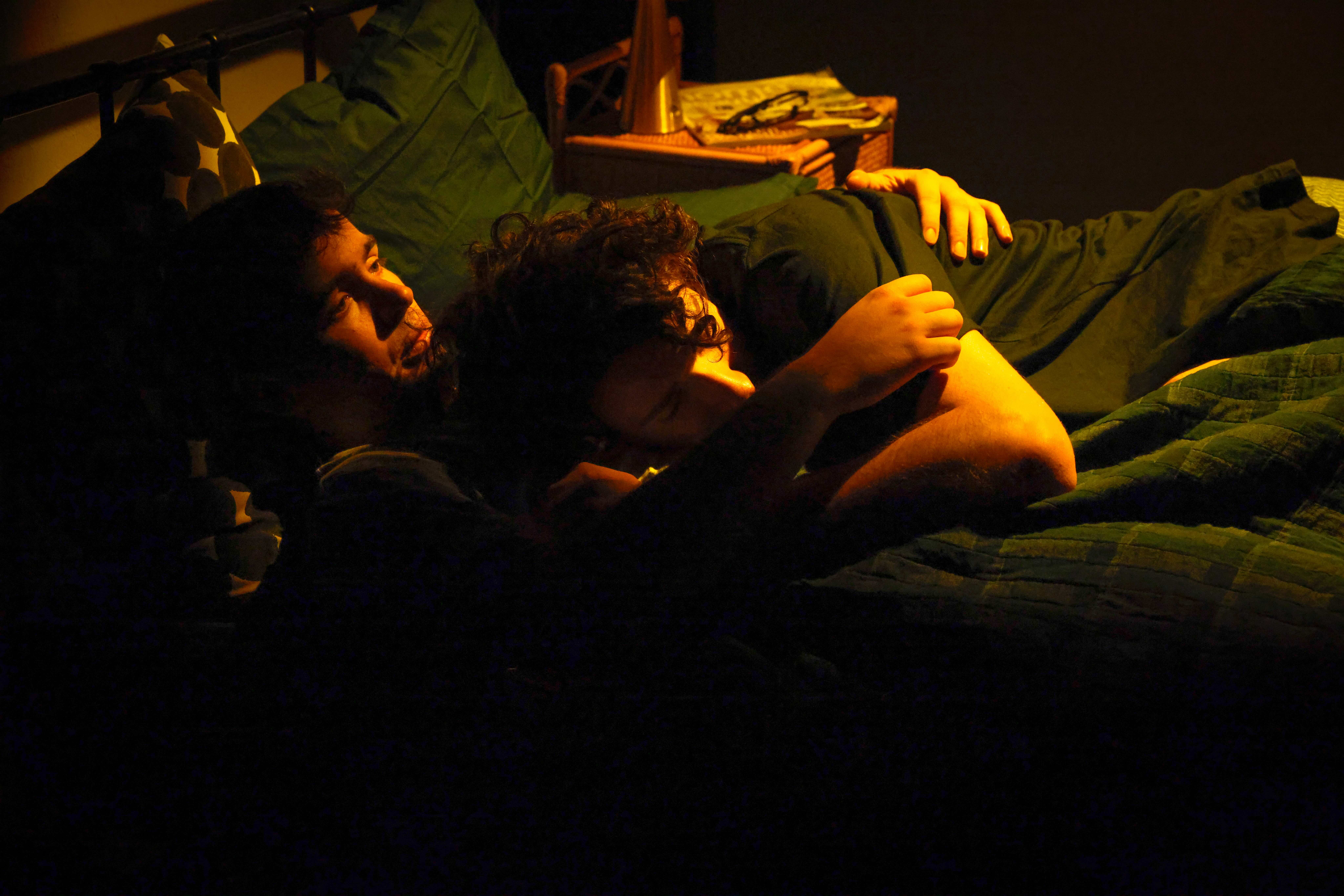
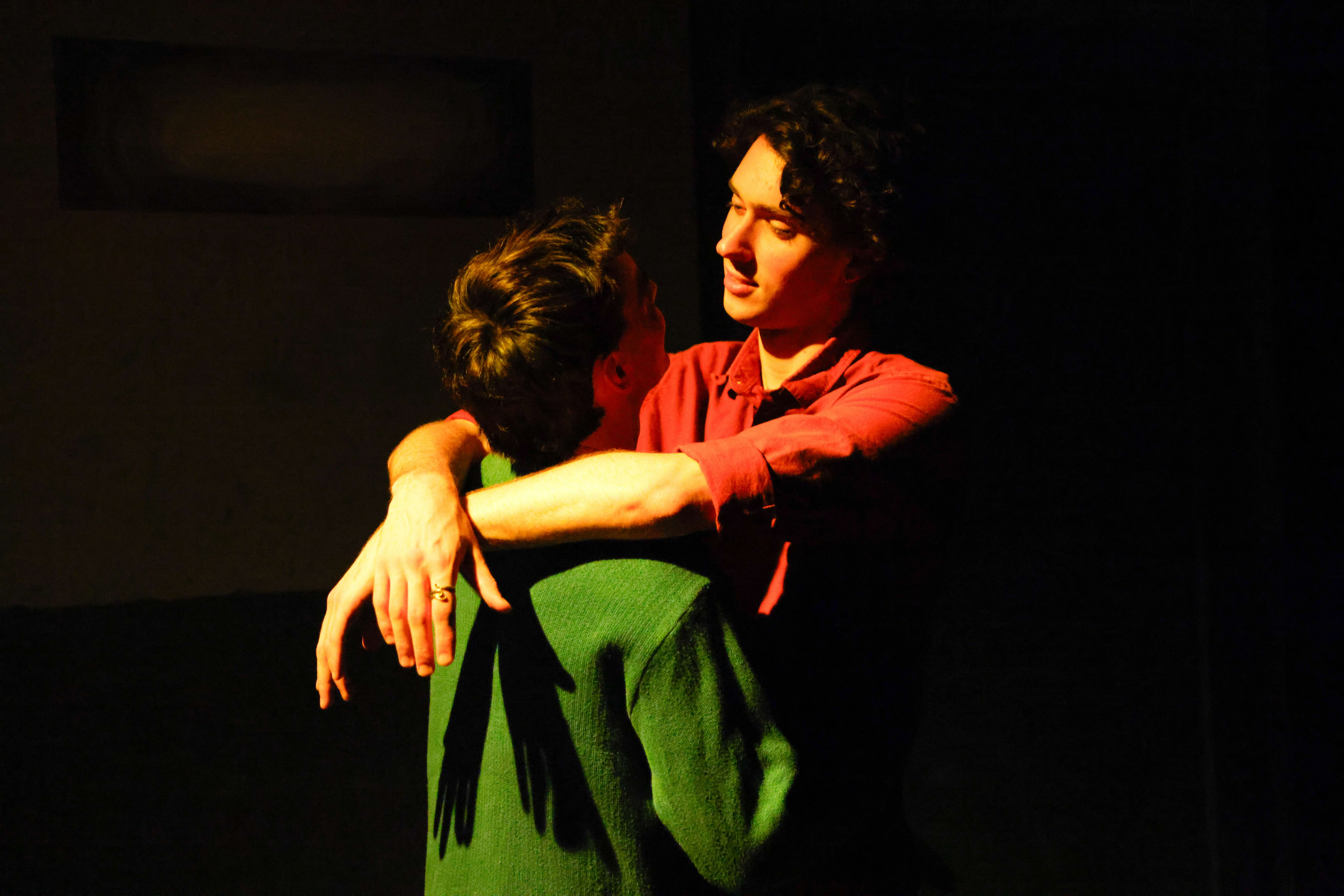
Written in 1992 and first produced in early 1993, Jonathan Harvey’s Beautiful Thing was a decidedly subversive play despite its up-beat, feel-good energy. While debate raged in the British House of Lords regarding the age of consent for homosexuals, which was 21, though 16 for heterosexuals, and the AIDS crisis continued to carve a swathe of destruction in the gay community, this play about two teenage, working-class boys living on a council estate in South East London, was was always going to controversial and challenge stereotypes. English society was still very class conscious, and depictions of gay identity usually skewed towards Edwardian upper middle-class types punting on the Cam (Brideshead Revisited, Maurice), where the working class barely featured, and if they did, they were dead by the final act (The Line of Beauty). Gays were obliged to suffer. It was into this world-view that Harvey’s play dropped and was immediately embraced for its refreshing spirit of positivity.
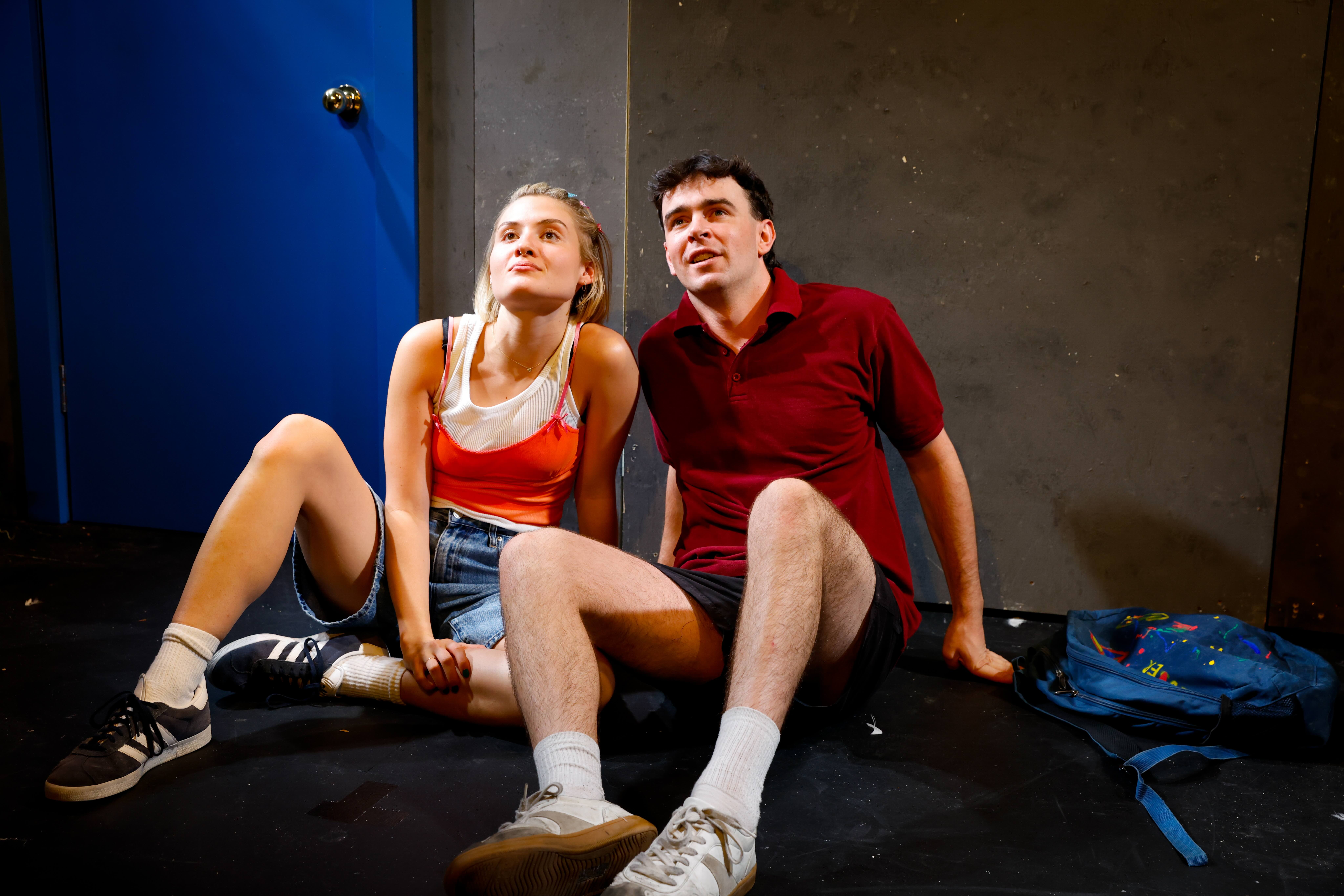
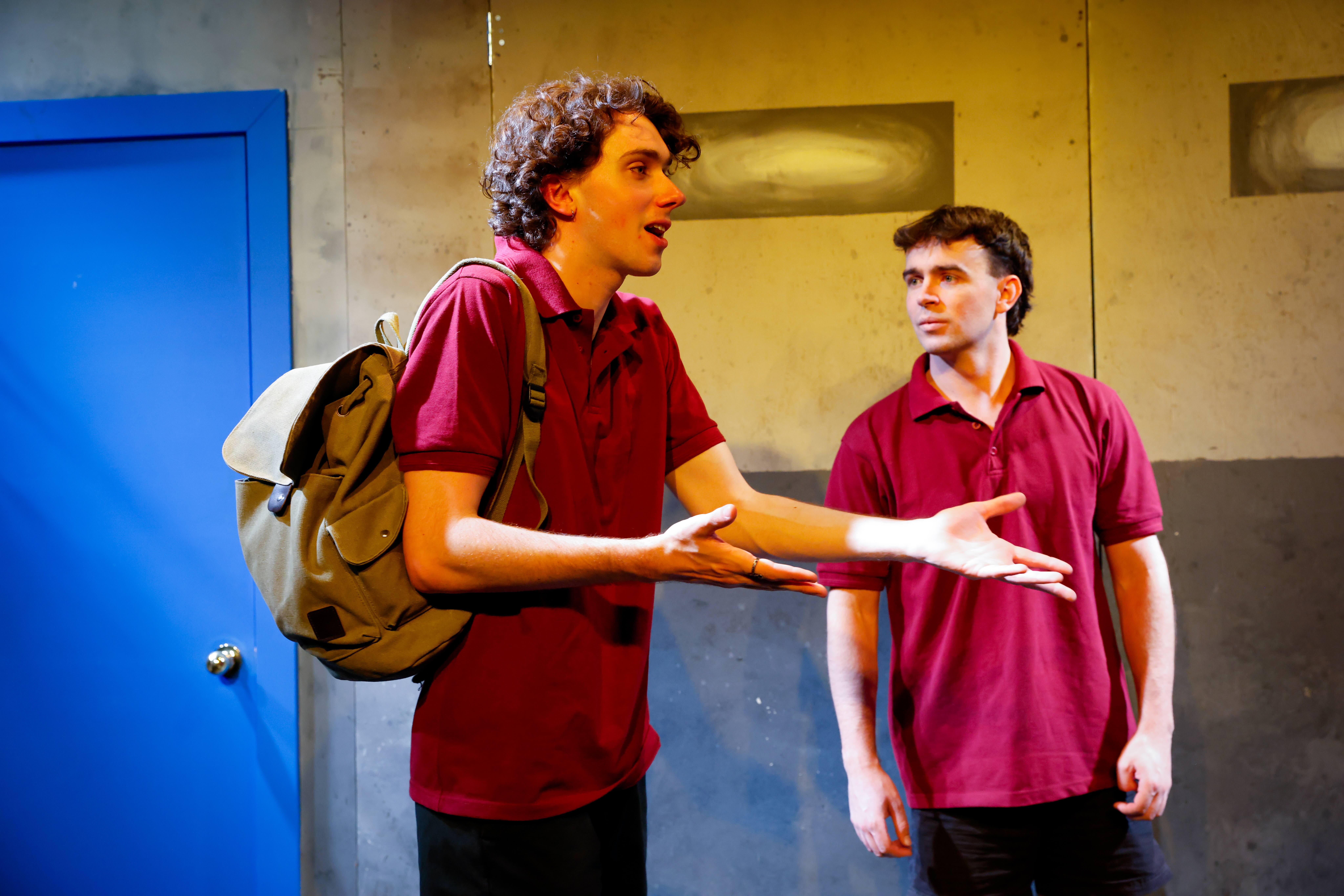
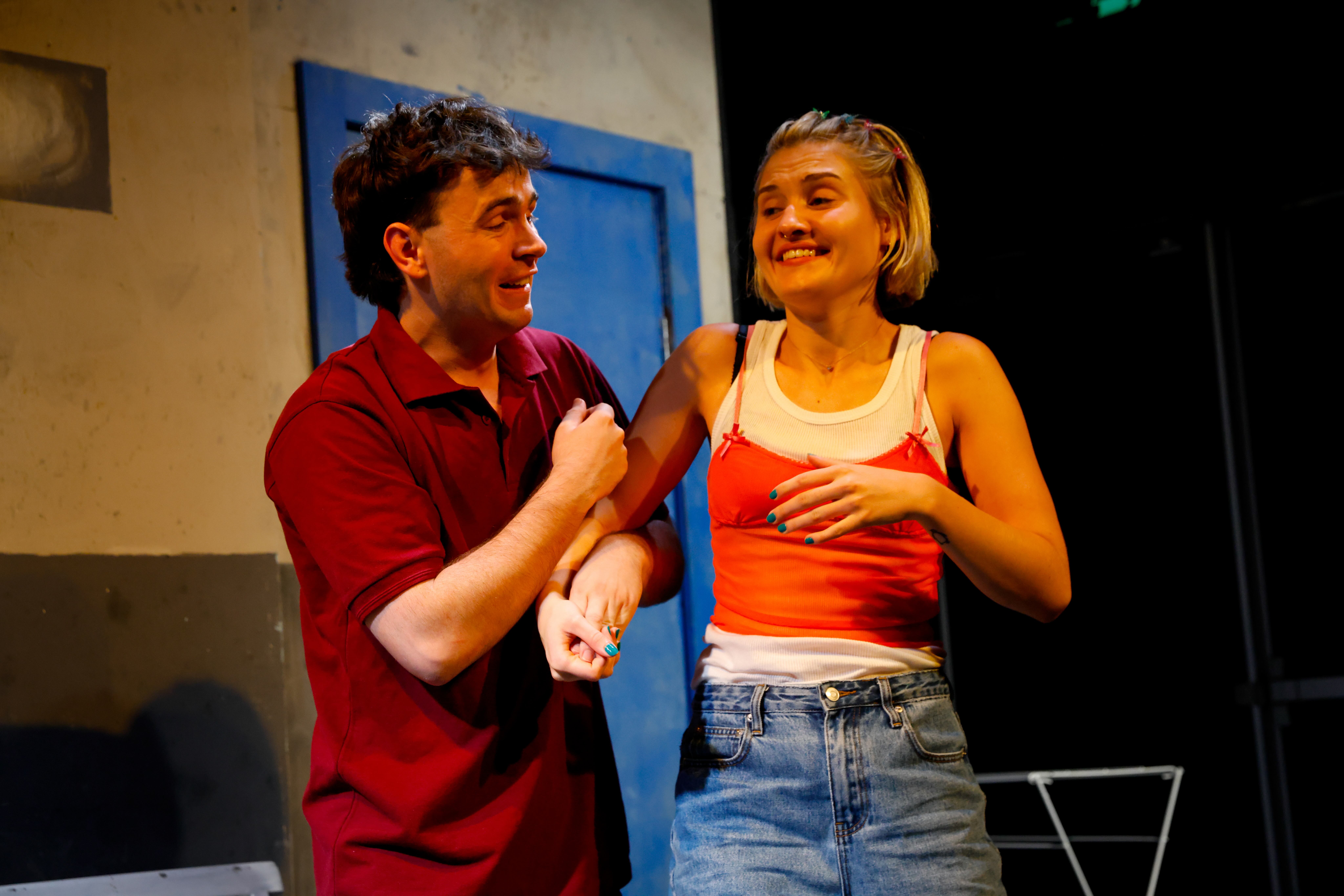
Too often, when telling these types of stories, writers and directors have tended to resort to cliches and stereotypical characters, but with Beautiful Thing, writer Harvey and director Finn Stannard, have managed to avoid sentimentality, melodrama, and cliches, by presenting fully realised, fleshed out, authentic characters. While the central focus is on the burgeoning love developing between the two teenagers - Jamie & Ste (short for Steven), Jamie’s mother Sandra, her boyfriend Tony, and their neighbour - Mama Cass obsessed teenage delinquent Leah, all ring true, and despite their human failings are rendered with love and a profound understanding.

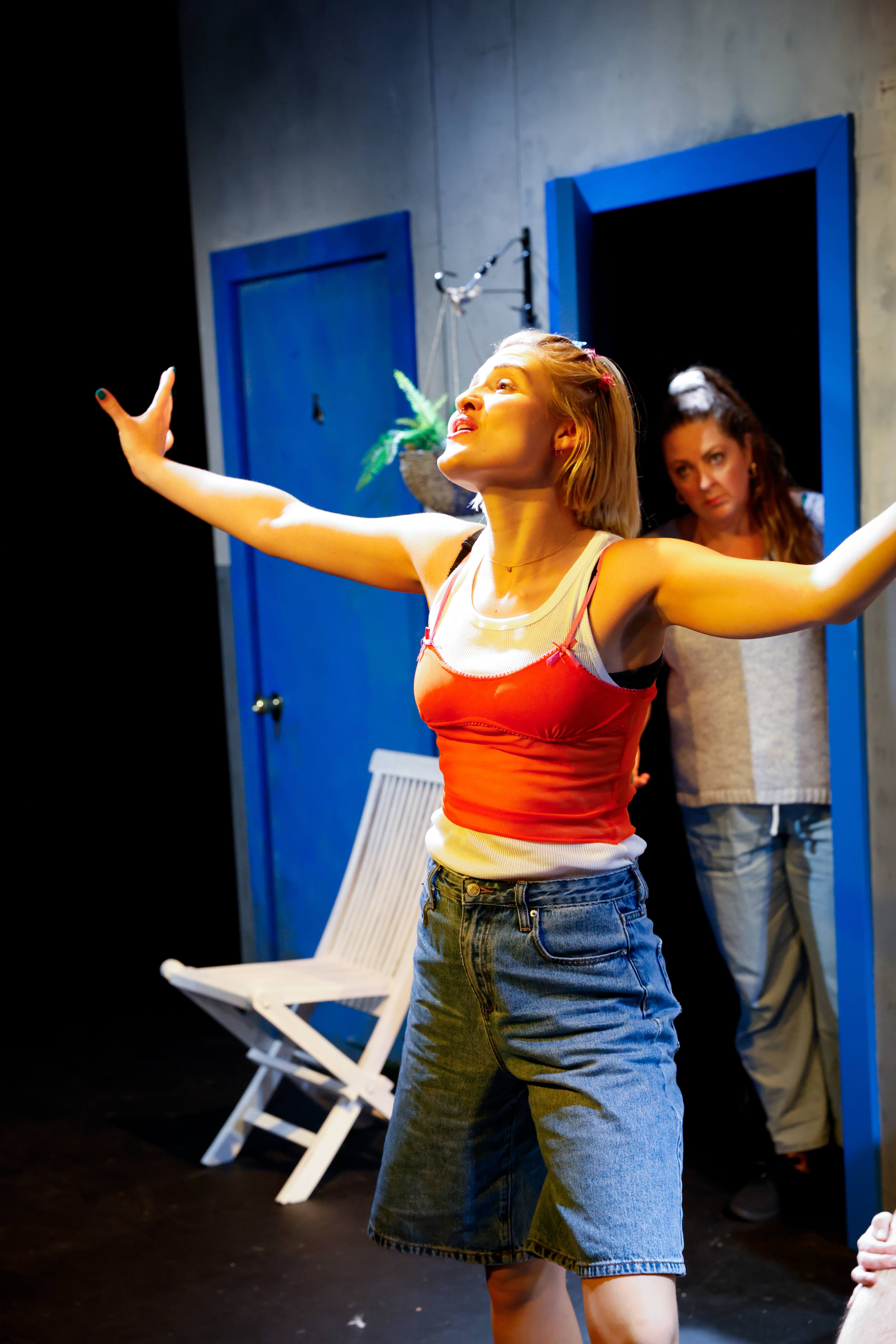
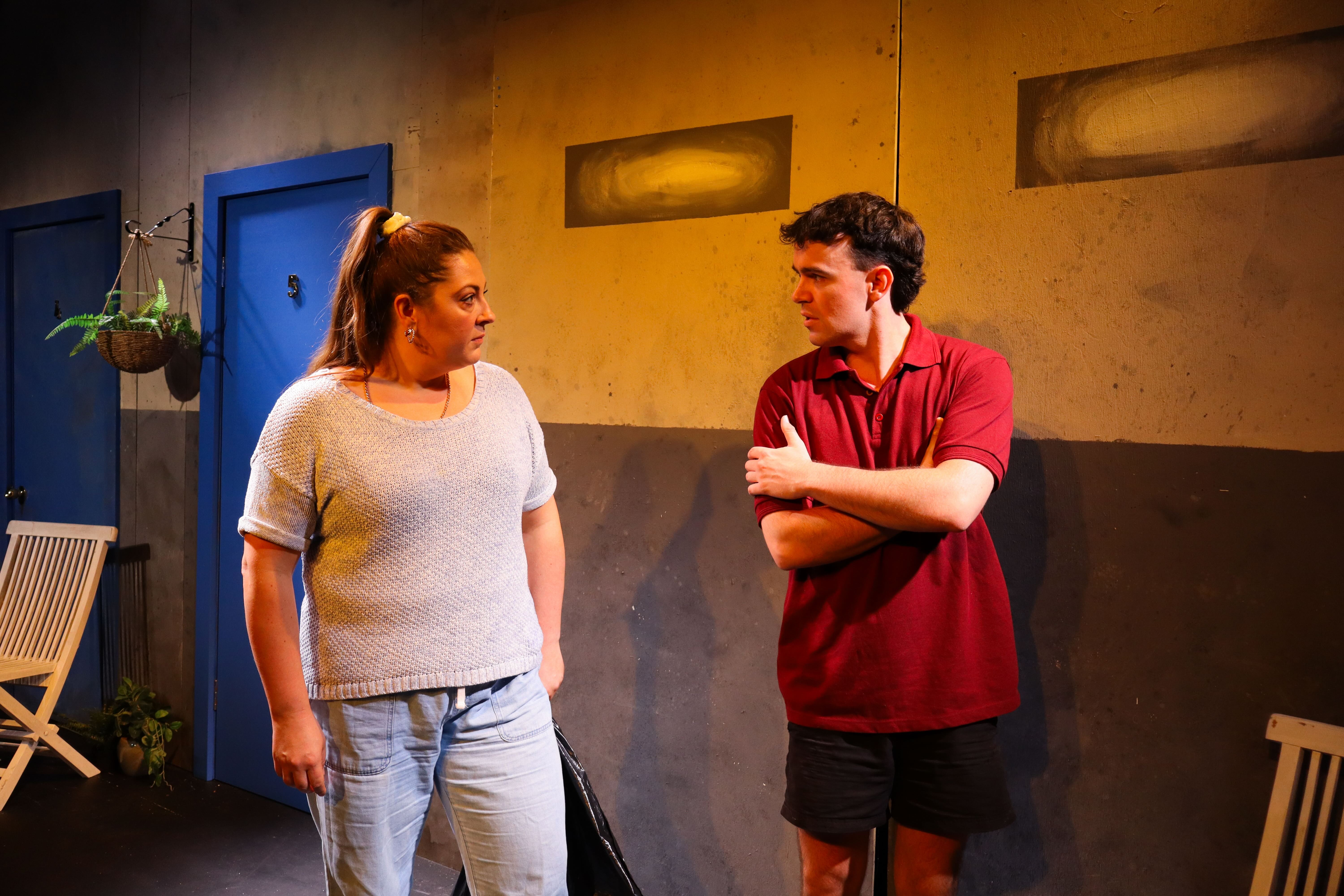
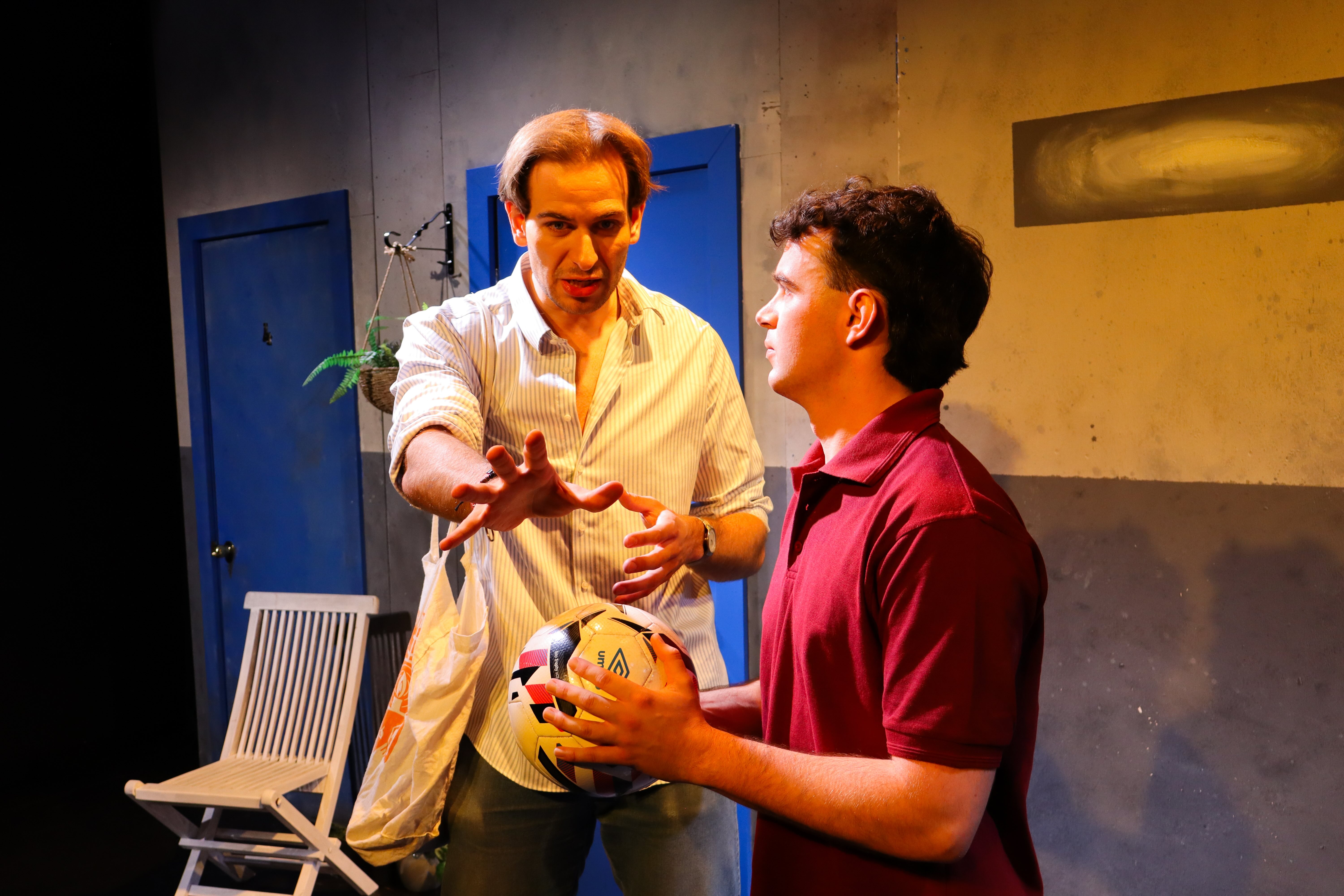
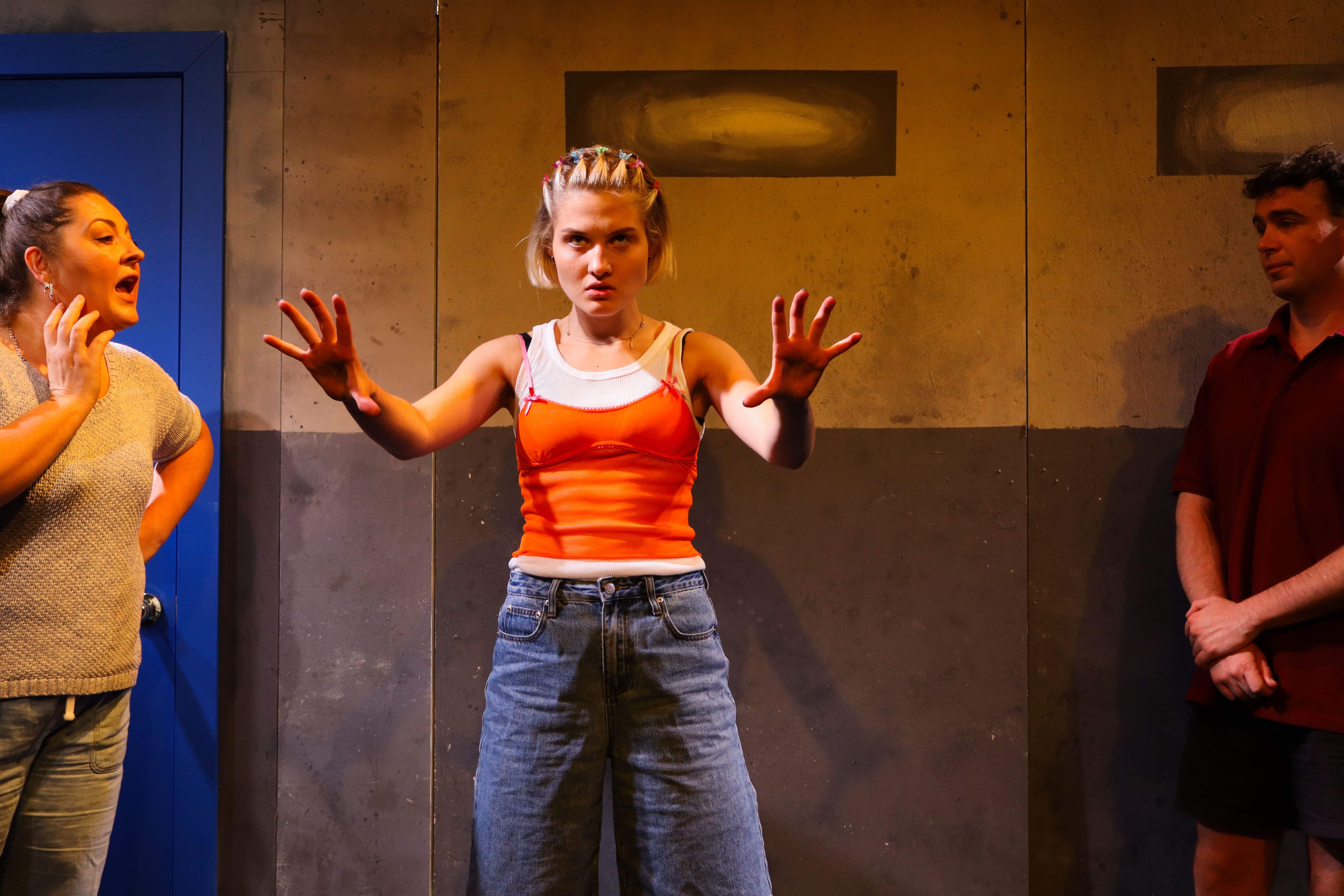
In a cast with no weak links it becomes onerous to single anybody out, however I must give special praise to Willa King as Sandra, the mother. Though harsh at times, we recognise in Sandra a woman desperately trying to protect her son and give him a better life; to make their present situation as pleasant as possible - from the freshly painted front door and the pot plants, to the healthy salads she prepares for him. Despite the limitations imposed on her by Thatcher’s society, she battles to lift herself up, which even extends to her choice of boyfriends - Tony. He’s a painter, and when the others realise he’s not a tradesman but an artist, their OTT adulation, while funny, reveals the level of their cultural deprivation.
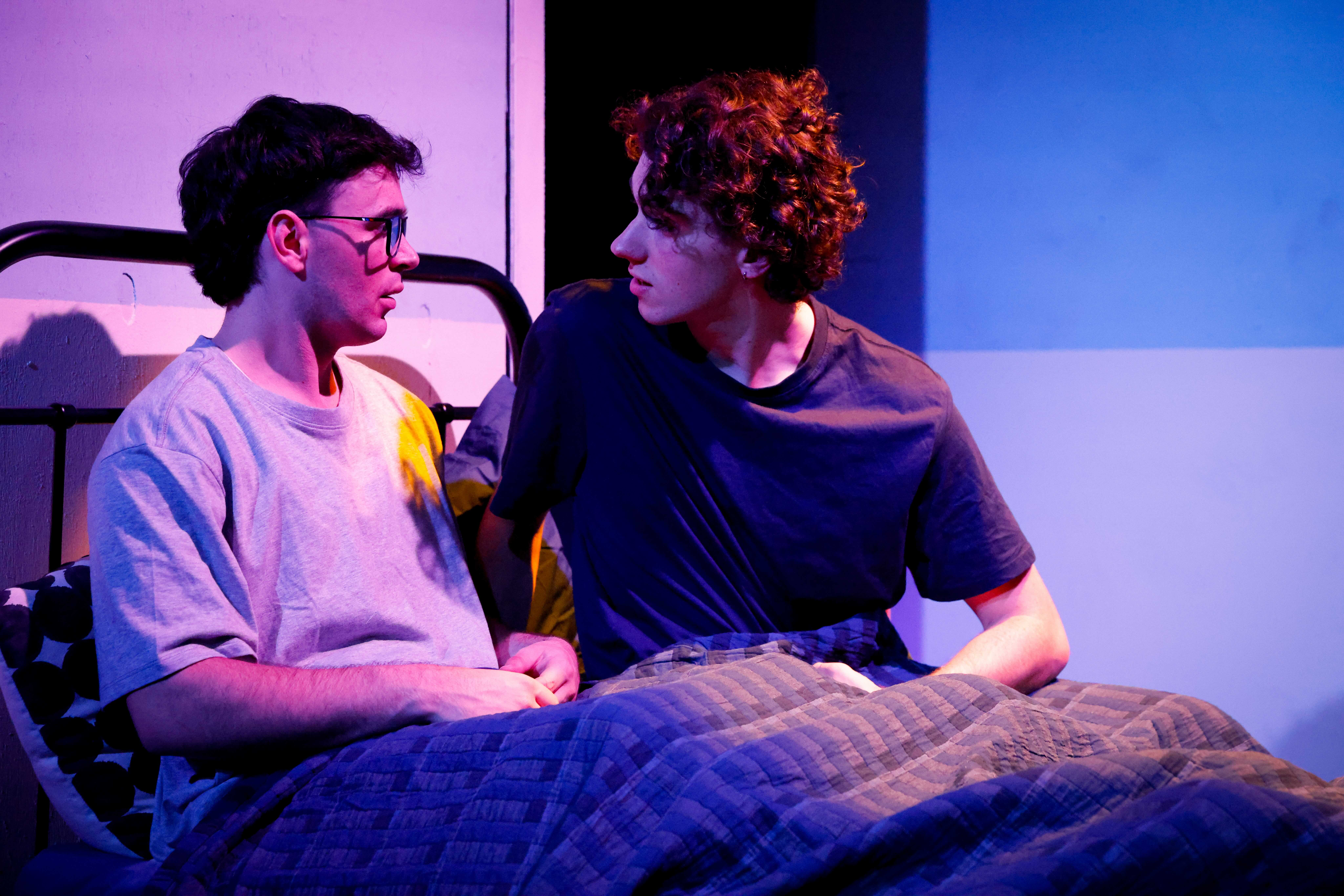
But one can’t review this play without referring to the relationship between Jamie & Ste - and in Jake Walker (Jamie) and Max Dÿkstra (Ste), director Finn Stannard has two young actors whose performances are faultless, managing to capture the emotional complexity and confusion of first love, caught between adult yearning and the understanding of youth. Dÿkstra’s nuanced rendering of Ste’s anxiety, hurt, and fear of his father’s savage reaction if he finds out the truth, is heart-breaking.
So much of what motivates these characters is ‘fear’ of one sort or another, and one way of dealing with it is through humour. The dialogue is laugh-out-loud funny, but the humour never lets you lose sight of the tragedy bubbling under the surface. This is humour born of pain, humour as defence mechanism, a weapon, and sometimes as a way of expressing affection, when more overt ways are forbidden or discouraged. The awkward expressions of true feeling are not just experienced by Jamie & Ste, but all the characters in different ways, the most spectacular of which is Leah’s demented raving while overdosed on some nameless drug. Polly Cozens’ portrayal of Leah is a treat - irritating and touching by turns, but this scene is spectacular. 4 stars.
Beautiful Thing is performing at the Loading Dock, Qtopia till December 13th, but tickets are selling fast. The show is playing to full houses, so don’t delay.
https://www.companyofdramaticarts.com/
Photo Credit by: Alexandra Tiernan
Reviewed by: Nick Bennett