
Code Camp returns this Autumn school holidays with creative coding, robotics, design and craft camps for kids aged 5–13 across Australia.
The classroom hum of a school term is replaced by something lighter during the autumn break. In community halls, school computer labs and library learning spaces around Australia, children gather around laptops, sketchbooks and small robotic kits. Outside, gum leaves scrape quietly across the pavement. Inside, ideas are forming – a game level, a character sketch, a tiny robot beginning to move.
This is the quiet energy of Code Camp, a program that arrives each school holiday with a promise that learning does not need to stop simply because school has paused.
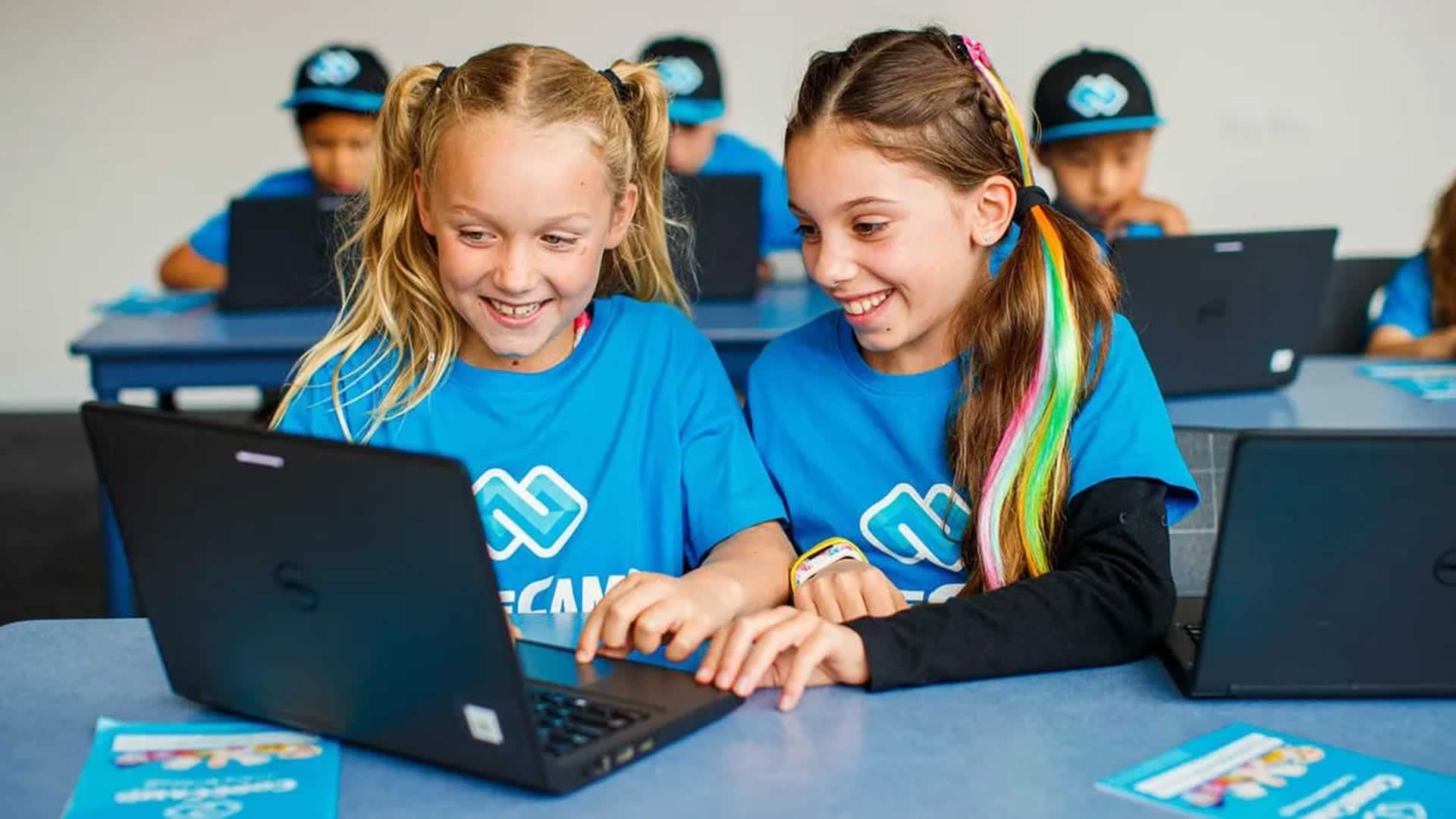
Across the country, children aged five to thirteen step into spaces where imagination meets technology. The atmosphere feels less like a classroom and more like a creative studio: headphones on, fingers moving across keyboards, someone proudly showing a newly animated character to a neighbour.
For many families navigating the rhythm of the school holidays, it offers something increasingly sought after – a place where curiosity has room to grow.
A Different Kind Of Holiday Workshop
Holiday activities have long been part of Australian childhood, but the landscape is changing. Where once the options leaned toward sports clinics or arts-and-crafts afternoons, parents are now searching for programs that blend creativity with practical skills.
Code Camp sits comfortably in this space.
The sessions are structured but relaxed, designed for children to explore ideas rather than simply follow instructions. A morning might begin with the basics of coding logic, but by afternoon the room is full of individual projects: games inspired by favourite films, animated stories, simple robots navigating small obstacle courses.
There is a sense of experimentation in the air – the small thrill of trial and error that accompanies any creative process.
Children move between screens and sketchpads, between discussion and building. For some it is their first experience writing code; for others it is a chance to expand something they have already begun exploring at home.
Inside The World Of Code Camp
The range of programs reflects how broad the idea of “technology” has become for younger generations.
The best-known sessions remain the coding camps, where children learn the foundations of programming through building simple games and interactive projects. But the program has steadily expanded beyond that starting point.
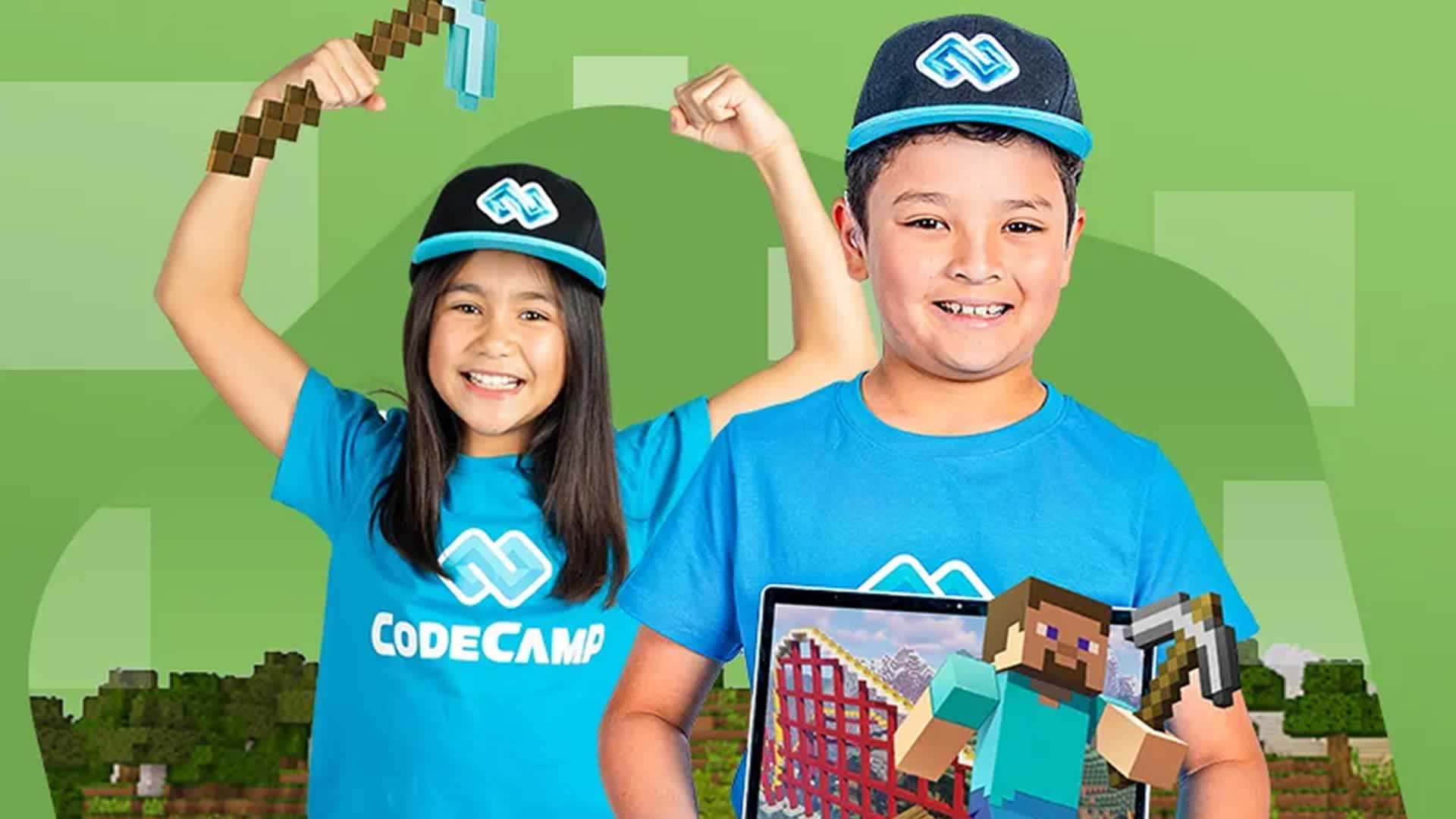
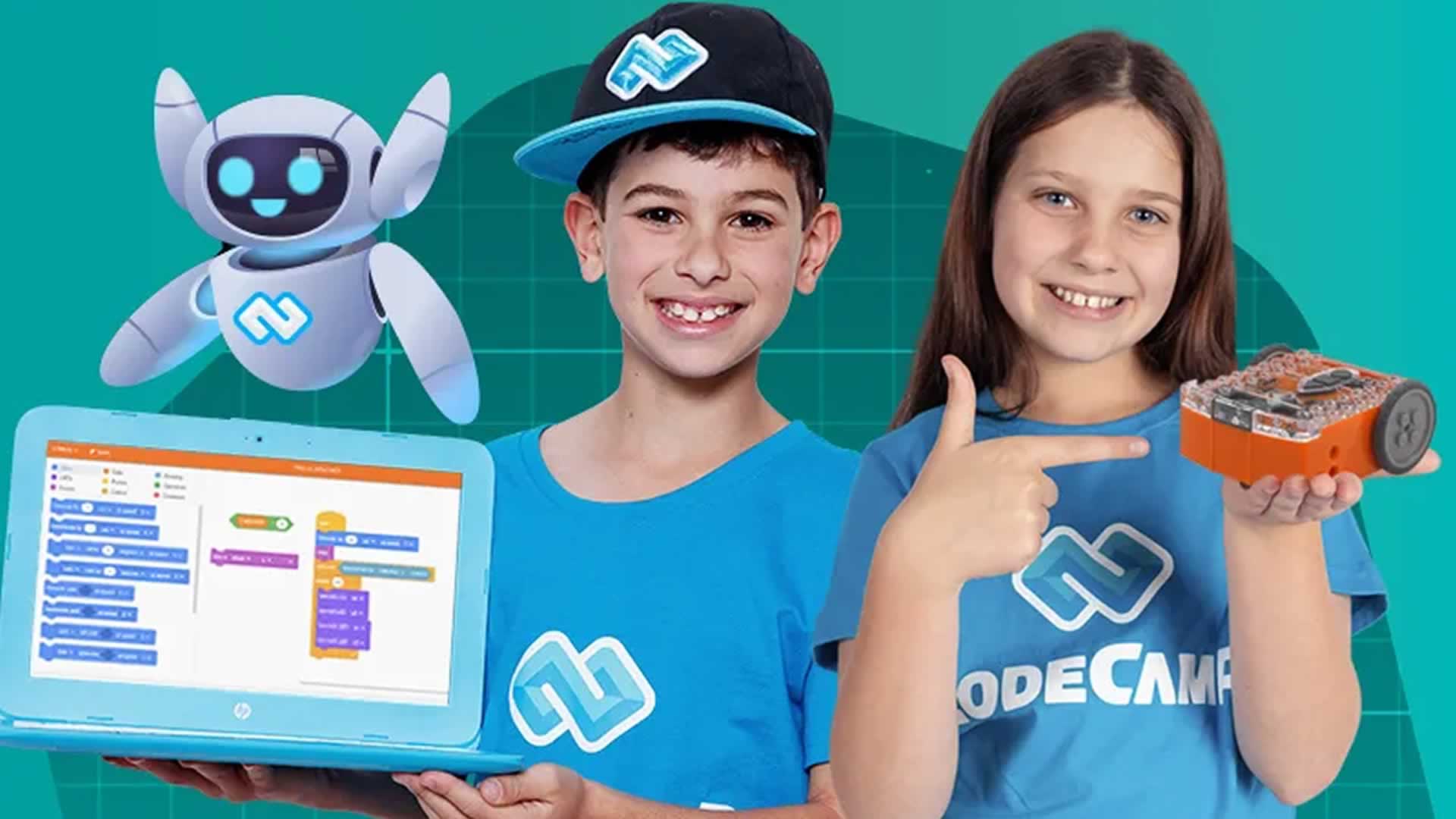
Minecraft-themed camps remain a favourite, inviting children to step inside a digital landscape they already know well and reimagine it through engineering challenges. Robotics workshops introduce small programmable machines that respond to commands and sensors. In design-focused sessions, participants develop graphic novels, animations or digital artwork.
Some camps move entirely away from the screen.
Creative workshops such as crochet, knitting and macramé sit alongside DJ camps and miniature architectural builds – activities that echo a growing interest among younger age groups in hands-on craft and making. The result is a program that feels less like a single subject and more like a creative ecosystem.
Across these sessions, the common thread is problem-solving. Whether designing a game character or constructing a miniature house, children are encouraged to think through challenges and find their own solutions.
Code Camp And The Rise Of Skill-Based Holiday Programs
Parents have become increasingly attentive to how their children spend the long weeks between school terms.
Screens dominate much of modern childhood, but many families are seeking ways to turn digital curiosity into something more constructive. Code Camp taps into this shift by giving structure to the interests children already bring with them – gaming, drawing, storytelling, building.
The camps also create something that is harder to replicate at home: a collaborative environment.
Children sit side by side sharing discoveries, helping debug a line of code or offering suggestions for a character design. New friendships often emerge from the simple act of working on something together.
For younger participants, particularly those attending their first structured holiday activity, the experience can also build confidence. Completing a project – even a small one – carries a quiet sense of accomplishment.
By the end of the week, many leave not only with a finished game, animation or craft piece, but with the memory of having built something themselves.
A Quiet Kind Of Achievement
Late afternoon arrives differently in these rooms.
While the autumn light begins to soften outside, children gather to share what they have created. One screen shows a racing game where cartoon vehicles dodge obstacles. Another reveals a small animated film. A robot bumps gently into a chair leg and turns, following a new path across the floor.
There is laughter, a few proud explanations, and the unmistakable satisfaction of a project completed.
The laptops close. Parents arrive at the door. Children leave holding printed artwork, saved files or tiny constructions carefully packed into backpacks.
The moment is brief, but the sense of possibility lingers – the idea that creativity, given the right space, can unfold in unexpected ways.
In that sense, Code Camp is less about teaching children how to code and more about giving them somewhere to experiment, collaborate and discover what they might build next.
As the autumn holidays pass and school resumes, those discoveries often travel with them.
Event Details
Event: Code Camp Autumn School Holiday Programs
Ages: 5–13
Dates: During the Autumn School Holiday period (April 2026, dates vary by state)
Times: Full-day and multi-day camps available depending on location
Locations: Multiple venues nationwide across Australia including schools, community centres and libraries
Official Website: https://www.codecamp.com.au