
Deacon Blue Enmore Theatre 2026 traces a deeply felt Sydney performance where memory, presence, and connection unfold inside Enmore Theatre.
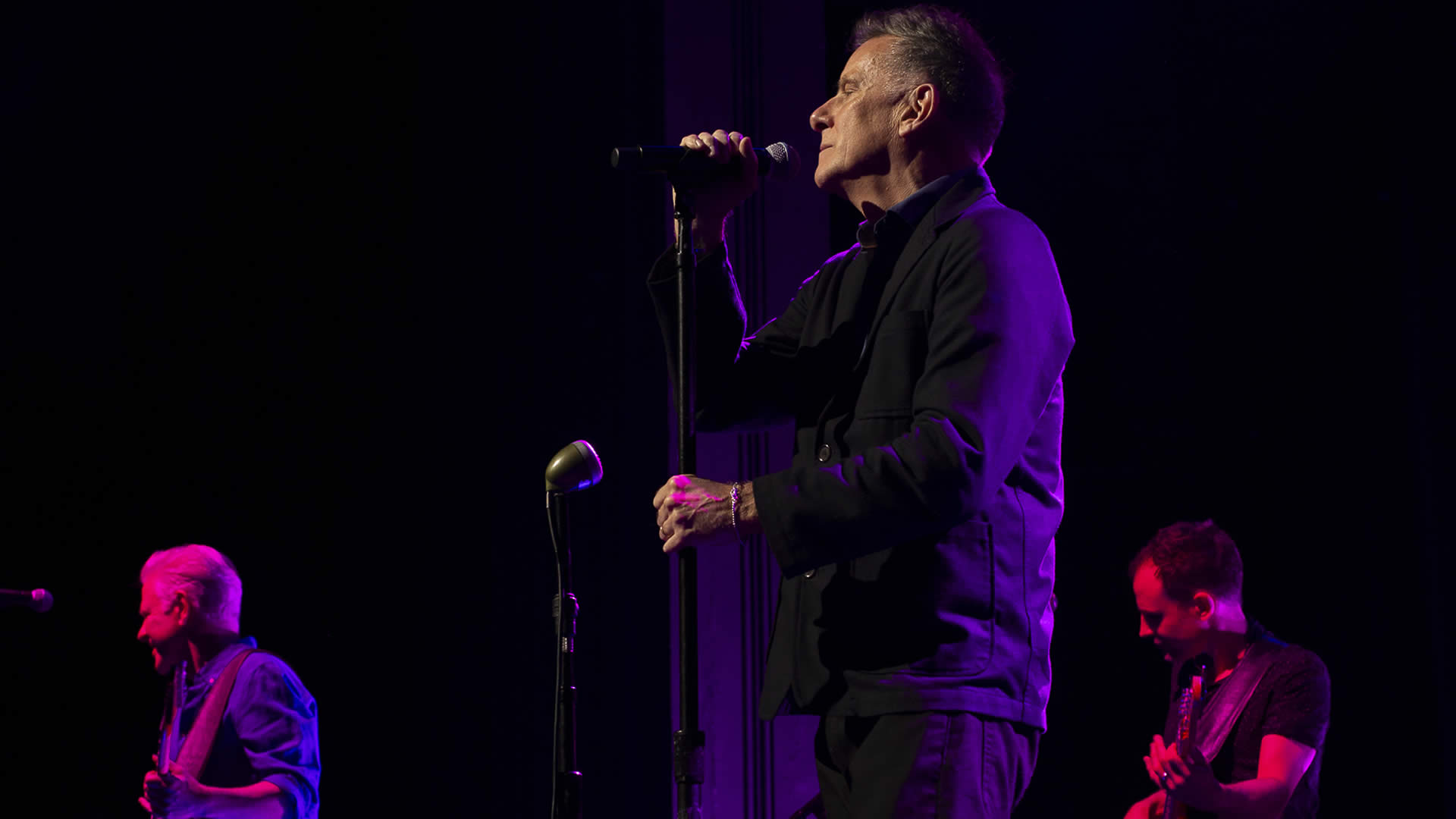
Evening settles across Newtown with a soft inevitability, the glow of Enmore Road folding into the familiar façade of the Enmore Theatre. Inside, the air holds a quiet expectancy — not anticipation sharpened by spectacle, but the settled warmth of recognition. Deacon Blue Enmore Theatre 2026 unfolds in this atmosphere of continuity, where sound and memory share equal weight. Through the work of Richard Hedger, the performance reveals itself as a lived experience rather than an event.
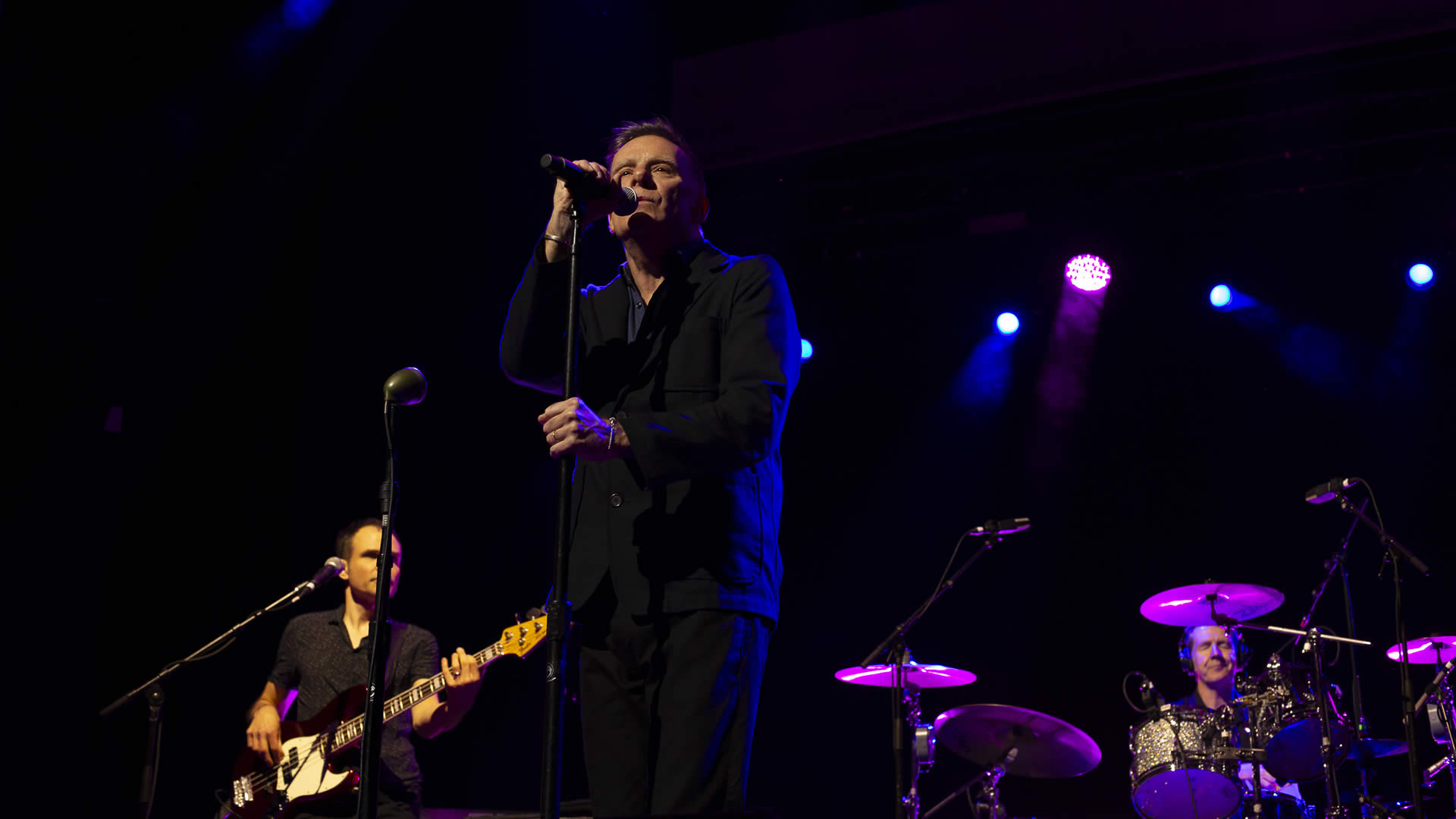
The opening movement begins without declaration. Presence gathers gradually. Instruments enter the space as extensions of the musicians rather than objects of display. The performance does not arrive — it emerges.
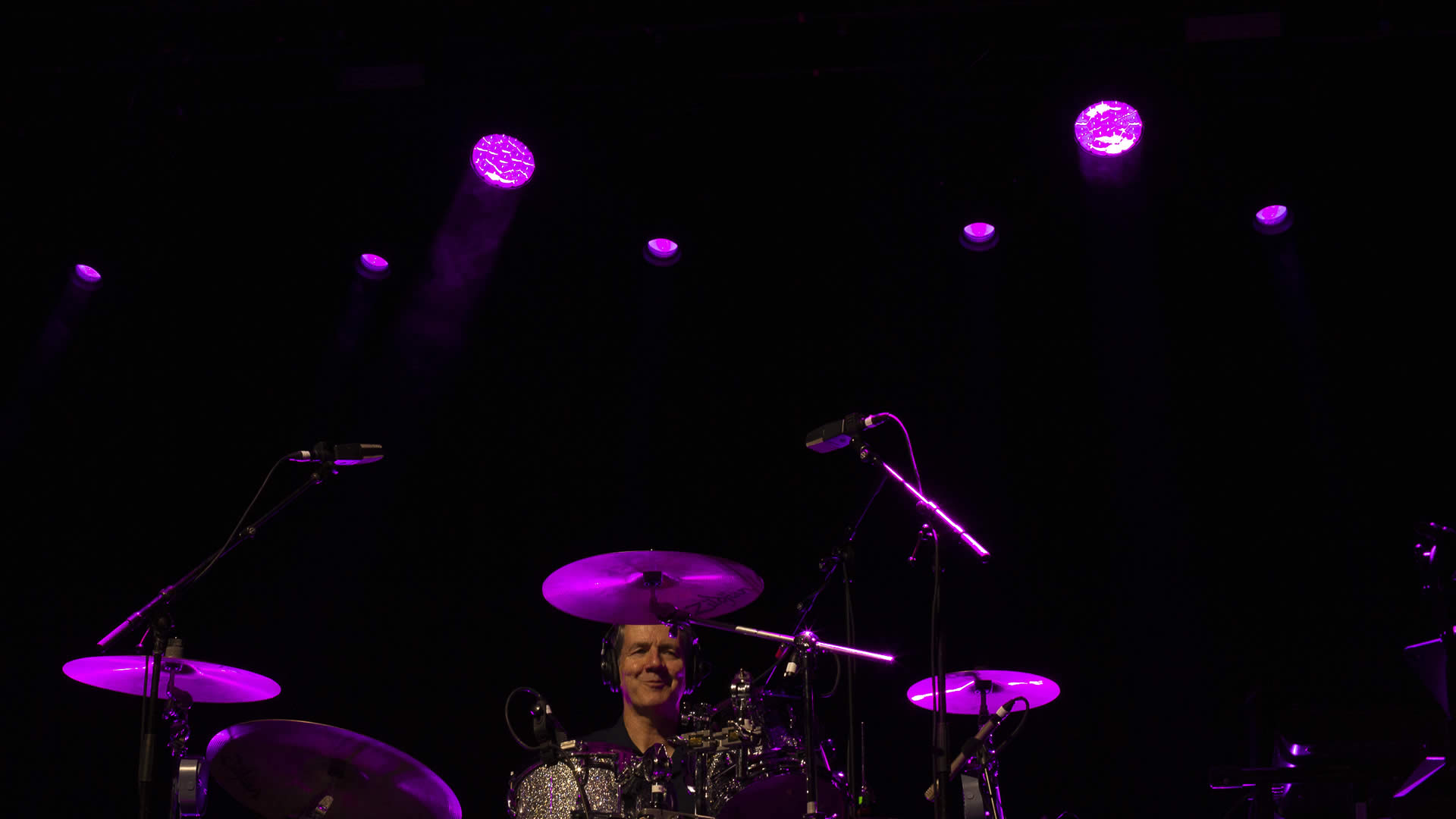
Deacon Blue Enmore Theatre 2026 And The Architecture Of Sound
What defines Deacon Blue Enmore Theatre 2026 is its measured confidence. The band occupies the stage with a looseness shaped by decades rather than rehearsed precision. Rhythm settles first, followed by melody, then voice — a layering that mirrors conversation rather than composition.
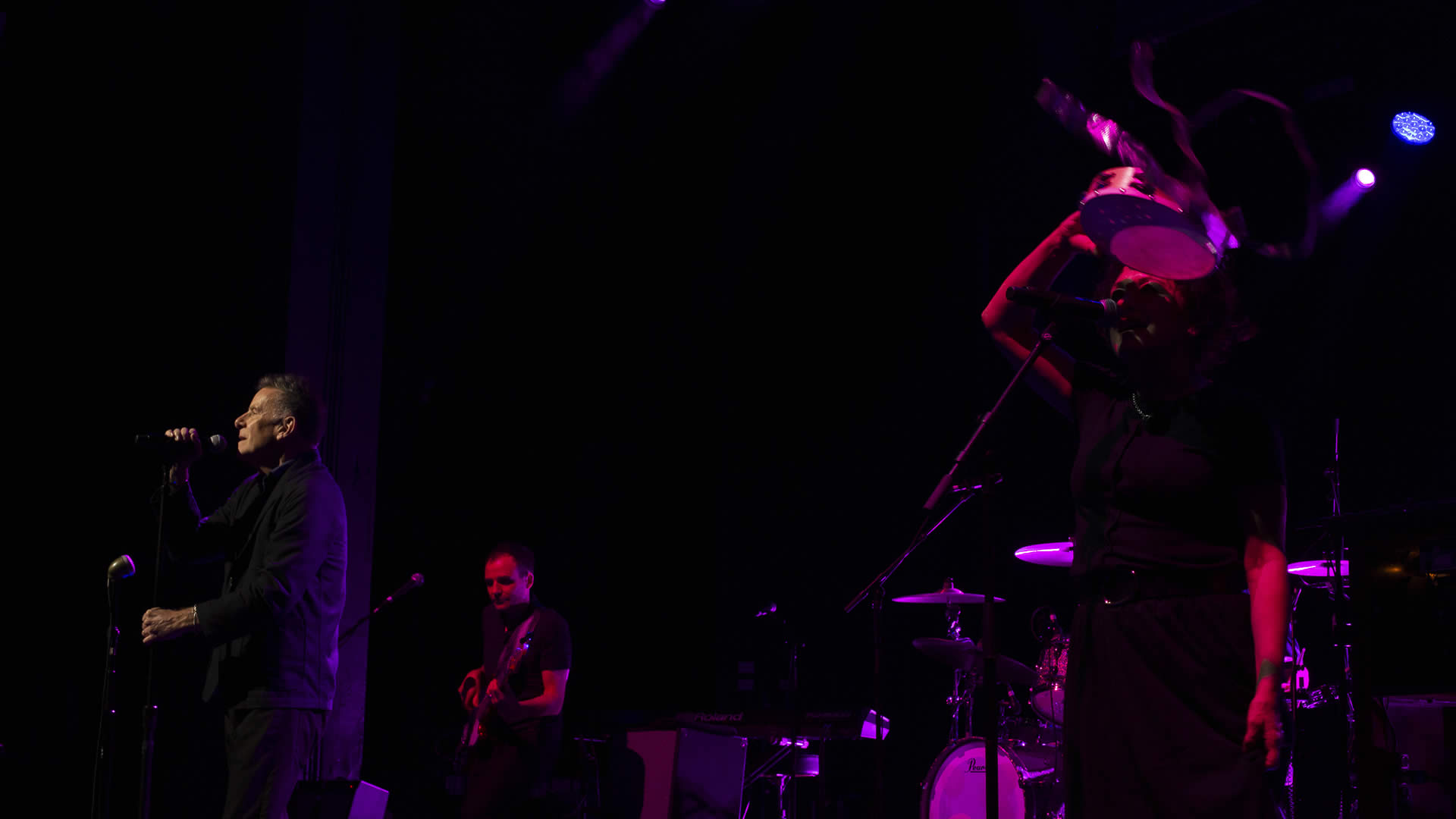
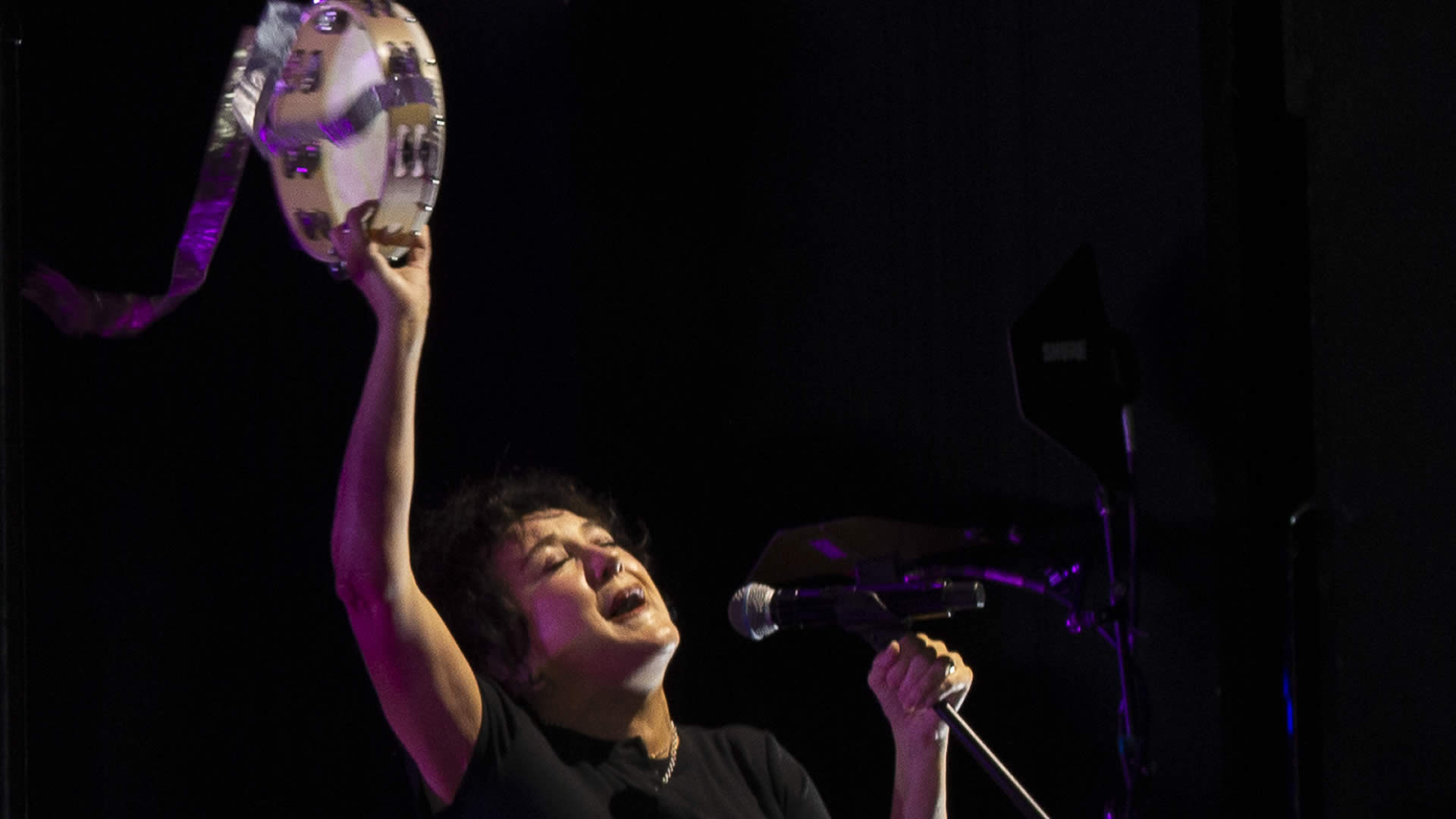
Ricky Ross and Lorraine McIntosh share the emotional centre with understated authority. Their voices meet without hierarchy, creating a balance that feels organic rather than arranged. The sequence of moments reveals this exchange as a continuous thread rather than discrete performances.
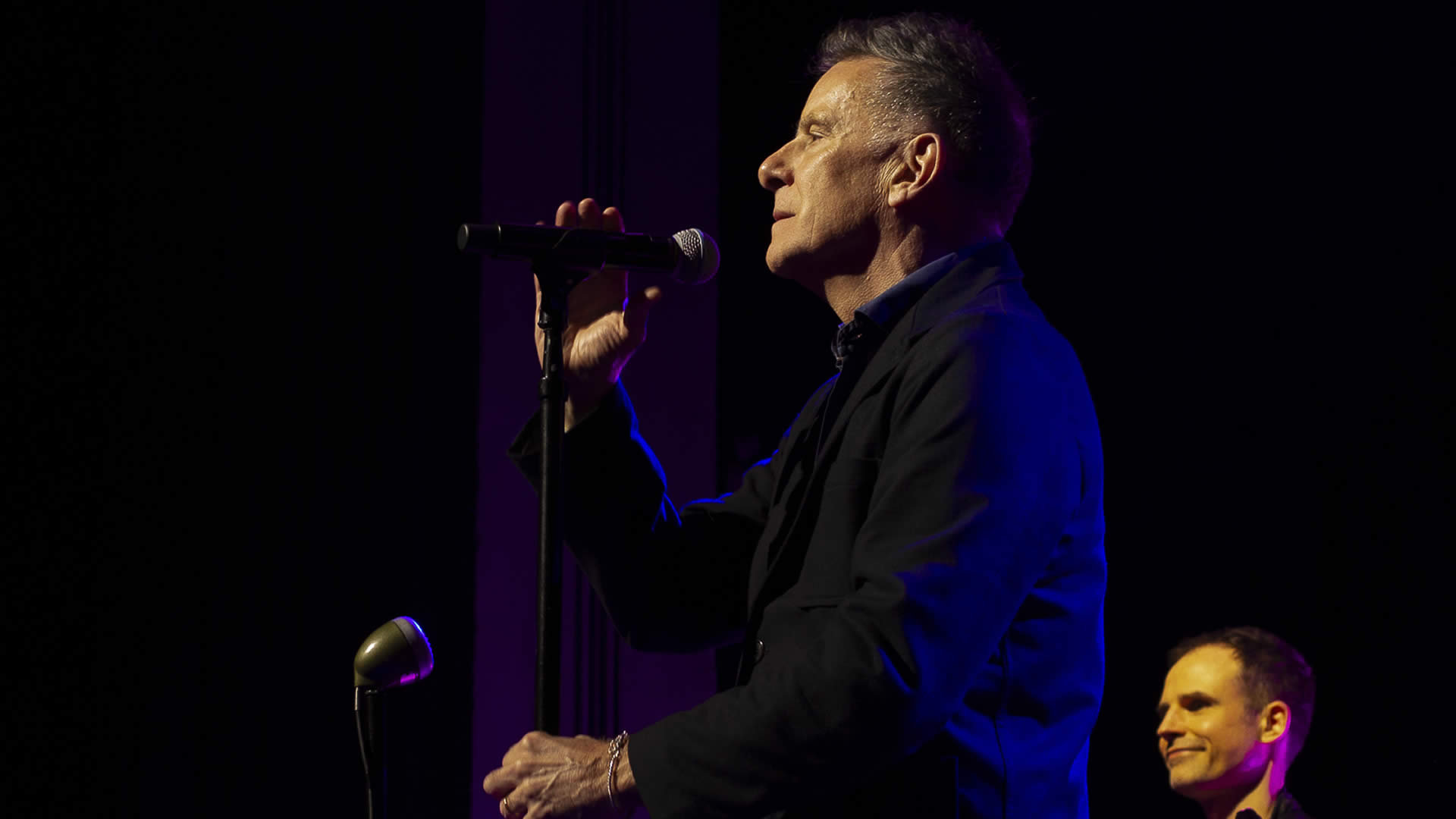
Songs drawn from The Great Western Road integrate seamlessly with long-held favourites. Familiar material such as “Dignity,” “Real Gone Kid,” and “Fergus Sings The Blues” appears not as recall but as continuation. Deacon Blue Enmore Theatre 2026 resists nostalgia by allowing the music to exist fully in the present tense.
Memory Within Deacon Blue Enmore Theatre 2026
A quiet shift occurs as the performance acknowledges late keyboard player Jim Prime. The transition is subtle yet unmistakable. Silence enters not as pause but as presence. The photographs mark this moment with restraint, allowing the emotional weight to exist without emphasis.
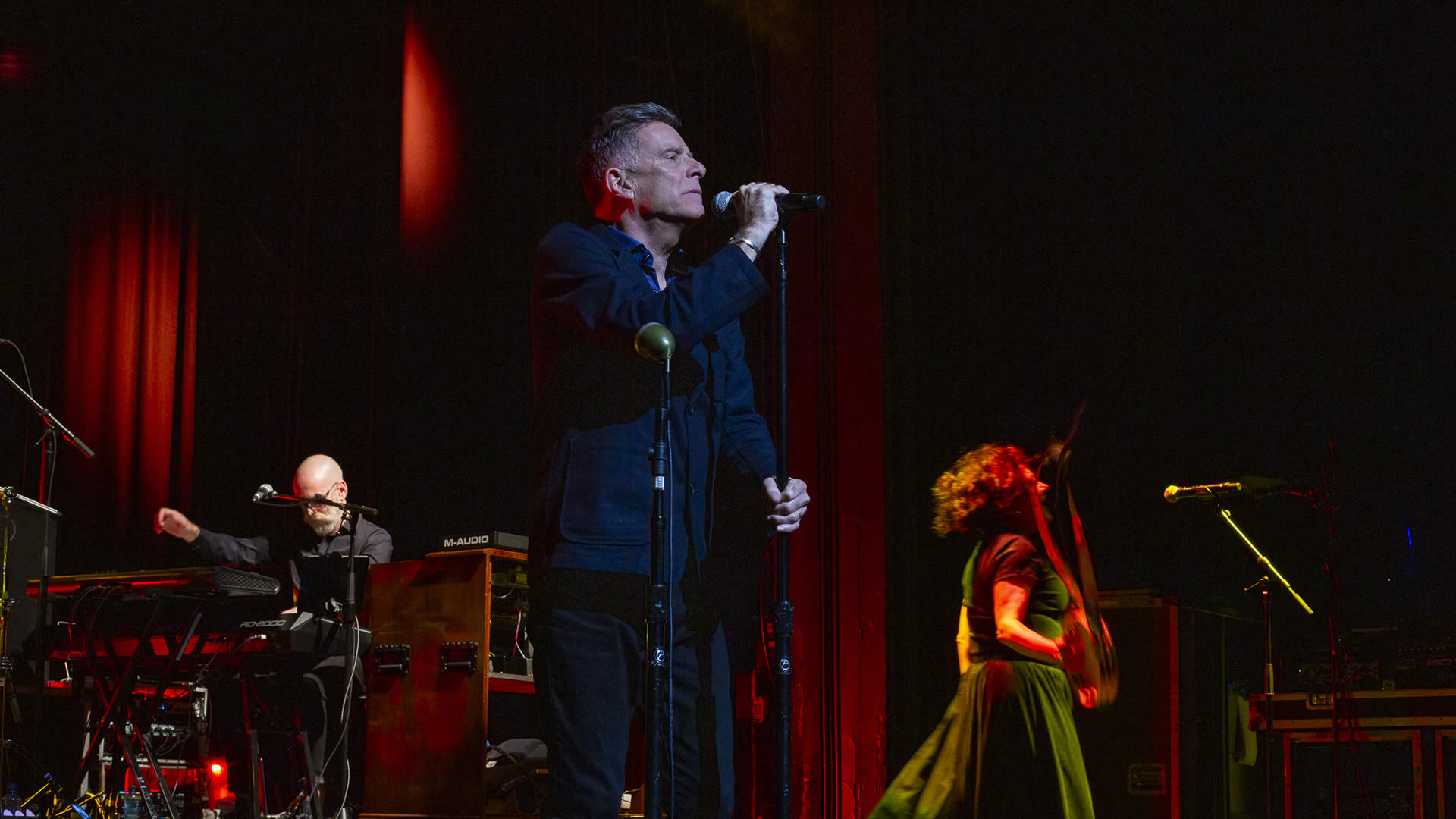
In Deacon Blue Enmore Theatre 2026, remembrance is not performed — it is inhabited. Sound becomes a carrier of continuity rather than a gesture toward the past. The band does not look back; it moves forward with memory intact.
Movement And Expansion In Deacon Blue Enmore Theatre 2026
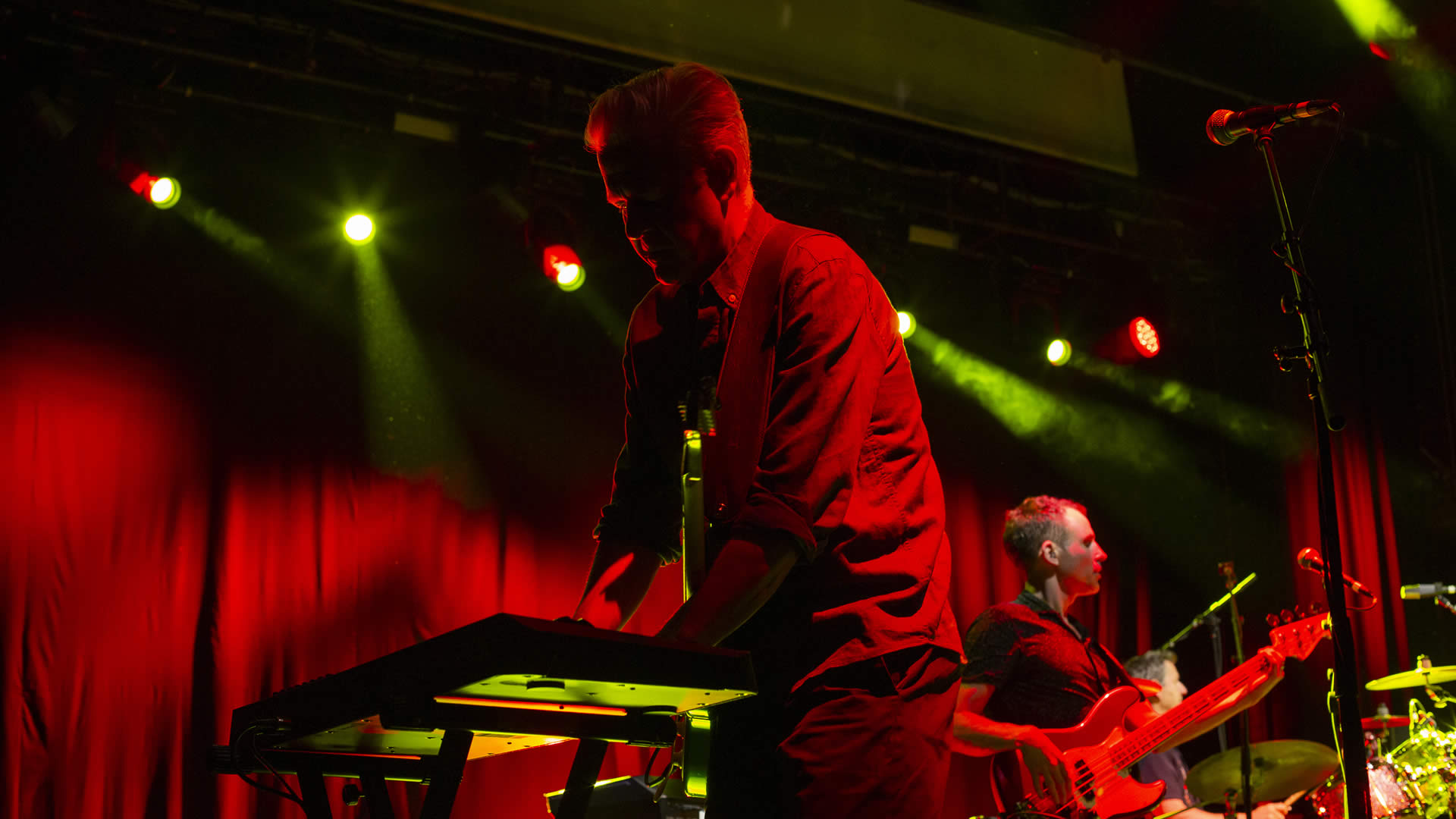
As the evening progresses, the musical language widens. The sound deepens, occasionally leaning toward a rock-infused intensity that never disrupts the reflective core. Instrumental passages expand, revealing space within structure.
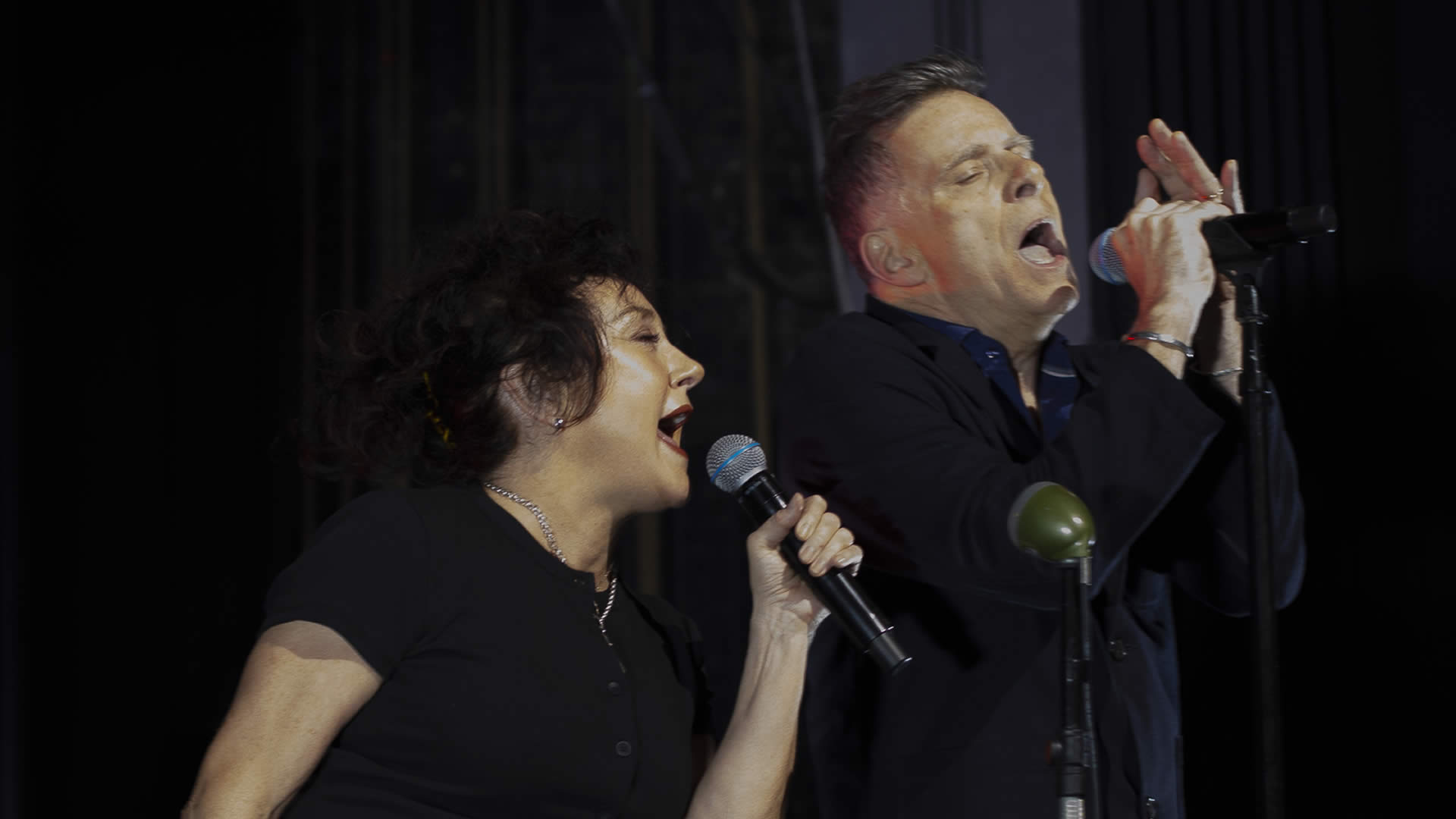
The narrative arc emerges through accumulation. The theatre becomes less a venue and more a shared interior shaped by listening. Audience response remains attentive rather than demonstrative, reinforcing the sense that Deacon Blue Enmore Theatre 2026 is defined by recognition rather than reaction.
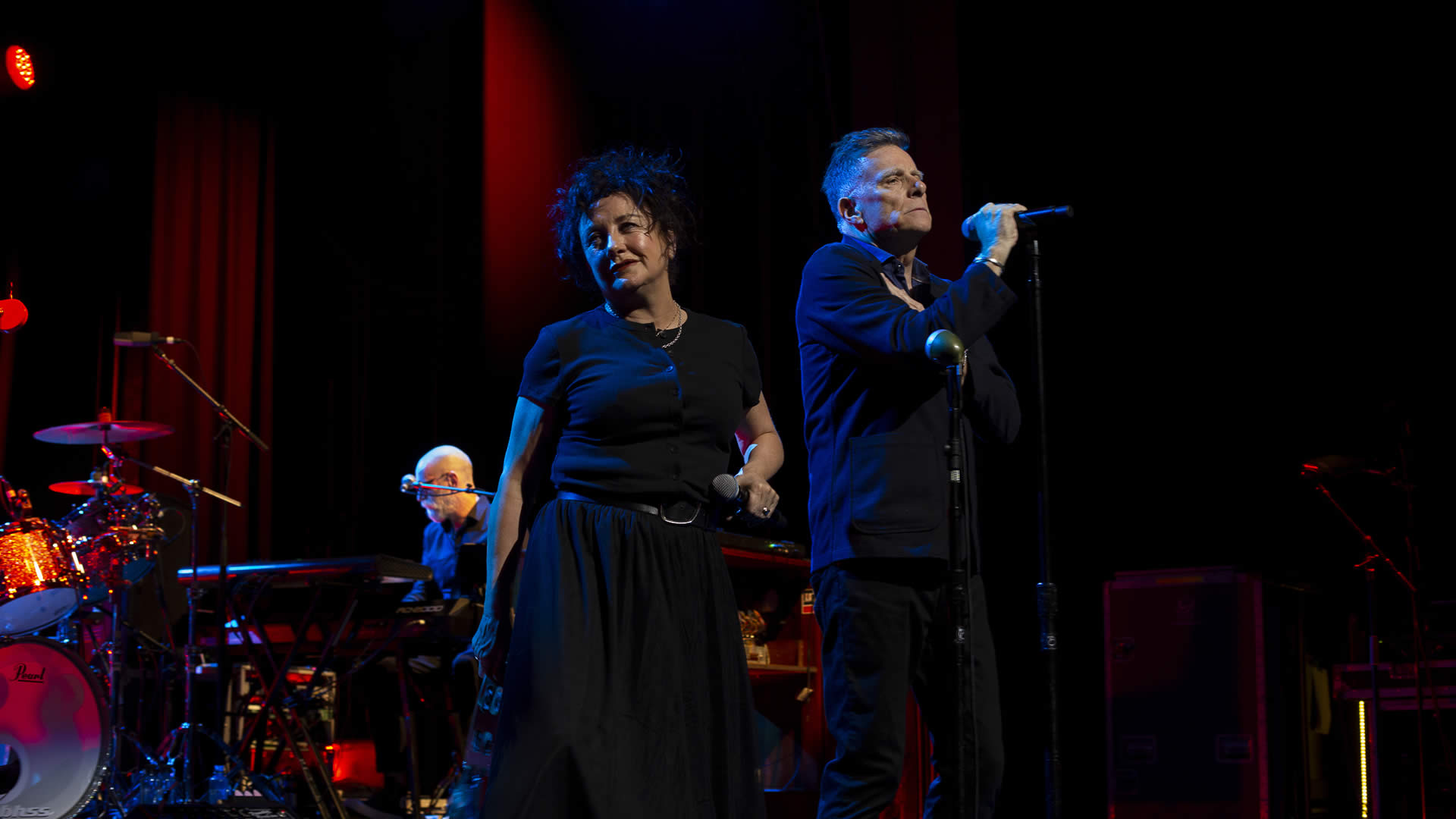
Longevity here is not framed as endurance but as evolution. The performance demonstrates how time refines expression, allowing familiar forms to hold new meanings.
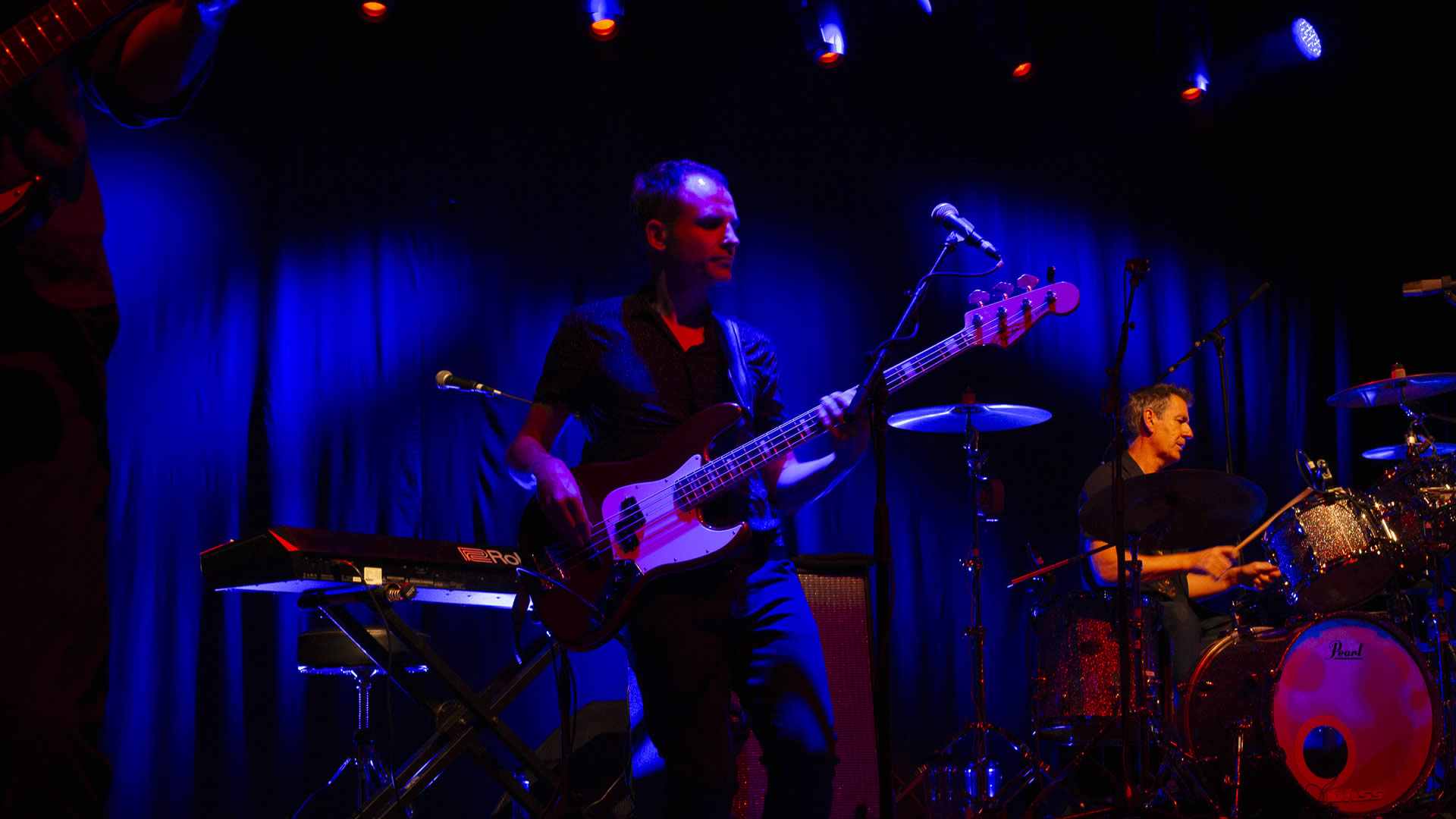
The Afterimage Of Deacon Blue Enmore Theatre 2026
When the final notes settle, there is no abrupt conclusion. Applause unfolds naturally, as though acknowledging something already understood. Outside, the rhythm of the street resumes, yet the interior atmosphere lingers.
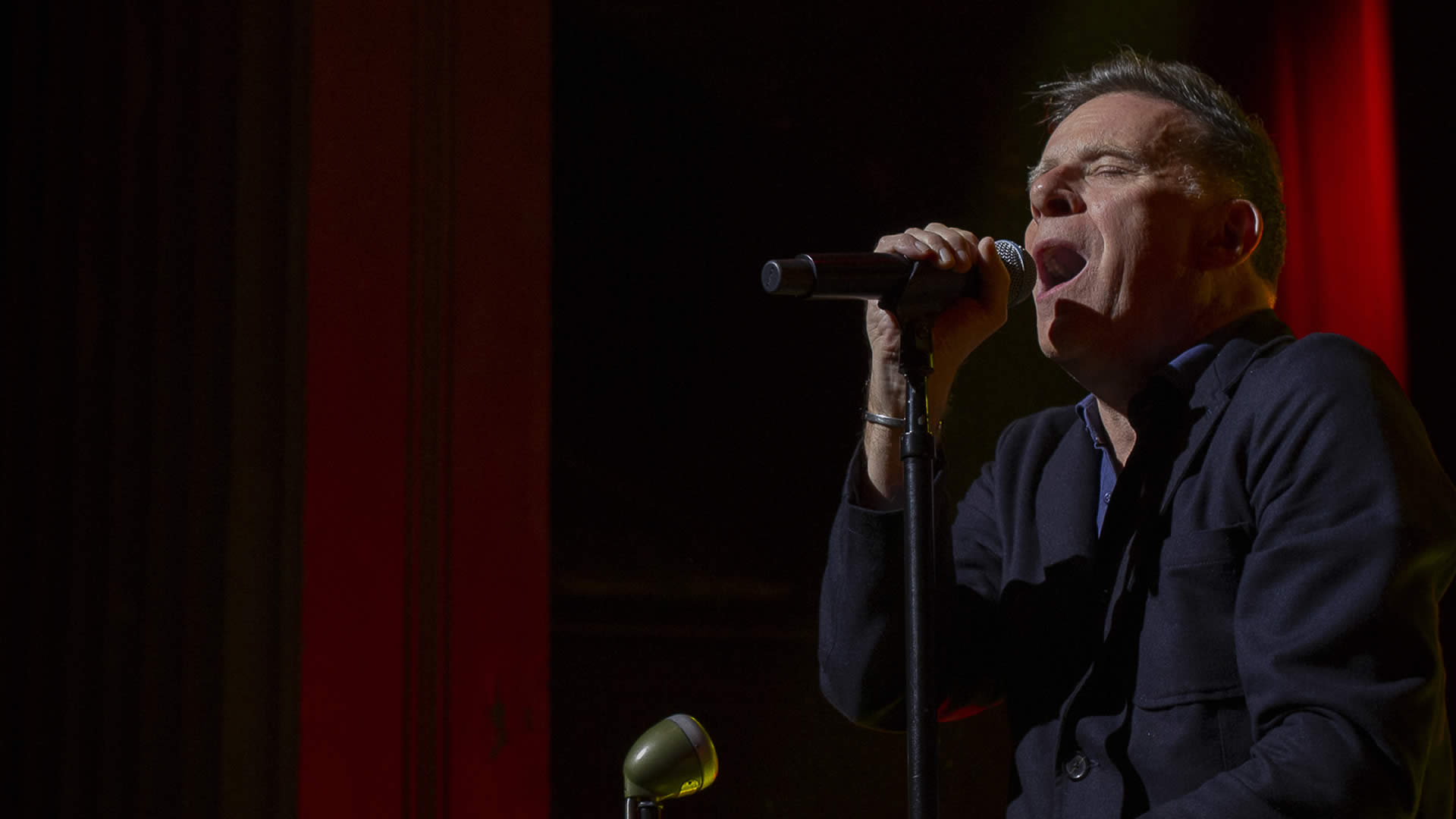
Deacon Blue Enmore Theatre 2026 leaves behind an impression of continuity — music carried forward through shared presence. The evening does not insist upon significance. It allows meaning to accumulate quietly, shaped by memory, time, and connection.
Review And Photographs By: Richard Hedger
Official Link: https://www.instagram.com/richardhedgerphotography/