
A reflection on the Australian Chamber Orchestra’s Devil’s Violin program at City Recital Hall, where baroque brilliance and contemporary works reveal chamber music as a living tradition.
Chamber music, at first glance, can seem like the more elusive cousin of the symphony. A symphony announces itself with massed forces and sweeping gestures, the kind of sound that fills a hall and tells you exactly where to look. Chamber music asks something different. It draws you closer. It is built on intimacy, on the charged space between a handful of players who must listen to one another with almost forensic attention.
We all know pieces like The Four Seasons, but not the long chain of experiment, risk and reinvention that surrounds them. The Australian Chamber Orchestra dissolves that distance and makes the past feel beautifully present. They do not simply preserve the tradition; they animate it, placing baroque works beside contemporary voices in ways that expose the thread between them.
Their latest program, Devil’s Violin, is far more than a sequence of superbly played works. In their hands, the tradition is not fixed or hierarchical. It is porous, restless and unmistakably alive — an affecting demonstration of how musical thought can travel, transform and return.
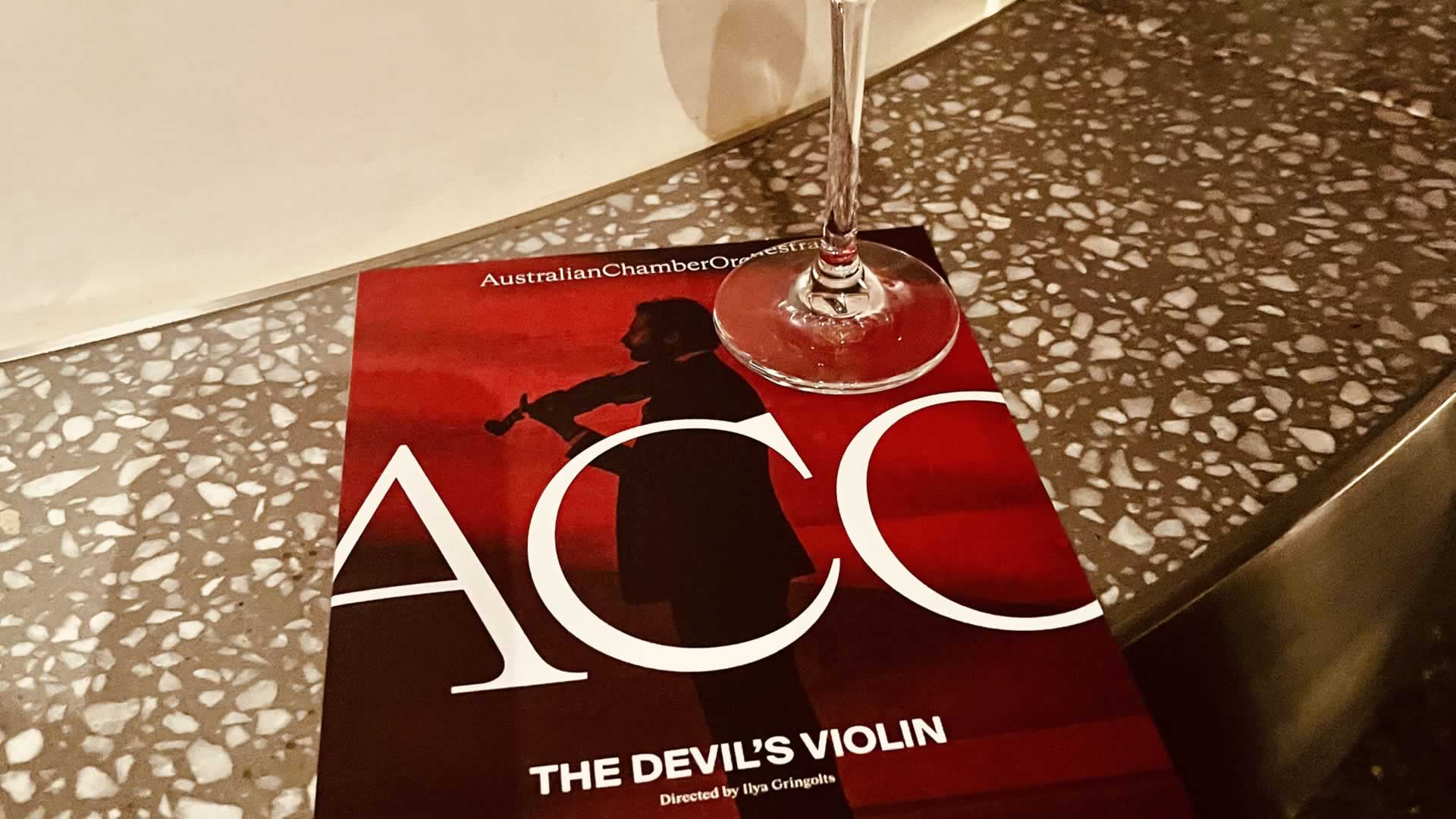
A Lineage Unfolding Through Devil’s Violin
Act I unfolds like a study in lineage: Westhoff’s bell like sonata, Vivaldi’s deft borrowing, Gubaidulina’s spiritual fracture and Tartini’s dream born fire. It traces how ideas echo across centuries, each work sharpening the next. Act II shifts the frame: Weinberg’s wartime aria, tender and haunted; Vivaldi’s double concerto, offering a glimpse into the teaching traditions of the Pietà; Paul Stanhope’s Giving Ground, a contemporary reimagining of the ancient Follia bass line; and finally Geminiani’s grand, swirling reimagining of Corelli’s La Follia.
The Electric Dialogue At The Heart Of Devil’s Violin
Led by Ilya Gringolts, a violinist of fierce clarity and rare intellectual command, and joined by the remarkable Satu Vänskä, the pairing is electric: two soloists, two instruments from the same legendary maker, two distinct artistic temperaments. Their dialogue in Vivaldi’s Double Concerto in A minor feels like a high wire act, fiery and intricate, gleaming with Cremona craftsmanship. It unfolds as a conversation across centuries, shaped by musicians who refuse to treat history as static.
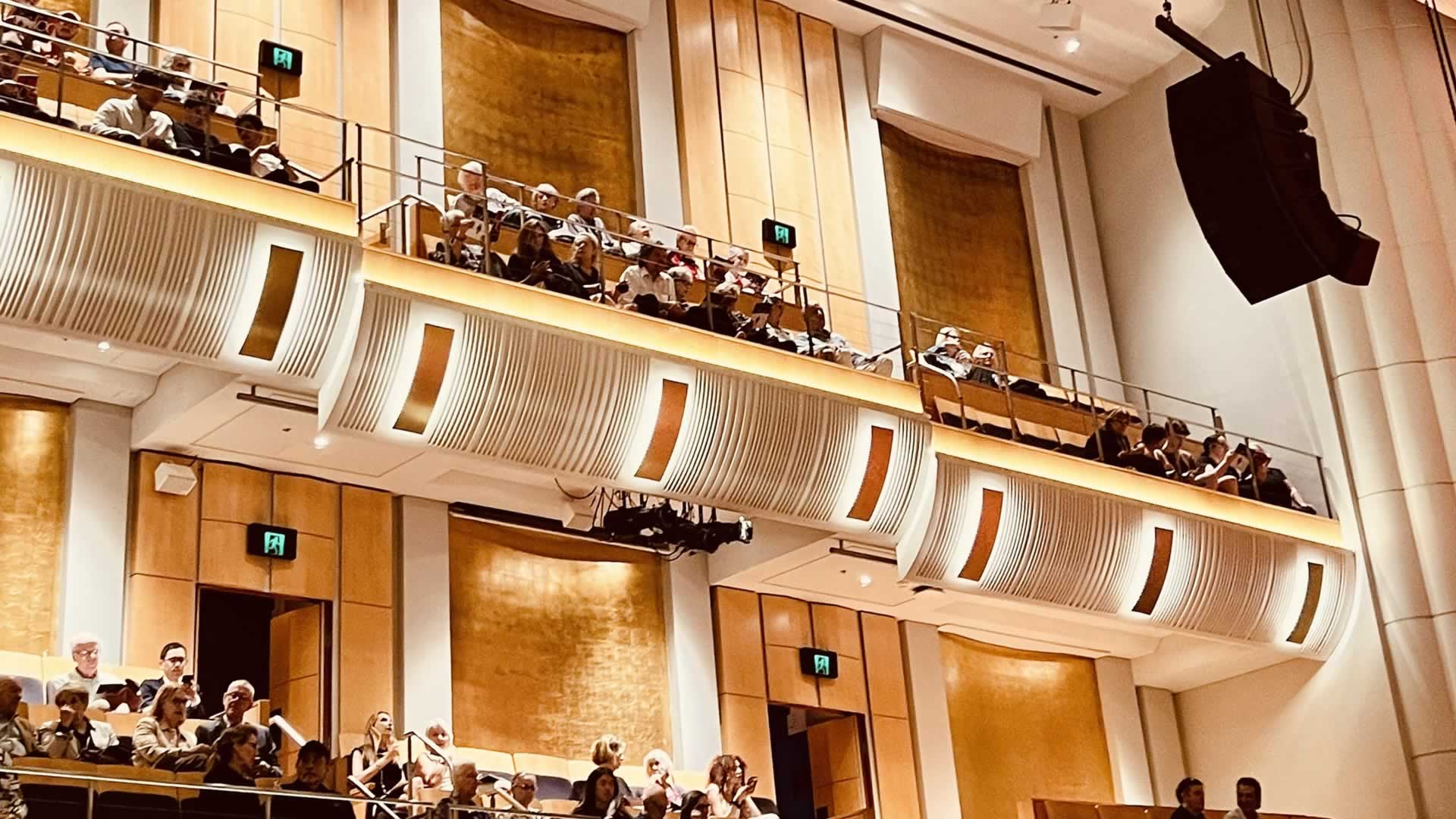
Instruments That Carry Centuries
The Australian Chamber Orchestra’s Golden Age Collection adds its own charge to the night. These rare Italian instruments — Strads, Amatis and Guarneris — are three and four centuries old, usually the sort of treasures kept behind glass, admired but untouchable. Here, they are lived in. Played daily.
Their sound carries not just craftsmanship but centuries of human memory. And when the musicians draw them into the present, something unexpectedly affecting happens: you hear history not as something distant, but as something still breathing.
The Legendary Heart Of Devil’s Violin
Tartini’s Devil’s Trill sits at the centre of the program, as legend has it, a sonata born from a dream in which the Devil played a melody too perfect to survive waking. The writing is punishing: a poised melodic line on one string while the left hand fires off a sustained trill on another, the fingers working in two emotional registers at once.
Ilya Gringolts plays it the way he plays everything, with a volatile, coiled intensity that never spills into showmanship, and even the most treacherous passages seem to unfurl under his hands as if they were inevitable.
Gringolts is matched at every turn by the ensemble; their alertness, their appetite for detail and their acuity in meeting his imagination with their own are part of what makes the performance so spiritual and compelling. It was a reminder of why this music endures.
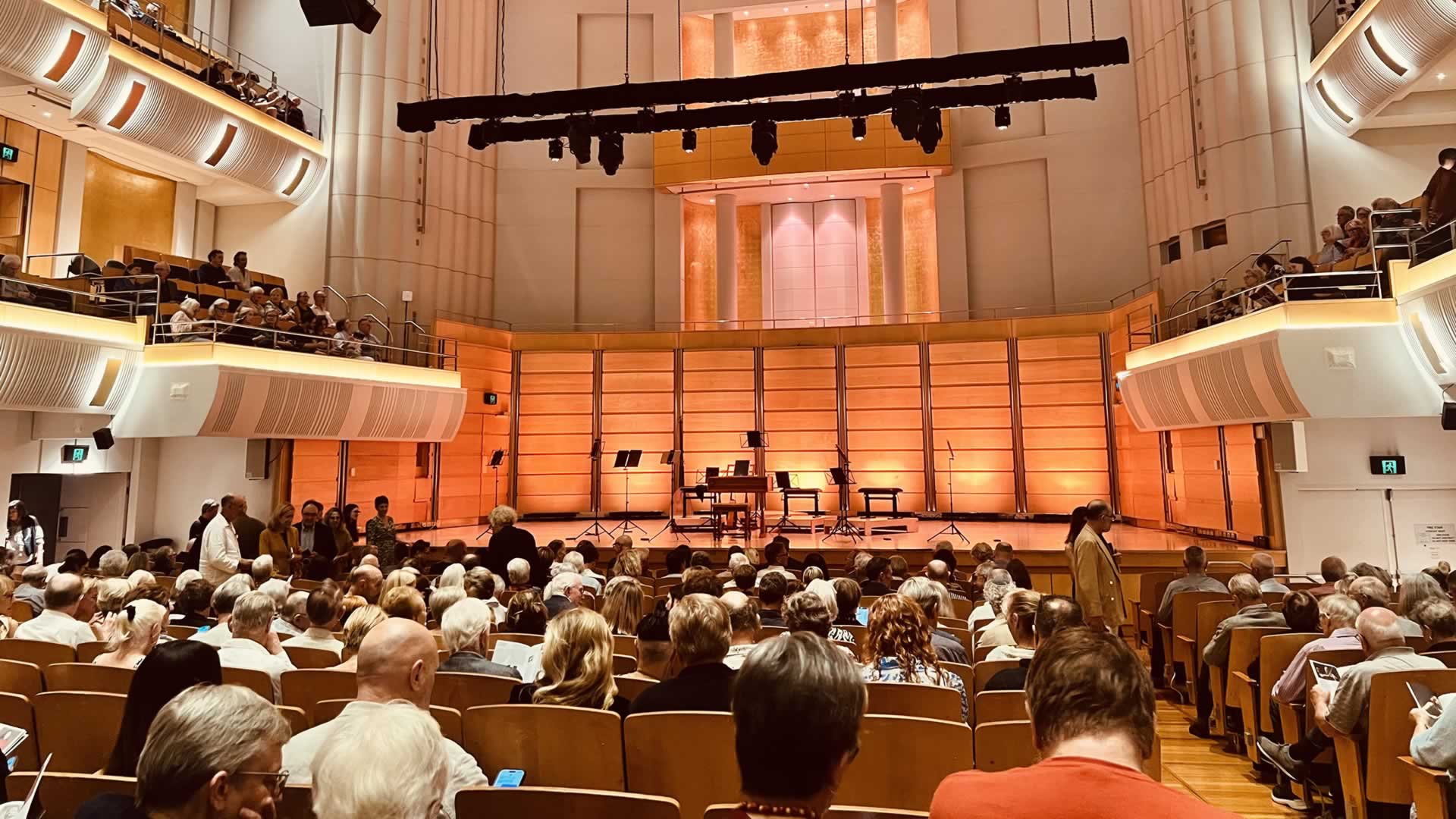
A Hall That Listens
The City Recital Hall, Angel Place, remains one of Sydney’s genuinely world class venues, a refined yet relaxed art deco jewel. The perfect place for ACO, an ensemble that turns every program into proof that virtuosity and imagination can coexist.
The audience was packed and wonderfully diverse, fully engaged from the first moment. Their presence said everything: chamber music is not niche or rarefied.
At this level, it is simply unmissable.
Review and Photos by: Faith