
Dracula returns to Sydney’s State Theatre in a gothic ballet blending dark romance, classical scores, and cinematic choreography for a limited 2026 season.
On a clear September evening in Sydney, the city’s centre shifts its tone as daylight slips behind sandstone facades and glass towers begin to glow from within. Outside the State Theatre, the street hums with a familiar pre-performance energy – people gathering in small clusters, pausing under marquee light, reading the same words twice as if to confirm what they are about to enter.
Inside, the air feels older. Not in age, but in atmosphere. Velvet, brass, and shadow settle into one another as patrons move through corridors designed for grandeur rather than haste. It is here that Dracula returns, not as literature or myth alone, but as movement – sharp, deliberate, and suspended somewhere between romance and unease.
This is not a retelling that asks for belief. It asks instead for attention.
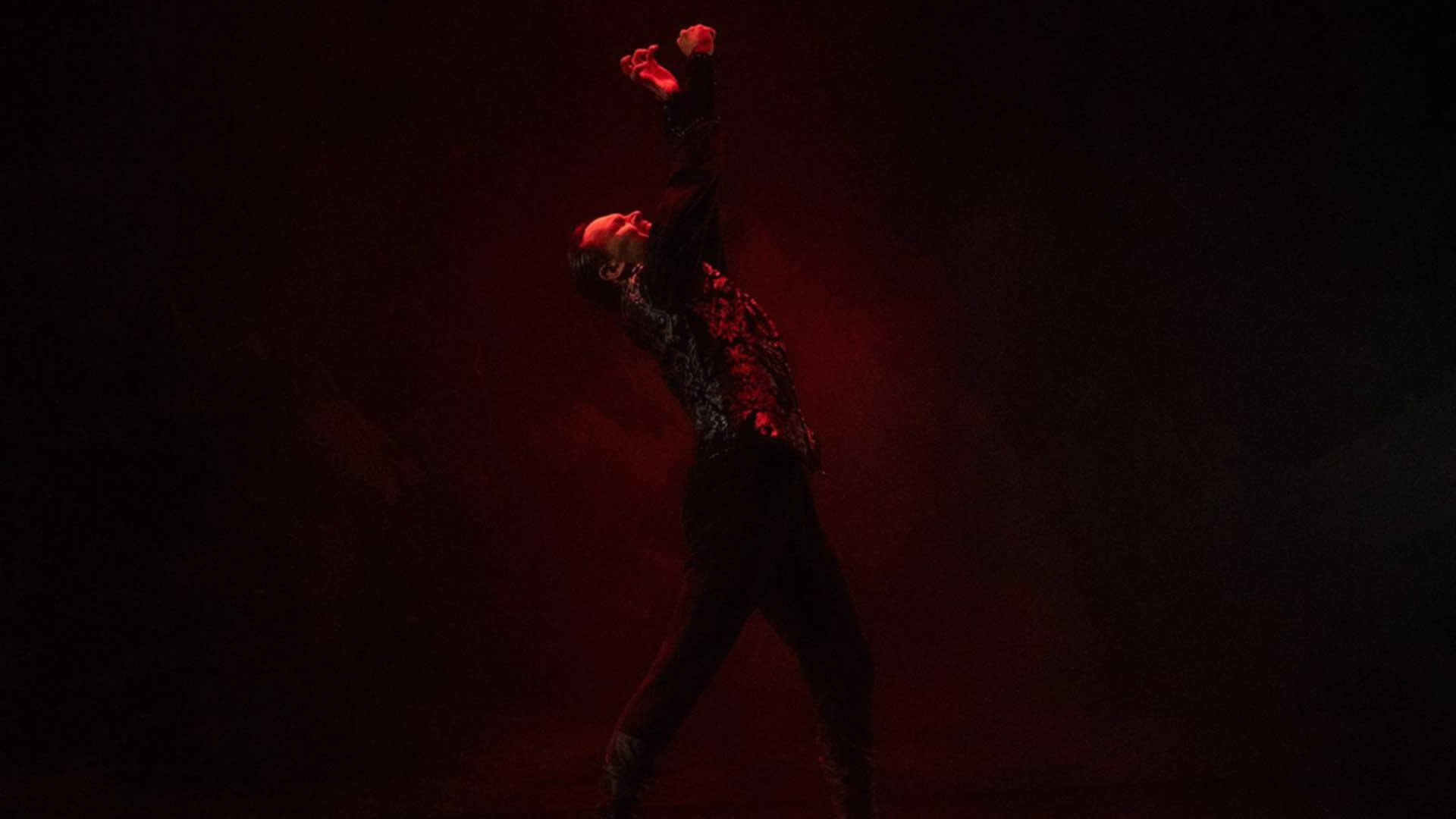
The Arrival Of Dracula In Sydney’s Cultural Season
The return of Dracula to Sydney marks the continuation of a production that has already travelled widely, gathering audiences across Australia and New Zealand. Its earlier season sold out, but its presence here feels less like repetition and more like refinement – an evolving interpretation of something already familiar.
At its centre, Dracula is structured through dance rather than dialogue. Choreographed by Joel Burke, the production draws its narrative through physical tension, restraint, and sudden release. It is a language built in posture and proximity, where meaning is carried in the space between movement rather than in words themselves.
The setting for this return is the State Theatre, a venue whose architecture already leans toward the dramatic. Beneath its vaulted ceilings and gilded detailing, the gothic tone of Dracula feels not imposed but revealed, as if the building had been waiting for it.
Dracula And The Language Of Music And Movement
What distinguishes Dracula from traditional narrative adaptations is its reliance on classical composition as emotional structure. The score draws from Bach, Rachmaninov, Mozart, Liszt, Mussorgsky, Mendelssohn, Saint-Saëns, and Debussy, layered with the visceral composition of Emmy Award-winning composer Jason Fernandez.
In performance, Dracula does not treat music as background. It behaves more like weather – shifting the emotional temperature of each scene. A sudden swell of strings tightens the air. A restrained piano passage creates space for stillness that feels almost physical.
The dancers respond accordingly, their movement shaped by rhythm rather than dialogue. In this interpretation of Dracula, silence is never empty; it is charged, waiting.
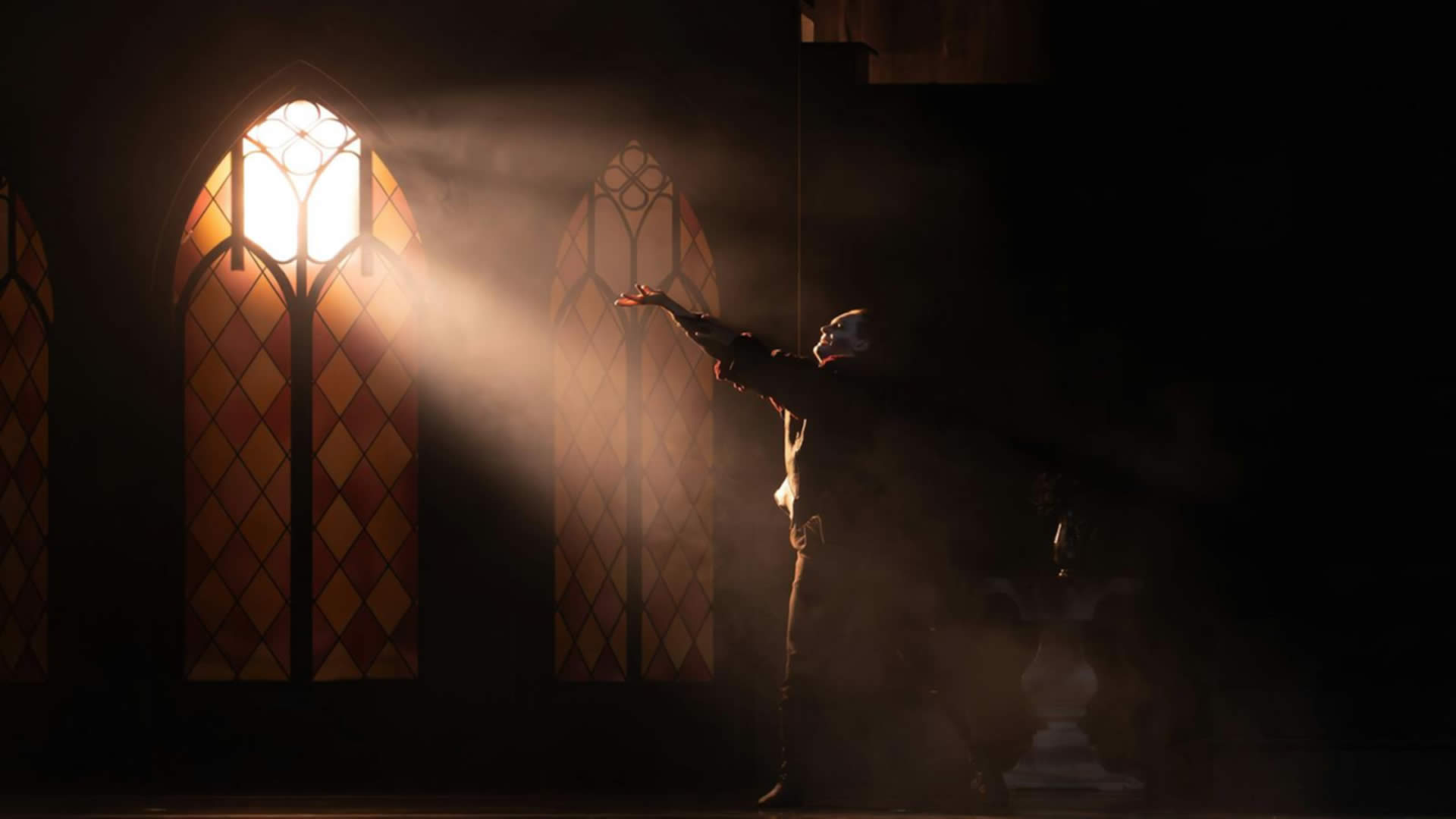
Dracula And The Body As Narrative
At the heart of Dracula is a physical language that replaces exposition. The story is not told in linear terms but in emotional states: pursuit, resistance, surrender, and transformation.
The production’s cast brings together alumni from major international companies, including the Mariinsky Ballet, English National Ballet, Stuttgart Ballet, and the Australian Ballet. Their presence gives Dracula a layered technical precision, but also something less tangible – a shared understanding of ballet as both discipline and expression.
In this world, Dracula becomes less about plot and more about sensation. The vampire figure is not simply character, but condition: attraction and fear existing in the same breath.
Dracula And The Architecture Of Darkness
Lighting plays a central role in shaping Dracula. Shadows are not used merely for effect but as structural elements, carving the stage into shifting territories. One moment expands into openness; the next collapses into confinement.
Within this shifting geometry, Dracula builds its emotional logic. Characters emerge from darkness as if remembered rather than introduced. They retreat into it as if absorbed.
The result is a work that feels cinematic without abandoning the intimacy of live performance. Every gesture is visible, yet never fully explained. The audience is left to navigate the space between what is seen and what is felt.
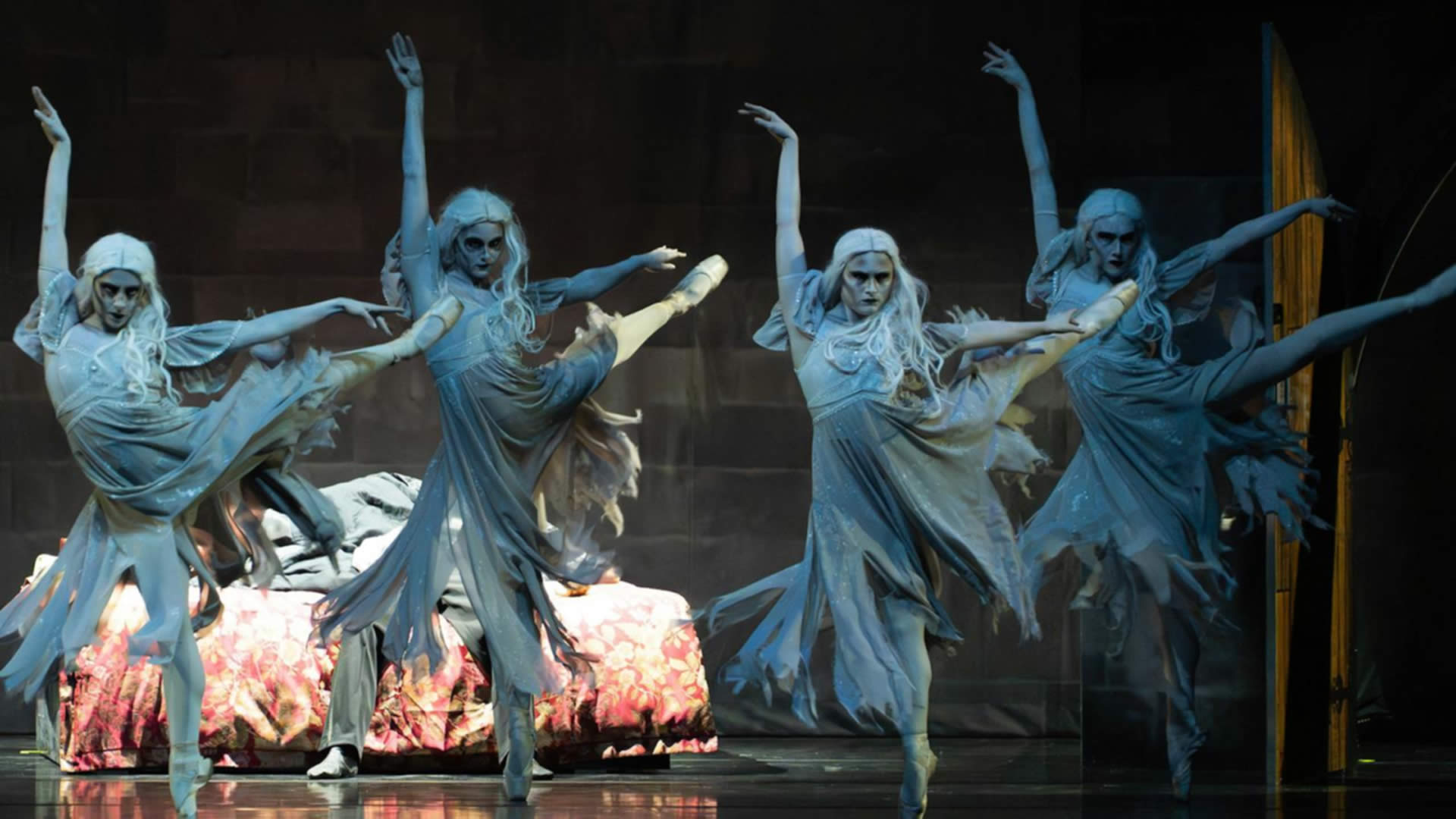
Dracula At The State Theatre Experience
There is a particular stillness that settles over audiences as Dracula begins. It is not silence, exactly, but a shared adjustment – an alignment of attention. The State Theatre amplifies this sensation. Its scale encourages observation from a slight distance, yet the performance draws that distance inward.
Across its 1 hour and 45 minutes, including interval, Dracula moves through its emotional terrain without urgency. Time feels elastic. Moments of intensity are followed by stretches of suspended calm, as though the production is breathing in cycles rather than scenes.
Even the interval carries its own texture: a brief return to foyer light, conversations held softly, the sense that the performance has not paused so much as shifted rooms.
Dracula And The Return Of The Gothic
The enduring appeal of Dracula lies not in horror, but in atmosphere. This production leans into that distinction. The gothic here is not decorative; it is emotional architecture.
In Dracula, romanticism and dread are not opposites but companions. They move through the same space, often indistinguishable until the moment they separate. It is this tension that gives the production its lasting weight.
By the time the final movement arrives, Dracula has already reshaped its own narrative. What remains is less story than impression – a series of emotional afterimages that continue beyond the stage lights.
Event Details
Production: Dracula – Ballet at Its Darkest
Dates: 22–27 September 2026
Duration: 1 hour 45 minutes (including 20-minute interval)
Venue: State Theatre, Sydney
Tickets on Sale: 29 January 2026, 11:00 AM AEDT
Tickets From: $69.90
Booking Link: https://www.ticketmaster.com.au/dracula-tickets/artist/933556?brand=statetheatre&venueId=155858