
Flora arrives at Sydney Opera House in April, uniting The Australian Ballet and Bangarra Dance Theatre in a full-length work exploring renewal through Australian flora.
The harbour holds a pale morning light as ferries draw slow lines across the water. On the Bennelong Point forecourt, the breeze carries salt and conversation in equal measure. Visitors pause at the steps, looking outward, but the focus this April turns inward — toward a stage where movement becomes landscape. Within the sails of the Sydney Opera House, a new work titled Flora gathers breath, bodies and memory into a shared space.
Presented by The Australian Ballet and Bangarra Dance Theatre, Flora is not framed as spectacle but as passage. It arrives as a full-length collaboration between two companies whose artistic languages differ in texture yet converge in attention — to Country, to form, to the subtle transformations that shape living systems. Over eleven nights, the stage becomes a field of shifting light and gesture, tracing the resilience embedded in Australia’s plant life.
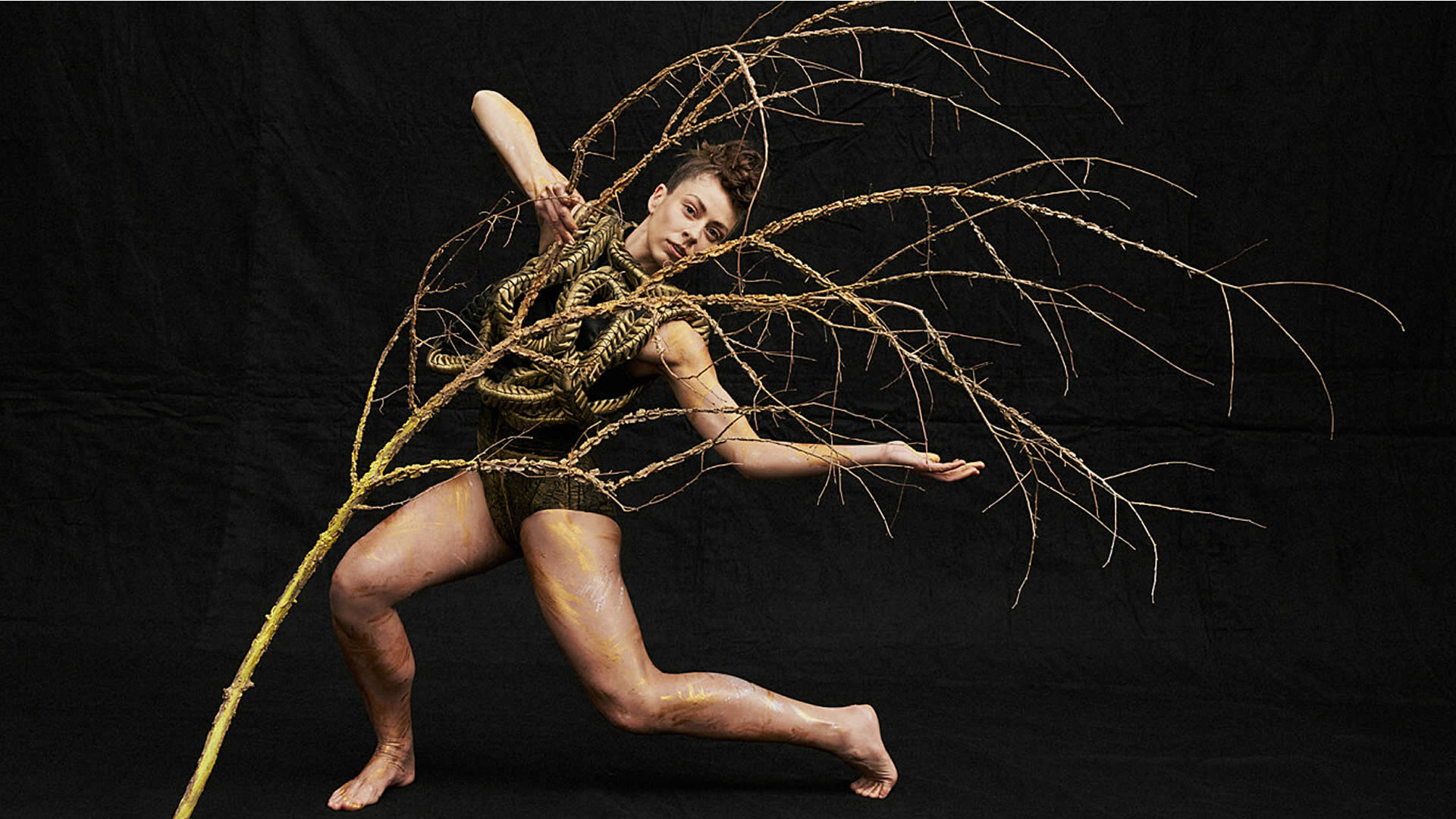
Flora And The Landscape Of Movement
In rehearsal rooms weeks before opening night, dancers move with deliberate restraint. Arms unfold slowly, as though measuring the space around them. The choreography draws from the evolving forms of Australian flora — germination, growth, adaptation — not through literal representation but through rhythm and flow. Bodies tilt, rise, and recede in patterns that echo seasonal change.
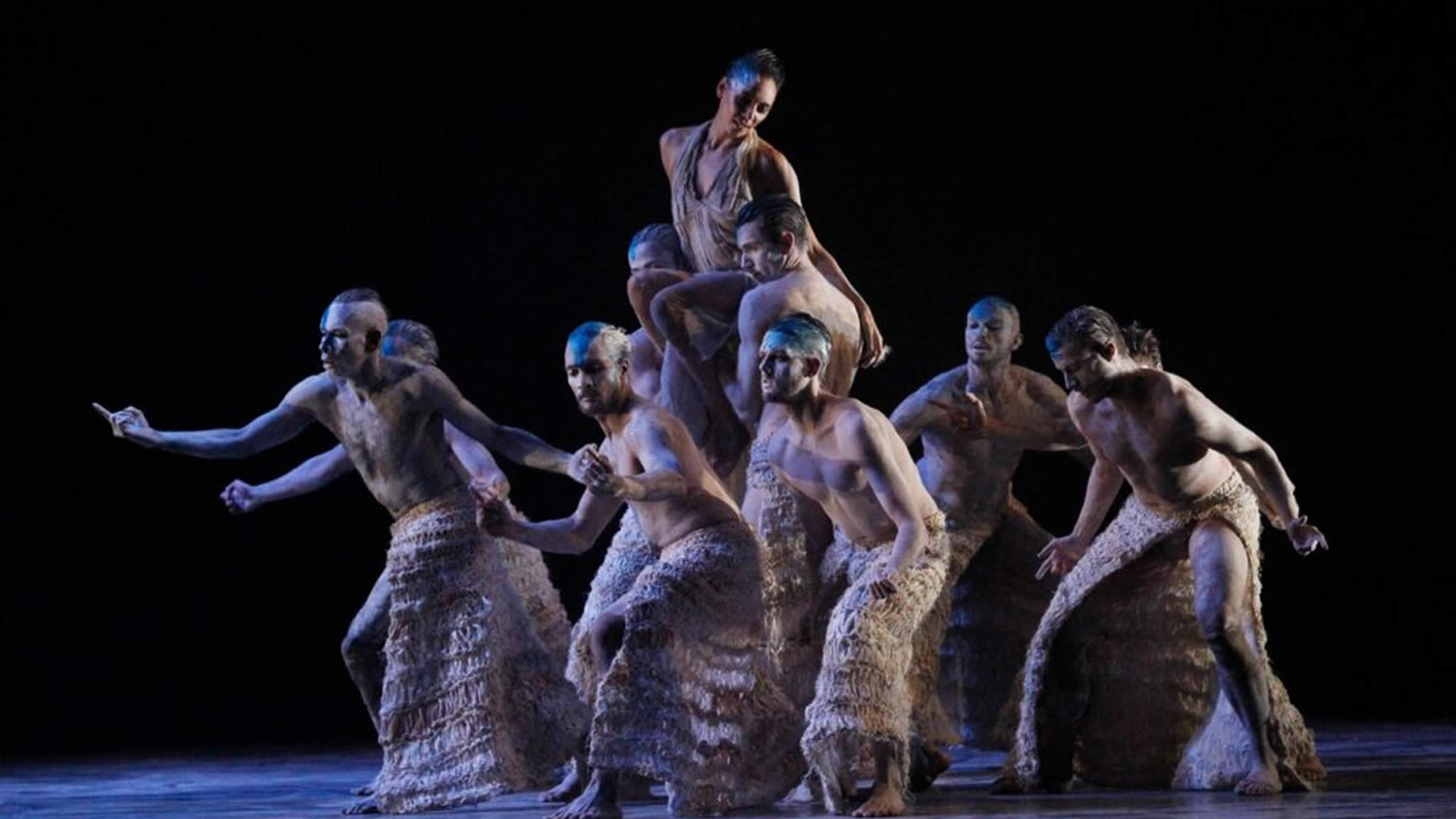
The collaboration brings together more than 35 performers from both companies. Their shared presence creates a layered visual field, where classical lines intersect with grounded movement drawn from Bangarra’s storytelling practice. The result is a conversation of techniques rather than a fusion, allowing each tradition to remain distinct while inhabiting a common narrative.
Music and design contribute quietly to this atmosphere. Lighting shifts from soft dawn hues to deeper tonalities, suggesting the passage of time without marking it explicitly. Costuming reflects texture and environment rather than ornament, reinforcing the sense of continuity between body and landscape.
The Collaboration Behind Flora
This production marks the fourth partnership between The Australian Ballet and Bangarra Dance Theatre, and the first to extend across a full-length format. The scale of Flora allows for a slower unfolding of ideas — less episodic, more immersive. The creative process has emphasised dialogue, with choreographic development shaped by exchange rather than hierarchy.
At the centre of the work lies a reflection on resilience. Australian flora has evolved through cycles of drought, fire and renewal, adapting to conditions that demand endurance. The performance interprets these processes through movement that is at once restrained and expansive, suggesting survival as both physical and cultural continuity.
For audiences, the experience unfolds gradually. Rather than guiding interpretation, the production invites observation. Each sequence offers a different perspective on growth and change, allowing meaning to emerge through repetition and variation.
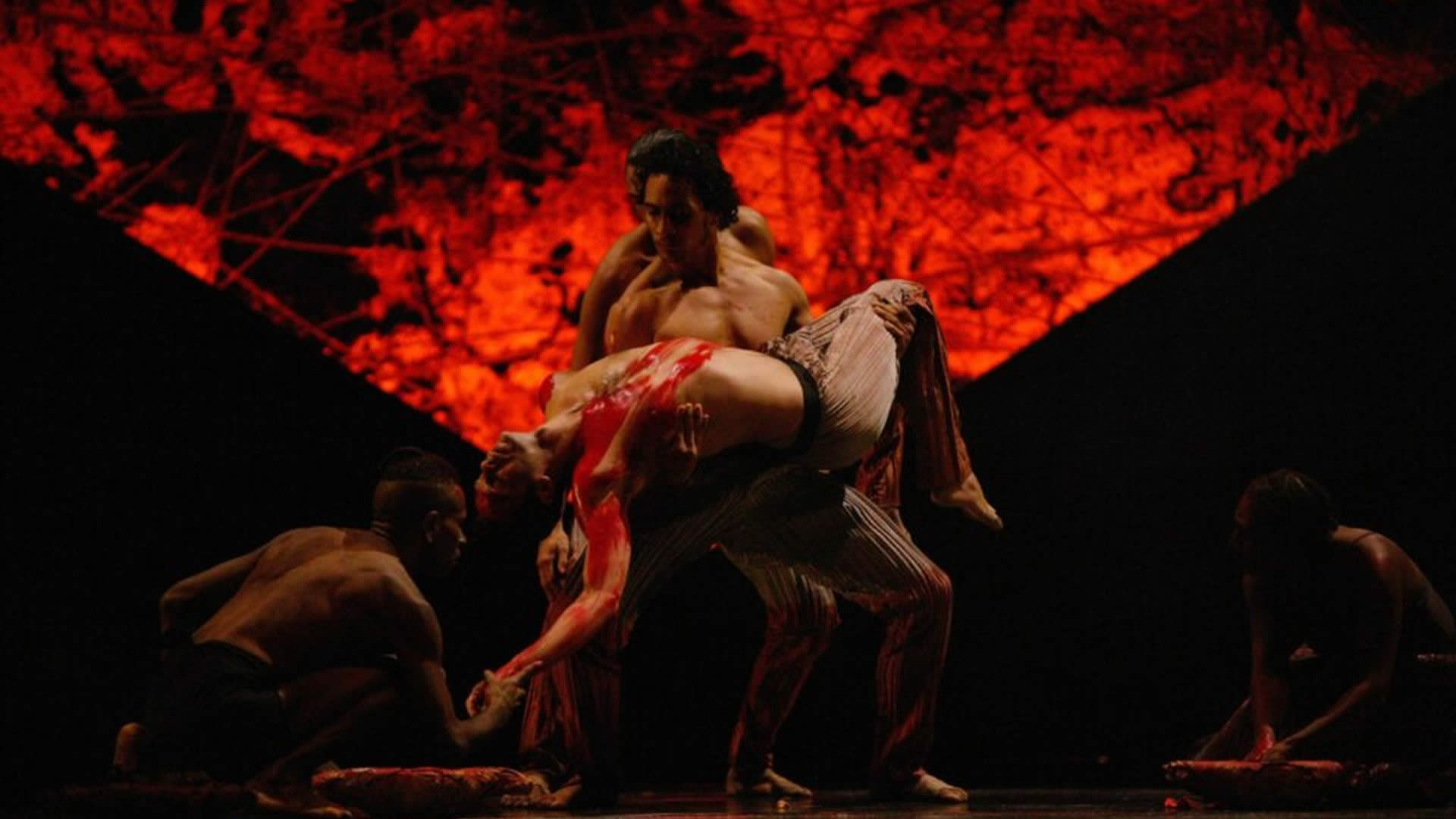
Flora In The Setting Of Sydney
The Sydney Opera House provides more than a venue; it offers a contextual frame. The building’s geometry, poised between land and water, mirrors the thematic balance of Flora. Inside, the auditorium’s scale holds the dancers within a defined horizon, while the surrounding harbour reminds audiences of the broader environment that shapes the work’s imagery.
April in Sydney carries a transitional quality. Summer’s intensity softens, and evenings arrive earlier. This seasonal shift aligns with the production’s tone, emphasising transformation without urgency. The timing of the season allows the performance to resonate with the city’s own rhythms — a reminder that change is both constant and cyclical.
Audience members enter the theatre carrying their own experiences of landscape — suburban gardens, coastal bushland, urban parks. These personal references subtly inform the way the performance is received. Flora becomes a shared reflection, grounded in place yet open to interpretation.
Experiencing Flora As A Shared Encounter
As the performance progresses, attention settles into a collective stillness. Movement accumulates gradually, building a sense of continuity rather than climax. Moments of quiet intensity alternate with expansive ensemble passages, suggesting the interplay between individual presence and ecological system.
The collaboration’s scale is evident not in volume but in texture. Group formations shift like weather patterns, dispersing and reforming. Solo sequences emerge briefly before dissolving back into the ensemble. The visual field remains in flux, mirroring the dynamics of living environments.
When the final sequence concludes, the transition back to the outside world is unhurried. The audience disperses onto the forecourt, where night air replaces stage light. Conversations resume softly. The harbour reflects the city’s illumination, and the performance lingers as an impression rather than a conclusion.
Flora offers no singular message. Instead, it leaves a sensory trace — a reminder of interdependence, of cycles that continue beyond observation. In Sydney’s autumn light, the work becomes part of the city’s seasonal memory, a brief alignment of art and environment.
Event Information
Sydney Opera House, Sydney NSW
7 — 18 April 2026
Presented by The Australian Ballet & Bangarra Dance Theatre
Official Information & Tickets: https://www.sydneyoperahouse.com