
A new film explores the life and legacy of Franz Kafka. Franz: Becoming Kafka arrives in Australian cinemas on 21 May 2026, tracing the writer’s strange and enduring world.
Early light reaches the narrow streets of Prague slowly. It slips between stone façades and quiet courtyards where footsteps echo longer than expected. In the Old Town, cafés are opening their doors, the smell of coffee drifting through streets that once shaped the imagination of Franz Kafka.
Kafka’s presence here has always felt slightly elusive. His stories are steeped in place – offices, apartments, corridors, anonymous streets – yet the worlds he created hover somewhere between dream and bureaucracy. More than a century after his birth, his work continues to define the language of modern unease.
This May, Australian audiences will encounter Kafka again through a different lens. The new film Franz: Becoming Kafka, directed by Agnieszka Holland, arrives in cinemas nationwide on 21 May 2026, offering a layered portrait of the writer whose strange visions shaped twentieth-century literature.
Rather than retelling a life in strict chronological order, the film moves through fragments – memory, history, imagination – mirroring the unsettled landscapes that Kafka himself so often described.
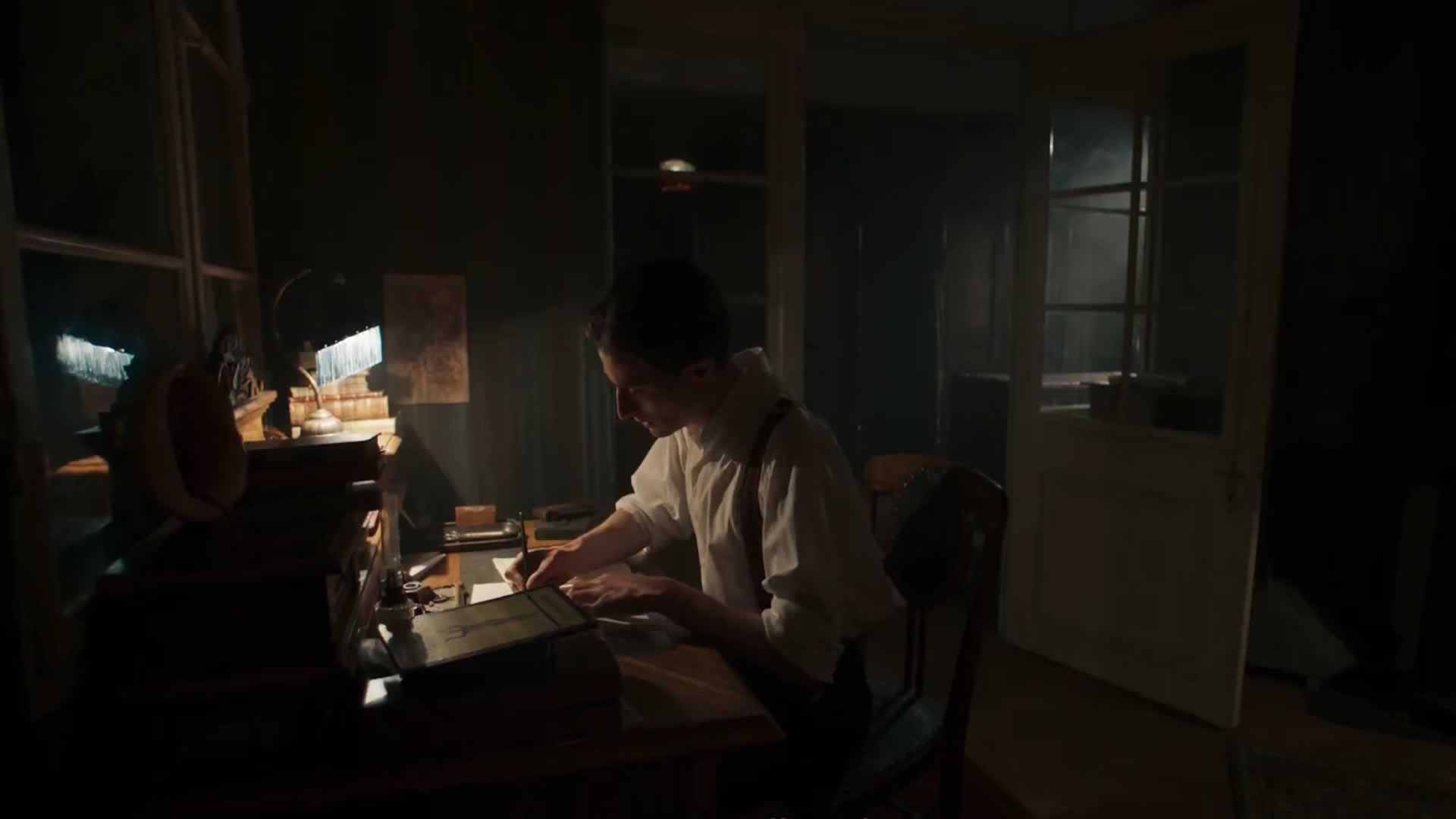
Franz Kafka And The Birth Of A Literary World
Kafka’s stories rarely begin with explanations. In The Metamorphosis, a travelling salesman wakes to find himself transformed into an insect. In The Trial, a man is arrested for a crime that is never named.
These narratives are not simply surreal; they reveal something painfully familiar. Anonymous authorities, endless corridors of paperwork, the quiet dread of systems that seem impossible to understand.
Born in Prague in 1883, Kafka lived much of his life working as an insurance clerk while writing late into the night. His notebooks and letters reveal a restless mind – one caught between duty, family expectations and the persistent urge to write.
What makes Franz: Becoming Kafka compelling is its refusal to present Kafka only as a solemn literary monument. Instead, the film approaches him as a young man navigating the uncertainties of early twentieth-century Europe – a figure shaped as much by friendships, relationships and humour as by existential anxiety.
Through shifting scenes and perspectives, the film traces the emergence of the voice that would later echo through generations of writers.
Franz Kafka Through Agnieszka Holland’s Lens
Few filmmakers are better suited to telling this story than Agnieszka Holland. Known for historical dramas that blend personal stories with wider political currents, Holland approaches Kafka with curiosity rather than reverence.
Her previous films, including Europa, Europa and In Darkness, often explore individuals caught inside larger systems – a theme that resonates naturally with Kafka’s work.
In Franz: Becoming Kafka, Holland avoids the conventional structure of a literary biopic. Instead, she constructs what she has described as a “mosaic” portrait. Scenes from Kafka’s life drift alongside interpretations of his writing, moments of imagination intersecting with historical reality.
The result is less a straightforward biography and more an attempt to step inside the writer’s mind – to understand how a quiet office worker in Prague became one of literature’s most influential voices.
The film premiered at the Toronto International Film Festival and later screened at the San Sebastián International Film Festival and the Busan International Film Festival, drawing attention for its inventive structure and emotional depth.
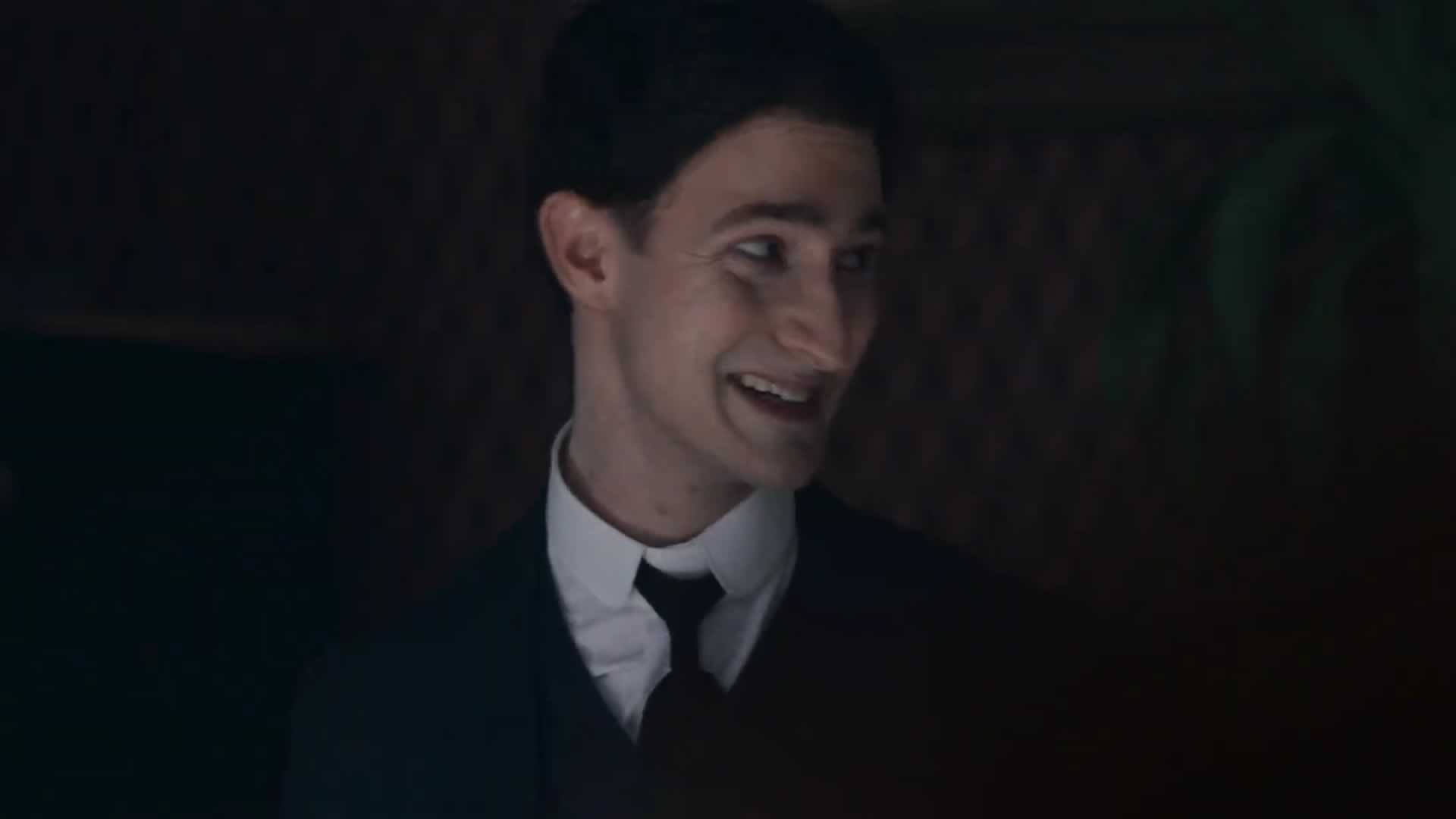
From Prague To Vienna: The Life Behind Franz Kafka
Kafka’s life unfolded across cities that were themselves changing rapidly. The Austro-Hungarian Empire was nearing its final decades. National identities were shifting, and the modern bureaucratic state was expanding.
For Kafka, these changes were both background and inspiration.
He spent most of his life in Prague, yet his final years led him to Vienna and later to sanatoriums where he sought treatment for tuberculosis. Throughout these years he wrote stories and novels that would only gain global recognition after his death in 1924.
Much of Kafka’s work survived thanks to his friend Max Brod, who famously ignored the writer’s request that his manuscripts be destroyed.
Today, Kafka’s language – “Kafkaesque” – has become shorthand for the strange logic of modern institutions. It appears in political commentary, legal discussions, even everyday conversation.
What Franz: Becoming Kafka suggests is that this sensibility did not emerge from abstraction alone. It grew from the texture of daily life: offices filled with forms, letters unanswered, expectations quietly pressing in.
Franz Kafka In Cinemas Across Australia
When Franz: Becoming Kafka arrives in Australian cinemas this May, it will invite audiences to reconsider a writer often reduced to a single adjective.
Distributed locally by Sharmill Films, the film speaks not only to readers familiar with Kafka’s work but also to viewers encountering him for the first time.
For those who know his stories, the film offers a deeper context – glimpses of the friendships, anxieties and historical currents that shaped his imagination. For newcomers, it serves as a doorway into one of literature’s most singular voices.
Kafka’s world may have been formed in the streets of Prague more than a century ago, yet its themes remain strikingly contemporary. Questions about identity, bureaucracy, belonging and isolation still echo through modern life.
Perhaps that is why Kafka’s writing endures: it captures a feeling that many recognise but struggle to name.
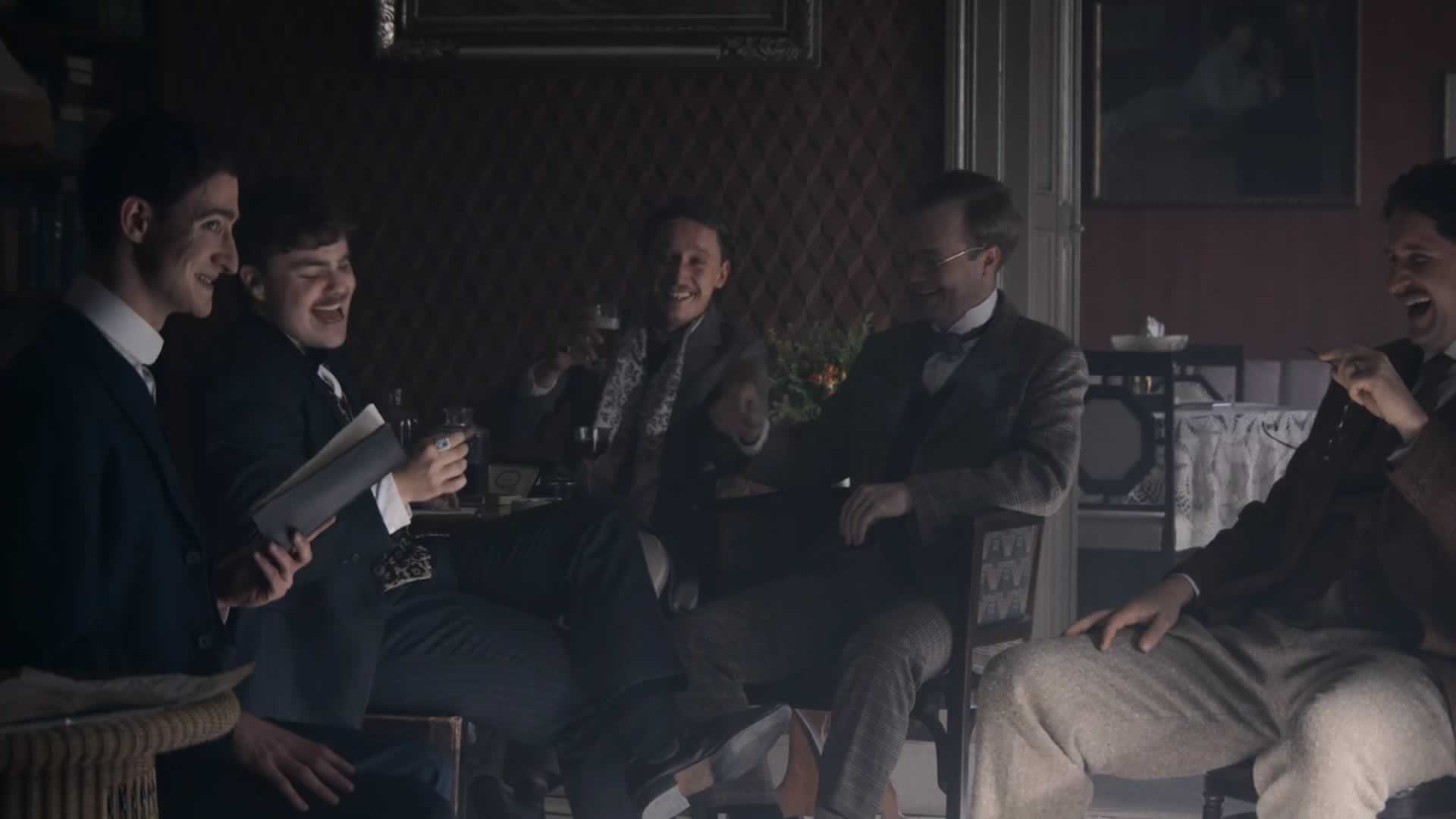
The Quiet After The Page
As evening settles again over Prague, the city grows quieter. Tramlines hum softly and the lights of apartment windows glow above the cobblestones.
Somewhere in those streets, a young writer once walked home from work, carrying the uneasy thoughts that would later become stories read around the world.
Kafka could hardly have imagined the reach of his imagination – or that, more than a century later, audiences in Australian cinemas would still be tracing the outlines of his strange, haunting world.
With Franz: Becoming Kafka, that world briefly returns to life on screen.
Event Details
Film: Franz: Becoming Kafka
Director: Agnieszka Holland
In Australian Cinemas: 21 May 2026
Distributor: Sharmill Films
Official Website: https://www.sharmillfilms.com.au