
Hothouse Flowers The Factory 2026 captures a soulful Sydney gathering shaped by connection, heritage, and atmosphere inside The Factory Theatre.
Sydney’s industrial edges carry their own form of quiet expectancy. Within the open interior of the The Factory Theatre, atmosphere gathers not through scale but through proximity. Hothouse Flowers The Factory 2026 unfolds within this environment as reunion rather than reintroduction. The images by Richard Hedger frame a performance defined by connection sustained across distance and time.
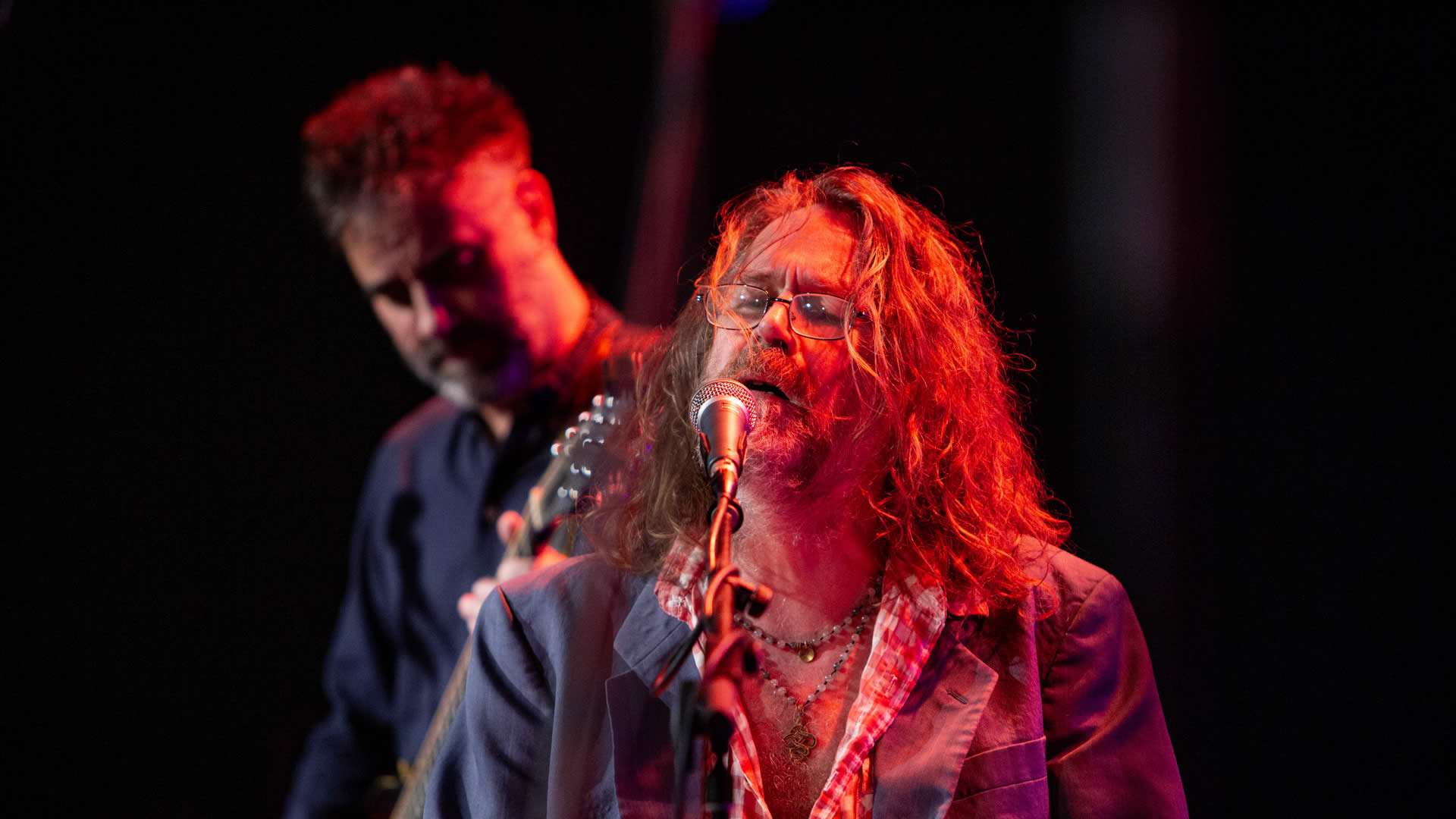
The opening moments suggest familiarity rather than arrival. The band steps into the space with the ease of recognition, as though continuing a conversation paused years earlier.
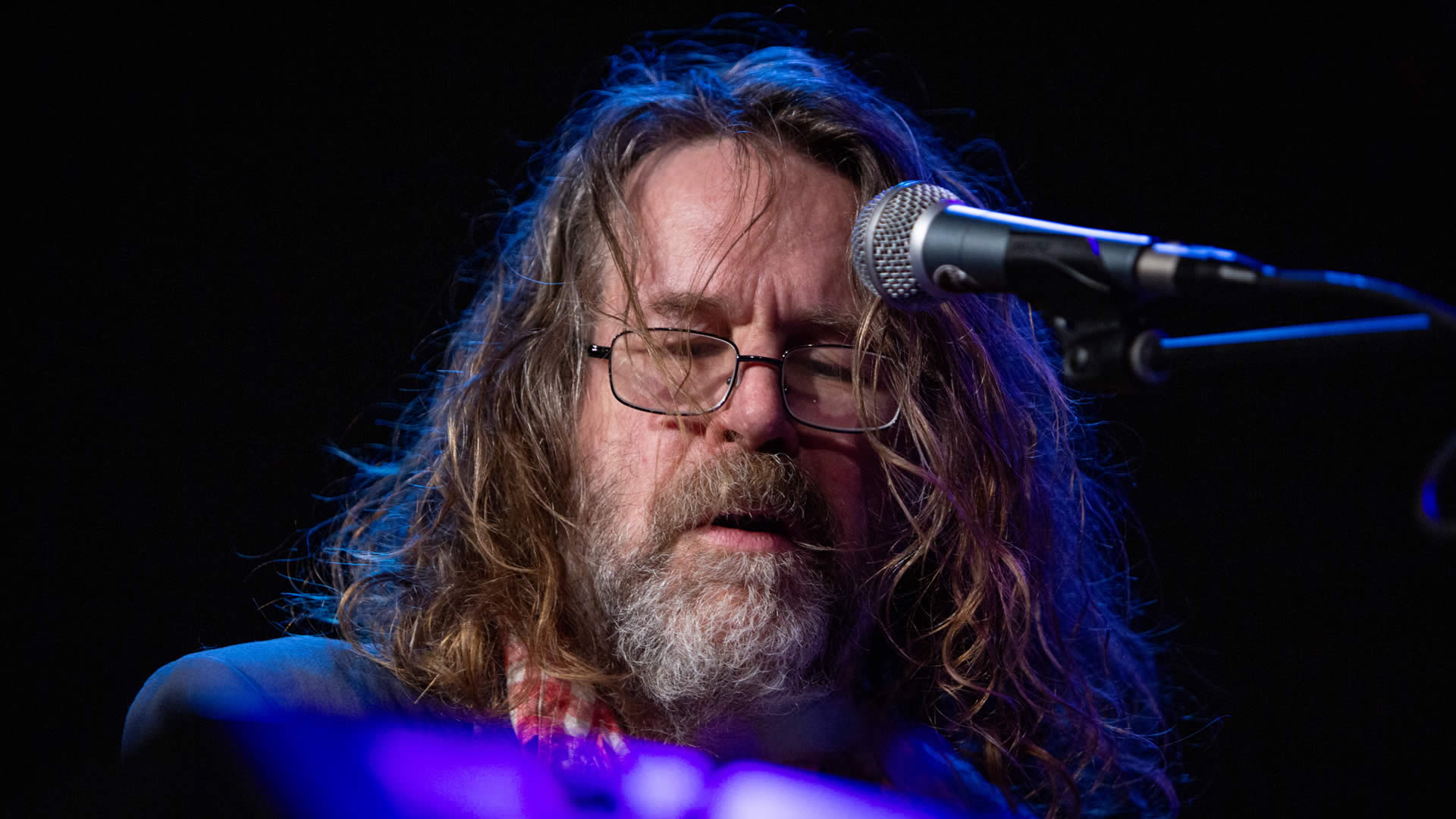
Hothouse Flowers The Factory 2026 And The Language Of Gathering
Music emerges as a fluid exchange between rock, folk, and gospel influences. Rather than separate traditions, the performance presents a unified language shaped by rhythm and voice. Hothouse Flowers The Factory 2026 is guided by mood rather than structure, allowing transitions to occur organically.
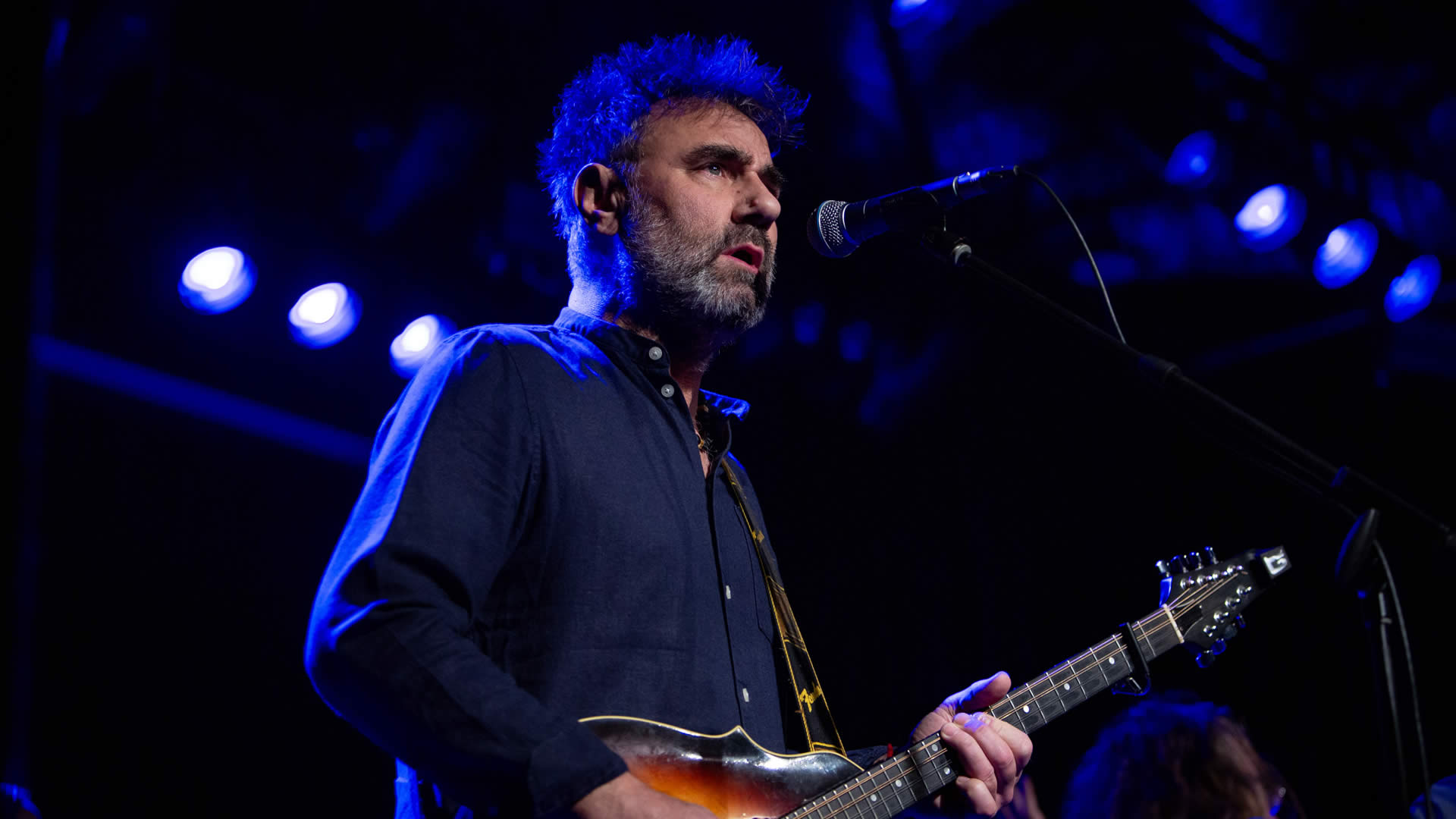
Liam Ó Maonlaí anchors the performance through movement between piano, traditional instrumentation, and improvised passages. These shifts appear not as change but as continuity. The music breathes, expands, and contracts according to collective response.
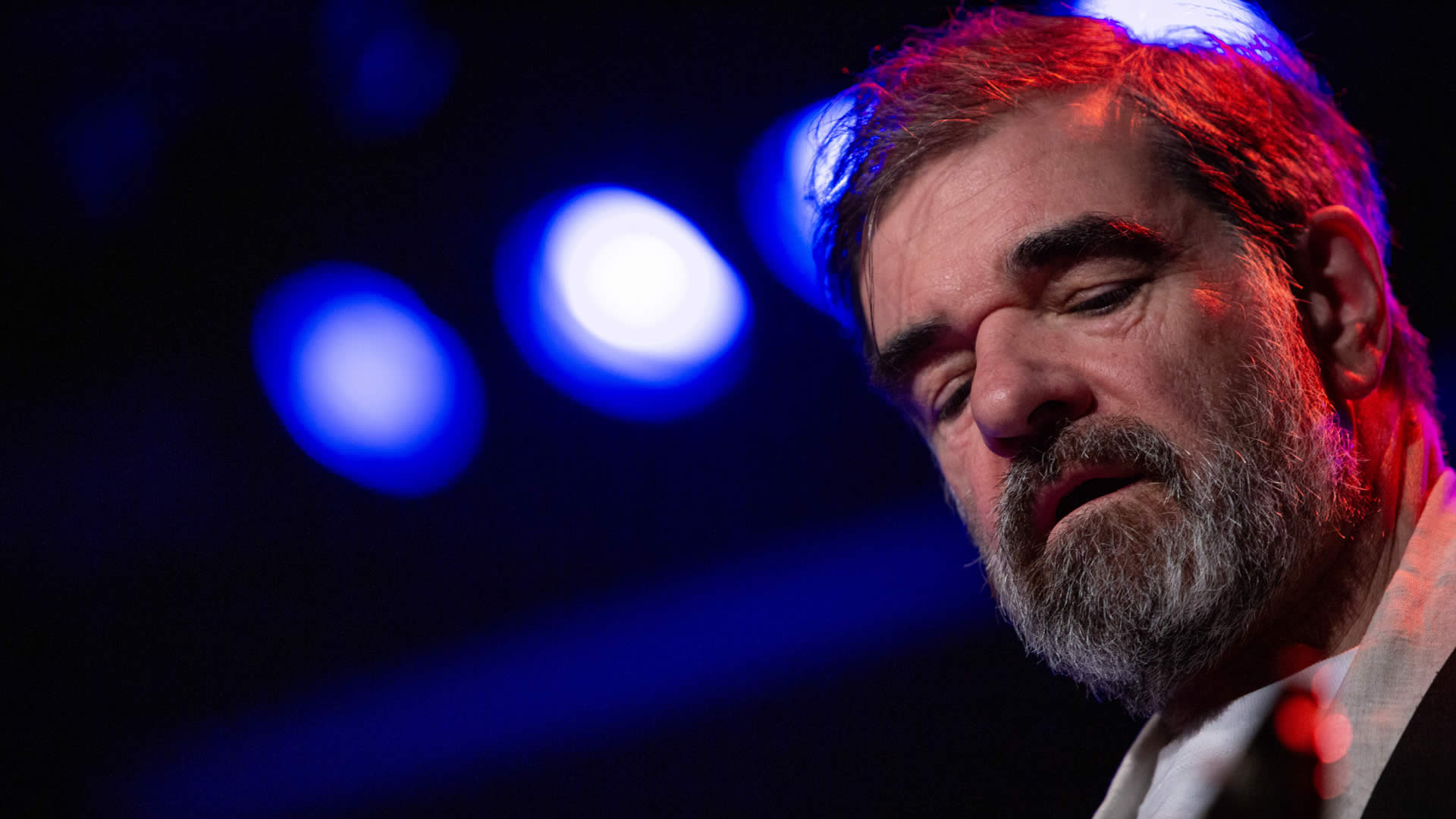
Familiar songs — “Movies,” “I Can See Clearly Now,” “Give It Up,” and “Don’t Go” — function less as highlights and more as points of recognition. Audience participation emerges as presence rather than display.
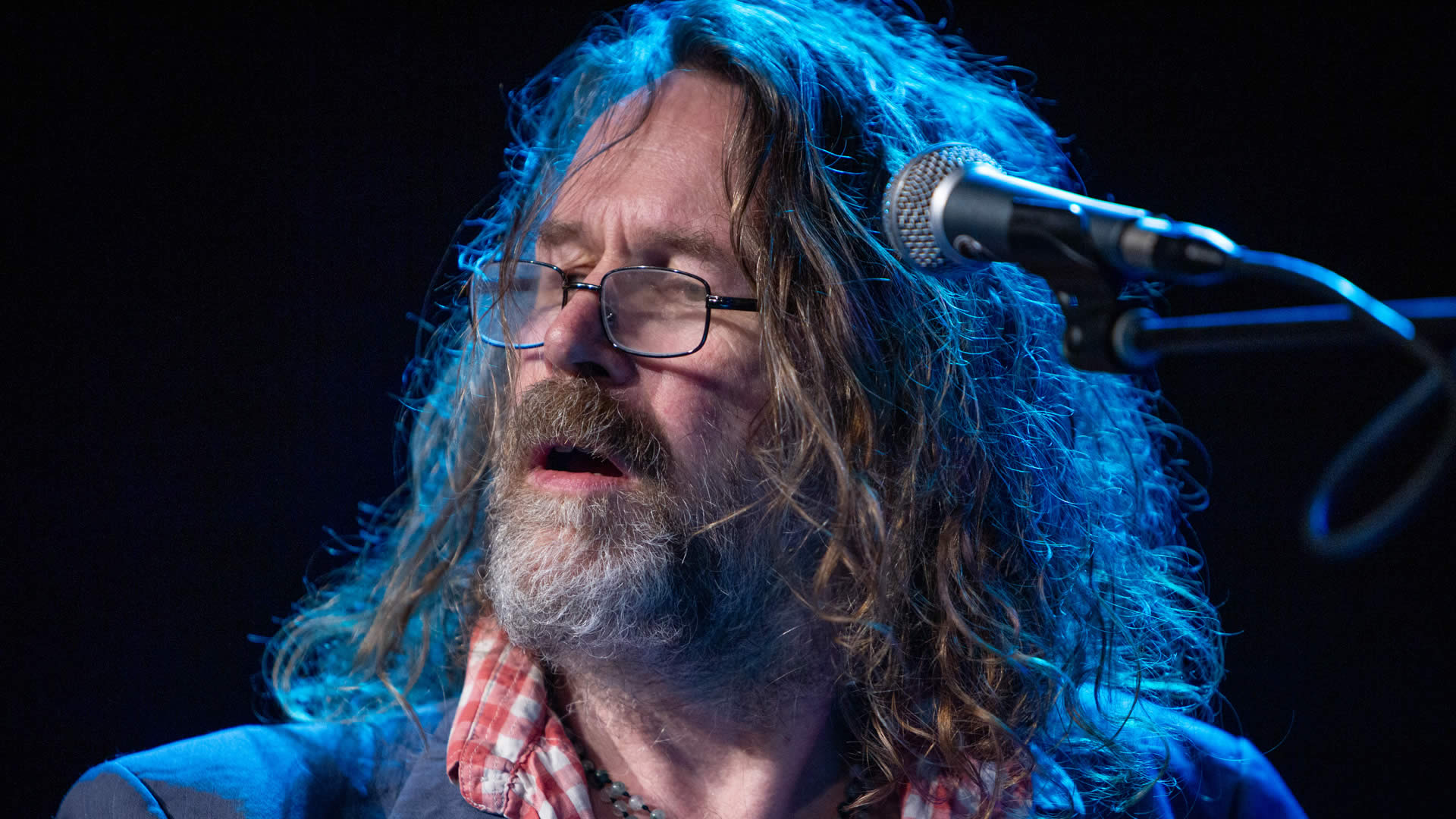
Collaboration Within Hothouse Flowers The Factory 2026
A defining dimension of the evening is the collaboration with Aboriginal Australian multi-instrumentalist William Barton. His contribution extends the tonal landscape, introducing textures that deepen rather than alter the performance’s identity.
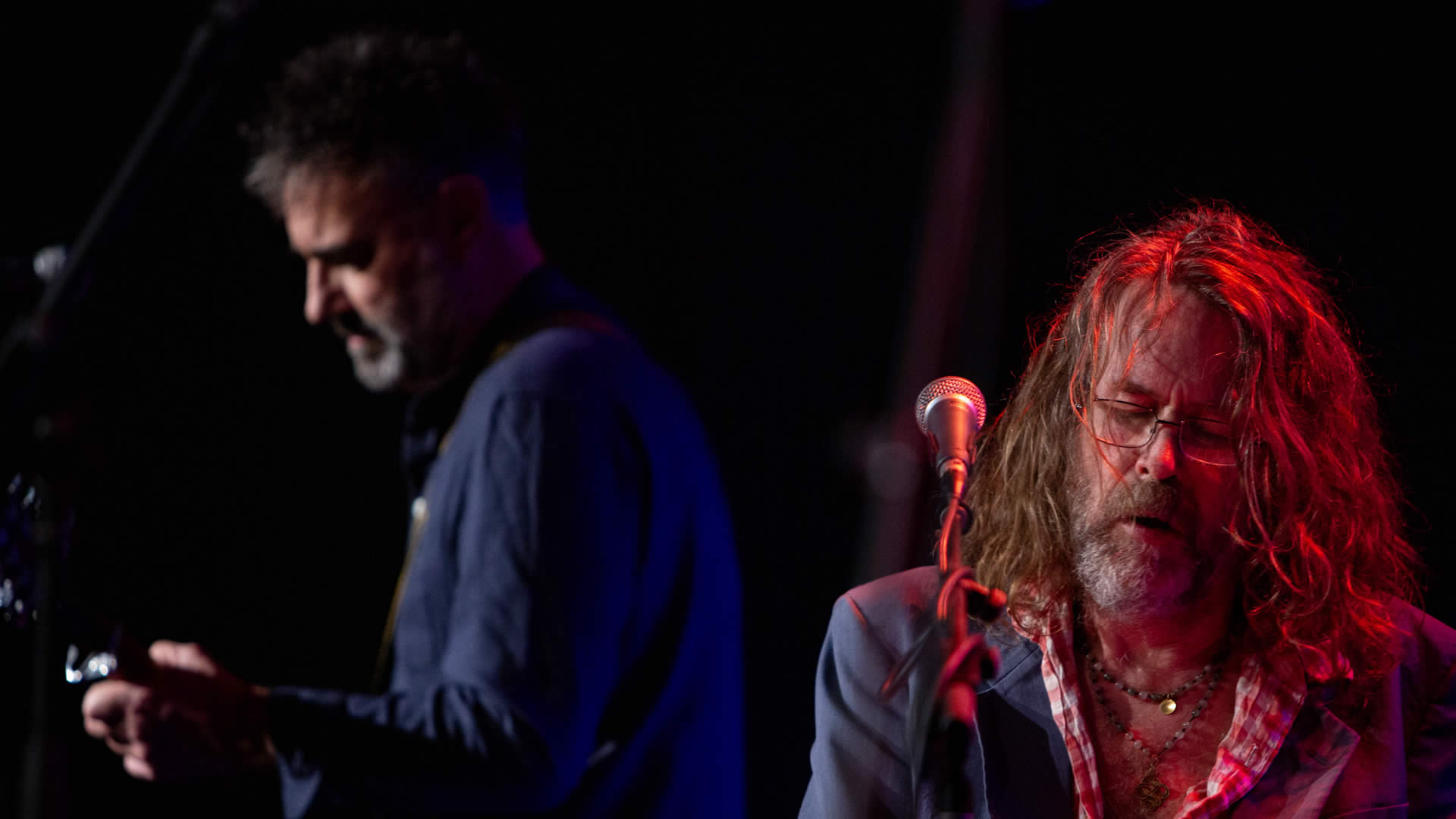
The sequence of moments reflects attentive exchange. Musicians listen as closely as they perform, shaping sound collectively. Hothouse Flowers The Factory 2026 becomes a meeting place of traditions without hierarchy, guided by responsiveness rather than arrangement.
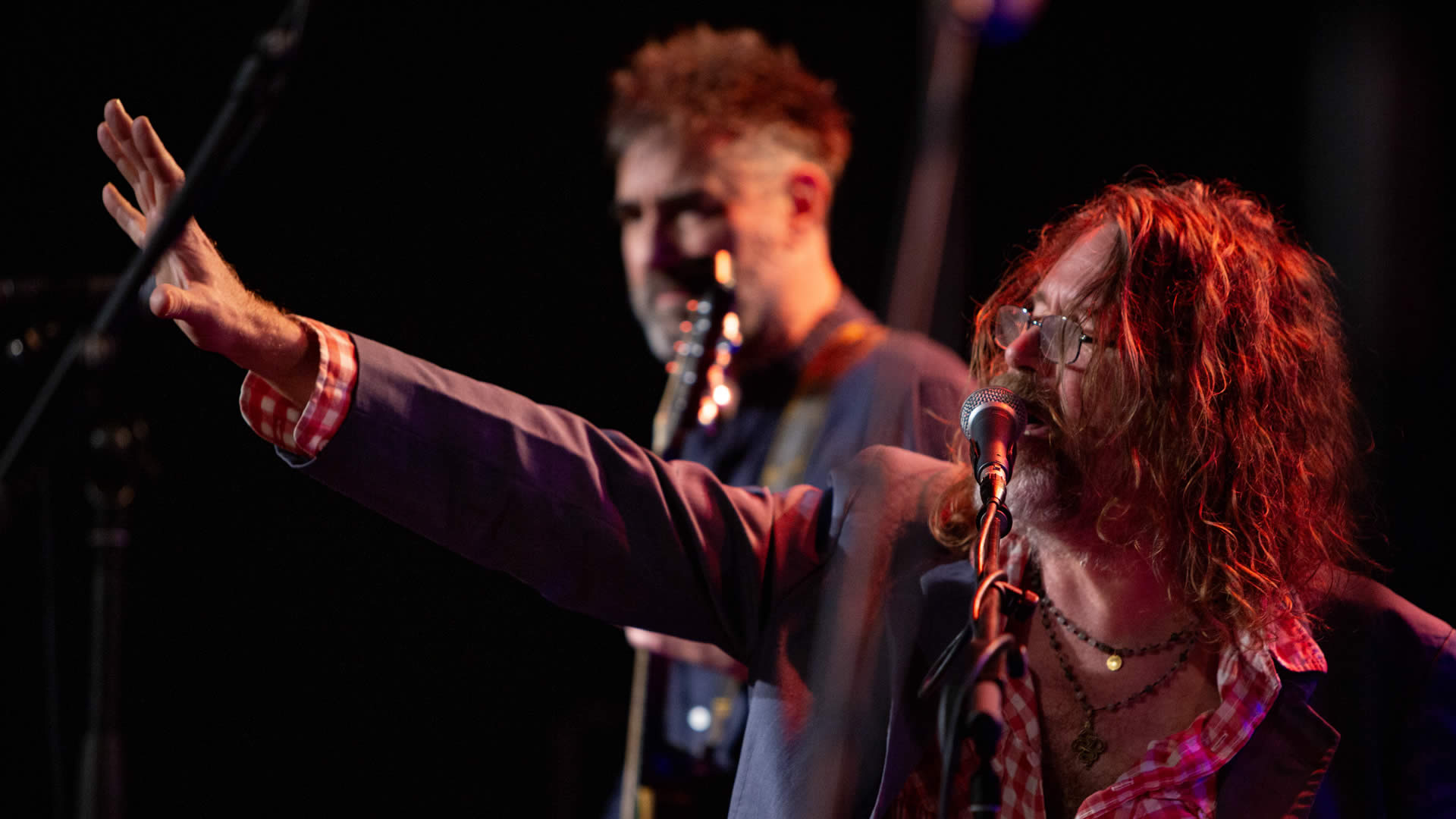
Atmosphere And Continuity In Hothouse Flowers The Factory 2026
Energy gathers gradually across the evening. Improvised passages lengthen. Rhythms grow more expansive. Yet the performance remains grounded in connection. Hothouse Flowers The Factory 2026 does not build toward climax; it sustains presence.
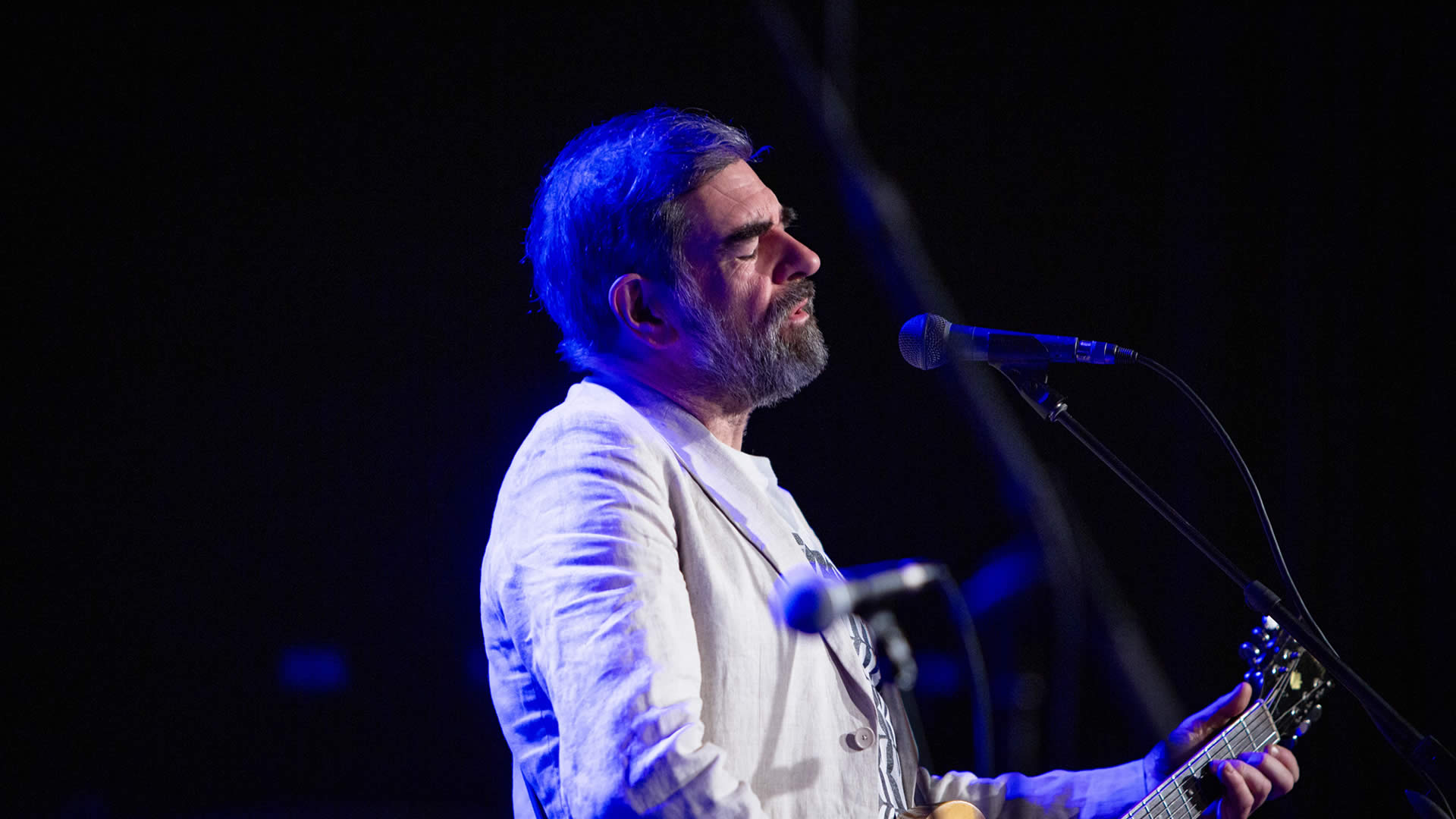
The closing movement suggests circulation rather than conclusion. Sound moves through the space with an ease that reflects shared attention. The venue itself appears to hold the performance, its architecture shaping the experience as much as the music.
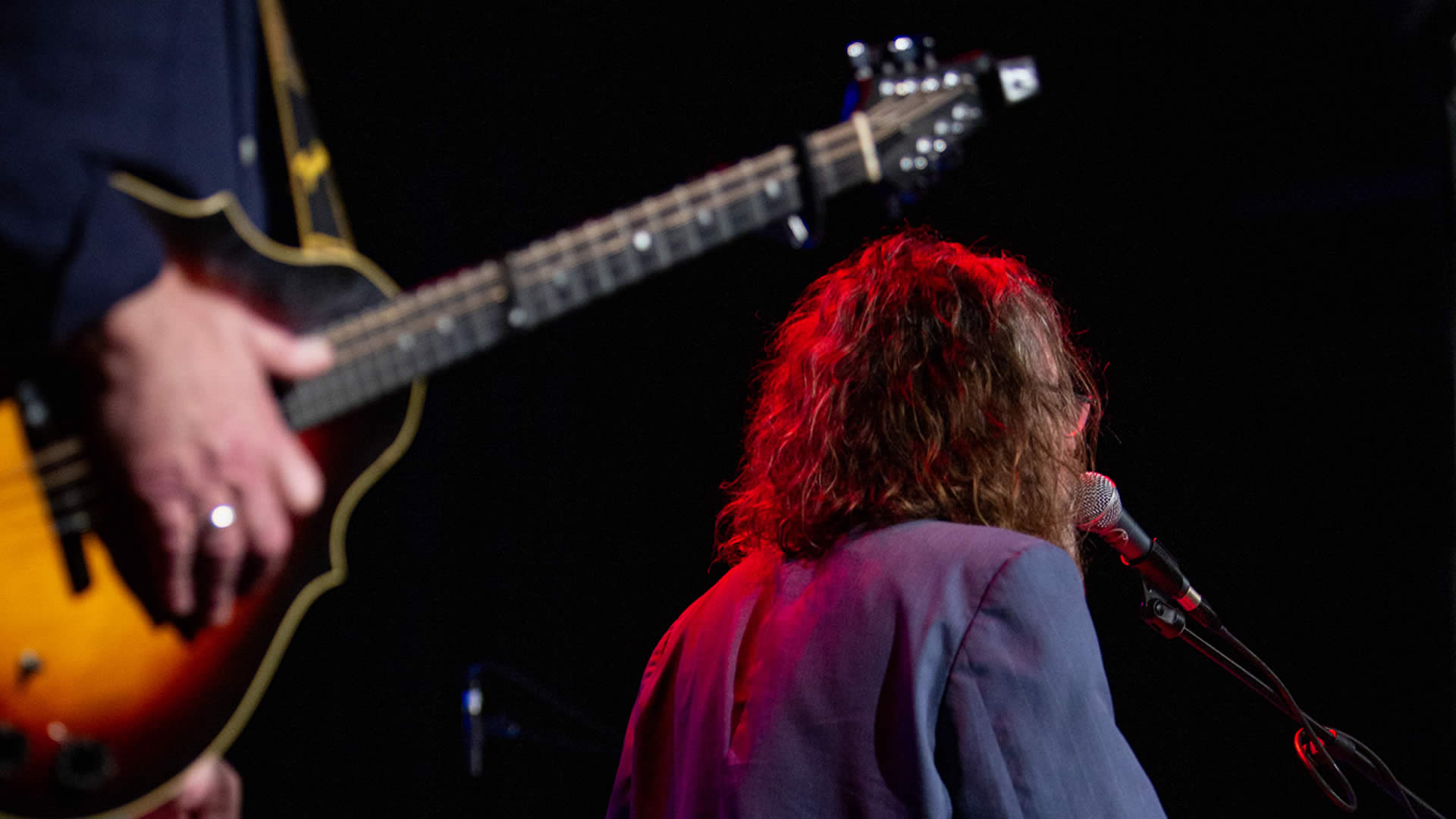
The Enduring Resonance Of Hothouse Flowers The Factory 2026
When the final moments settle, departure is unhurried. Conversations linger. The atmosphere persists beyond the stage, carried outward through memory and recognition.
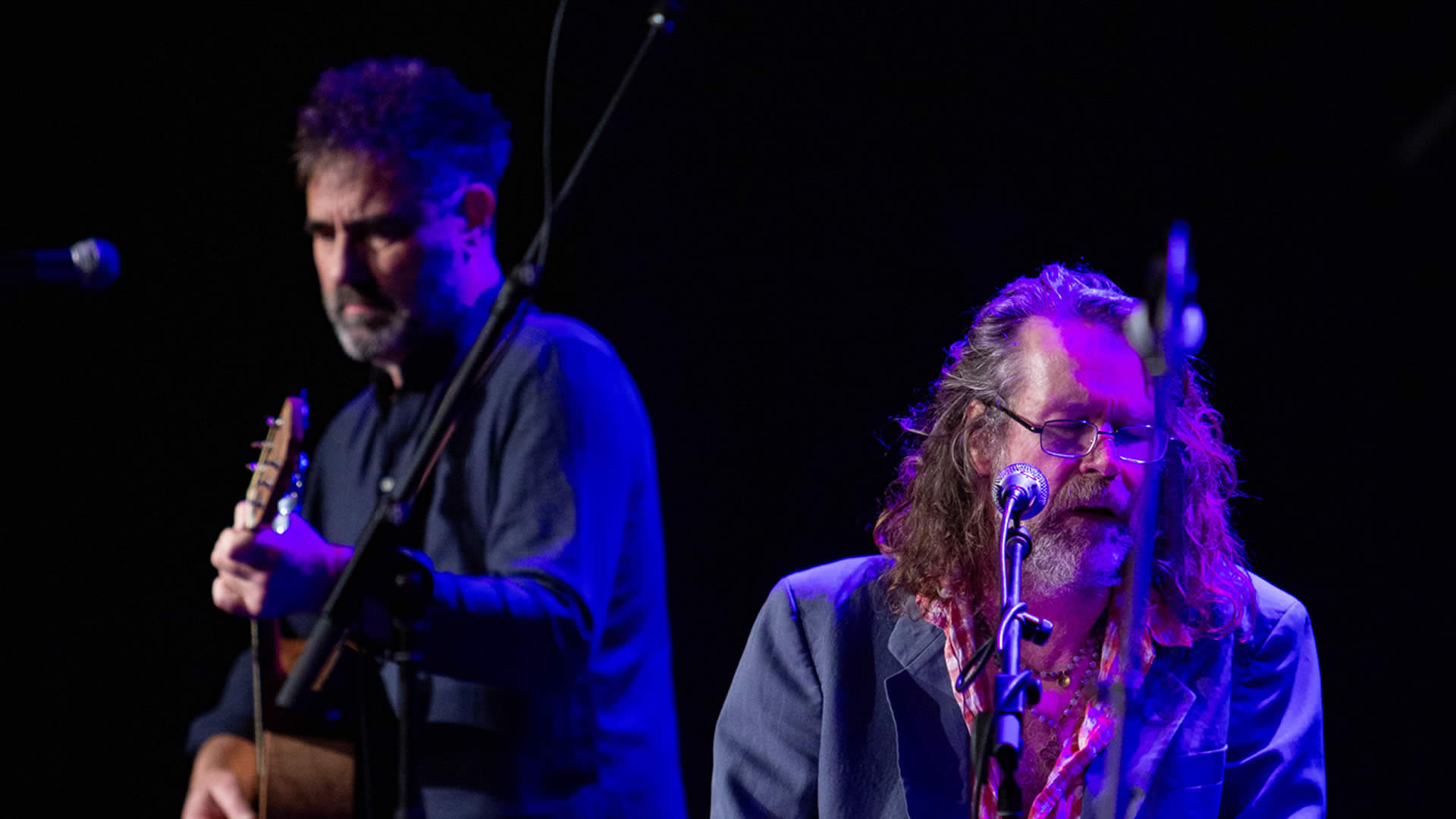
Hothouse Flowers The Factory 2026 presents music as encounter rather than presentation. It reveals how distance, time, and return can deepen rather than diminish connection. The evening remains defined not by scale but by presence — a gathering shaped by listening, exchange, and continuity.
Review And Photographs By: Richard Hedger
Official Link: https://www.instagram.com/richardhedgerphotography/