
In Paradisum at St James’ Church Sydney on 30 May 5pm with Sydney Chamber Choir traces sacred choral works of light, love and reflection.
By the time late afternoon settles over Sydney’s CBD, King Street has already shifted through several moods. Office crowds thin, traffic softens into a steady rhythm, and the sandstone façade of St James’ Church begins to hold light differently – less reflective than absorptive, as though it has been waiting all day for evening to arrive.
Inside, the air is cooler. Stone columns rise into shadow, and the nave stretches forward with a quiet, almost maritime sense of depth. This is a space that has learned how to hold silence without strain. It is here that In Paradisum begins to take shape – not as a performance yet, but as a gathering of attention.
There is a particular stillness before choral music begins. It is not empty, but expectant. In this stillness, In Paradisum feels already present, moving through the room before the first note is sounded.
In Paradisum And The Architecture Of Listening
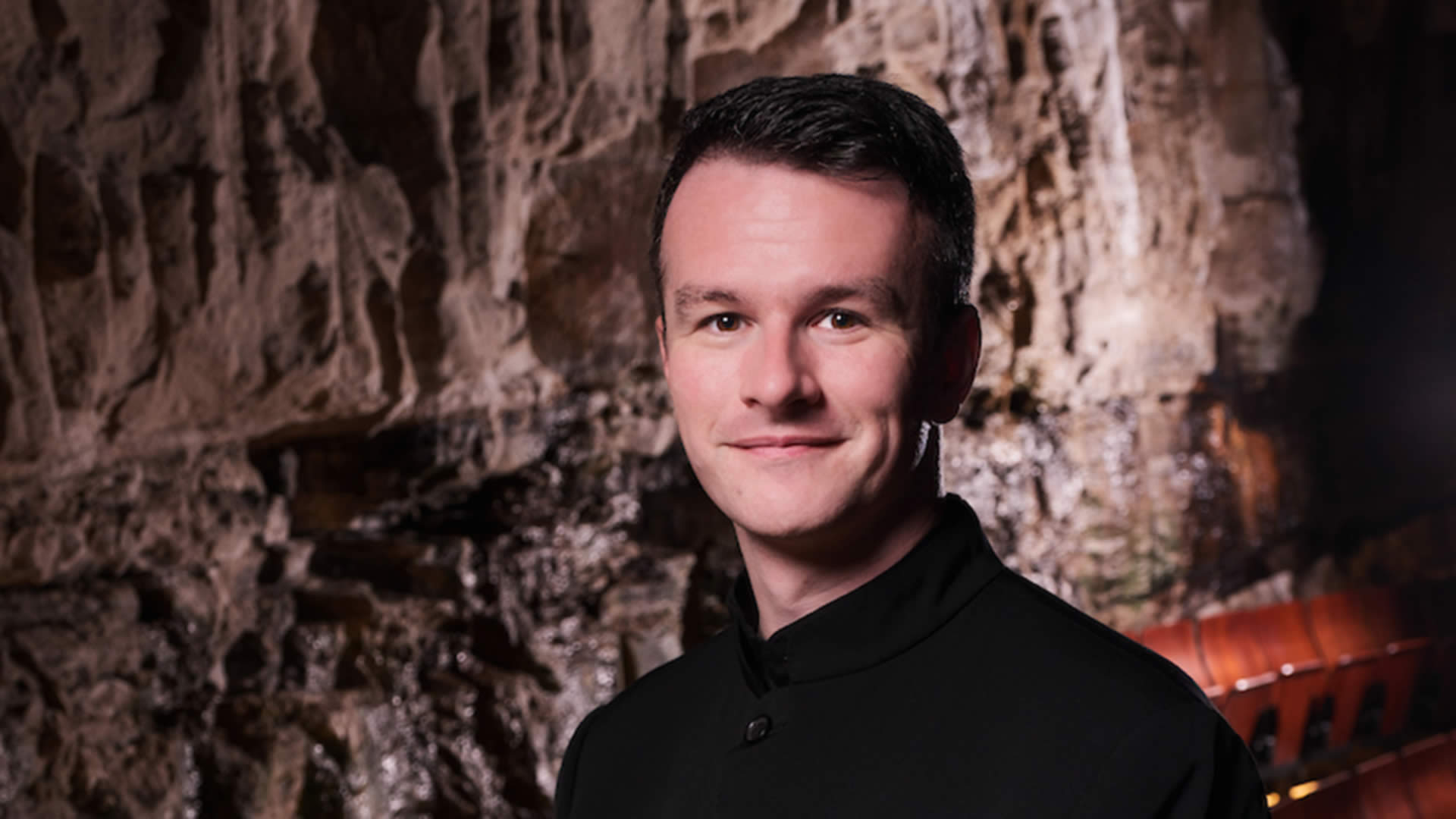
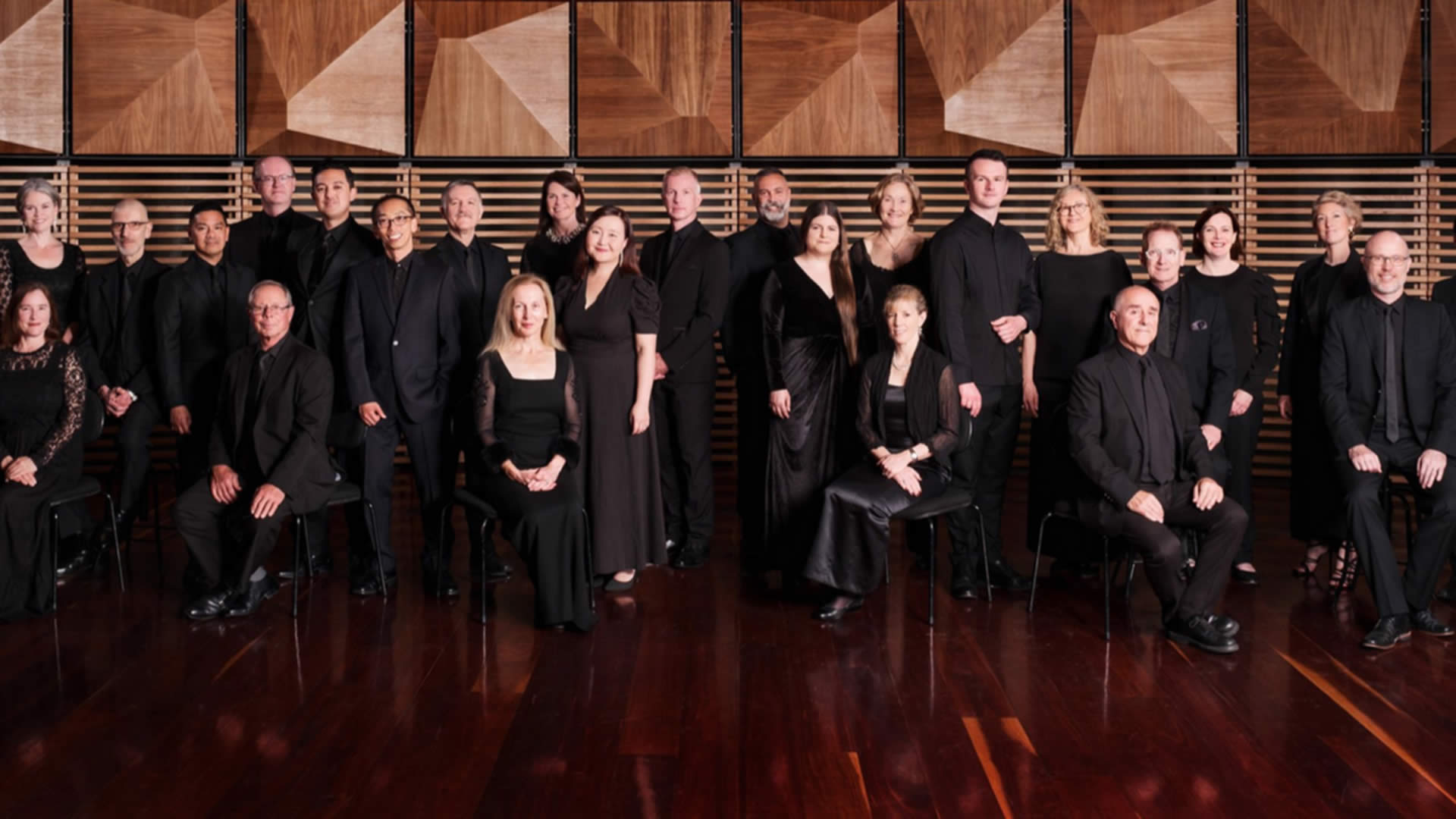
The Sydney Chamber Choir enters without disruption. There is no theatrical arrival, only positioning, breath, and alignment. Conductor Sam Allchurch raises his hands, and the space adjusts itself in response.
The first sounds of In Paradisum are not loud, but precise. They emerge into the church’s acoustic like light entering water – diffused, extended, gently reshaped by the architecture. St James’ does not amplify so much as translate. Every phrase becomes spatial as much as musical.
Galina Grigorjeva’s In Paradisum sits at the centre of the program’s opening arc. Its lines feel suspended rather than driven forward, as though time itself has been slightly loosened. In this setting, In Paradisum is less a title than a condition of listening – one in which sound is allowed to linger beyond its immediate function.
In Paradisum: Nordic Stillness And Sacred Resonance
As the program unfolds, In Paradisum moves through a landscape shaped by Nordic and Estonian voices. Each work carries its own temperature, yet all seem to share a certain restraint – an attention to space between notes as much as the notes themselves.
Edvard Grieg’s Ave Maris Stella arrives with a quiet radiance. Its harmonies do not declare themselves; they unfold. The choir’s sound feels carefully balanced against the church’s natural resonance, allowing phrases to drift rather than project.
Knut Nystedt’s Stabat Mater introduces a different register. Here, In Paradisum shifts toward intensity without abandoning stillness. The music holds tension in suspended form, its emotional weight carried through controlled dynamics rather than volume. The result is not dramatic in a conventional sense, but inwardly charged.
Between these works, silence becomes part of the structure. It is not absence, but continuation – an extension of what has just passed.
In Paradisum And The Language Of Light And Loss
Midway through the program, In Paradisum begins to gather works that orbit around memory, love, and quiet transformation. Arvo Pärt’s Bogoroditse Dyevo enters with crystalline clarity. Its simplicity is deceptive; beneath its surface lies a careful architecture of restraint.
In St James’ acoustic, each phrase feels suspended just long enough to register fully before dissolving. The choir does not push sound into the room so much as release it into space already prepared to receive it.
Sven-David Sandström’s Four Songs of Love expands the emotional palette without breaking its calm. Here, In Paradisum becomes more human in tone – less abstract, more immediate. Love is not treated as declaration but as variation: tender, unsettled, quietly persistent.
The presence of Julian Smiles on cello deepens this texture further. The instrument’s tone blends with the choir in a way that feels almost indistinguishable at times, as though voice and string share the same breath.
In Paradisum: Nature, Memory And The Northern Landscape
Veljo Tormis’ Autumn Landscapes brings a different kind of grounding. In In Paradisum, this work feels closest to earth – less celestial than elemental. The choir shapes sound as if tracing terrain, each phrase suggesting weather, season, and memory embedded in place.
There is a sense of movement here, but it is cyclical rather than directional. Nothing rushes forward. Instead, In Paradisum allows repetition to become its own form of meaning.
Urmas Sisask’s Benedictio lifts the atmosphere again, turning attention upward. The music feels expansive but not distant, as though the ceiling of St James’ has temporarily opened into something larger than the room itself.
Across these works, In Paradisum maintains a consistent thread: a refusal of excess. Everything is shaped by restraint, by the understanding that clarity often comes through reduction rather than addition.
In Paradisum And The Australian Voice
The program’s contemporary Australian works bring In Paradisum closer to the present moment. Anne Cawrse’s The Greatest of These and Joe Twist’s Lament sit within the same emotional field as the earlier sacred works, yet they feel more grounded in personal experience.
Here, language is less abstracted. Loss and tenderness are not framed through distance, but through proximity. The choir’s sound takes on a different weight – still restrained, but more directly human.
In Lament, especially, the presence of cello deepens the sense of dialogue. Voice and instrument do not compete; they reflect. In this exchange, In Paradisum becomes less about transcendence and more about recognition – how sound can hold what cannot be easily spoken.
Event Details
Concert: In Paradisum – Sydney Chamber Choir
Date: Saturday 30 May 2026
Time: 5:00pm
Venue: St James’ Church, 173 King St, Sydney NSW
Program Highlights: Grigorjeva, Grieg, Nystedt, Pärt, Sandström, Tormis, Sisask, Cawrse, Twist
Soloist: Julian Smiles (cello)
Tickets: $30–$85
Website: https://www.sydneychamberchoir.org
Regional Performance: Hume Conservatorium of Music, Goulburn – 23 May 2026, 3:00pm