
The light over Sydney Harbour had the washed clarity that followed the long day of festivities. The kind that sharpens edges: the Opera House sails catching the last gold of the sun, ferries idling like patient witnesses, the city holding its breath. By the time the first notes drifted across the forecourt, the air had cooled, and with it came a sense of attentiveness. This was not a crowd in search of spectacle. It was a gathering prepared to listen.
SHIR – The Australian Jewish Music Festival unfolded not as a standalone event, but as part of a larger national moment. Its presence at Australia Day Live carried weight shaped by recent weeks: the Bondi Beach vigil, the loss still close to the surface, the quiet recalibration of public space and shared rituals. Music, here, felt less like performance and more like placement – carefully set within the emotional geography of the city.
A Harbour Stage And A Shared Silence
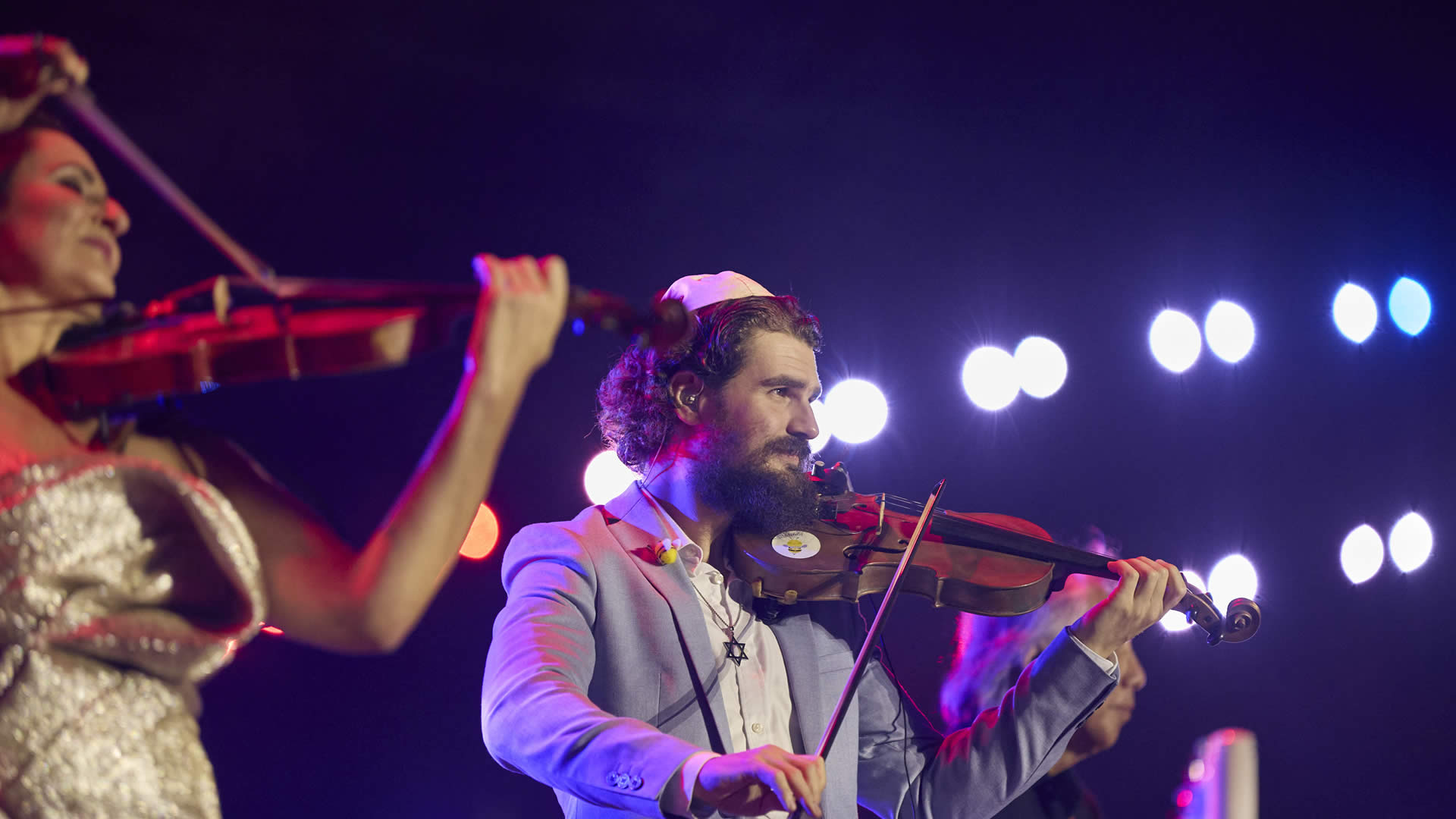
Before sound, there was stillness. The forecourt, usually animated by foot traffic and flash photography, settled into a softer rhythm. Families sat shoulder to shoulder. Conversations dipped and hushed. When SHIR took the stage, there was no dramatic announcement – just a natural transition, as though the music had been waiting its turn.
The opening phrases carried a tonal warmth that cut gently through the evening. Acoustic textures – voice, strings, subtle percussion – rose and fell with restraint. The harbour amplified nothing artificially; instead, it offered its own accompaniment: water lapping against stone, the distant hum of the city continuing its nightly routines.
SHIR – The Australian Jewish Music Festival has always drawn from a wide palette of Jewish musical traditions, but here the selections felt deliberately pared back. Melodies lingered. Harmonies opened space rather than filling it. The effect was intimate, even in a crowd of thousands.
SHIR – The Australian Jewish Music Festival And The Weight Of Context
Context matters, particularly in a city as visually assertive as Sydney. Against the backdrop of the Opera House and the national broadcast infrastructure, SHIR’s performance resisted grandeur. Instead, it leaned into clarity and purpose.
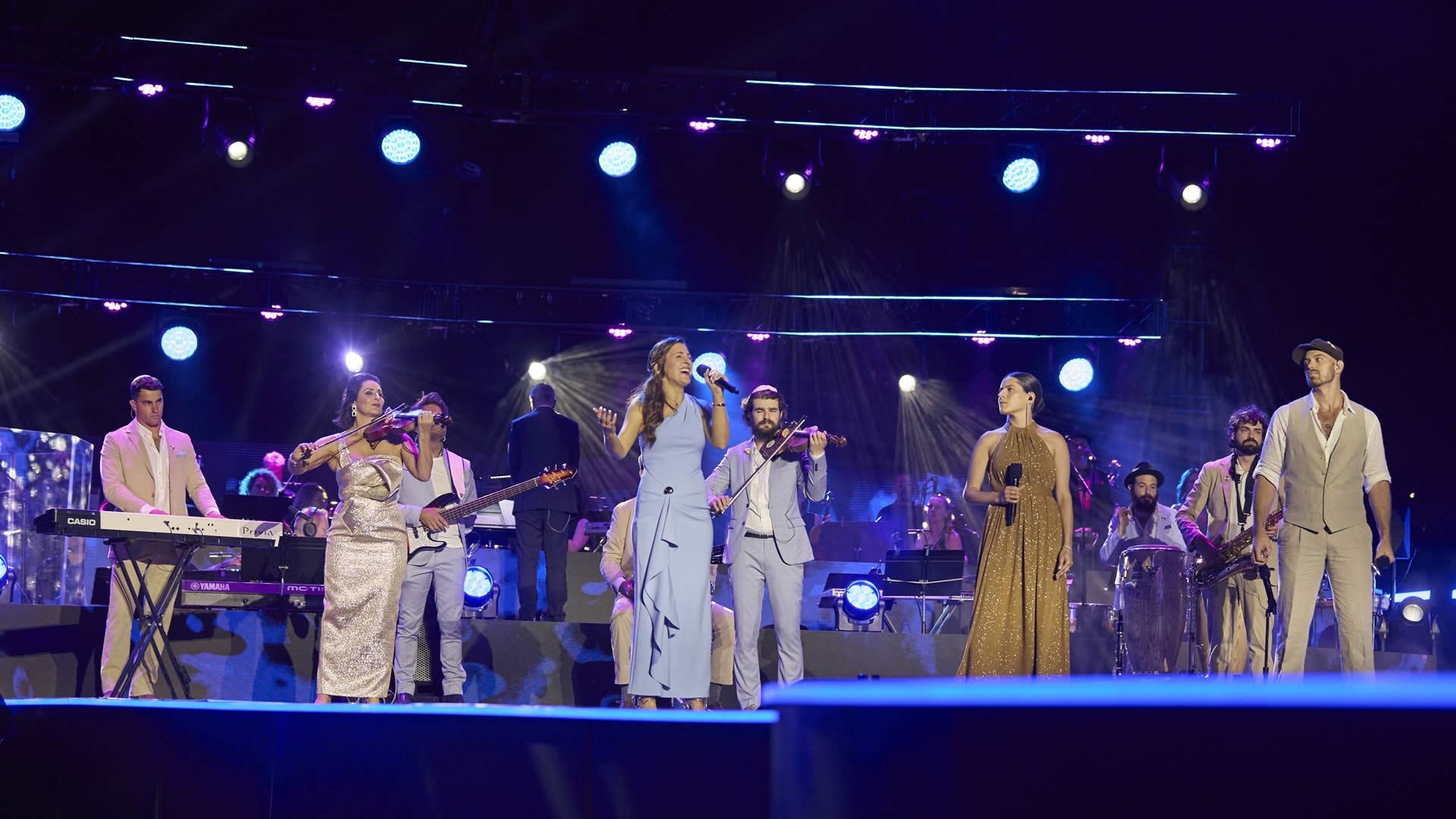
Director Ben Adler’s presence was understated, yet anchoring. His role was less that of a frontman and more of a custodian – guiding the music, allowing individual voices to surface without drawing attention away from the collective sound. There was a sense of trust among the performers, built through shared experience rather than rehearsed polish.
What lingered was not a single standout song, but a continuity of tone. The music carried echoes of lament and resilience without tipping into overt symbolism. Listeners unfamiliar with Jewish musical forms were not excluded; the emotional register remained accessible, grounded in melody rather than explanation.
Sound As A Form Of Belonging
In the days following the Bondi attack, public gatherings across Sydney have taken on a new sensitivity. The SHIR ensemble had already performed at the Bondi Beach vigil, where music functioned as communal breath – slow, steady, collective. That same sensibility carried into this harbour-side performance.
SHIR – The Australian Jewish Music Festival, in this setting, was less about representation than recognition. The musicians occupied the stage without defensiveness or apology. Jewish cultural expression was neither framed as novelty nor as statement. It simply existed, woven into the evening’s broader narrative of national reflection.
This mattered. Not because it demanded attention, but because it did not. The performance suggested that belonging is often most powerfully expressed through normalcy: through showing up, sounding like oneself, and trusting the audience to meet you there.
Listening Across The City
From where I stood, the sound travelled unevenly, shaped by bodies, architecture and breeze. At times a vocal line would drift clear, then soften as it met the open water. People leaned in, instinctively adjusting their posture to catch the quieter moments.
Around me, responses were subtle. A hand on a shoulder. Eyes closed briefly. No phones raised high. The music asked for presence, and the crowd complied.
Sydney is accustomed to large-scale cultural events, but rarely do they feel this internally calibrated. SHIR – The Australian Jewish Music Festival did not attempt to resolve grief or offer conclusions. It allowed complexity to remain intact, trusting that shared listening was enough.
An Ending That Lingers
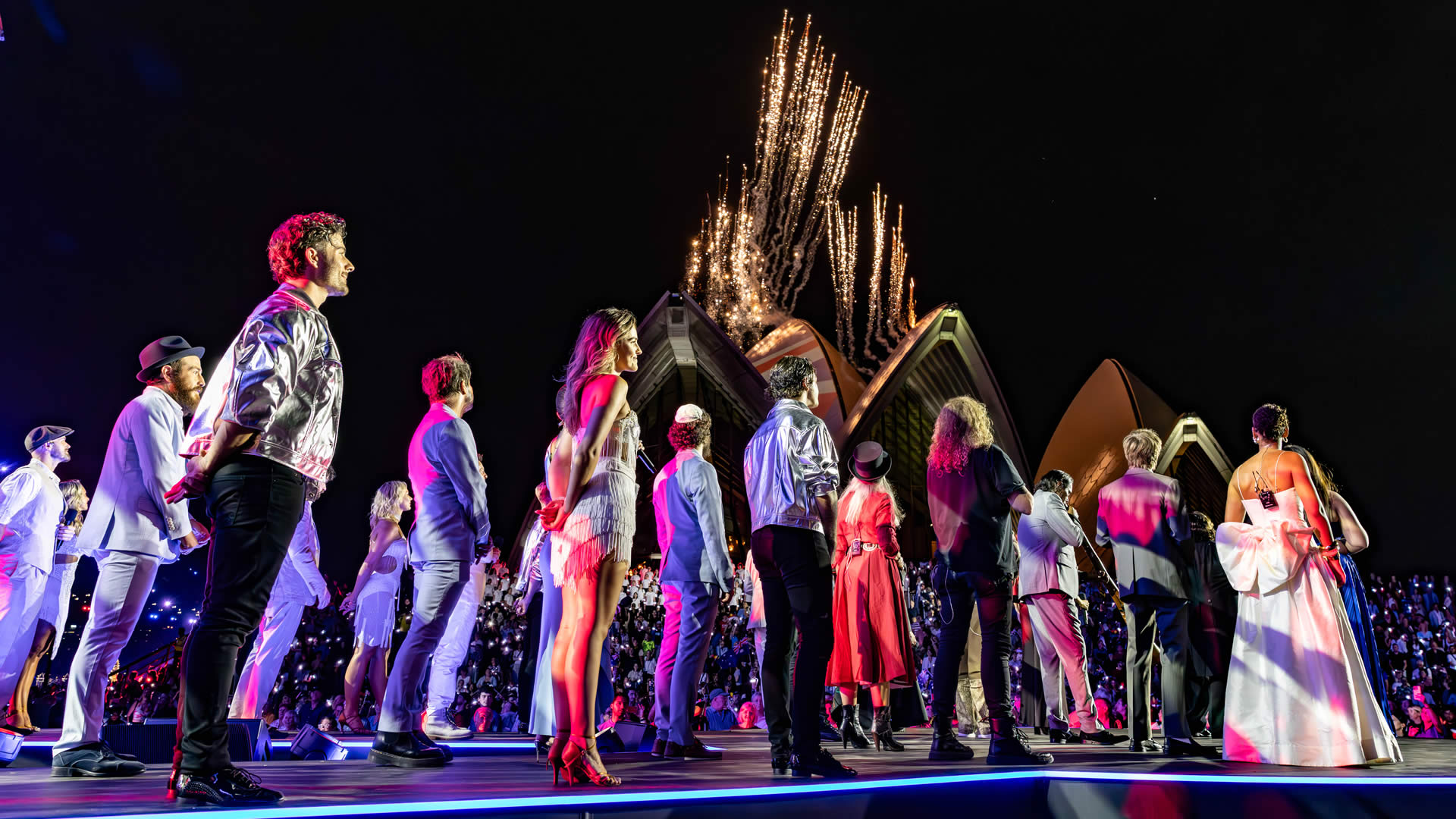
As the final notes faded, the applause arrived gently, growing only after a pause that felt intentional. The city resumed its volume gradually. Boats moved on. Conversations restarted. Yet something in the atmosphere had shifted, as though a layer of noise had been peeled back and not fully replaced.
Walking away from the forecourt, the harbour lights stretched long across the water. The music stayed with me – not as melody, but as texture. A reminder that festivals need not be loud to be lasting, and that cultural expression, when grounded in place and moment, can feel both deeply specific and quietly universal.
SHIR – The Australian Jewish Music Festival, on this summer evening in Sydney, offered exactly that: a sound shaped by memory, held by the city, and released into the night without demand.