
The Devil’s Violin arrives in Sydney with Ilya Gringolts, drawing myth, virtuosity, and atmosphere into an intimate encounter with sound.
The hall is quiet in that particular way that belongs to recital spaces just before the lights dim. Shoes scuff softly on timber floors. Programs are folded, unfolded, then stilled. Somewhere backstage, a single note escapes – a violin warming to the room. When the Australian Chamber Orchestra takes its place, the air tightens almost imperceptibly. This is The Devil’s Violin, and from the first breath, it asks for attention rather than applause.
In Sydney, where sound often competes with scale, this program feels deliberately inward. It does not announce itself with grandeur. Instead, it draws listeners closer, into the grain of gut strings, into music shaped by centuries of belief, obsession, and craft.
The Devil’s Violin And Its Old Stories
The title alone carries weight. The Devil’s Violin takes its name from Giuseppe Tartini’s Devil’s Trill Sonata, a work long wrapped in myth. Tartini’s dream – the devil at his bedside, playing music of impossible beauty – has been retold so often it risks becoming theatrical. Yet in performance, the legend fades, replaced by something more unsettling: the feeling that the music itself is alive.
In this telling, the story is not foregrounded. It hums quietly beneath the notes, informing them rather than directing them. The sonata’s technical demands are extreme, but its power lies elsewhere – in tension held and released, in phrases that feel almost overheard. The Devil’s Violin becomes less about folklore and more about the human urge to chase sound beyond comfort.
Ilya Gringolts At The Centre
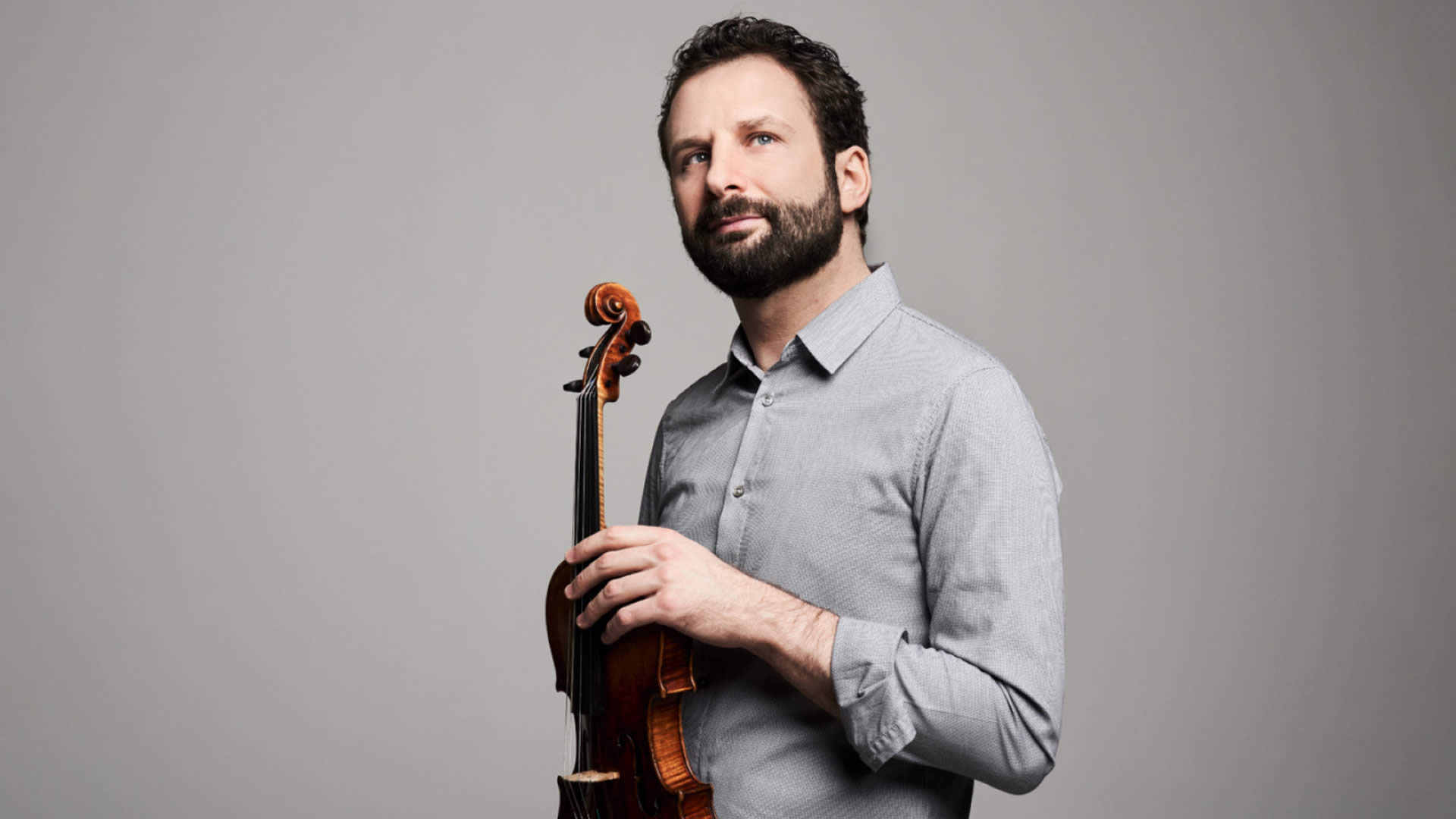
At the heart of The Devil’s Violin is Ilya Gringolts, directing and performing with an authority that never tips into dominance. His presence is focused, economical. When he plays, movement is restrained; energy travels through sound rather than gesture.
Gringolts’ history – child prodigy, competition winner, Juilliard graduate – is well known, but here it feels incidental. What matters is how he listens. With the Australian Chamber Orchestra, exchanges are immediate, almost conversational. Phrases pass back and forth, answered not with imitation but with curiosity.
Gringolts’ instrument, the 1718 “ex-Prové” Stradivarius, carries its own quiet history. It does not project opulence. Instead, it offers clarity, warmth, and an almost vocal quality that suits the program’s intimacy. In The Devil’s Violin, virtuosity is present, but it is never displayed for its own sake.
The Devil’s Violin In Ensemble
Although the title suggests singularity, The Devil’s Violin is deeply collaborative. Satu Vänskä joins Gringolts for Vivaldi’s Concerto for Two Violins in C major, the pairing of two Stradivarius instruments producing a sound that feels both precise and alive.
Here, the program briefly brightens. The music lifts, dances, then folds back into itself. The contrast is important. Without it, the darker textures of Tartini, Weinberg, and Gubaidulina might feel unrelenting. Instead, light and shadow are carefully balanced.
The Australian Chamber Orchestra plays with its characteristic clarity, gut strings lending warmth and edge in equal measure. There is a sense that each musician understands not only their part, but the space between notes – the silences where meaning often settles.
Sound As Place
Hearing The Devil’s Violin in Sydney is not incidental. City Recital Hall and the Sydney Opera House bring different acoustics, different relationships between performer and listener. In both, the music feels grounded rather than monumental.
This is not sound designed to overwhelm. It asks the audience to meet it halfway. Listeners lean forward, following lines that twist unexpectedly, harmonies that refuse easy resolution. In a city defined by movement and distraction, this sustained attention feels quietly radical.
There are moments when the music seems to echo the city itself – layered, multilingual, shaped by migration and memory. Old European forms find new resonance here, not as imports, but as living material.

The Devil’s Violin At Its Edge
As the program unfolds, time loosens. Tartini’s sonata arrives late, almost withheld. When it does, it feels earned. The famous trills shimmer without excess, more tense than seductive. The devil of the story is not theatrical; it is intimate, almost internal.
In these moments, The Devil’s Violin reveals its deeper theme: the thin line between discipline and abandon. The music presses against its own boundaries, testing what the instrument – and the player – can hold.
When the final notes fade, silence lingers. Applause follows, but it feels secondary, a release rather than a response. People remain seated longer than usual, as if recalibrating.
Walking back out into Sydney’s night, the city feels slightly altered. Sounds seem sharper, more deliberate. The memory of The Devil’s Violin stays not as melody, but as texture – the sensation of vibration still present in the body.
It is not a concert that insists on being remembered. It simply waits, confident that it will be.