
The Elocution of Benjamin Franklin returns to Belvoir, revisiting a landmark Australian play that still unsettles, provokes and echoes through Sydney.
The walk down into Belvoir’s Downstairs Theatre is deliberate. You leave the noise of Surry Hills behind and descend into a low-ceilinged room where the air feels closer, denser. The seats are near enough to the stage that you can see breath catch in a chest, hear a swallow between lines. It is the kind of space that remembers things. For The Elocution of Benjamin Franklin, returning here carries a particular weight. This is where the play first found its voice nearly half a century ago – and where that voice still reverberates.
When the lights dim, there is no distance to hide behind. The audience is folded into the room, implicated from the first moment. That intimacy has always been central to The Elocution of Benjamin Franklin: a play that unsettles not through spectacle, but through proximity.
A Sydney Story With Teeth
Written by Steve J. Spears and first staged in 1976, The Elocution of Benjamin Franklin emerged from a very specific Sydney moment. The city was smaller then, its social codes tighter, its suspicions sharper. Double Bay – polite, affluent, watchful – becomes an unspoken presence in the play, shaping the tension as much as any character.
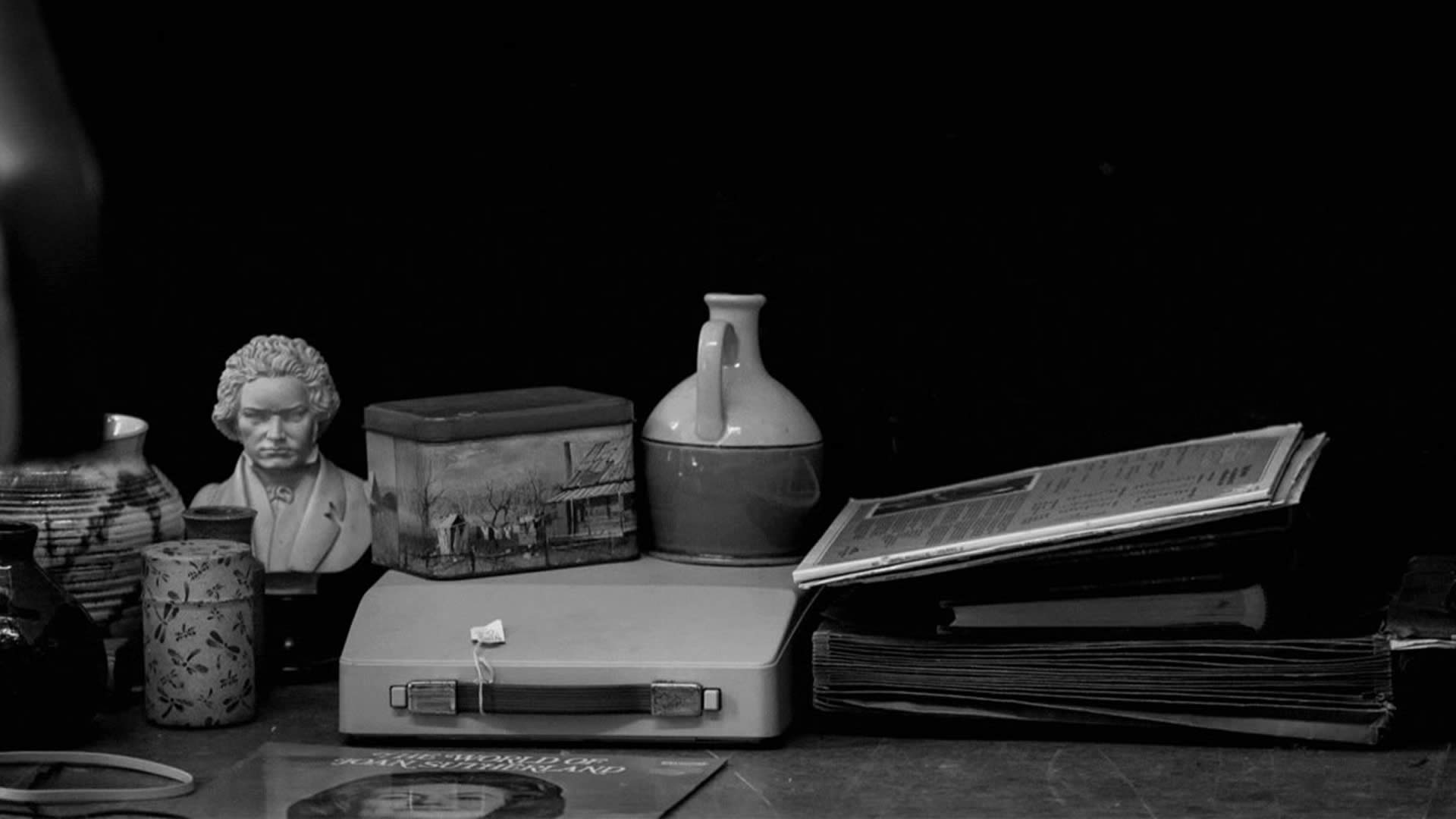
Robert O’Brien, the elocution teacher at the centre of the story, occupies a liminal space in that environment. He is flamboyant but constrained, visible yet unseen. His days are filled with repetition: breath control, tongue twisters, the careful mechanics of speech. His nights belong to fantasy. The contrast between these worlds gives the play its uneasy pulse.
The Elocution of Benjamin Franklin And Its Dangerous Arrival
The balance tips when Benjamin Franklin enters the room. A child with a stutter and an unsettling self-possession, he disrupts the routines that have kept Robert afloat. In The Elocution of Benjamin Franklin, this relationship is never simple. It unfolds in layers of power, vulnerability and projection, refusing to settle into easy moral binaries.
The play’s genius lies in what it withholds. Meaning accrues gradually, through gesture and tone rather than declaration. The audience is left to sit with discomfort, to question their own assumptions as much as the characters’.
Performance In Close Quarters
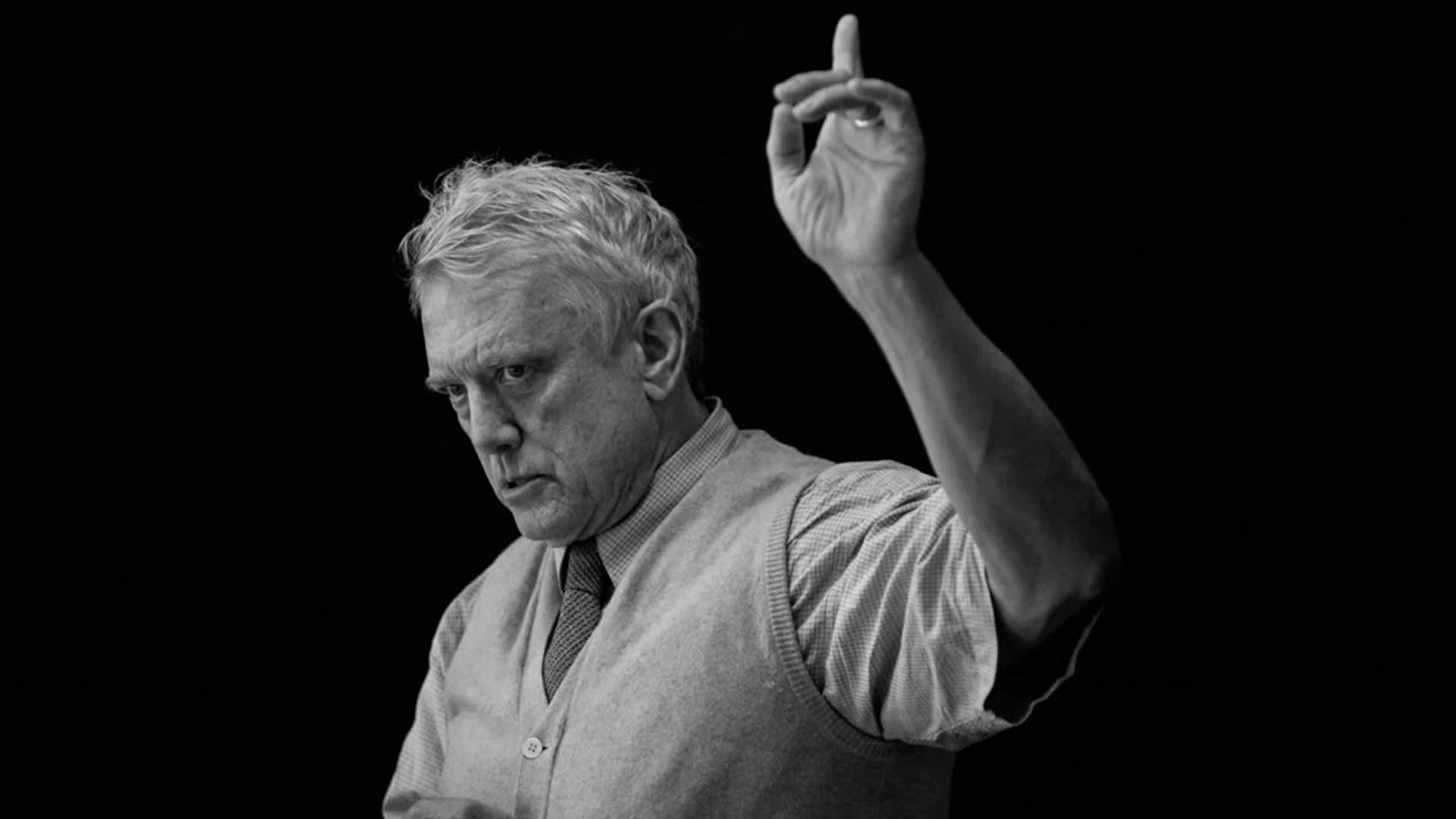
Simon Burke’s performance, stepping into a role made infamous by Gordon Chater, is shaped by the room itself. In the Downstairs Theatre, there is no room for excess. Every movement registers; every pause stretches. Burke allows Robert O’Brien to exist in contradiction – vain and fragile, comic and desperate – without smoothing over the edges.
This revival of The Elocution of Benjamin Franklin understands that restraint can be more confronting than volume. Laughter arrives unexpectedly, often catching in the throat. Moments that might play broadly in a larger space here feel invasive, almost private.
Direction That Respects The Unease
Director Declan Greene approaches the material with a steady hand. The production does not attempt to modernise the play overtly, nor does it treat it as a museum piece. Instead, it trusts the text’s ability to speak across time.
Design elements remain spare. Lighting shifts subtly, marking changes in mood rather than scene. Sound intrudes occasionally, enough to unsettle without distracting. The focus stays squarely on language – on who controls it, who struggles with it, and who is punished for how they use it.
The Elocution of Benjamin Franklin As Cultural Mirror
Half a century on, The Elocution of Benjamin Franklin feels less dated than disquietingly current. Questions of suspicion, surveillance and moral panic still circulate easily. The play’s portrait of persecution is not loud, but it is precise.
What has changed is the audience. Watching today, there is an added layer of self-awareness. The laughter is more tentative; the silences heavier. The play no longer shocks in the way it once did, but it lingers longer, prompting reflection rather than outrage.

Leaving The Room
When the performance ends, there is no release. Applause breaks the tension, but the atmosphere remains altered. The walk back up the stairs feels slower than the descent, as though the play resists being left behind.
Outside, Surry Hills resumes its rhythm – traffic, voices, the smell of food drifting from nearby kitchens. Yet something of the basement clings. The Elocution of Benjamin Franklin does not conclude neatly. It follows you into the street, asking uncomfortable questions about language, power and the stories a city tells itself.
In returning to Belvoir’s Downstairs Theatre, the play finds not nostalgia, but resonance. It reminds us that some works do not age out of relevance. They wait, quietly, for the room to fill again.