
The Impresario and Prima la musica arrive in Sydney this March, as Operantics stages Mozart and Salieri in a witty double bill at Eternity Playhouse.
There is a particular stillness inside Eternity Playhouse before a performance begins. The building, once a church, holds sound differently – softening footsteps, catching whispers, letting even small movements settle into the room with clarity.
Outside, Darlinghurst moves as it always does – cafés turning over tables, traffic easing into evening. Inside, however, attention narrows. Seats fill gradually. Programmes fold open. The stage, modest in scale, suggests proximity rather than distance.
It is here that The Impresario and Prima la musica will unfold – two short operas, composed centuries ago, brought together again in a way that feels both deliberate and quietly irreverent.
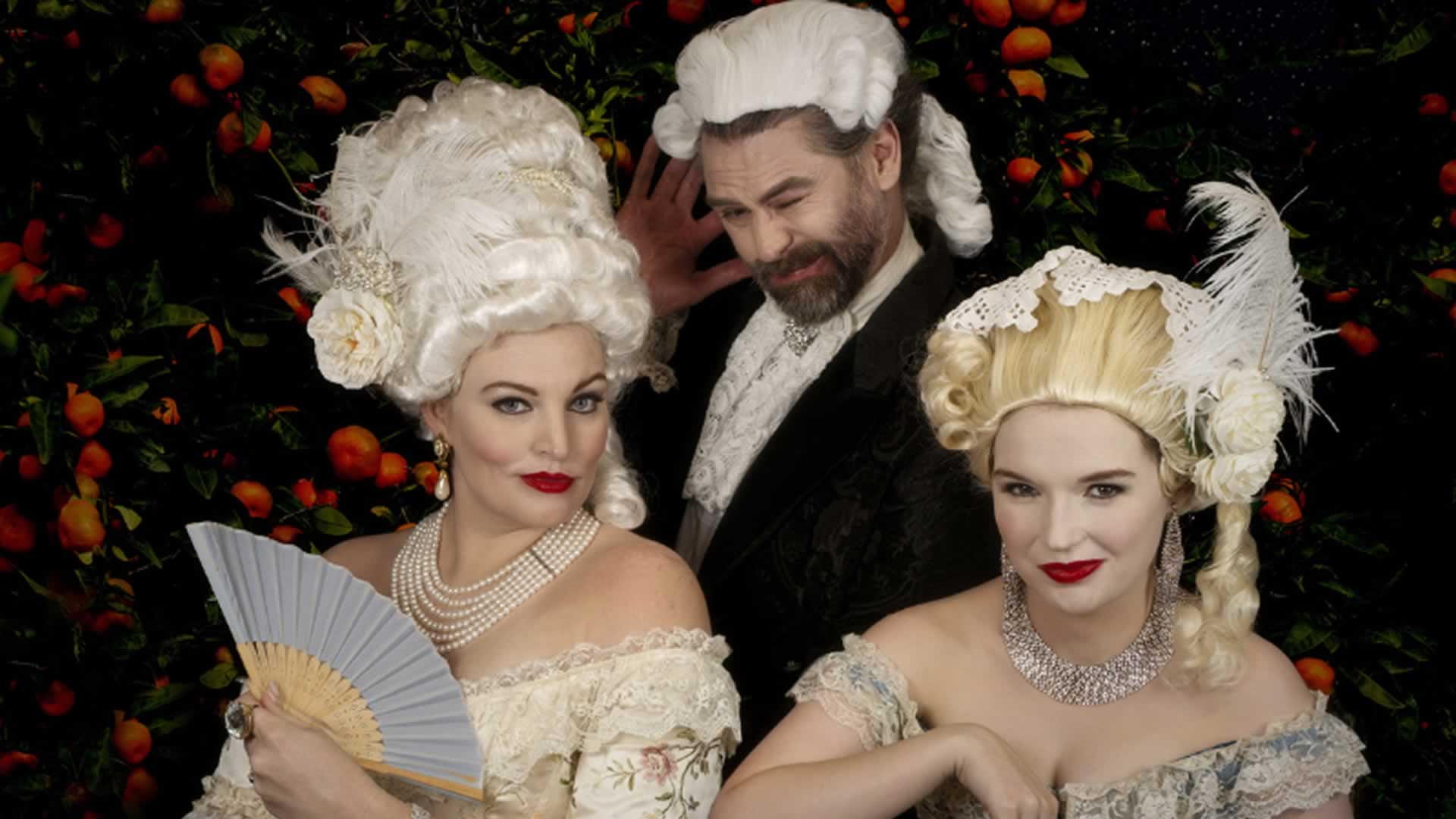
The Impresario And Prima La Musica In Conversation
In 1786, Wolfgang Amadeus Mozart and Antonio Salieri were set against each other in a courtly experiment. Commissioned by Emperor Joseph II, each composer was asked to create a short work about opera itself – its making, its tensions, its absurdities.
The result was The Impresario and Prima la musica, a pairing that has endured not because it resolves the question it poses, but because it refuses to. What matters more – the music or the words? The answer shifts depending on who is speaking, and perhaps more importantly, who is listening.
Operantics’ staging revisits this conversation without attempting to settle it. Instead, it draws attention to the mechanics of performance – the personalities, the negotiations, the quiet chaos that sits beneath any finished work.
Behind The Scenes Of The Impresario And Prima La Musica
Both operas turn their focus inward. In Mozart’s The Impresario, a theatre director attempts to assemble a cast, only to find himself caught between competing egos. Sopranos argue, demands escalate, and the process becomes as theatrical as the production itself.
Salieri’s Prima la musica approaches the same world from a different angle. Here, a composer and poet race against time, debating whether melody or language should lead. Their urgency lends the piece a different rhythm – less confrontational, more insistent.
Presented together, The Impresario and Prima la musica reveal the shared tensions that underpin them. Ambition, insecurity, collaboration – these are not historical artefacts, but ongoing realities within any creative process.
The Impresario And Prima La Musica In A Sydney Setting
To encounter these works in Sydney is to place them within a different cultural landscape. The scale is smaller, the distance between performer and audience reduced. At Eternity Playhouse, there is little room for illusion.
Operantics embraces this intimacy. Their production brings the audience closer to the action – less as observers, more as participants in the unfolding disorder. Glances, gestures, small shifts in expression become legible in a way that larger venues often obscure.
This approach aligns with the nature of The Impresario and Prima la musica. Both pieces rely not on spectacle, but on timing and interaction. Their humour is precise, their satire understated but pointed.
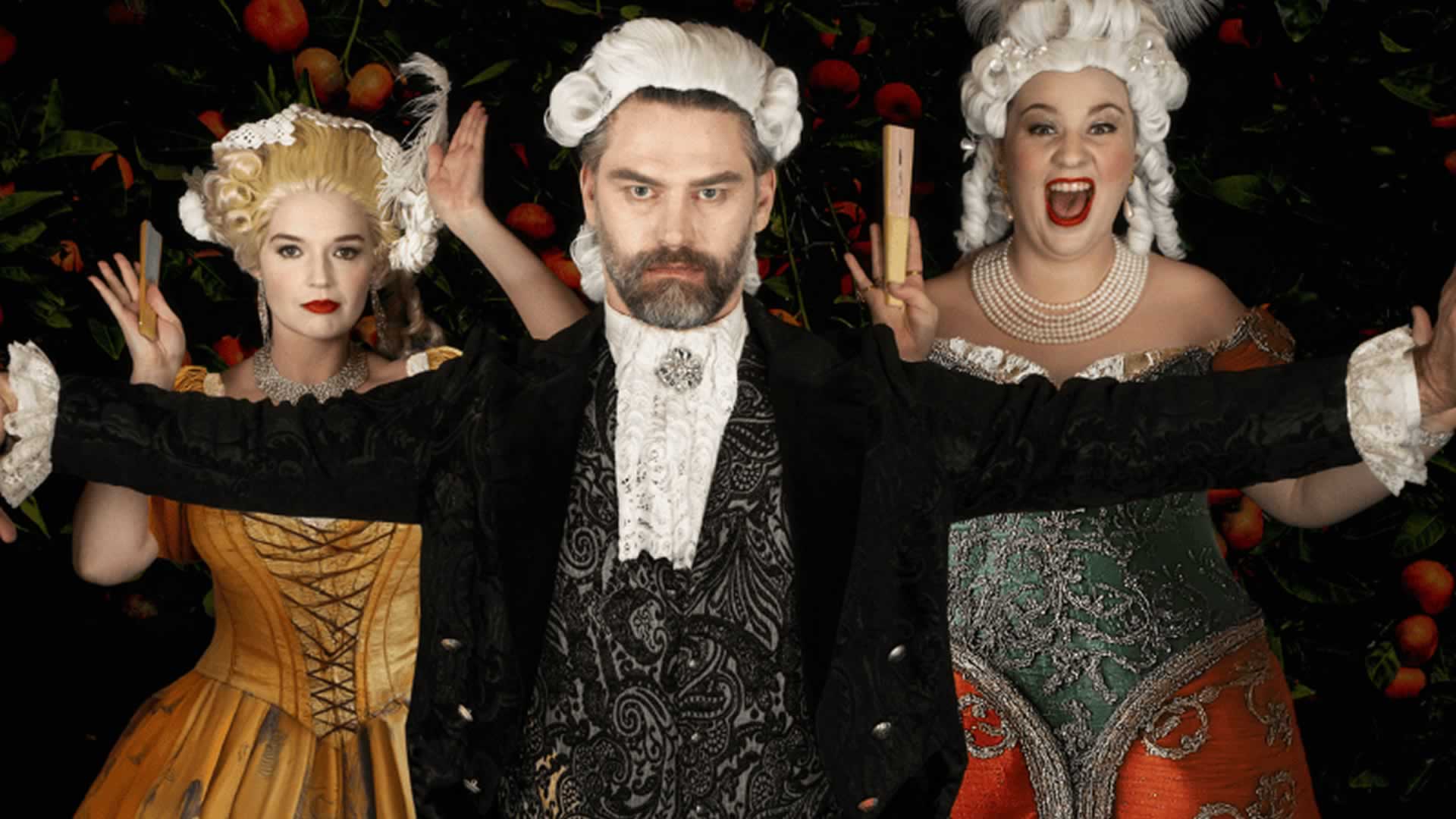
A Company Shaping Its Own Path
Operantics operates within a distinct space in Sydney’s performance landscape. Focused on chamber-scale productions, the company prioritises accessibility without diminishing complexity.
For emerging artists, this creates an environment where experimentation is possible. Roles are not fixed by tradition alone, but shaped by interpretation. In The Impresario and Prima la musica, this flexibility becomes part of the experience.
The cast navigates not only the demands of the music, but the shifting dynamics between characters. Each interaction carries weight, contributing to a broader sense of movement within the production.
The Impresario And Prima La Musica And The Question Of Balance
What emerges most clearly from The Impresario and Prima la musica is not a resolution, but a balance. Music and words move in and out of prominence, each asserting itself before yielding again.
This balance extends beyond the stage. It reflects the broader act of creation – the negotiation between idea and execution, intention and outcome. In this sense, the operas feel less like relics and more like reflections.
For audiences, the experience becomes one of recognition. Not necessarily of opera itself, but of the dynamics it reveals. The push and pull of collaboration. The tension between individual expression and collective outcome.
An Evening That Holds Its Own Pace
The brevity of both works shapes the rhythm of the evening. There is no extended arc, no gradual build toward a singular climax. Instead, moments accumulate – small, precise, interconnected.
This structure encourages a different kind of attention. Rather than anticipating what comes next, the audience remains within what is happening now. Each exchange, each musical phrase, carries its own significance.
In a city often defined by pace, this measured unfolding feels distinct.
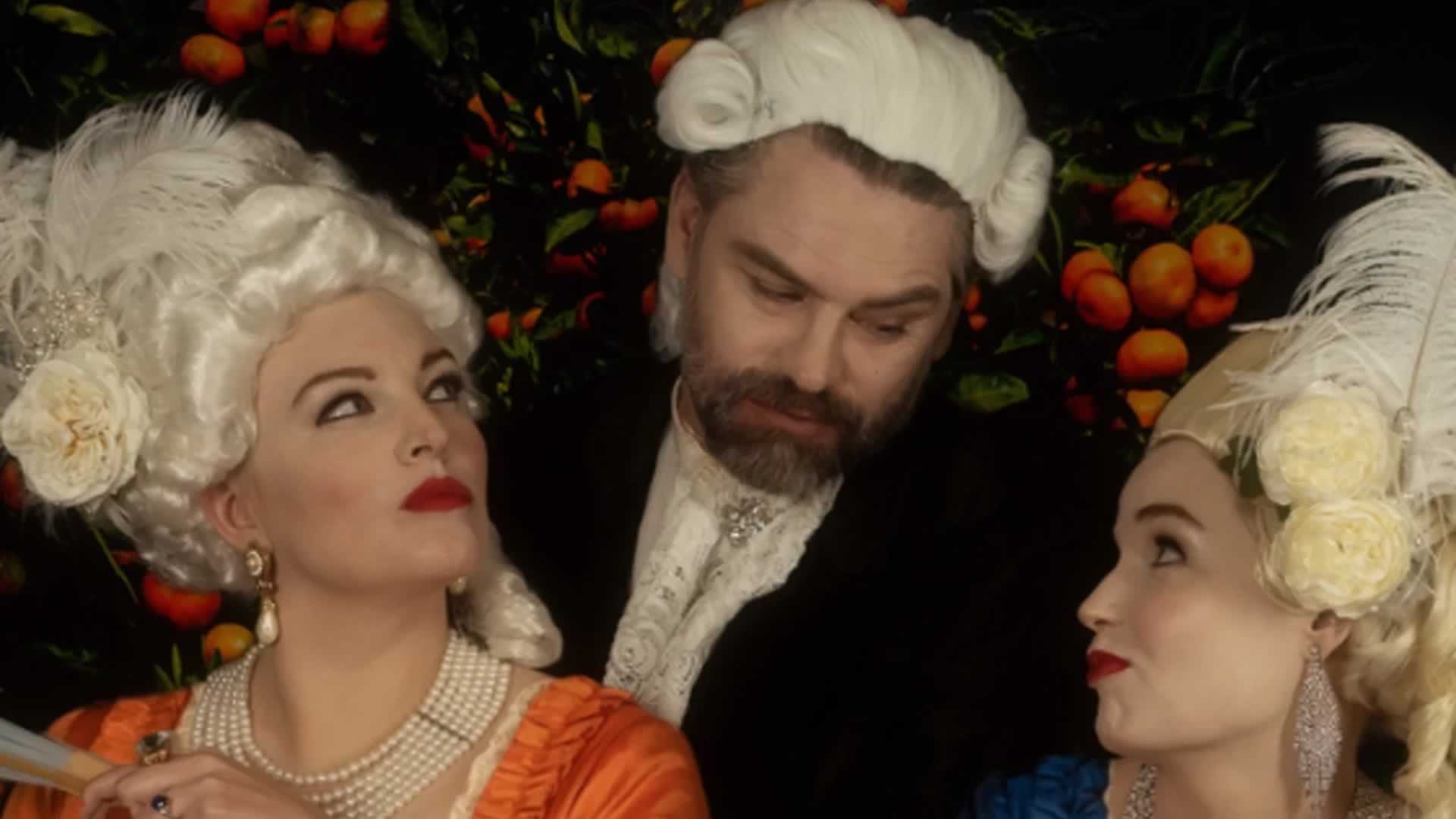
Leaving The Performance
When the final notes settle, the transition back into Darlinghurst is immediate. The doors open, and the sounds of the street return – cars passing, voices rising, the steady movement of the evening continuing.
Yet something of the performance lingers. Not as a clear narrative, but as an impression – fragments of melody, glimpses of interaction, the echo of a question left unresolved.
The Impresario and Prima la musica do not demand an answer. They invite consideration. And in doing so, they extend beyond the stage, following the audience back into the city.
Event Details
Event: Operantics Presents The Impresario (Mozart) and Prima la musica (Salieri)
Dates: Friday, 27 March – Saturday, 28 March 2026
Time: Evening performances (check listing)
Location: Eternity Playhouse
Tickets & Info: https://www.operantics.com.au/tickets