
A rehearsed reading of The One Day Of The Year at Newtown Theatre will revisit ANZAC memory, family tension, and generational conflict in a stripped-back performance.
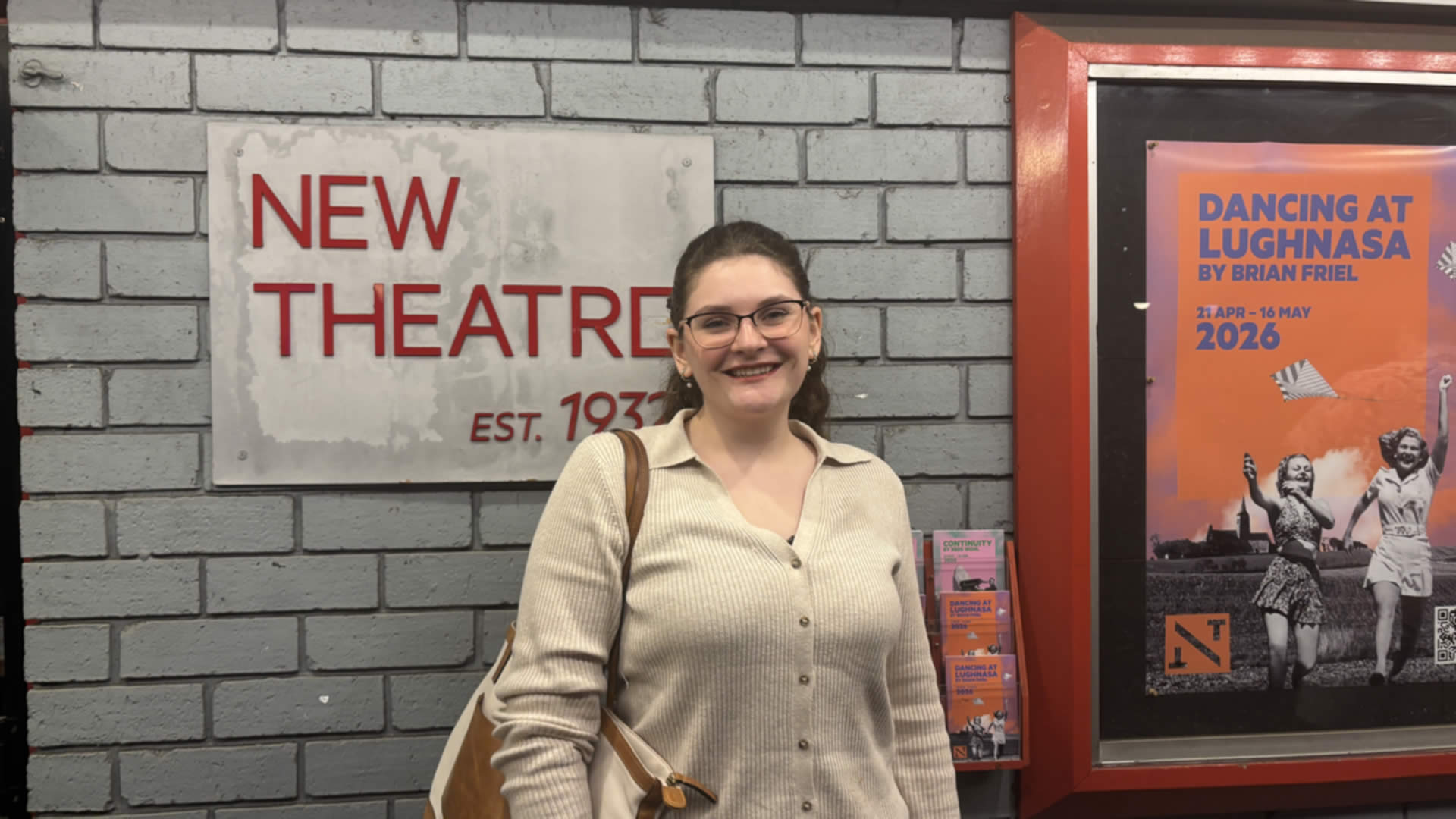
As the Anzac Weekend came to a close, I visited the Newtown Theatre to see a rehearsed reading of The One Day Of The Year in aid of the Actors Benevolent Fund.
The streets outside still carried the afterglow of commemorations. Inside, the space felt pared back, almost provisional, as if the theatre itself were holding its breath before the performance began.
The One Day Of The Year And Its Opening Voice
This controversial play, set in 1960, questions the significance of celebrating Anzac Day to different generations, exploring the perspective of WWII Digger Alf Cook, and his uni student son Hughie. To Hughie and his girlfriend, the day is little more than an excuse for drunkenness, hurting his father by publishing this representation of the national holiday in his university newspaper.
The show opened with Phoenix Beazley, representing Wacka as a young soldier, expressively singing The Band Played Waltzing Matilda with raw vocals while tenderly strumming the guitar, a fitting way to begin the play.
The moment set a tone that lingered, even as the format remained deliberately stripped back.
The One Day Of The Year And The Rehearsed Reading Form
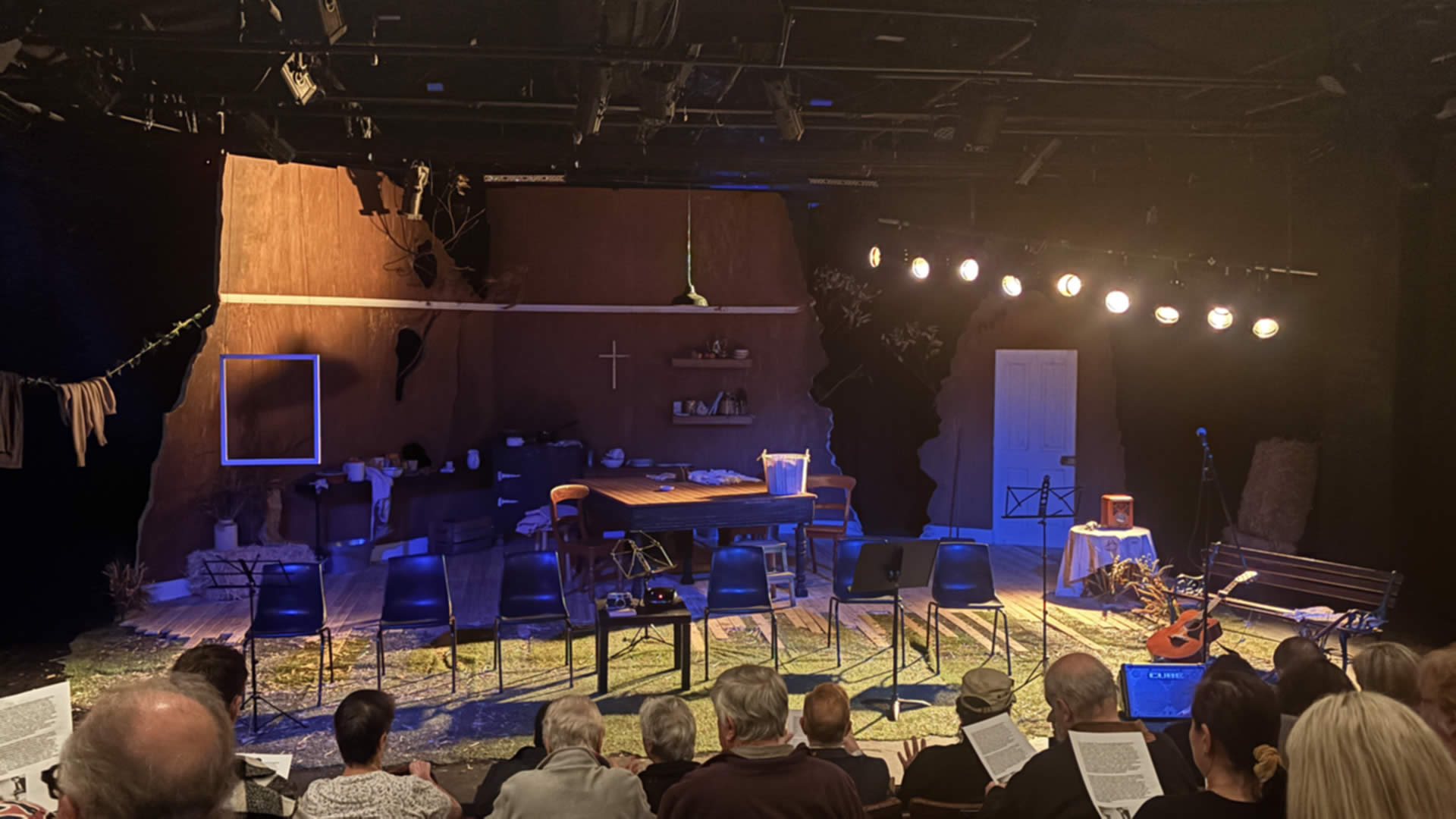
The actors sat in a row facing the audience, a rustic Australian kitchen as their backdrop. For this rehearsed reading, the actors read from their scripts, with the narrator announcing the stage directions. While this is unconventional, I didn’t feel like this distracted or detracted from the strong performance.
Instead, the simplicity of the staging seemed to sharpen attention. Without elaborate movement or set changes, the focus remained on voice, timing, and emotional delivery.
The One Day Of The Year And Performances That Landed
Many of the actors performed with conviction, portraying convincing characters that were chillingly authentic. For example, Grant Dodwell in the role of Alf, explored heightened emotions from anger, to sorrow and hurt, and even drunkenness. I found myself on the brink of tears at points, as they fully embodied their characters and the emotions that overcome them.
Ritchie Singer, who played Wacka, emotionally described his experience in Gallipoli, red faced and with a raw, stressed voice that tugged on my heart strings.
Hughie, played by Max Fernandez, also had a notable performance, as he upped the ante in an argument with Alf, yelling with amazing projection in defiance to his father’s opinions. At this point the air felt still as the two fought with distress and anger.
The absence of staging did not diminish the intensity; if anything, it seemed to concentrate it.
The One Day Of The Year And Its Written Tension
The classic Australian play, written by Alan Seymore in 1958, highlights the opposing views of mate-ship and tradition to criticism and reflection through the conflict between Hughie and his father. Though the dialogue does feel a bit repetitive by the end, the writing feels natural, allowing to the characters to feel real and flawed, making their arguments hit harder.
The generational divide at the centre of the work remains its most enduring element, shaped through repetition, interruption, and emotional escalation rather than resolution.
The One Day Of The Year And The Audience Response
Despite its challenged reception in the past, this rendition was well appreciated by the audience. Toward the beginning of the play, I often heard the odd chuckle from crowd members at lines from the conservative bogan characters or the relentless bickering between Dot and Alf. By the end, the audience was cheering as they applauded the cast.
The shift in atmosphere was gradual but noticeable, moving from light reaction to a more sustained attention as the evening progressed.
The One Day Of The Year And Its Afterimage
The One Day Of The Year has such a dynamic scope, exploring the topic of Anzac Day in a thought-provoking way. I was impressed by how this cast transported me into the world of the play, and would encourage readers to look into other productions involving these amazing actors.
In its stripped-back form, the work seemed to rely less on theatrical illusion and more on presence – voice, silence, and the weight of shared national memory.
Reviewed By: Eleanor Edwards