
The 25th Biennale of Sydney: Rememory unfolds across the city, exploring how memory, history and place quietly shape belonging and identity.
The train ride west slows as it reaches Campbelltown, the city thinning into wider streets and open sky. By the time you walk toward Campbelltown Arts Centre, the noise of central Sydney feels distant. The air here carries a different rhythm – less hurried, more attentive. It is an appropriate threshold for the 25th Biennale of Sydney: Rememory, an edition that asks visitors to pause, to consider what has been carried forward and what has been left behind.
Inside the gallery, sound arrives before images. A voice drifts from a darkened room. Footsteps echo lightly on concrete. Nothing announces itself loudly. Instead, the works settle into the space, inviting you to come closer, to spend time.
The 25th Biennale of Sydney: Rememory As A City-Wide Conversation
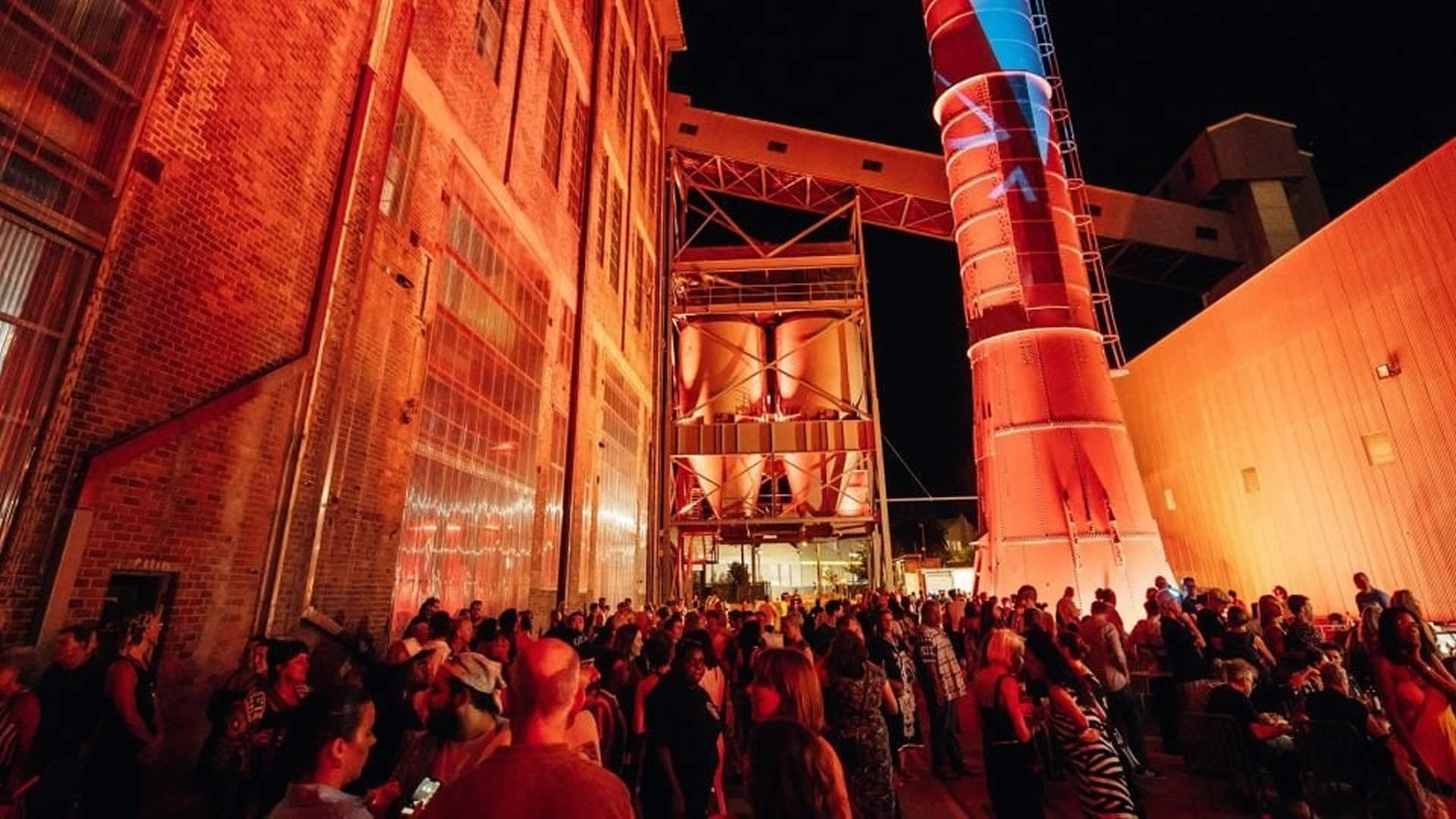
Running from March to June 2026, the 25th Biennale of Sydney: Rememory stretches across multiple sites – White Bay Power Station, the Art Gallery of New South Wales, Chau Chak Wing Museum, Campbelltown Arts Centre, and Penrith Regional Gallery. Each location brings its own histories, architectural weight, and surrounding communities into the conversation.
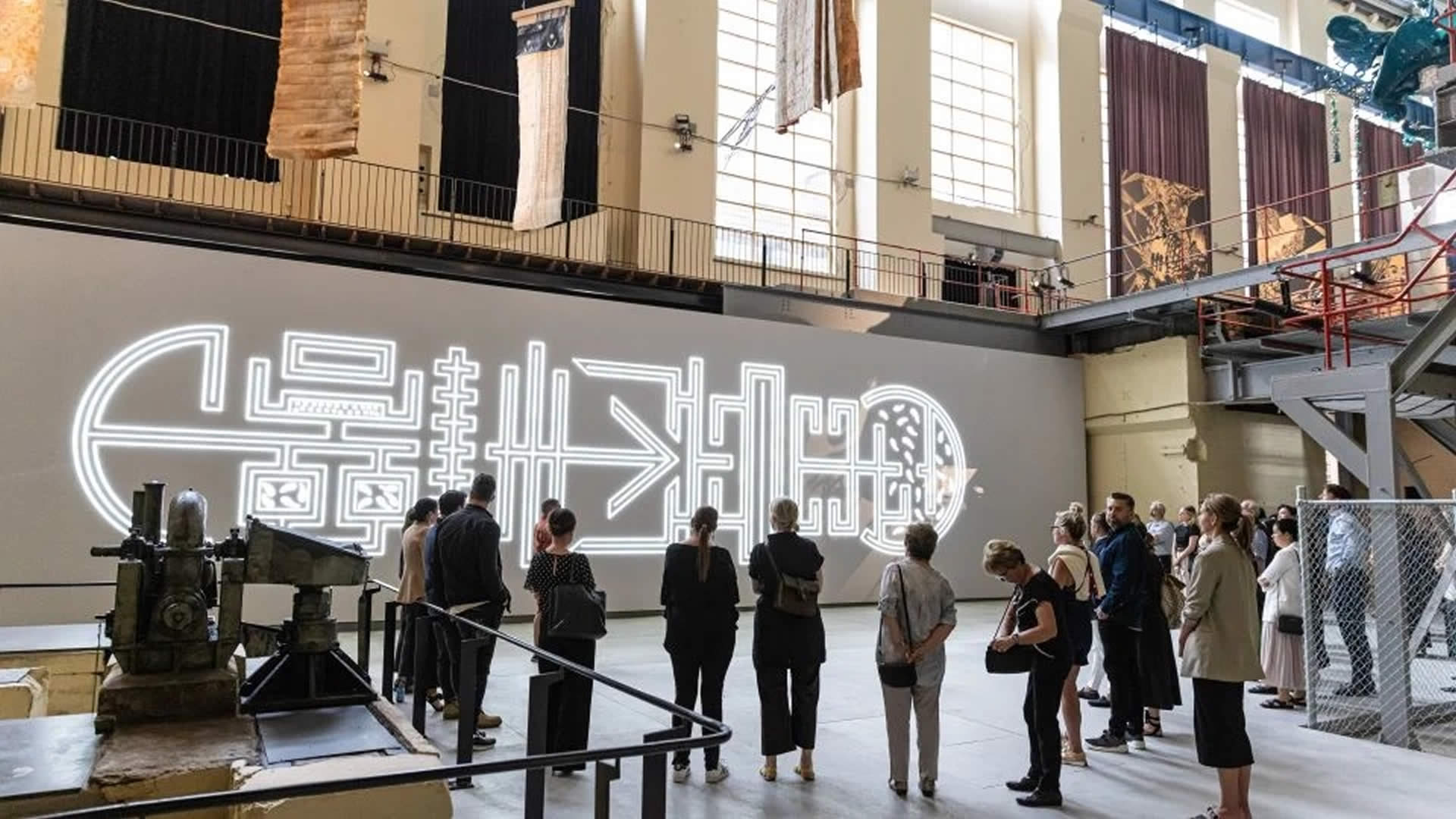
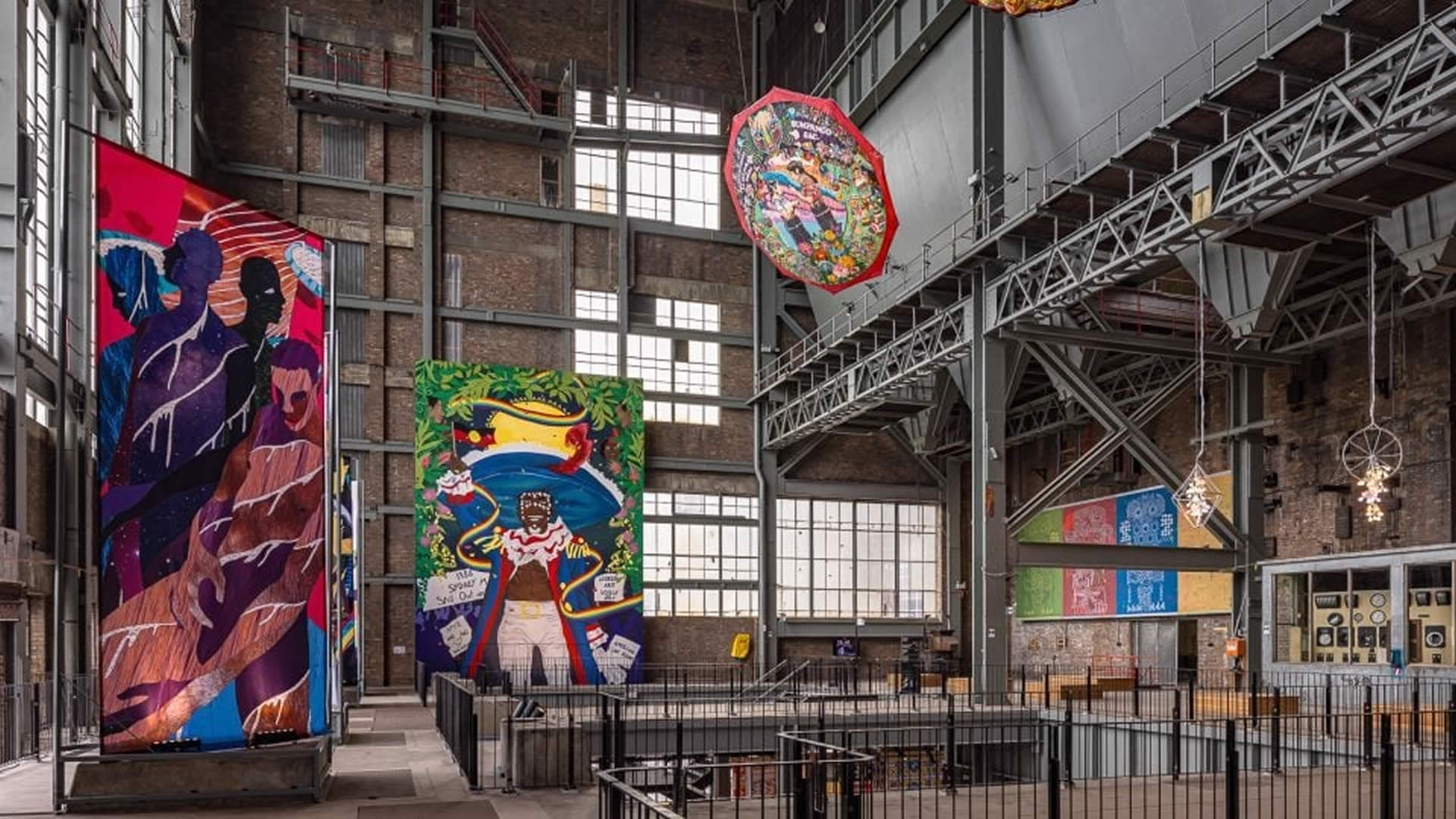
Rather than feeling dispersed, the Biennale moves like a quiet current through the city. You encounter it in different moods: industrial at White Bay, formal and hushed at the Art Gallery, academic at the University of Sydney, grounded and local in Campbelltown and Penrith. Together, these places form a loose map of Sydney’s cultural and geographic edges.
Curated by Hoor Al Qasimi, this edition draws its title from Toni Morrison’s concept of “rememory” – the idea that memory is not fixed in the past, but lives alongside us, shaping the present in ways both visible and unseen.
Campbelltown Arts Centre And The Weight Of Place
At Campbelltown Arts Centre, the themes of the 25th Biennale of Sydney: Rememory feel particularly tangible. This is a site deeply connected to community, education, and local histories often overlooked in broader narratives of the city.
One of the most arresting works here is Code Black/Riot, a four-channel video installation by Hoda Afshar, Vernon Ah Kee, and Behrouz Boochani. The work unfolds slowly, presenting interviews and moments of play involving Indigenous children affected by youth detention systems. There is no didactic framing. Instead, the work allows discomfort to surface naturally, asking viewers to sit with the implications of what they are witnessing.
The screens surround you. Sound overlaps. Time feels elastic. In the context of the 25th Biennale of Sydney: Rememory, this installation underscores how institutional histories continue to shape lived realities.
Migration, Waiting, And Interrupted Journeys
Elsewhere in the centre, filmmakers Joana Hadjithomas and Khalil Joreige present a newly commissioned multimedia installation reflecting on clandestine migration from northern Lebanon toward Australia. Drawing on stories linked to Christmas Island, the work weaves together movement and stasis – journeys begun, paused, and sometimes indefinitely suspended.
Inspired in part by the island’s annual red crab migration, the installation captures a sense of waiting that feels both physical and psychological. Visitors move through dimly lit spaces where images and sound suggest repetition rather than resolution. Within the 25th Biennale of Sydney: Rememory, this work reframes migration not as a single event, but as an ongoing condition shaped by systems of control.
Digital Space And Diasporic Identity
The Biennale’s engagement with contemporary tools emerges strongly in Blocked Duwar by Feras Shaheen, created in collaboration with Jonny Scholes. Blending video game technology, sound design, and interactive interfaces, the work draws from Shaheen’s experience of maintaining Palestinian identity within diaspora.
Participants are not passive viewers. Choices made within the work reveal how narratives are shaped, blocked, or distorted. It is an unsettling experience, asking visitors to recognise their own position within global systems of power. In the framework of the 25th Biennale of Sydney: Rememory, the work highlights how memory adapts, survives, and resists erasure – even in digital space.
The 25th Biennale of Sydney: Rememory Beyond The Gallery
Across all venues, the Biennale maintains a sense of openness. Admission is free. Families move through exhibitions alongside students, artists, and first-time visitors. A dedicated program for children and young audiences ensures these conversations are not confined to specialists.
Artists from 37 countries contribute to this edition, yet the tone remains grounded rather than globalised. Stories feel specific, rooted in personal, familial, and communal experiences. The 25th Biennale of Sydney: Rememory does not attempt to resolve the histories it presents. Instead, it acknowledges their complexity, allowing contradictions to remain visible.
Leaving With What Stays
As you step back outside Campbelltown Arts Centre, the afternoon light has shifted. The works do not conclude neatly in your mind. Images resurface later – on the train, while crossing the city, in moments of quiet.
This is perhaps the lasting quality of the 25th Biennale of Sydney: Rememory. It resists spectacle in favour of persistence. Memory here is not something to be consumed and left behind. It is something that travels with you, shaping how you notice the city, its stories, and the spaces in between.