
Transmission Point opens at La Perouse Museum marking 150 years since Australia’s first submarine telegraph cable with sound art, radio performance and workshops.
The wind moves differently along the headland at La Perouse. It arrives across open water, carrying the faint salt of the Pacific and the distant rhythm of cargo ships edging toward the harbour. Gulls drift overhead while waves break steadily along the sandstone edges below.
It is a place shaped by journeys – of explorers, traders, radio operators and travellers watching the horizon. For more than a century, signals have passed through this coastline in quiet but consequential ways.
This autumn, those invisible signals become the subject of a new exhibition.
At La Perouse Museum, Transmission Point opens as a sound-led exhibition and public program exploring the moment when Australia first connected to the world by submarine telegraph cable – and how that act of communication continues to echo today.
The exhibition marks 150 years since the cable line linked Australia to international networks of communication. But rather than revisiting the moment purely as history, Transmission Point invites artists and audiences to listen again to the signals that still travel through the landscape.
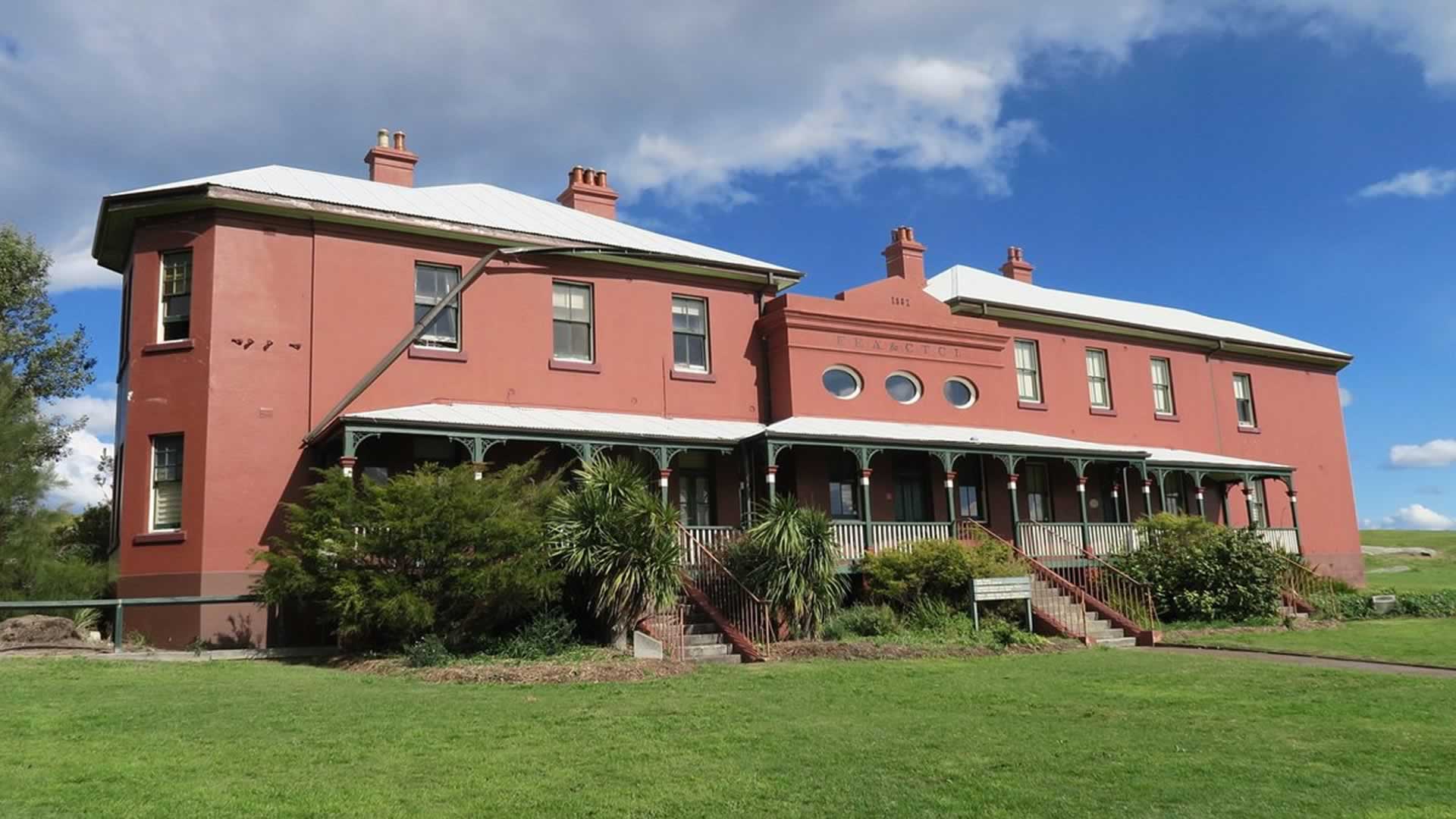
Transmission Point And The Echo Of Early Signals
Long before wireless networks or satellites, communication across oceans relied on cables laid quietly beneath the sea.
In the nineteenth century, submarine telegraph lines transformed how distant places spoke to each other. Messages that once travelled by ship for weeks could suddenly cross continents in minutes.
The coastline at La Perouse became part of that global system.
Signals moved through the copper cables beneath the water, translating human language into pulses of electricity – dots and dashes tapping across the ocean floor.
Transmission Point reflects on this moment not as distant technology, but as a turning point in how Australia connected with the wider world.
Curated by French-Australian academic and curator Anabelle Lacroix, the exhibition draws together sound artists, radio practitioners and installation makers to explore the idea of transmission itself: how signals move, how sound travels and how stories are carried across time.
The result is less a traditional museum display and more an unfolding listening experience.
Transmission Point Opens With A Day Of Sound On The Headland
The opening of Transmission Point begins outdoors, where the wind and sea already carry their own forms of communication.
Across the lawns near the museum, artists will present a series of performances and participatory works that respond directly to the surrounding environment.
The experimental collective Sisters Akousmatica – artists Julia Drouhin and Pip Stafford – begin the day with Pierce the Waves, an interactive workshop where specially designed costumes act as mobile radio receivers. Visitors are invited to contribute their own messages: fragments of memory, letters to the airwaves, small reflections on the act of listening.
Nearby, the sound duo Banana – Moss Hopkins and Alexandra Spence – use handheld radios and Morse code to capture the noises of the landscape itself. The hiss of static, the rhythm of waves and passing voices are recorded, reshaped and played back in real time.
Each work returns attention to the environment surrounding La Perouse. The headland becomes not simply a backdrop but a participant in the performance.
Transmission Point And The Language Of Sound Art
Inside the museum galleries, Transmission Point continues its exploration of sound as both material and message.
Yuin–Walbunja artist and sound scholar Hayden Ryan presents an ambient installation blending field recordings, Indigenous voices and signal processing. Visitors listen through a telephone handset – a deliberate nod to older communication technologies.
The experience is intimate. Holding the receiver, the listener becomes part of a quieter exchange between past and present.
Elsewhere, internationally recognised artist Joyce Hinterding draws directly on the electromagnetic environment surrounding the site. Signals from nearby ports, airport traffic and marine communications are captured live and translated into shifting sound compositions.
French artist Nicolas Montgermont adds another layer, constructing a do-it-yourself antenna system that renders radio signals visible through physical installation. His presence in Sydney reflects the exhibition’s deeper theme – the historical connection between France and La Perouse itself.
Together, these works invite visitors to consider how much unseen information surrounds them each day.
Airwaves hum with voices, instructions, coordinates and music. Transmission Point simply makes them audible again.
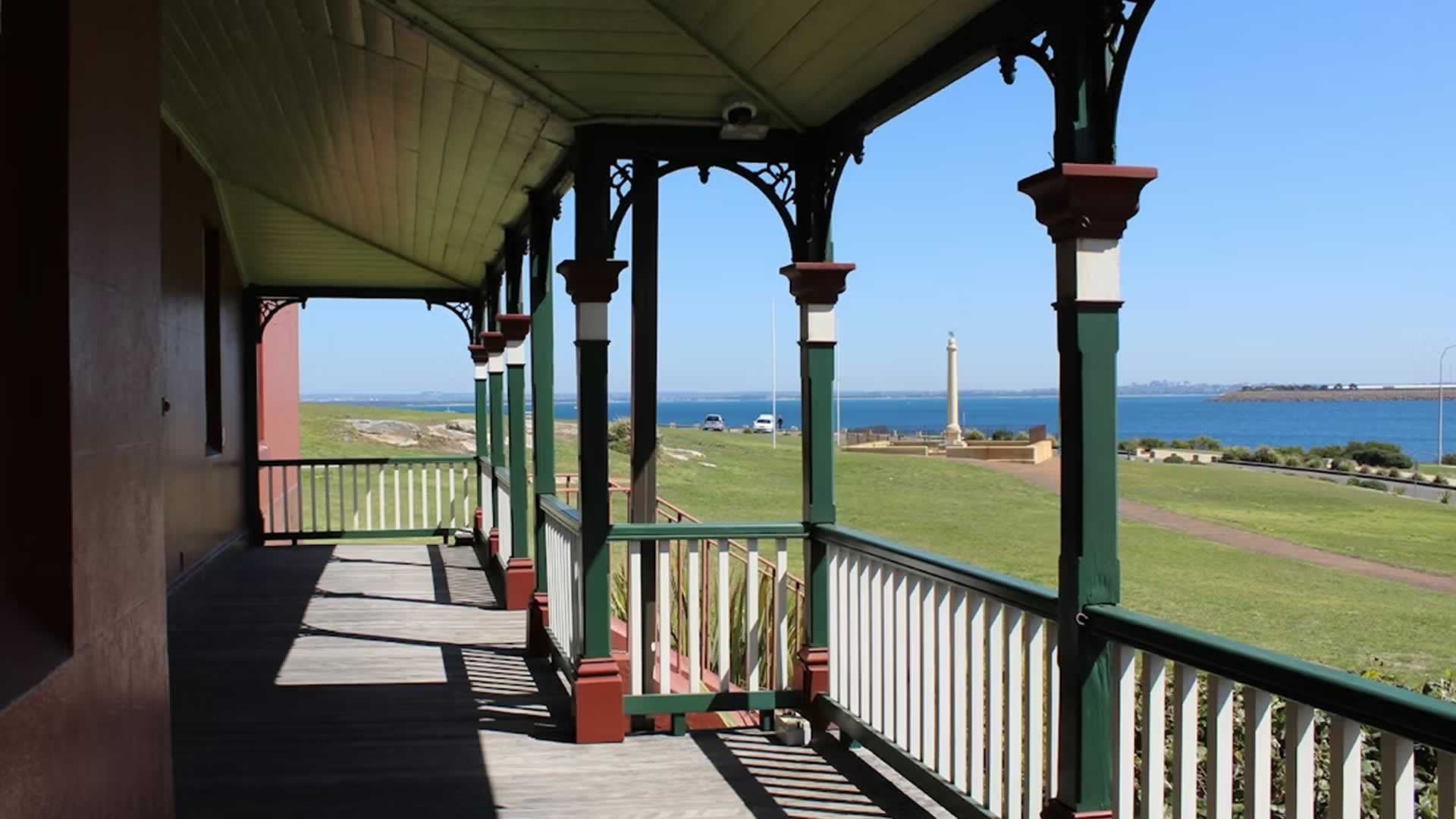
Transmission Point And The Broadcast Beyond The Museum
As the afternoon unfolds, the exhibition reaches beyond the walls of the museum.
From 2pm, the entire program will be broadcast live on 90.7 FM. Listeners across Sydney can tune in and hear the evolving soundscape of the event as it happens.
In this way, Transmission Point mirrors the very networks it explores.
Signals move outward again – from headland to radio tower, from broadcast to living rooms and car radios across the city.
For visitors standing on the grass above the ocean, the moment carries a quiet resonance. The same coastline that once carried telegraph pulses beneath the sea now sends artistic transmissions into the air.
Event Details
Transmission Point – Exhibition And Public Program
La Perouse Museum
Exhibition Dates: 28 March – 24 May 2026
Entry: Free
Opening Day Program
Saturday 28 March 2026
Workshops From 10:30am
Official Opening: 2:00 – 2:30pm
Performances: 2:30 – 6:00pm
Live Broadcast: 90.7 FM from 2pm
More Information: https://www.laperousemuseum.com.au/exhibitions/transmission-point