
Violin & Viola Double Act journeys through evocative string music as British virtuoso Lawrence Power makes his Australian Chamber Orchestra debut – a contemplative Sydney moment in June.
On a winter evening in Sydney, light softens early over the harbour, and the city seems to exhale. In the gentle quiet of a Saturday afternoon, before the night’s rush of activity descends, there is a pause – an almost imperceptible hush that invites listening. It is here, in that fragile space between noise and stillness, that the idea of a Violin & Viola Double Act feels particularly resonant: not merely a concert, but a weaving of sound and memory that lingers in the pause after the last note fades.
In mid-June, the doors of City Recital Hall will open to an audience drawn not by spectacle but by the promise of deep, unhurried attention. At the heart of this event is British string virtuoso Lawrence Power – a musician whose relationship with the viola and violin mirrors the city’s own layers of history and reinvention. As an instrument, the viola is often understated, its voice easily overshadowed by its higher-pitched cousin, the violin. But in Power’s hands – and in this particular program – the viola sheds anonymity, emerging instead as a vessel of emotive depth, speaking in tones that feel both intimate and expansive.
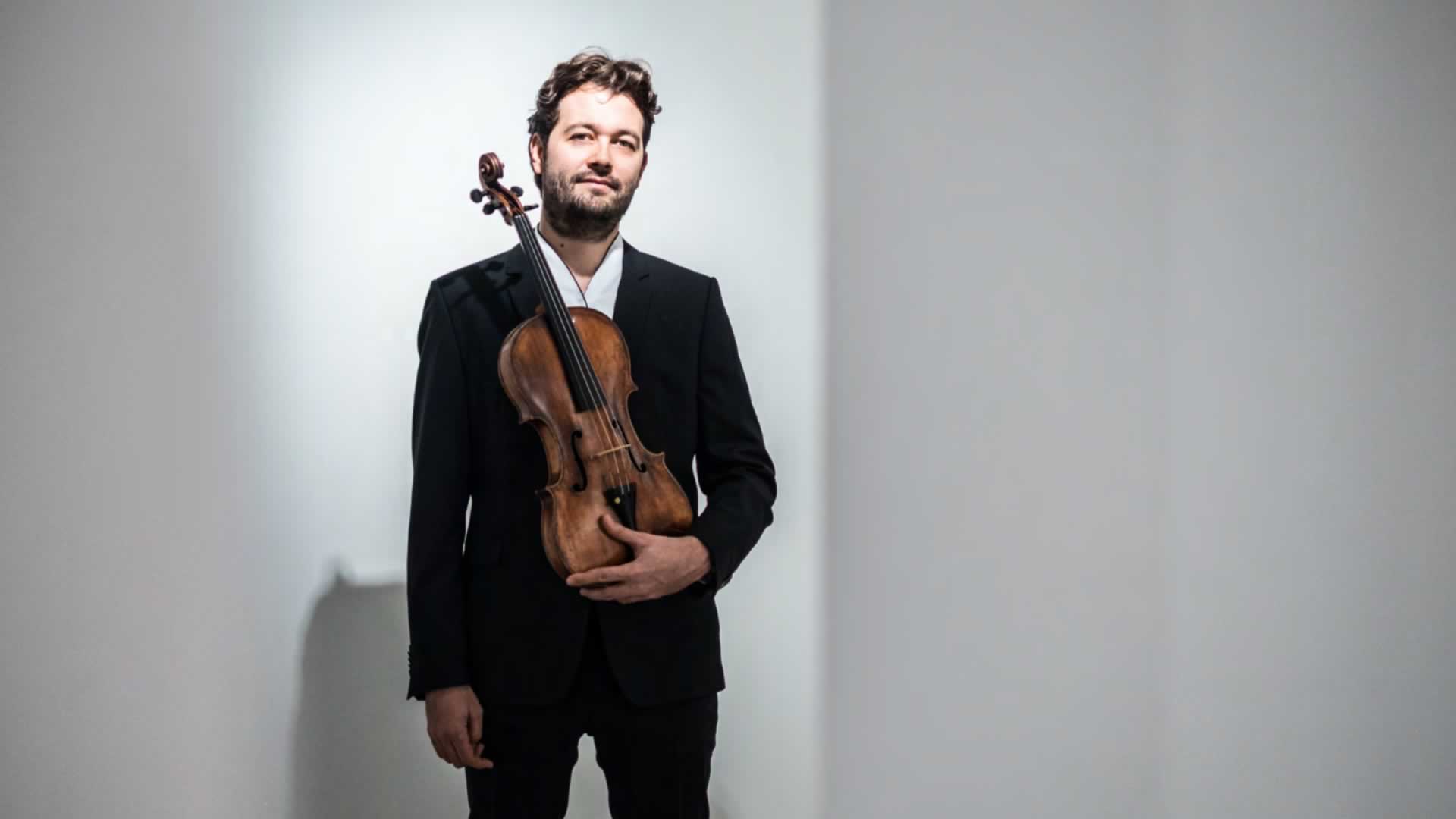
Violin & Viola Double Act In A Sydney Space
There is a certain poetry to arriving at City Recital Hall in the early evening. Designed with acoustic clarity and a musician’s sensibility, the space itself feels like an instrument poised for sound. Its warm timber walls and hushed corridors seem to encourage reflection even before any performance begins. Here, the ambient noise of the city thins; footsteps, whispered greetings, the rustle of programs – all these small sounds become part of the prelude.
As audiences settle into their seats on Tuesday 16 June 2026, there is a shared anticipation that doesn’t shout but hums quietly, like the tuning of strings just before a bow first grazes its horsehair over gut. In this stillness, one can almost sense the history of the instruments themselves – the generations of players and listeners who have stood, bow in hand or seated in darkness, ready for that singular moment when music begins.
The program that unfolds is titled Isles of Light, and it charts a thoughtful course through the rich, often poetic soundworld of British music. It begins with Ralph Vaughan Williams’s Fantasia on a Theme by Thomas Tallis, a piece that feels less like a composition and more like a reverie. Its long, slow arcs of harmony wash through the hall with a reverent calm, as if each phrase carries the memory of misted fields at dawn. In its opening strains, the piece evokes an expanse of rural English landscape as vividly as light on water at dusk.
When Violin & Viola Double Act Becomes Narrative
What is remarkable about the Violin & Viola Double Act isn’t simply the technical prowess on display, but the way in which sound becomes narrative. When Power switches between instruments – from violin to viola and back again – there is a palpable shift, not only in pitch but in the textures of storytelling. The violin, bright and clear, can feel akin to language spoken plainly; the viola, with its warmer, voice-like range, feels like an intimate conversation, quiet yet deeply expressive.
Amid these established works, the performance also includes the world premiere of a new viola concerto by Irish composer Garth Knox, inspired by Samuel Taylor Coleridge’s The Rime of the Ancient Mariner. Here, the musical language is restless and elemental, conjuring wind-torn seas and starlit journeys that seem to unfold across time. In the hushed hall, listeners can close their eyes and imagine themselves aboard the mariner’s doomed vessel, the strings trembling like waves against an unseen hull.
Between movements, there is a silence that feels intentional – a space in which memory and sound converse. Audience members do not lean back or check their watches; instead, they remain present, as though the world beyond the performance has softened into something distant and peripheral.
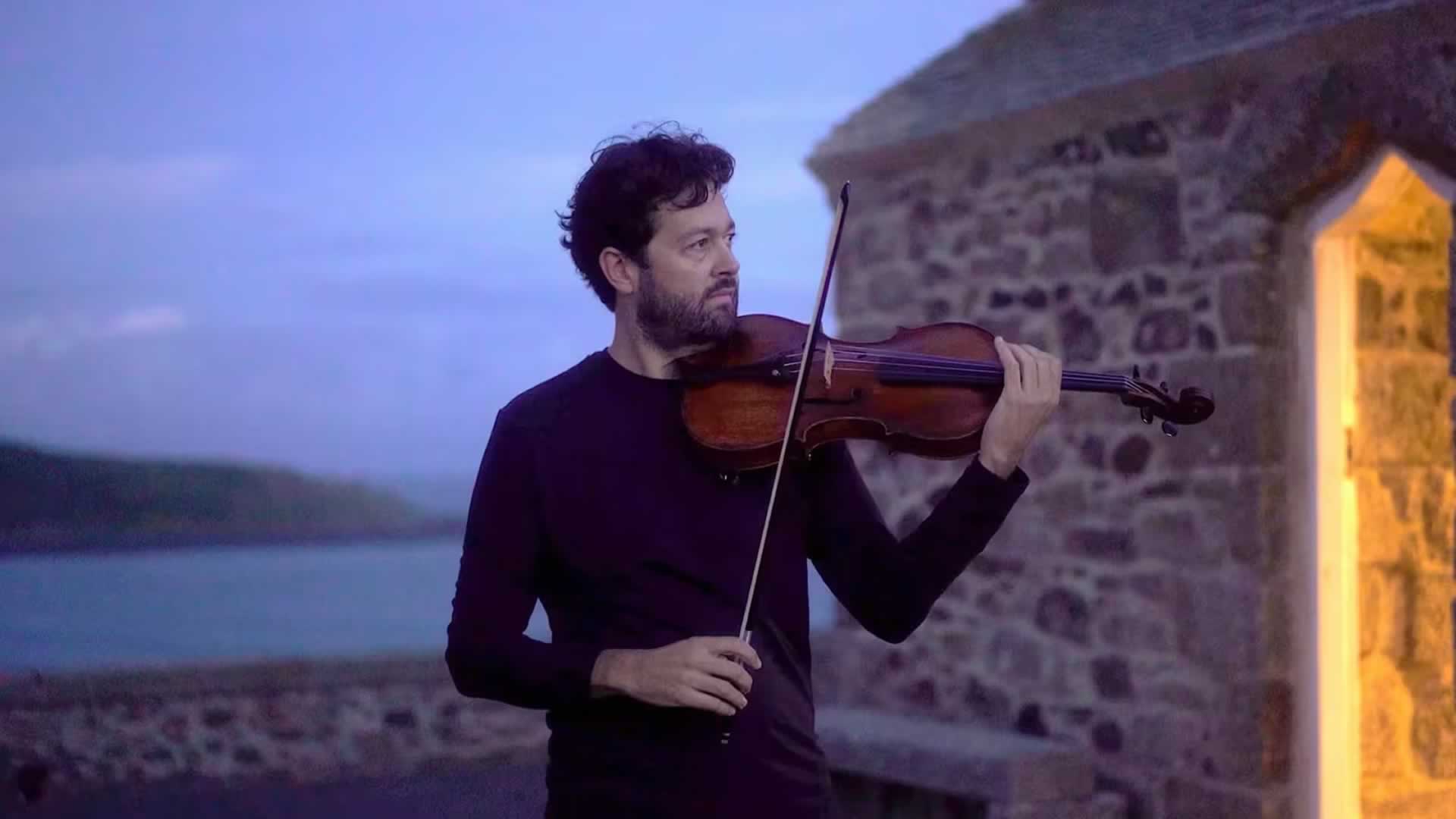
Rhythms Of Intimacy And Recall
Midway through the evening, Herbert Howells’s Elegy, Op.15 appears. It is a short but profound offering – a meditation that breathes quietly, like a sigh. The notes dwell more than they progress, and in this dwelling there is a grace that invites inward listening. Here, the viola’s lower tones speak not as accompaniment but as a voice of reflection, drawing the listener deeper into a space of personal remembrance.
The closing work, Elizabeth Maconchy’s Symphony for Double String Orchestra, brings a certain kinetic release. Its energy moves with a careful precision, a thread that binds together the quieter moments that came before. It is music that gestures toward unity through contrast – a fitting conclusion to an evening that has traversed landscapes of sound ranging from contemplative stillness to spirited drive.
What stays with you as the last chord fades is not applause or exhilaration, but a kind of gentle wonder: at how sound can carry memory, how the interplay between violin and viola can echo the nuanced textures of lived experience. In the quiet walk out of the hall, past warm lobbies and into the advancing night, the city seems altered – as if the strings have drawn its lights into sharper relief.
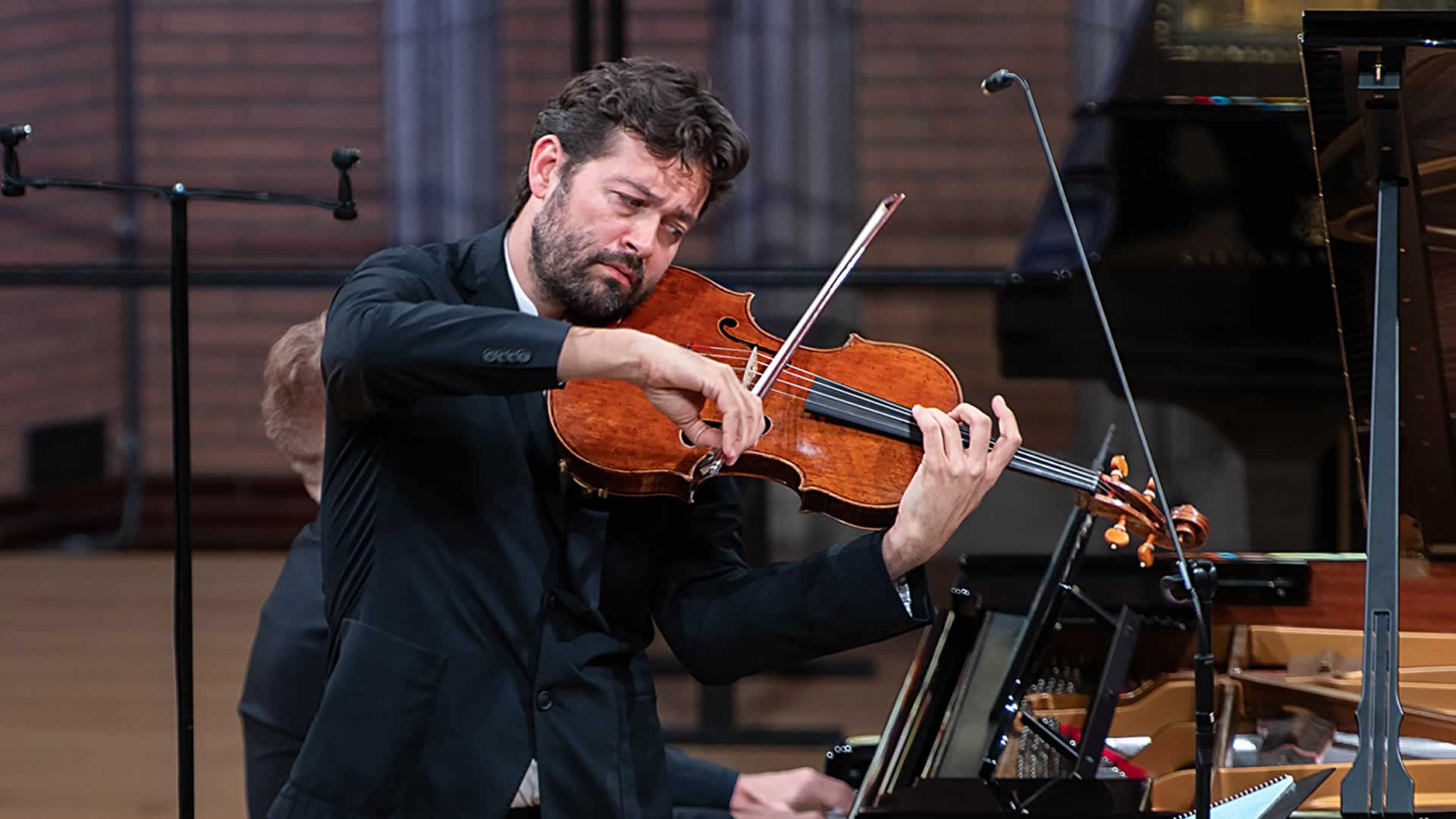
Event Details
Violin & Viola Double Act
Tuesday 16 June 2026 – multiple performances in Sydney through Sat 20 June 2026
Various times:
Tue 16 Jun, 8:00?PM
Wed 17 Jun, 7:00?PM
Fri 19 Jun, 7:00?PM
Sat 20 Jun, 7:00?PM
City Recital Hall, Angel Place, Sydney NSW 2000
Australian Chamber Orchestra presents Isles of Light featuring Lawrence Power on violin and viola.
Official link: https://www.aco.com.au/