
A Sydney Chamber Choir Concert brings Carmina Burana and contemporary Australian works to life at City Recital Hall, blending power, place and renewal.
On a late summer afternoon in the city, Angel Place narrows into its familiar canyon of glass and stone. Office doors close, footsteps soften, and the air shifts as people turn from the street toward the quiet gravity of City Recital Hall. Inside, the foyer hums with low conversation and anticipation. Programs are folded under arms; coats are shrugged off. There is a particular mood that precedes a Sydney Chamber Choir Concert – not spectacle, exactly, but a sense of shared attention, as if everyone present has agreed to listen carefully.
By three o’clock, the hall settles. The lights dim. What follows is not simply a performance, but a carefully shaped afternoon of sound that moves between continents, centuries, and emotional registers, anchored by voices that know how to inhabit space.
The Setting Before the First Note
City Recital Hall has a clarity that suits choral music. The wood-lined interior absorbs excess and gives back warmth, allowing consonants to land cleanly and sustained notes to hover just long enough. It is an intimate room by Sydney standards, and that intimacy matters. A Sydney Chamber Choir Concert thrives on detail – the lift of a phrase, the collective intake of breath before an entry, the way silence itself becomes part of the score.
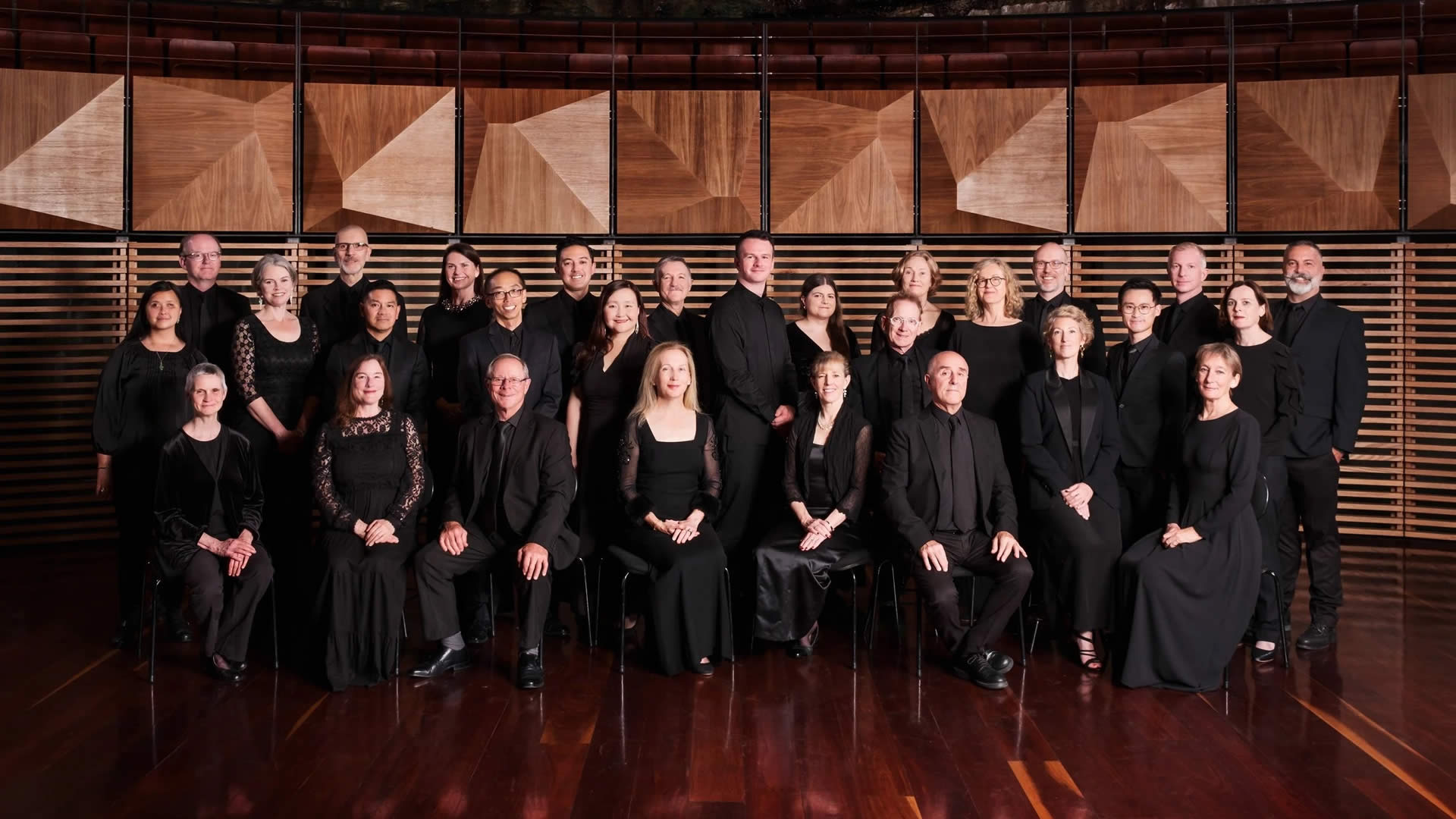
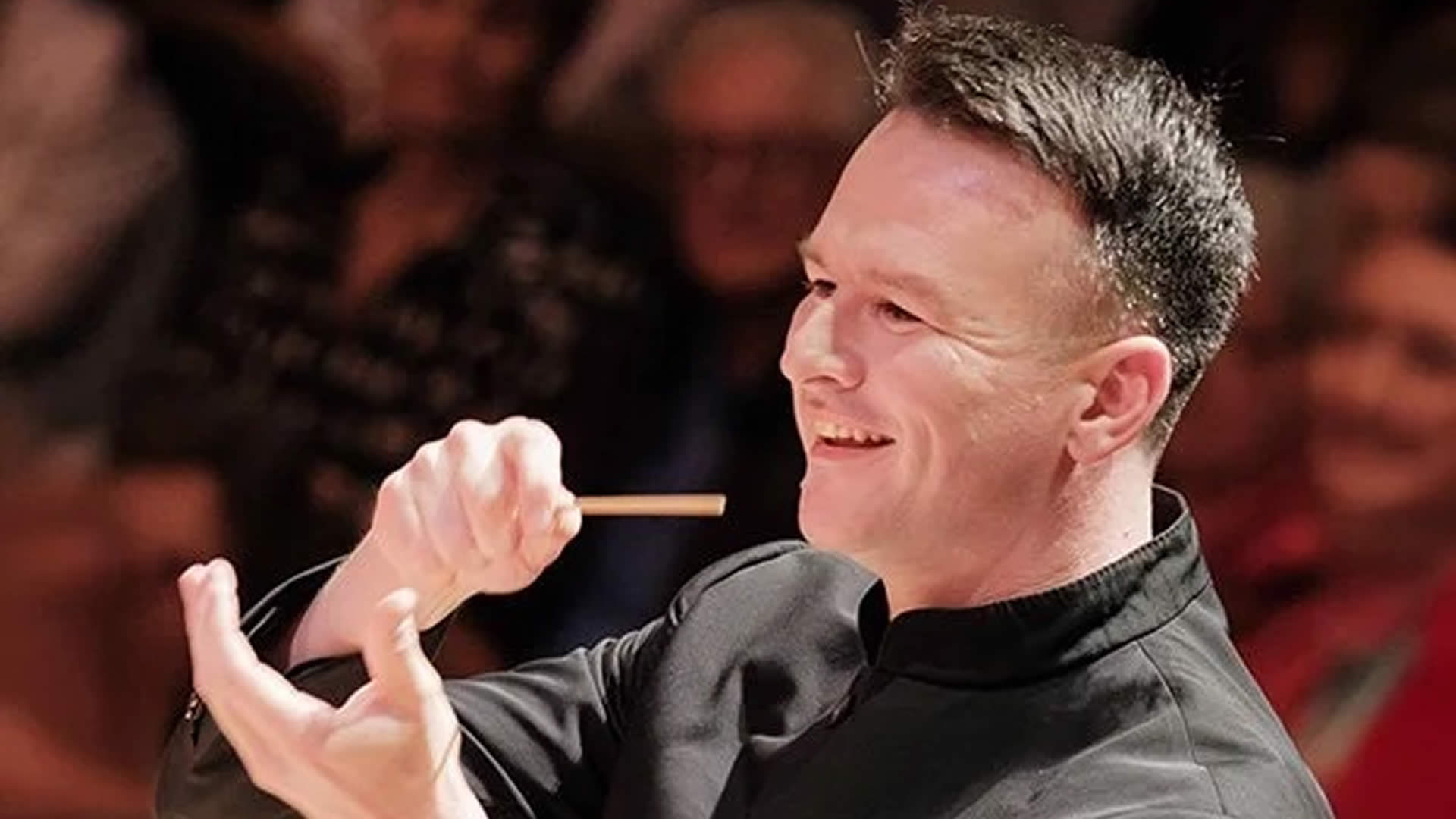
As director Sam Allchurch steps forward, there is no flourish. The gesture is economical, almost restrained, and the choir responds in kind. This is a group long past the need to prove itself, content instead to let the music do the work.
Carmina Burana Reimagined
Carl Orff’s Carmina Burana arrives with its opening chorus not as bombast, but as inevitability. “O Fortuna” is so deeply embedded in popular culture that it risks feeling overfamiliar. Yet here, in Orff’s own version for two pianos and percussion, the work sheds some of its cinematic weight and reveals its architecture. Rhythm becomes the driving force; the text bites sharper.
The reduced forces bring the singers closer to the audience, both physically and emotionally. The choir navigates the extremes – raw power, sudden stillness, moments of almost playful irony – with assurance. In this Sydney Chamber Choir Concert, Carmina Burana feels less like a monument and more like a living argument about fate, desire, and chance.
The soloists – baritone, soprano, and tenor – emerge from within the texture rather than standing apart from it. Their lines rise and fall as part of the larger narrative, never breaking the spell of the collective sound.
Country, Language, and Contemporary Voices
The program’s emotional centre, however, lies in the works that frame Orff. Nardi Simpson’s Dharriwaa – Narran Lakes Dreaming unfolds with a different sense of time. Language here is not ornamental; it is structural. The music listens as much as it speaks, drawing attention to water, land, and memory. In the stillness of the hall, the piece feels grounded, almost elemental.
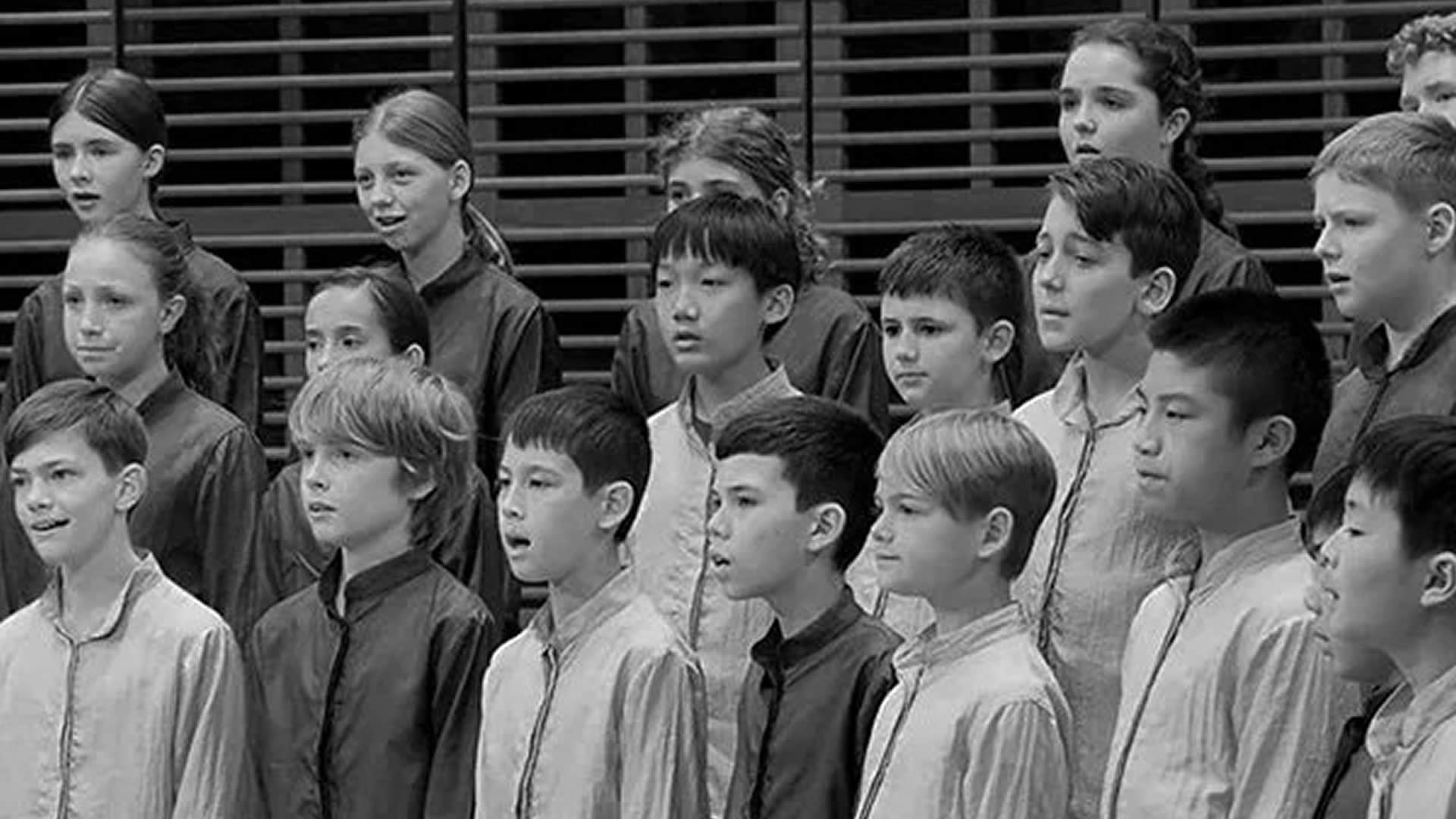
Paul Stanhope’s I am Martuwarra continues this dialogue with Country, weaving children’s voices into the choral fabric. The presence of the Sydney Children’s Choir introduces a brightness that never tips into sentimentality. Their sound is clear and unforced, carrying both innocence and purpose. In a Sydney Chamber Choir Concert, this collaboration feels less like a feature and more like an extension of the program’s values – listening across generations, making room for different ways of knowing.
A Sydney Chamber Choir Concert as Collective Memory
There is an undercurrent of reflection running through the afternoon. Allchurch’s connection to the late Richard Gill, who conducted the choir’s previous Carmina Burana a decade earlier, is not spoken at length, but it lingers. Music, after all, has a way of holding memory without announcing it.
David Conte’s Invocation and Dance offers a moment of lift toward the program’s end. Its lyricism feels almost sunlit after the darker turns of Orff and the grounding pull of the Australian works. The rhythm is buoyant, the harmonies open. It is not an encore in name, but it functions as one – a reminder that renewal can be gentle as well as forceful.
Throughout, the choir maintains a sound that is recognisably its own: focused, flexible, and attentive to text. A Sydney Chamber Choir Concert does not overwhelm; it draws you in, asking for patience and rewarding it with depth.
Leaving the Hall
When the final resonance fades, there is a pause before applause begins. It is brief, but telling. People sit with what they have heard, as if reluctant to break the spell. Outside, Angel Place feels louder than before, the city resuming its pace.
Yet something lingers – the echo of voices, the memory of shared listening. A Sydney Chamber Choir Concert offers more than an afternoon of music. It creates a temporary community, bound by attention and sound, and then releases it back into the city, carrying that resonance a little further than expected.