
Woven from a hundred flowers opens at Hurstville Museum & Gallery, celebrating the Nepalese community through stories, textiles, music and shared heritage.
On a quiet street in Hurstville, the brick façade of the museum catches the soft light of early evening. People begin to arrive slowly, some pausing outside to greet familiar faces, others stepping inside with quiet curiosity. The voices drifting through the foyer carry a blend of accents, laughter and gentle anticipation. It feels less like a formal event and more like a gathering.
Inside, an exhibition titled Woven from a hundred flowers begins to unfold.
The name suggests something delicate and collective – many elements brought together to form a single shape. In this case, those elements are the stories, objects and memories shared by members of Sydney’s Nepalese community. The exhibition, opening at Hurstville Museum & Gallery, offers visitors a window into a culture that has quietly grown into a vibrant part of the Georges River region.
Rather than presenting history from a distance, Woven from a hundred flowers invites people into the lived experiences of the community itself.
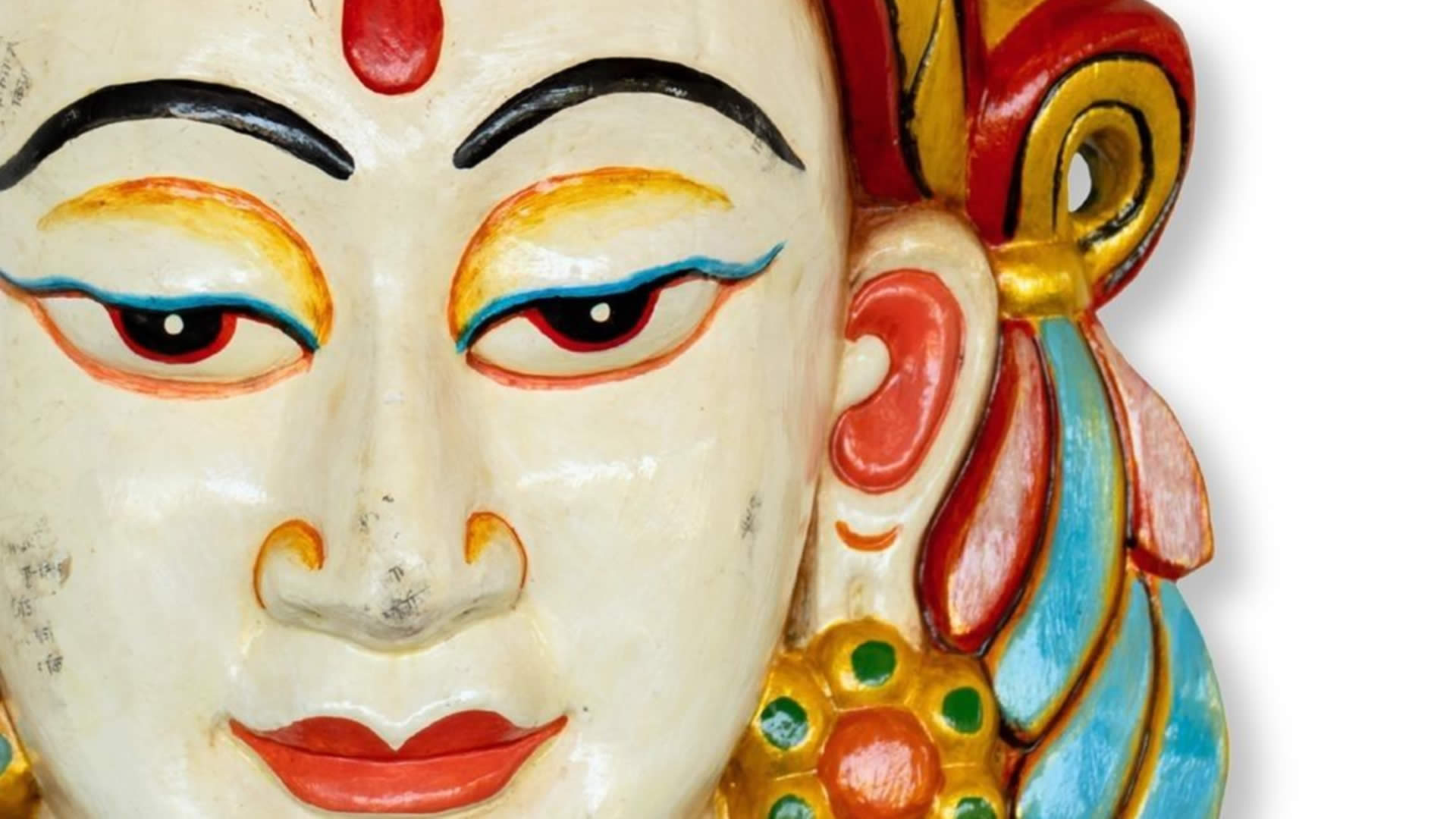
The Community Behind Woven From A Hundred Flowers
Over the past decade, the Nepalese community has become one of the fastest-growing cultural groups in the Georges River area. Families have settled across suburbs like Hurstville, Kogarah and Riverwood, bringing with them traditions that stretch across the Himalayan foothills and into city neighbourhoods thousands of kilometres away.
Woven from a hundred flowers takes its inspiration directly from those lives.
The exhibition has been shaped in collaboration with local community members who have shared personal objects, photographs and stories. Each contribution offers a glimpse into everyday life: a garment worn at a festival, a piece of jewellery passed through generations, a musical instrument that once accompanied celebrations back home.
Together, these fragments create a portrait of a community that is both deeply rooted in tradition and actively building a life in Sydney.
The metaphor of many flowers forming one garland resonates strongly here. Individual stories remain distinct, yet when brought together they reveal something larger – a collective identity shaped by movement, adaptation and memory.
Woven From A Hundred Flowers And The Textures Of Culture
Walking through Woven from a hundred flowers, visitors encounter the textures of Nepalese culture in many forms.
Textiles drape softly within display cases, their intricate patterns reflecting centuries of craftsmanship. Nearby, traditional clothing demonstrates the colours and forms often seen during celebrations and festivals. Music and dance, too, appear throughout the exhibition, revealing how rhythm and movement carry cultural memory across generations.
Some of the objects have been loaned from the renowned Powerhouse Museum, offering historical context alongside personal contributions from community members.
Yet the exhibition avoids feeling formal or distant. Instead, the displays reflect the everyday nature of culture – something worn, cooked, danced and shared rather than simply preserved.
Food plays a quiet but important role as well. For many visitors, Nepalese cuisine represents the first sensory connection to the culture. The flavours and aromas associated with family kitchens often carry stories as powerful as any object displayed behind glass.
The Living Stories Inside Woven From A Hundred Flowers
At the centre of Woven from a hundred flowers is a recognition that culture continues to evolve.
One section of the exhibition invites visitors to explore a community wall highlighting Nepalese residents and businesses across the Georges River area. Photographs and short profiles reveal the everyday presence of the community within local streets – from students and professionals to shop owners and artists.
Children visiting the exhibition will find interactive elements designed to encourage curiosity and play. These quieter spaces allow younger visitors to explore cultural traditions in ways that feel natural rather than instructional.
For many families attending the opening night, the exhibition becomes more than an educational display. It offers a chance to see their own experiences reflected within a public space.
Moments like this can feel quietly significant. A familiar language overheard in a gallery, a traditional dance performed on a small stage, a shared recognition that stories carried across continents have found a place here.
An Evening To Open Woven From A Hundred Flowers
The official opening of Woven from a hundred flowers promises to capture that sense of gathering.
As guests arrive at the museum, the evening will begin with cultural dance performances – movements that echo the music and traditions explored throughout the exhibition. The rhythm of drums and the graceful motion of dancers bring the displays to life in a way that no static object can.
Visitors will also have the opportunity to sample Nepalese food, a gesture that transforms the opening into something closer to a community celebration than a formal launch.
The event will include a special address from Sanjeev Sharma, reflecting on the connections between the Nepalese diaspora and their adopted home in Australia.
For the museum, the evening represents more than the unveiling of an exhibition. It marks an acknowledgement of the cultural richness already present within the local area.
Event Details
Exhibition Opening: Woven from a hundred flowers
Date: Friday 1 May 2026
Time: 6:00pm – 8:00pm
Location: Hurstville Museum & Gallery, 14 MacMahon Street, Hurstville
Cost: Free
Bookings: Encouraged via the official event page
Official Link:
https://www.georgesriver.nsw.gov.au/Community/Events/What’s-On-Event-Information/Exhibition-Opening-Woven-from-a-hundred-flowers