
Bait-al-Nahl – The House of Bees brings Mehwish Iqbal’s new textile works to Bundanon, exploring migration, community, memory and the idea of home.
There are places where art feels naturally connected to the landscape around it. Bundanon is one of them.
Beyond the galleries, the Shoalhaven landscape opens into ridges, bushland and the winding Shoalhaven River. The former home of Arthur and Yvonne Boyd sits within a property where art has long been considered alongside the natural world, and where a visit to an exhibition can easily become part of a longer encounter with place.
From 31 October 2026, that setting will provide the backdrop for Bait-al-Nahl – The House of Bees, a new exhibition by Pakistani-born Australian artist Mehwish Iqbal. Presented at Bundanon Art Museum, the exhibition brings together newly commissioned textile works and a multidisciplinary practice concerned with migration, memory, ecology, identity and the ways communities carry knowledge across borders.
At its centre is the hive.
The idea is deceptively simple. A hive is a place of shared habitation, production and nurture. It is built collectively, maintained collectively and dependent upon relationships between individuals. For Iqbal, the image becomes a way of considering human communities and the movement of people across countries, particularly experiences shaped by migration and displacement.
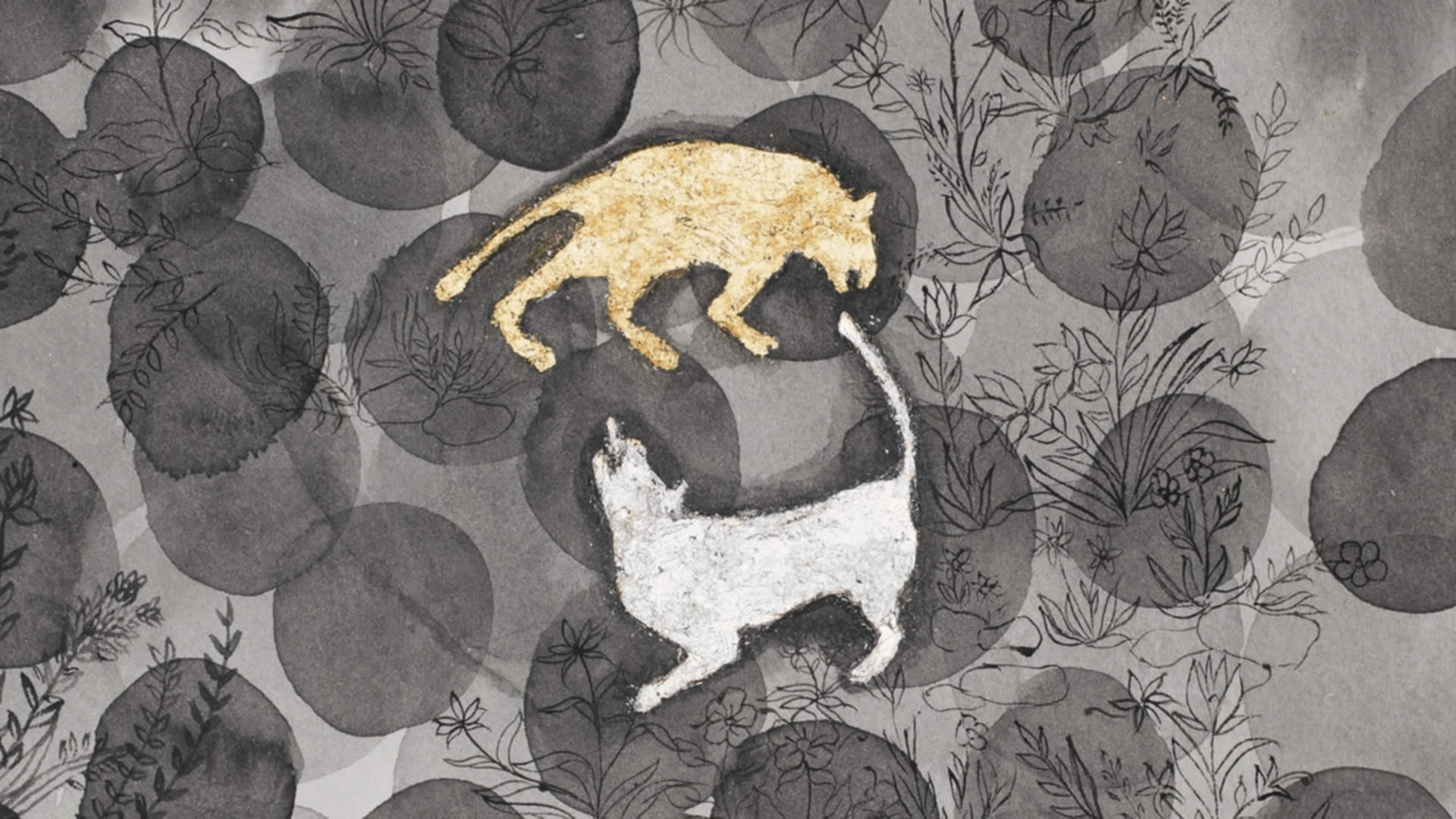
The title Bait-al-Nahl refers to Qur'anic verse and to the bee's place in the natural world, where bees build homes in mountains, trees and human structures. The bee also produces nectar associated with healing. These ideas give the exhibition a framework in which nature, culture and human experience overlap.
Bait-al-Nahl And The Idea Of Home
Home is rarely as straightforward as an address.
For people who have migrated, been displaced or maintained connections across several countries, home can exist as memory, language, family practice, food, ritual and craft. It can be something carried rather than something left behind.
That tension sits quietly at the heart of Bait-al-Nahl.
Iqbal's practice has long considered the experiences of migration and diaspora, alongside questions of womanhood, power and cultural identity. Her work moves between painting, printmaking, textiles, ceramics, sculpture and installation, allowing ideas to take physical form through very different materials.
For the Bundanon exhibition, textile traditions become particularly important.
Five new handwoven silk works form the centre of the exhibition. They have been developed through collaboration with artisan communities in India, Thailand and Pakistan, drawing on histories of movement and connection across borders. The works also reflect communal knowledge passed between generations of women.
There is something appropriate about placing such works within Bundanon.
The property itself is shaped by layers of history and movement. Arthur Boyd's decision to gift Bundanon to the Australian people created an unusual meeting point between landscape, art and public life. Today, the Art Museum is embedded within that landscape rather than separated from it.
Visitors arrive at an institution, but they also arrive somewhere with its own atmosphere.
The sound of birds and wind, the changing light across the bush and the distance from the built density of Sydney all become part of the experience.
Bait-al-Nahl And The Language Of Textiles
Textiles have always carried stories.
A piece of cloth can record a technique, a region, a family tradition or a particular way of understanding the world. Unlike many forms of painting, textile making is often collective by nature. Knowledge is demonstrated and repeated, learned through hands as much as words.
That communal quality is central to Bait-al-Nahl.
The five new silk works have been developed with artisan communities across three countries. Their creation therefore crosses geographical boundaries before the finished works even arrive in Australia. The exhibition's subject matter and its method of production become closely connected.
Iqbal's interest in community-led artisanal collaboration also draws upon older visual traditions. Her practice incorporates techniques and references including siah qalam, an ancient Persian tradition of monochromatic drawing. At Bundanon, these histories are brought into conversation with contemporary questions about migration, ecology and cultural exchange.
The result is not simply an exhibition about migration.
It is an exhibition made through relationships that cross borders.
That distinction matters. Rather than treating migration as an abstract political subject, the works begin with things that can be held, woven, drawn and passed between people. The scale of movement becomes visible through individual acts of making.
A Hive As A Human Landscape
The hive offers another way into the exhibition.
A hive is neither entirely individual nor entirely collective. Each bee has a role, but the survival of the whole depends upon cooperation. It is a structure that can be understood as architecture, community and ecosystem at once.
Iqbal uses this image to consider the ways human societies are constructed and reconstructed.
Communities move. Families separate and reunite. Traditions change as they travel. A practice that begins in one place can be carried elsewhere and gradually altered by new surroundings without losing its connection to where it began.
This is particularly relevant to diasporic experience, where identity can exist between several cultural landscapes.
Bait-al-Nahl does not offer a single definition of belonging. Instead, the exhibition creates space to think about what happens when people and traditions cross borders, and what remains intact through that movement.
The bee becomes an especially resonant figure because it is both a traveller and a builder. It moves beyond the hive to gather what it needs, then returns to a shared home.
There is also a practical connection to healing. The exhibition notes the role of bees in producing nectar associated with healing, adding another layer to the relationship between nature and human care.
Within Bundanon's landscape, that connection may feel particularly tangible.
From Pakistan To Western Sydney
Iqbal's Australian story is itself part of the exhibition's wider geography.
Born in Pakistan, she is now based in Australia and works across multiple disciplines. Her practice has been exhibited internationally, including in Pakistan, the United States, Turkey, Hong Kong and Australia. She was also an artist in residence at Bundanon in 2014, giving the upcoming exhibition a connection to the site that extends beyond the current commission.
One of the major works in Bait-al-Nahl makes that network of places especially visible.
A monumental 12-metre silk work is handwoven by artisans in Murshidabad, India, before being printed and embroidered by Iqbal and her daughter in western Sydney.
The finished work therefore carries several geographies within it.
There is the place where the silk is woven, the place where the artist and her daughter continue its transformation, and finally Bundanon, where the work will be encountered by an Australian audience.
It is an artwork whose making traces a route across borders.
That route is also a reminder that contemporary art is often less geographically contained than the gallery walls in which it is shown. Materials, knowledge, labour and family histories can move between countries long before an audience encounters the finished object.
Bait-al-Nahl At Bundanon Art Museum
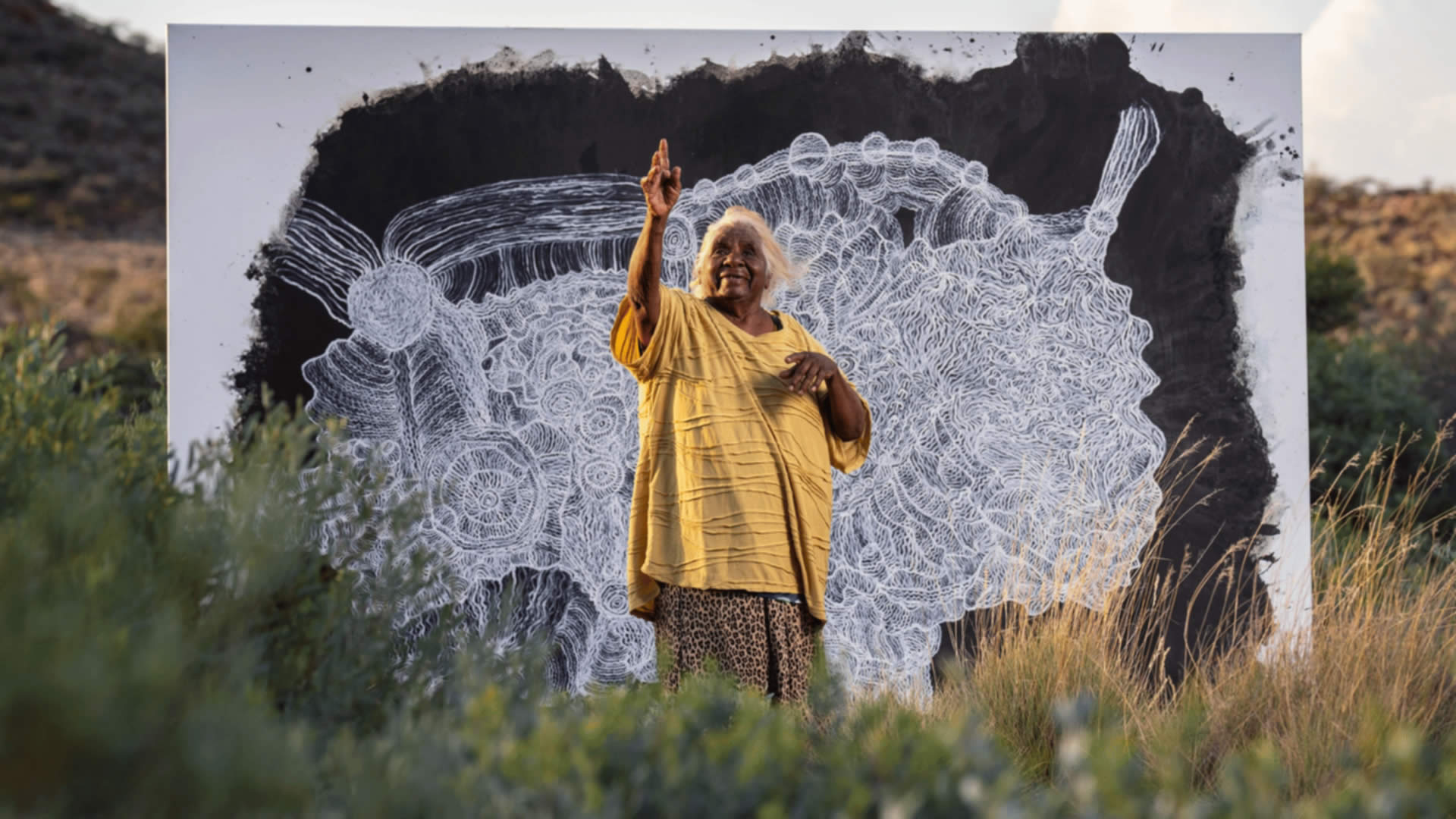
The exhibition will form part of Bundanon's summer 2026 to 2027 exhibition season, presented alongside Ngangkaṟi Ngura – Healing Country by senior Aṉangu artist and ngangkaṟi Betty Muffler. Both exhibitions explore ideas of care, connection and cultural knowledge through very different artistic traditions.
That pairing gives the season a particular sense of breadth.
Iqbal's work approaches questions of migration, diaspora and communal making, while Muffler's practice is deeply grounded in Country, healing and Aṉangu cultural knowledge. They come from different histories and artistic traditions, but both exhibitions consider relationships between people, place and forms of knowledge that extend beyond the individual.
For visitors, the two exhibitions offer another reason to spend time at Bundanon rather than treating the Art Museum as an isolated stop.
The museum is part of a larger cultural landscape.
A day can begin with the exhibitions and continue outside, where the scale of the property changes the pace of a visit. Bundanon's landscape asks for slower attention. The transition from gallery to bushland is not abrupt. Ideas encountered inside can continue to sit in the mind while walking through the grounds.
That sense of continuity is one of the distinctive qualities of visiting Bundanon.
The Opening Of Bait-al-Nahl
Bait-al-Nahl will open on Saturday 31 October 2026 as part of Bundanon's summer exhibition season.
The exhibition will then remain on display until 14 February 2027, giving visitors throughout late spring, summer and early February an opportunity to encounter Iqbal's new works.
Bundanon's exhibition program lists the Art Museum as open Wednesday to Sunday from 10am to 4pm during the season. Admission to the exhibition is $18 for adults and $12 for concession and youth visitors, while Bundanon members enter free.
The opening weekend is part of a broader seasonal program at Bundanon, bringing together Iqbal's exhibition with Betty Muffler's Ngangkaṟi Ngura – Healing Country. The supplied opening weekend program is the place to check for the latest details on talks and associated activities around the launch.
For those travelling from Sydney, the trip also provides an opportunity to experience the Shoalhaven beyond the exhibition itself.
Bundanon Art Museum is at 170 Riversdale Road, Illaroo, NSW 2540. The property sits inland from the coastal centres of the Shoalhaven, making the journey part of the experience rather than simply a commute to a gallery.
Visiting Bait-al-Nahl
Bait-al-Nahl is ultimately an exhibition about connection.
The bee is a useful metaphor because it resists the idea of the isolated individual. A hive is a system of relationships. Its architecture is built through collective effort, and its continuation depends upon exchange.
Iqbal's textile works approach similar ideas through human histories.
Women working together across generations. Artisan knowledge travelling between countries. A silk work moving from India to western Sydney and then to Bundanon. A family relationship becoming part of the making process. Traditions changing as they encounter new places.
These are quiet forms of movement, but they are also persistent ones.
They suggest that culture is not something fixed in a single location. It can travel, adapt and survive through the people who carry it.
That idea feels particularly fitting at Bundanon, where the landscape itself has become inseparable from the institution's understanding of art. The museum does not sit in isolation from its surroundings. It is part of a place where memory, environment and creative practice continually meet.
By the end of a visit, the hive may seem less like an image of insects and more like a way of thinking about human life.
People gather. People leave. Knowledge moves. Homes are remade.
And sometimes, across distance and time, the things that travel with us become the things that allow a sense of home to take root somewhere new.
Bait-al-Nahl – The House Of Bees Details
Event: Bait-al-Nahl – The House of Bees
Artist: Mehwish Iqbal
Dates: 31 October 2026 to 14 February 2027
Opening hours: Wednesday to Sunday, 10am to 4pm
Location: Bundanon Art Museum, 170 Riversdale Road, Illaroo NSW 2540
Tickets: $18 adult, $12 concession and youth, free for Bundanon members
Opening: Saturday 31 October 2026
Official information and bookings: Bait-al-Nahl – The House of Bees at Bundanon
As the afternoon light changes across the Shoalhaven landscape, the distinction between the gallery and the country around it begins to soften.
Inside, Iqbal's works speak of movement, memory and the structures people create to belong. Outside, the landscape continues at its own pace.
The two experiences are not the same, but they sit comfortably together.
Bait-al-Nahl asks visitors to consider the hive as a place of shared life, but its deeper subject is perhaps the human instinct to make connections wherever we find ourselves. Across silk, thread, memory and landscape, the exhibition follows those connections from one place to another.
At Bundanon, they arrive in a setting that gives them room to breathe.