
COLLEGIUM MUSICUM will arrive in Sydney and Bowral this June, tracing Bach’s musical world through candlelit chamber works and baroque storytelling.
In winter, Sydney’s harbour edges often seem to absorb sound differently. Ferries slide quietly past Dawes Point. Footsteps echo along Hickson Road after dark. Through the tall windows of The Neilson, ACO On The Pier, the water reflects fractured ribbons of city light while audiences gather in low conversation before the music begins.
For a few evenings in June, COLLEGIUM MUSICUM will invite listeners into a world shaped not by grand opera houses or royal courts, but by candlelit rooms where musicians, students and philosophers once gathered to exchange ideas late into the evening.
Presented by Bach Akademie Australia under the direction of Madeleine Easton, the program takes its name from one of the most influential musical societies of eighteenth-century Europe. The original Collegium Musicum, founded in Leipzig in 1702 by composer Georg Philipp Telemann, created a rare environment where academic life and public performance existed side by side.
When Johann Sebastian Bach later assumed leadership of the society, the gatherings became central to Leipzig’s cultural life. Many of Bach’s best-known instrumental works were refined, adapted or performed within this setting – not in formal concert halls, but in coffee houses and salons where audiences sat close enough to hear the movement of bows across strings.
The upcoming Australian performances of COLLEGIUM MUSICUM seem intent on reviving that atmosphere of closeness and intellectual curiosity.
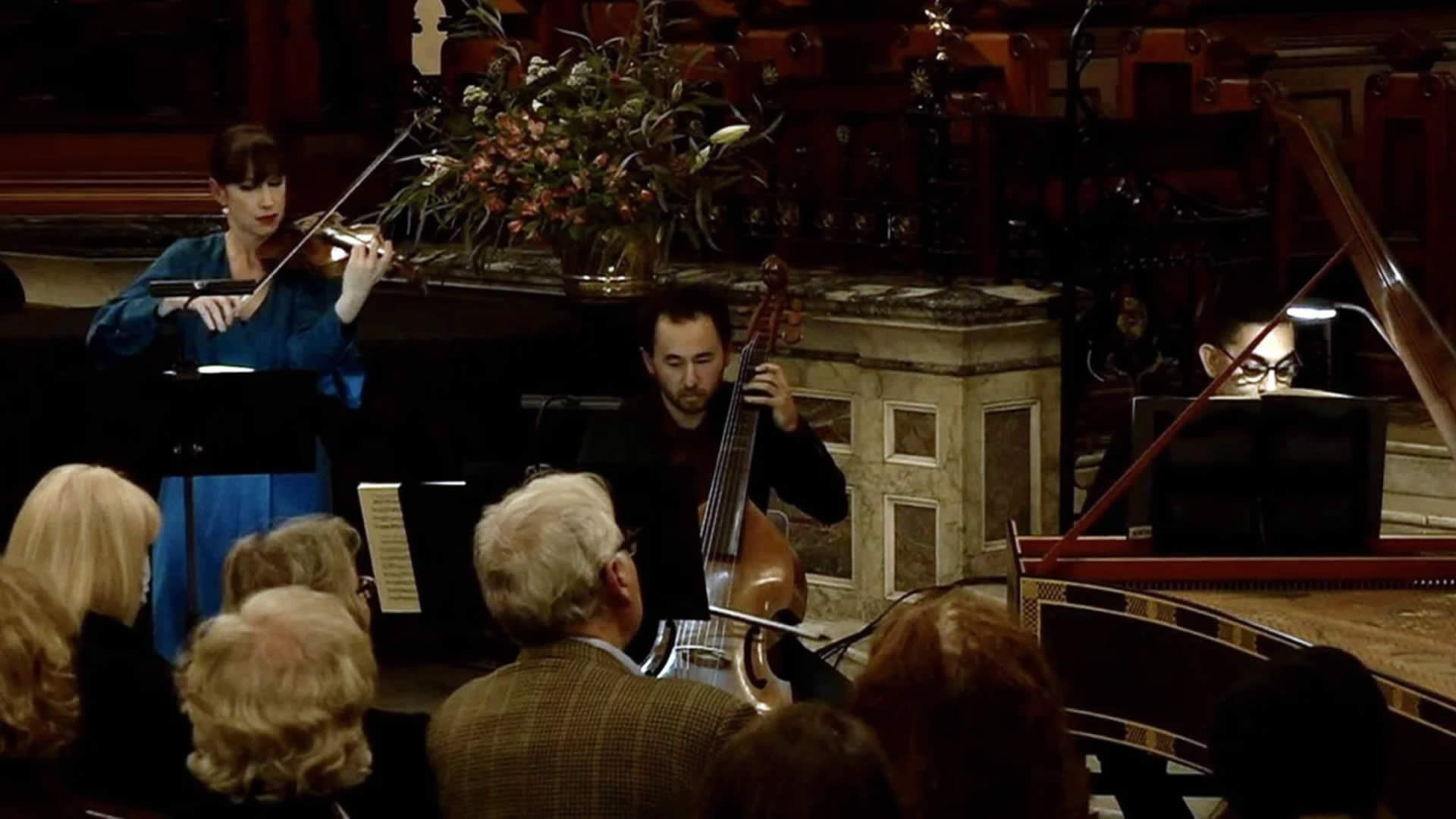
COLLEGIUM MUSICUM and the Echo of Leipzig
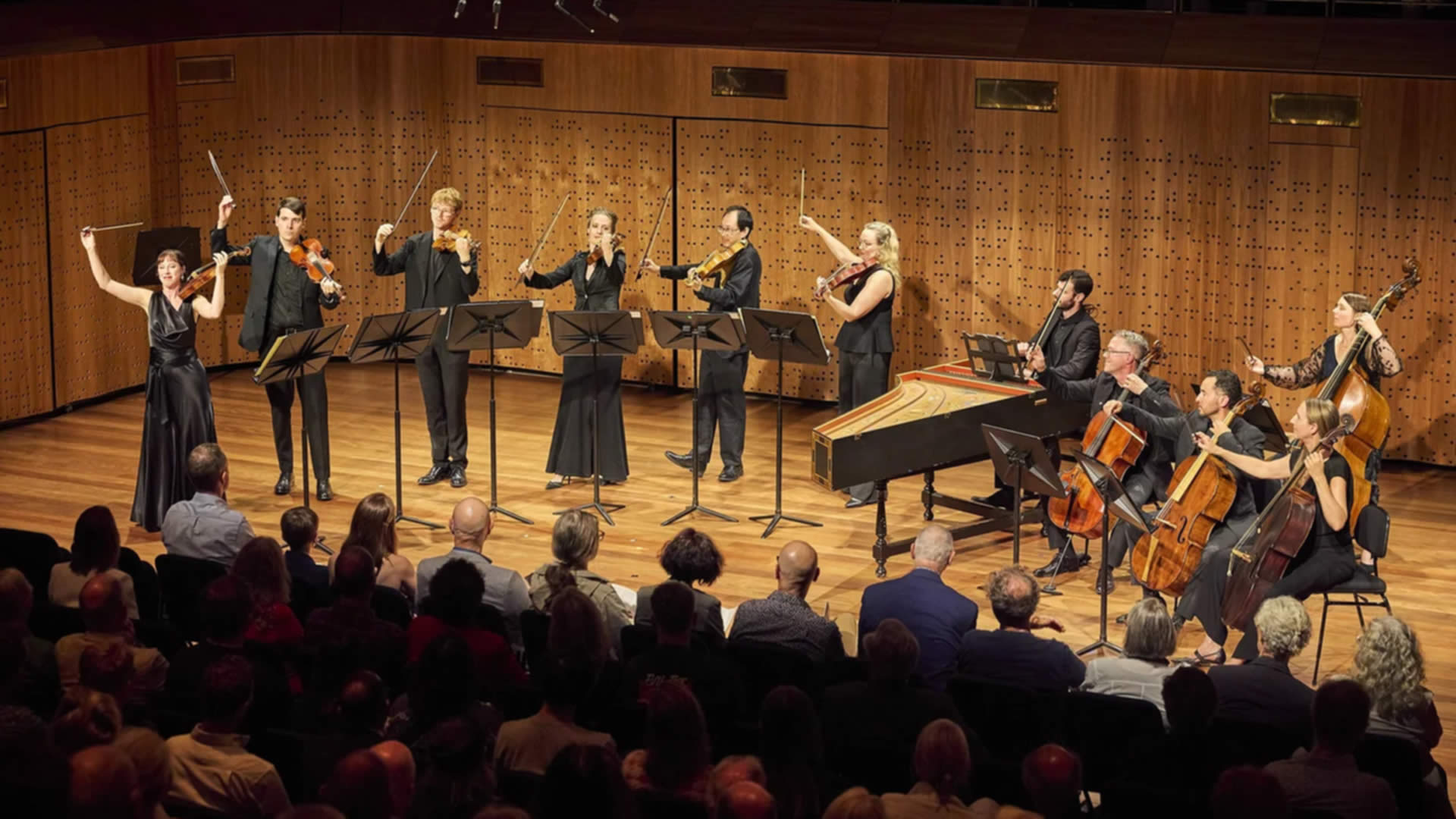
The program itself moves like a conversation across generations of composers. Bach’s Concerto in D minor for two violins, BWV 1043, will sit alongside Telemann’s lively selections from Tafelmusik, while works by Antonio Vivaldi and Johann Friedrich Fasch broaden the sense of musical exchange that defined eighteenth-century Europe.
There is something fitting about hearing these compositions performed in intimate venues rather than vast theatres. Baroque music often reveals itself most fully at close range: the grain of gut strings, the rhythmic breath between players, the subtle rise and fall of phrasing that can disappear in larger auditoriums.
In Mosman, the performance at the Mosman Art Gallery will likely carry a quieter intimacy. Winter light will fade early across the harbour foreshore before audiences settle into the gallery space, where visual art and chamber music will briefly share the same architecture.
At Dawes Point, meanwhile, the setting shifts toward the maritime edge of the city. The Neilson’s timber interiors and harbour backdrop create a softer frame for the music, allowing the evening to feel less ceremonial and more conversational – closer perhaps to the spirit of the original Collegium gatherings in Leipzig.
The Bowral performance will bring the program inland to the Southern Highlands, where colder June air and the modest scale of Bowral Memorial Hall may lend the music an even greater sense of warmth and enclosure.
Inside the World of COLLEGIUM MUSICUM
At the centre of COLLEGIUM MUSICUM is the idea that music was once inseparable from discussion, experimentation and community life. Telemann founded the original society while studying law at Leipzig University, recognising that students needed opportunities not only to study music, but to perform it publicly.
That atmosphere of exchange shaped much of what followed in German baroque music. Bach inherited a culture where composers regularly borrowed themes, adapted forms and responded directly to one another’s ideas. The result was music that felt alive within its own moment rather than fixed behind institutional walls.
This sense of movement remains embedded in the program selected by Bach Akademie Australia.
Telemann’s Tafelmusik – literally “table music” – was composed for social gatherings where conversation and dining unfolded alongside performance. Even centuries later, the works retain an ease and brightness that feel unusually human in scale. In contrast, Bach’s Concerto for Two Violins carries an emotional gravity that seems to pull inward, particularly during its slow movement, where the two solo lines drift around one another with restrained tenderness.
Elsewhere, Vivaldi’s La Folia introduces flashes of theatricality and rhythmic unpredictability, while Fasch’s Sinfonia in G minor reflects the broader European exchange of musical styles occurring at the time.
Rather than presenting these works as isolated masterpieces, COLLEGIUM MUSICUM appears to frame them as part of an evolving network of friendships, influences and intellectual encounters.
COLLEGIUM MUSICUM Will Offer a Different Kind of Winter Evening
Sydney’s cultural calendar often accelerates toward spectacle in winter: large festivals, illuminated installations and crowded theatre seasons competing for attention across the city. COLLEGIUM MUSICUM seems likely to move in the opposite direction.
The performances promise something slower and more attentive – evenings built around listening rather than distraction. Audiences will not encounter amplified sound or digital staging, but the physical presence of musicians sharing acoustic space.
That intimacy feels increasingly rare.
Under Madeleine Easton’s direction, Bach Akademie Australia has developed a reputation for historically informed performance that avoids unnecessary ornamentation. The emphasis instead tends to rest on clarity, balance and emotional texture, allowing the architecture of the music itself to emerge gradually.
For listeners unfamiliar with baroque repertoire, the program may offer an unexpectedly immediate experience. These works were not originally written for distant reverence. They were composed for gatherings filled with debate, laughter, curiosity and movement – places where music remained woven into ordinary life.
Event Details
COLLEGIUM MUSICUM – Mosman Performance
Date: Friday, 12 June 2026
Time: 2:30 PM
Location: Mosman Art Gallery
COLLEGIUM MUSICUM – Sydney Performance
Date: Saturday, 13 June 2026
Time: 7:30 PM
Location: The Neilson, ACO On The Pier
COLLEGIUM MUSICUM – Bowral Performance
Date: Sunday, 14 June 2026
Time: 2:30 PM
Location: Bowral Memorial Hall