
Sydney’s CBD rarely pauses for long. Light rail carriages move steadily along George Street while shoppers drift between department stores, cafés and laneways leading toward the harbour. Yet inside one newly opened space in the city centre, the familiar rhythm of the city begins to loosen slightly. Floors tilt unexpectedly. Walls distort perspective. Reflections refuse to behave logically.
Museum Of Illusions Sydney is now open, bringing more than 80 immersive exhibits into the heart of the city and inviting visitors into a world where certainty becomes surprisingly fragile.
Part science museum, part interactive installation and part visual puzzle, the experience unfolds across more than 900 square metres designed to challenge how people interpret space, gravity and perception itself. Unlike traditional museums built around observation and distance, Museum Of Illusions Sydney encourages visitors to participate fully — to touch, test, photograph and move through environments that deliberately unsettle the senses.
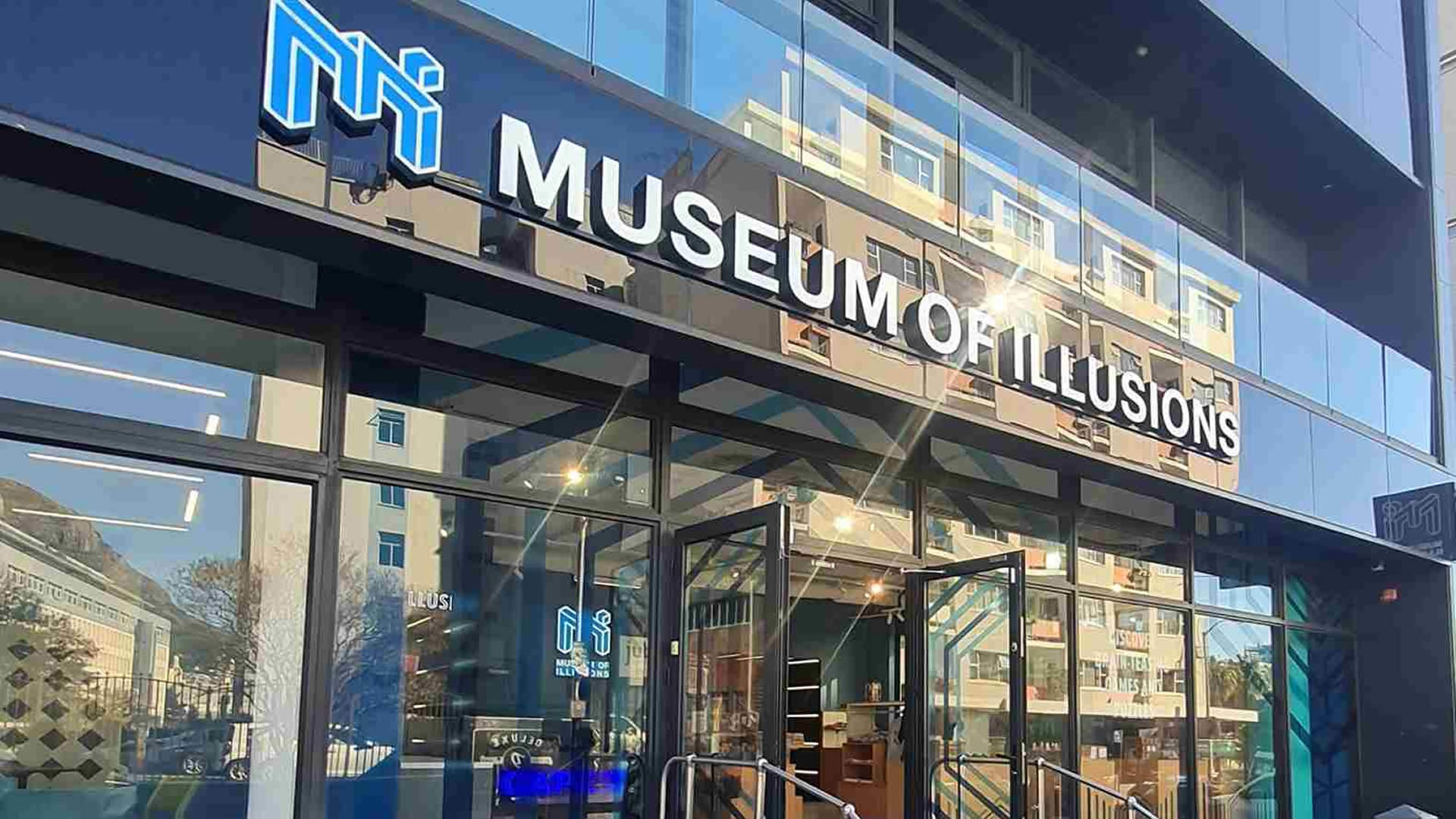
Museum Of Illusions Sydney And The Art Of Perception
Inside Museum Of Illusions Sydney, the brain becomes the central subject.
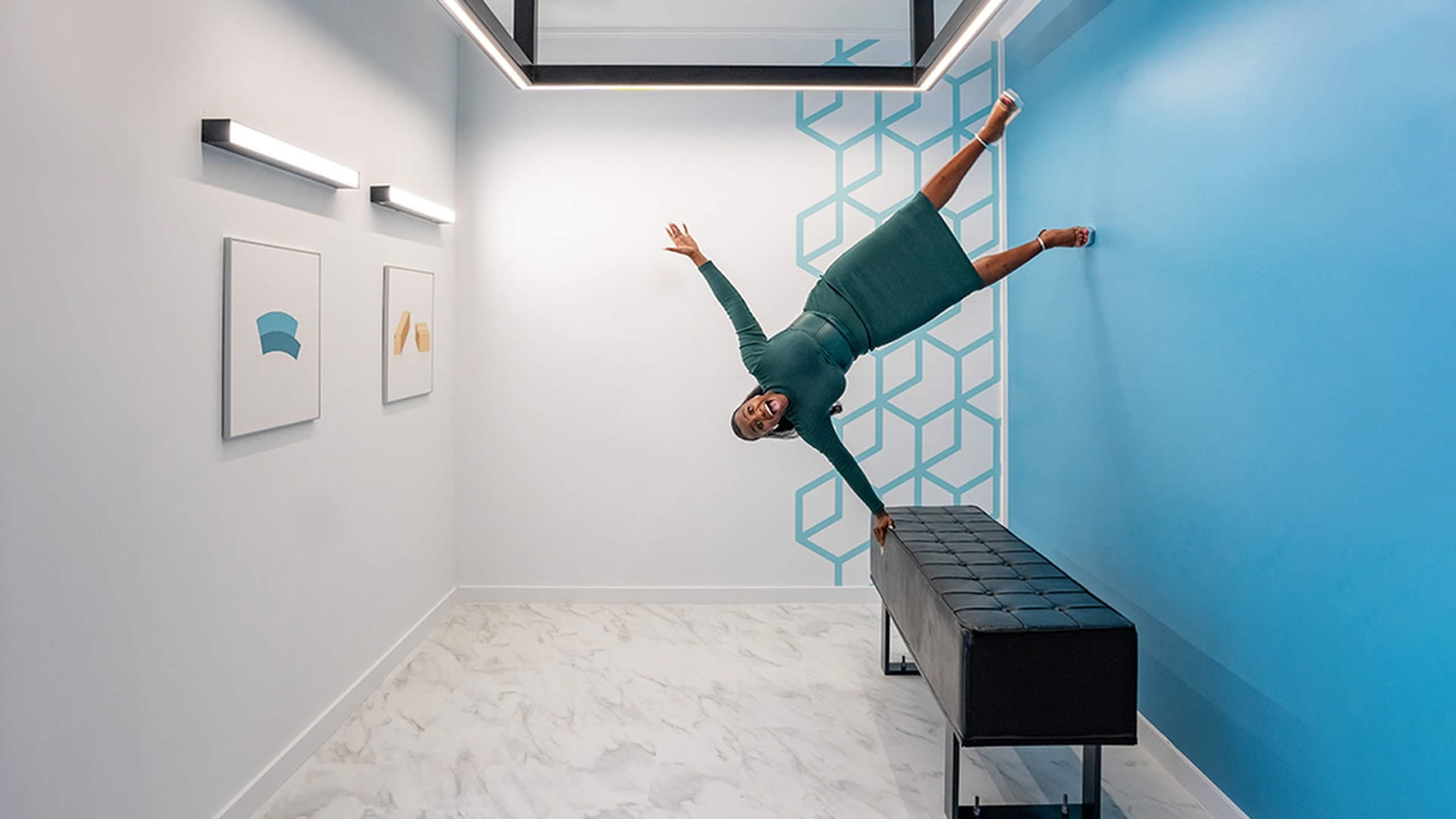
Visitors quickly discover that perception is less reliable than it seems. A corridor that appears level suddenly feels impossible to walk through. Mirrors stretch and compress familiar proportions. Rooms shift scale depending on where a person stands, turning adults miniature one moment and towering the next.
These illusions are rooted in mathematics, psychology and optical science, though the experience itself rarely feels academic. Instead, the museum allows people to encounter these concepts physically and emotionally before understanding them intellectually.
That sequence matters.
In many traditional gallery spaces, information arrives first through explanation. At Museum Of Illusions Sydney, sensation leads. Visitors stumble slightly inside the Vortex Tunnel before understanding why. The Tilted Room creates imbalance before logic catches up. Perspective tricks reveal how easily the human brain constructs certainty from incomplete information.
The result is an experience that feels playful without becoming superficial.
Museum Of Illusions Sydney Encourages Interaction
One of the defining features of Museum Of Illusions Sydney is its openness to participation.
There are no quiet corridors lined with “do not touch” signs. Instead, visitors are invited to move directly into the installations themselves. Families position children inside illusion rooms while friends experiment with camera angles designed to exaggerate scale and perspective.
The museum has clearly been built with photography in mind, though not purely for social media performance. Images become part of the illusion-making process itself. Certain installations only reveal their full effect through carefully positioned viewpoints, encouraging collaboration between visitors as they attempt to capture what they are seeing.
That collaborative atmosphere shapes much of the museum’s energy.
Children often adapt quickly to the experience, accepting distorted realities with instinctive ease. Adults tend to hesitate longer, trying to rationalise spaces that resist familiar logic. The contrast creates moments of genuine humour as parents lose balance in rotating tunnels while younger visitors move through confidently.
For many Sydney families, the museum will likely become less about a single exhibit and more about the shared reactions unfolding between rooms.
Museum Of Illusions Sydney And George Street’s Changing Identity
The arrival of Museum Of Illusions Sydney reflects the changing identity of George Street itself.
Once dominated largely by retail and office towers, the CBD corridor has gradually evolved into a mixed cultural precinct shaped by dining, entertainment and immersive attractions. The museum fits naturally into that transformation, positioned within walking distance of Town Hall, Darling Harbour and the city’s major transport connections.
Its location also makes it accessible within the broader rhythm of a Sydney day.
Visitors may arrive after shopping nearby, during school holidays or while exploring the city with interstate guests. Others may step inside simply seeking relief from summer heat or afternoon rain, only to remain far longer than expected.
A typical visit lasts between 45 and 60 minutes, though many guests revisit installations repeatedly, trying to understand illusions that continue to feel unresolved even after explanation.
That lingering quality distinguishes the museum from more passive attractions. The experience invites repetition because the brain resists fully accepting what it has already learned.
Museum Of Illusions Sydney And The Return Of Wonder
Perhaps the museum’s strongest achievement lies in how effectively it restores surprise.
Modern cities rarely leave much room for genuine disorientation. Most urban experiences are structured around familiarity, efficiency and predictability. Museum Of Illusions Sydney deliberately interrupts that pattern.
Inside its galleries, adults laugh reflexively when gravity appears unreliable. Children explain perspective tricks to confused parents. Strangers pause to help one another line up photographs or navigate distorted spaces.
These small interactions create an atmosphere that feels unusually communal for a CBD attraction.
Importantly, the museum does not rely heavily on digital immersion or virtual technology to achieve its effects. Many of its most memorable moments emerge through physical architecture, lighting and analogue illusion. That tactile quality gives the experience a sense of immediacy often missing from screen-based attractions.
By the time visitors step back onto George Street, the city itself may feel briefly altered. Escalators appear steeper. Reflections seem less trustworthy. The ordinary geometry of buildings becomes momentarily uncertain.
Sydney’s great public experiences have often been tied to landscape — harbour light, ocean cliffs, sandstone and water. Museum Of Illusions Sydney instead focuses inward, exploring the unstable mechanics of human perception itself.
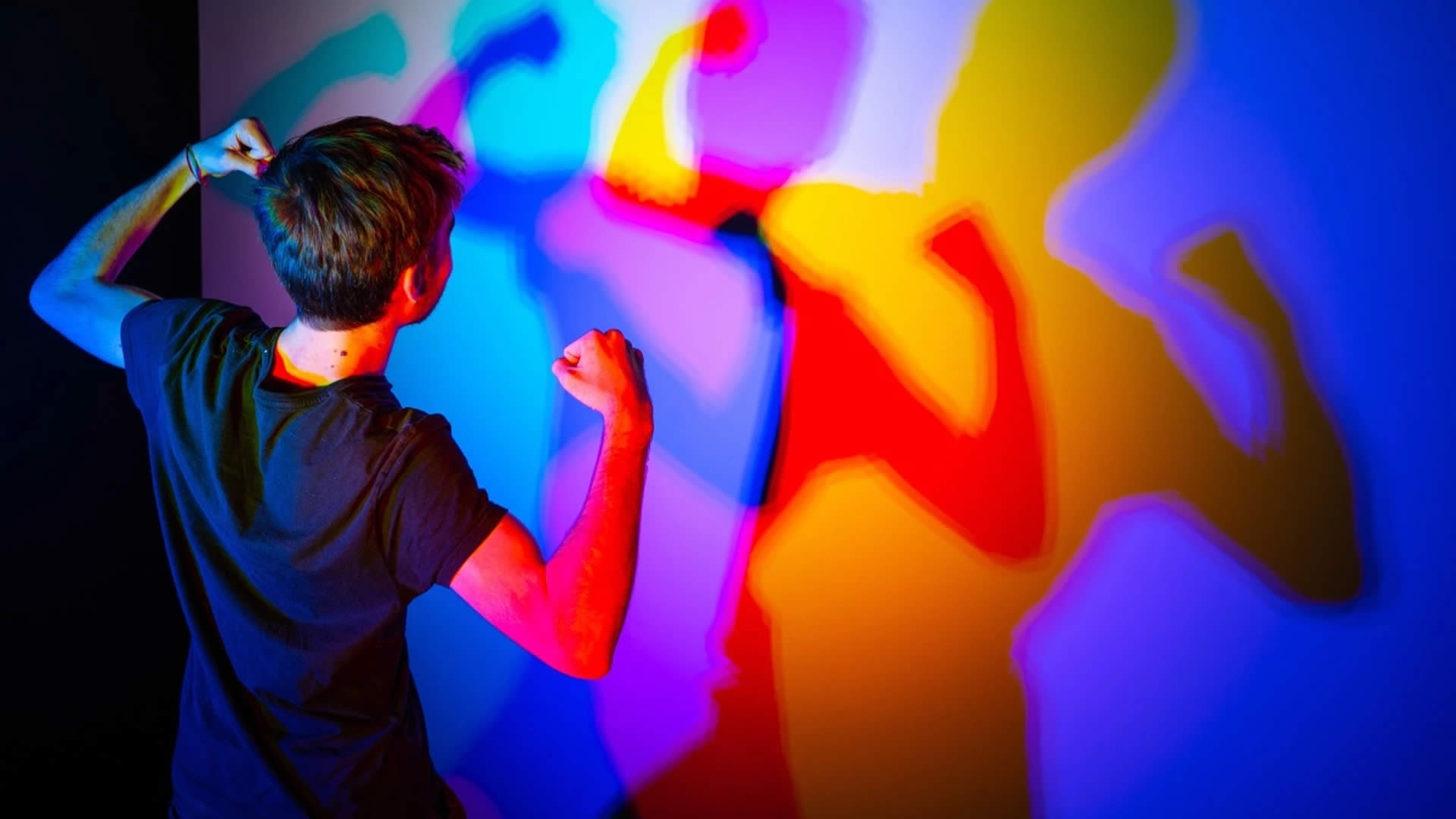
Why Museum Of Illusions Sydney Feels Different
Long after visitors leave, one question tends to linger quietly: if the mind can be fooled this easily inside a museum, how much of everyday reality is interpretation too?
That reflective quality may ultimately be what separates Museum Of Illusions Sydney from more conventional attractions. Beneath the humour and visual tricks sits something more thoughtful — a reminder that perception itself is deeply personal, shaped constantly by assumption, memory and expectation.
In a city known for harbour views and outdoor landmarks, Museum Of Illusions Sydney offers a different kind of exploration entirely. One that unfolds not across geography, but inside the mind.
For tickets and more information, visit moisydney.com.