
SF3 Festival returns to the Sydney Opera House with smartphone filmmaking, global storytellers and intimate films shaped entirely on mobile devices.
On a spring evening beside Sydney Harbour, the forecourt of the Sydney Opera House will fill with a different kind of filmmaker. There will be no production trucks idling by the kerb, no large camera rigs being wheeled through backstage corridors. Instead, people will arrive carrying phones in coat pockets, backpacks and handbags – the same devices used earlier that day to answer emails, navigate train lines or photograph lunch.
Inside the Opera House theatres, however, those phones will become something else entirely.
The SF3 Festival, now entering its twelfth year, will once again gather filmmakers from Sydney and around the world to celebrate cinema made almost entirely through handheld technology. What began as a small Sydney-founded experiment has gradually evolved into an international filmmaking movement, one shaped less by expensive equipment than by immediacy, resourcefulness and story.
For one evening in November, that movement will unfold beneath the sails of one of Australia’s most recognisable cultural landmarks.
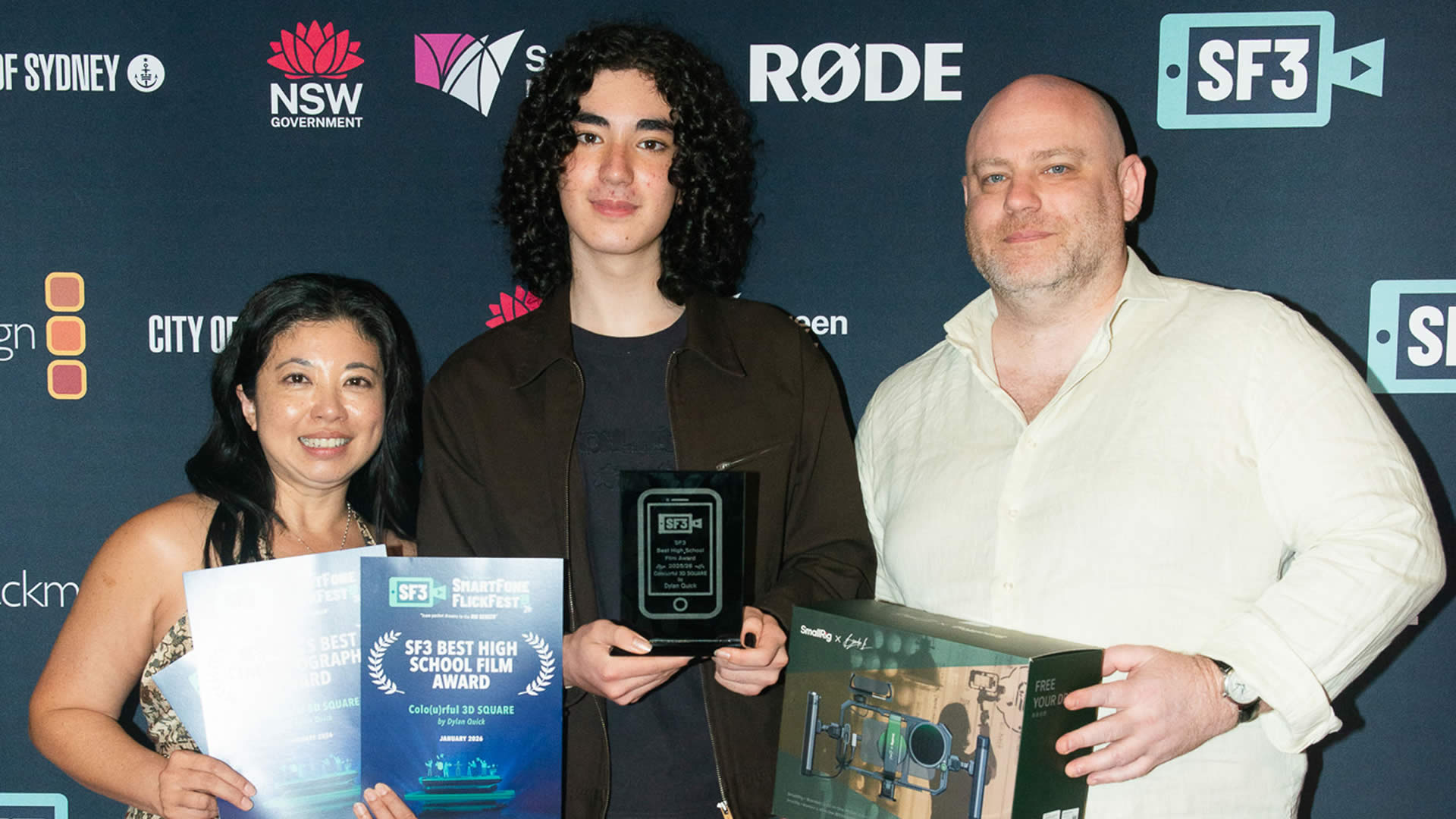
SF3 Festival And The Quiet Evolution Of Filmmaking
There was a time when filmmaking felt inaccessible to most people – expensive cameras, specialised crews and institutional backing forming invisible barriers around the industry. The rise of smartphone filmmaking quietly altered that structure.
The SF3 Festival emerged alongside this shift, recognising early that the camera people carried daily could also become a storytelling tool. Over more than a decade, the festival has expanded from a niche concept into a serious international platform attracting filmmakers of every age and level of experience.
Last year alone, more than 450 films arrived from across the world. Entries travelled digitally from South Africa, France and regional Australia before eventually screening together in Sydney. Some were documentaries. Others explored animation, drama, comedy or experimental storytelling. Many were made with minimal resources beyond imagination and persistence.
That openness remains central to the SF3 Festival’s identity. A teenager filming in suburban Melbourne competes beside experienced directors with international careers. Primary school students screen work in the same building that hosts established actors, judges and industry figures.
The result feels less like a traditional competition than a gathering point for emerging forms of cinema.
Inside The SF3 Festival Opera House Screenings
The Opera House screenings will unfold across several categories, including the SF3 Kids Finals, Gala Finals and Feature Film presentations. Throughout the day, audiences will move between screenings carrying takeaway coffees and festival programs, pausing beside harbour windows overlooking Circular Quay ferries and the shifting afternoon light across the water.
Inside the theatres, the atmosphere tends to remain unexpectedly intimate. Smartphone films possess a different visual texture from conventional cinema. They often feel immediate and personal, shaped by small crews, familiar environments and close physical proximity between filmmaker and subject.
The SF3 Festival embraces that rawness rather than disguising it.
Some films will emerge from densely populated cities. Others from quiet coastal towns or regional communities. Australian finalists in recent years have come from suburbs stretching from Bondi and Randwick to Wollongong, Coomera and Geelong. International entries have arrived from Europe, Africa and Asia, bringing radically different perspectives shaped through the same small device.
The variety creates an unusual rhythm within the screenings. One moment audiences may watch an intimate family story filmed in a suburban kitchen. The next may unfold inside a documentary shot thousands of kilometres away.
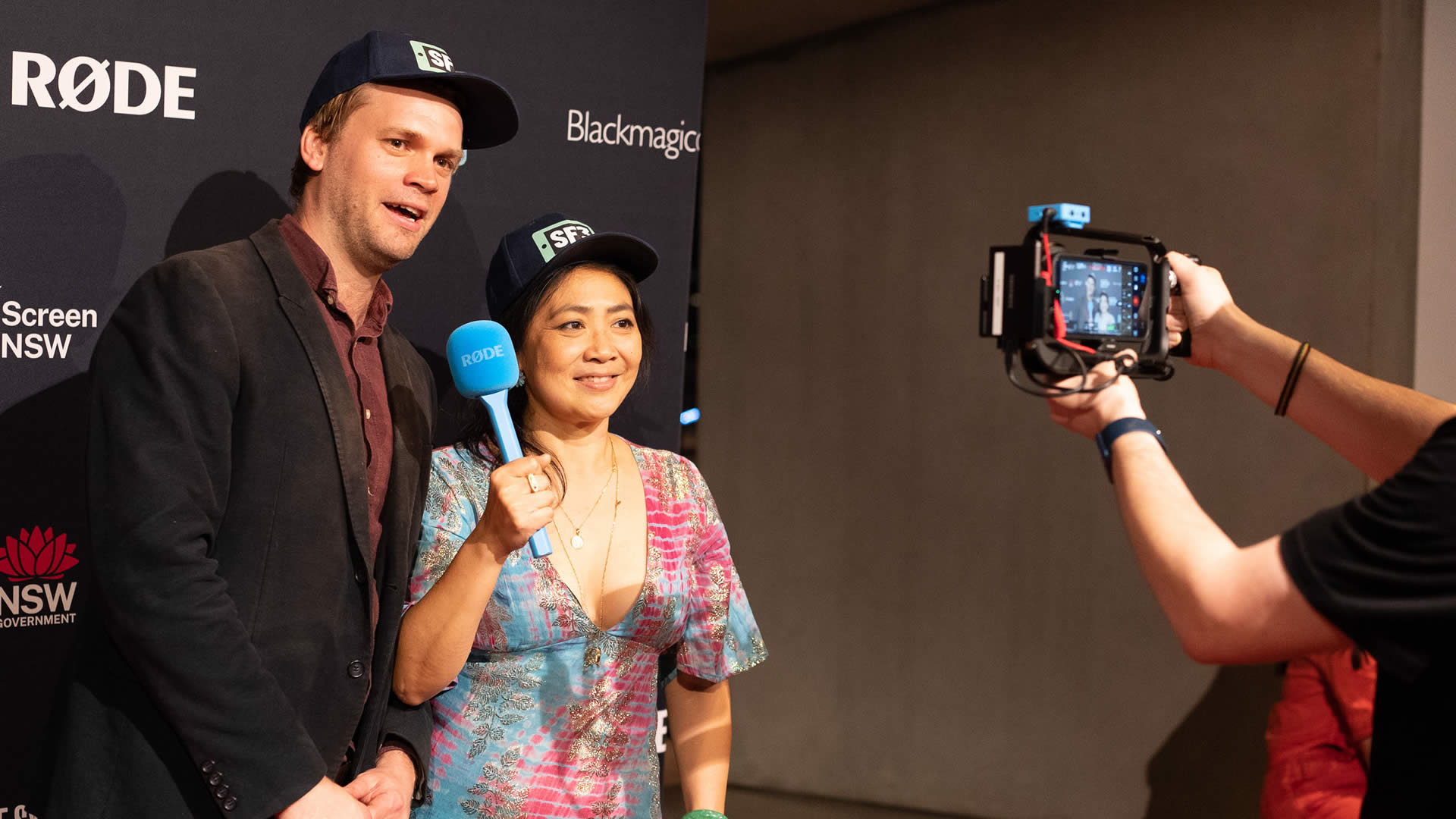
SF3 Festival And The Rise Of Mobile Creativity
Part of the SF3 Festival’s continuing relevance lies in how naturally it reflects contemporary life. Smartphones have become extensions of memory and observation. People already document ordinary moments constantly – train rides, conversations, changing weather, empty streets after rain.
The festival simply asks what happens when those same instincts are shaped deliberately into narrative.
This year’s SF3 Mini category, inspired by the word “GO,” will likely produce films responding to movement in countless ways: physical journeys, emotional departures, personal reinvention or the simple act of beginning. Elsewhere, the SF3 AI category will explore another evolving frontier, combining human-written stories with generative visual tools.
Yet despite changing technologies, the emotional core of the festival remains remarkably consistent. The strongest films often rely less on technical perfection than on clarity of perspective.
That accessibility explains why the SF3 Festival resonates strongly with younger filmmakers. Many entrants grow up filming naturally, editing on tablets and learning visual storytelling long before entering formal film education. For school-aged finalists, screening work at the Sydney Opera House often represents a first encounter with public audiences beyond classrooms or family homes.
The experience can reshape ambitions quickly.
SF3 Festival Creates Space For Emerging Voices
The festival’s significance extends beyond the screenings themselves. Over the years, SF3 has quietly created a community around independent filmmaking in Australia.
Workshops, networking events and mentorship opportunities have helped emerging filmmakers connect with producers, writers and industry professionals. Judges and ambassadors – including Australian filmmaker Phillip Noyce – continue supporting the festival because of its role in widening participation within the screen industry.
Importantly, the SF3 Festival does not treat mobile filmmaking as a novelty. Instead, it recognises it as a legitimate cinematic language with its own strengths: intimacy, portability and spontaneity.
There is something distinctly contemporary about stories captured quietly on public transport, inside family homes or during brief moments that larger productions might overlook entirely. Smartphone filmmaking allows cinema to move lightly through the world.
That quality feels especially relevant in Sydney itself – a city where stories unfold constantly across beaches, apartment balconies, ferries and late-night streets.

Event Details
Event: SF3 Festival
Location: Sydney Opera House
Date: 1 November 2026
Entries Close: 1 September 2026
Official Website: SF3 Festival Official Website