
The Gruffalo’s Child will return to Sydney at Darling Quarter Theatre with puppetry, music and storytelling for children and families in 2026.
On winter afternoons in Darling Harbour, families tend to move slowly between the water and the city. Children weave around public fountains while parents carry jackets folded over their arms against the evening chill still to come. As daylight softens across the harbour, the walk toward Darling Quarter Theatre feels almost storybook in itself – a passage away from office towers and traffic into somewhere smaller, stranger, and more imaginative.
Inside the theatre, a forest will emerge.
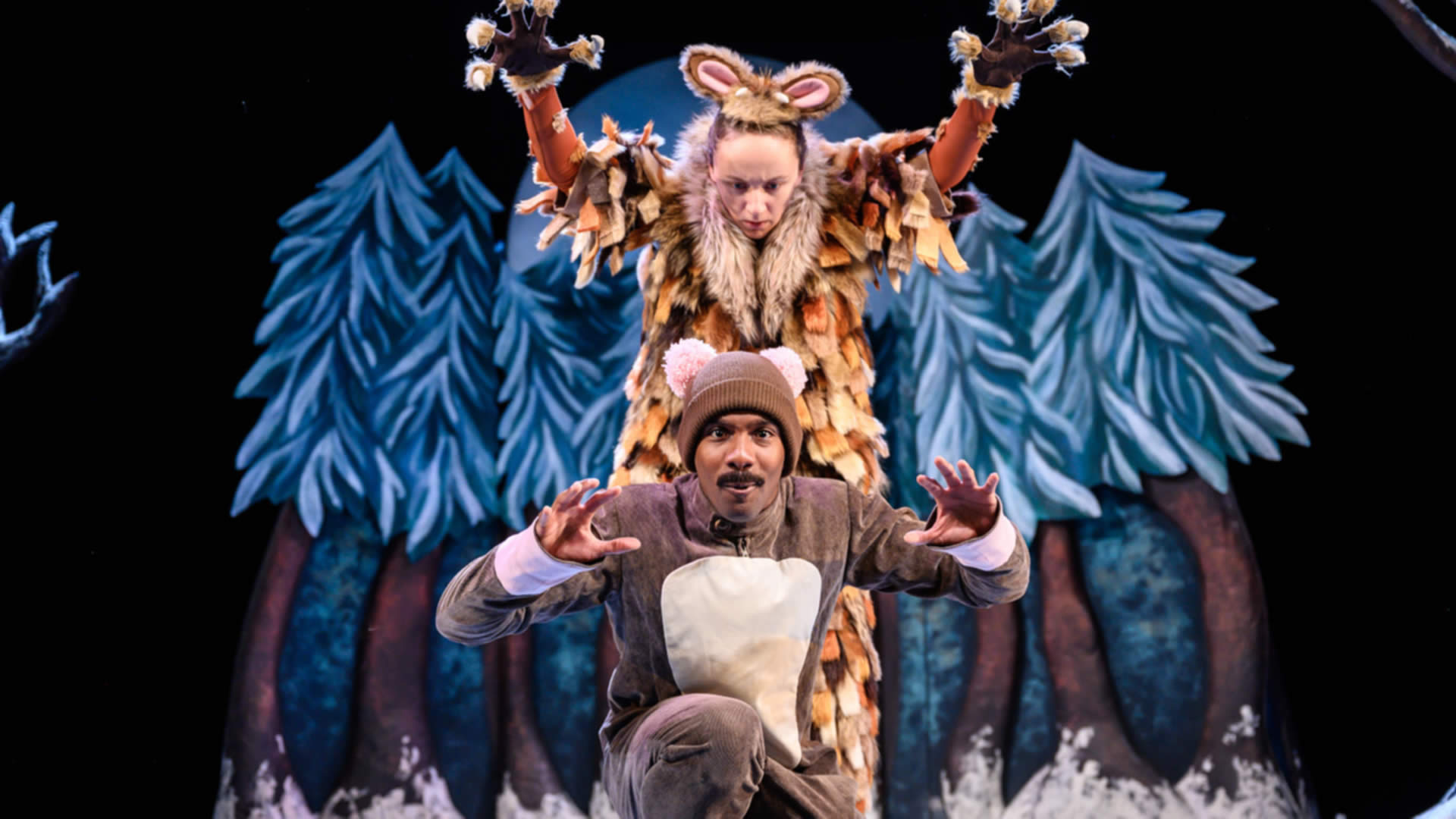
Branches will stretch into shadow. Snow will settle across the stage floor. Somewhere beyond the trees, there will be whispers of a creature known only as the Big Bad Mouse. And at the centre of it all, The Gruffalo’s Child will step carefully into the deep dark wood.
Returning to Sydney following previous sold-out Australian tours, The Gruffalo’s Child arrives at Darling Quarter Theatre in a new West End production from Tall Stories, the company behind stage adaptations of The Gruffalo, Room on the Broom, and The 13-, 26-, 52-, 78- & 91-Storey Treehouses. Adapted from Julia Donaldson and Axel Scheffler’s much-loved picture book, the production continues a theatrical tradition that treats children not as passive audiences, but as participants in adventure.
For many families, the story itself will already feel familiar. Yet the atmosphere of live theatre changes its rhythm entirely.
The Gruffalo’s Child and the Magic of Shared Storytelling
The original Gruffalo books have occupied a particular place in childhood reading for more than two decades. Their rhyming language, playful suspense, and woodland creatures feel rooted in oral storytelling traditions – stories designed to be read aloud beside bedsides and classroom mats.
The Gruffalo’s Child extends that world with a quieter emotional centre. The Gruffalo warns his daughter never to enter the deep dark wood, insisting the terrifying Big Bad Mouse waits somewhere beyond the trees. But curiosity eventually overcomes caution. One windy night, the Gruffalo’s Child slips away into the forest to discover the truth for herself.
On stage, that simple premise opens into something immersive and unexpectedly atmospheric. The production combines physical theatre, puppetry, music, and movement in ways that mirror the elasticity of childhood imagination. Shadows become creatures. Sounds carry weight. Familiar rhymes gather momentum through repetition and audience participation.
Importantly, the storytelling never speaks down to children. Instead, it trusts in their instinct for wonder and mild danger – that pleasurable edge between fear and excitement that belongs so fully to fairy tales and winter stories.
Inside The Gruffalo’s Child at Darling Quarter Theatre
Darling Quarter Theatre has long occupied a distinctive place within Sydney’s family theatre landscape. Tucked between the city skyline and the open spaces of Darling Harbour, the venue feels intimate enough for younger audiences while remaining large enough to hold a sense of theatrical transformation.
When The Gruffalo’s Child arrives, the theatre itself will likely become part of the experience. Families will gather in the foyer carrying snacks, raincoats, and prams. Younger children may clutch copies of the original books while older siblings recite familiar lines before the lights even dim.
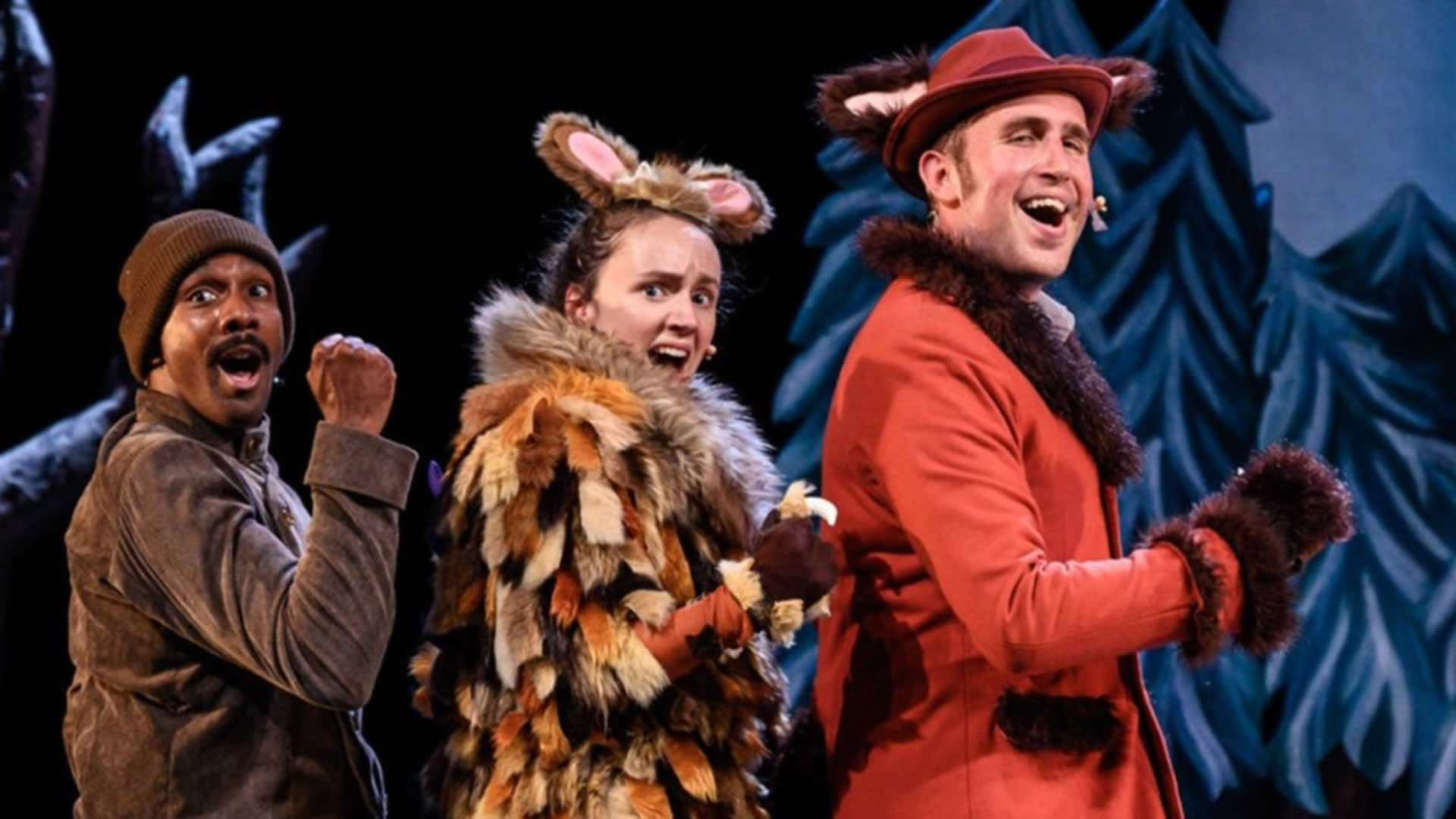
Once the performance begins, the production’s visual language takes over. Tall Stories has developed a reputation for blending handcrafted theatricality with playful invention rather than digital spectacle. Puppetry remains visible rather than concealed. Actors shift between narration and character fluidly. Songs emerge naturally from movement and dialogue.
This openness creates an unusual intimacy between audience and performer. Children do not simply watch The Gruffalo’s Child; they respond to it vocally and physically. Gasps ripple across the theatre. Warnings are shouted toward the stage. Laughter arrives suddenly and collectively.
For adults accompanying them, the experience often becomes less about nostalgia than observation – witnessing how instinctively children enter imagined worlds when given permission to do so.
The Gruffalo’s Child and the Enduring Appeal of Children’s Theatre
Live theatre for young audiences occupies a unique cultural space. Unlike cinema or streaming entertainment, it depends entirely on presence. Every laugh, hesitation, and moment of suspense unfolds collectively in real time.
That immediacy is part of what continues drawing audiences toward productions like The Gruffalo’s Child. The story itself may be familiar, but live performance reshapes familiarity into something communal and fleeting.
There is also something quietly enduring about the production’s themes. Beneath the humour and adventure, The Gruffalo’s Child explores curiosity, independence, and the process of moving beyond inherited fears. The deep dark wood becomes less a place of danger than one of discovery.
Children understand this instinctively. Adults often recognise it later.
The production’s modest running time – fifty-five minutes without interval – also suits the rhythms of younger audiences. The pacing remains gentle yet focused, allowing children to stay immersed without exhaustion. Moments of audience interaction prevent the performance from becoming overly formal, while the musical elements sustain momentum through scene transitions.
By the time the story nears its conclusion, the atmosphere inside the theatre tends to shift from suspense toward warmth. The creatures of the forest no longer feel threatening. Even the darkness softens.
Event Details
Production: The Gruffalo’s Child
Venue: Darling Quarter Theatre
Presented By: CDP and Darling Quarter Theatre with Tall Stories
Running Time: 55 minutes (no interval)
Recommended Age: 3+
Official Link: Darling Quarter Theatre