
To Kill a Mockingbird will arrive at Genesian Theatre in Rozelle from 29 May to 4 July 2026, bringing Harper Lee’s enduring story of justice and compassion to Sydney audiences.
As dusk settles over Sydney’s Inner West, the streets of Rozelle will begin their familiar transition from busy thoroughfare to neighbourhood gathering place. Along Gordon Street, audiences will make their way towards the Genesian Theatre, a venue long woven into the cultural fabric of the area. Inside, another community will emerge – one built not from geography, but from storytelling. From late May through early July 2026, To Kill a Mockingbird will take to the stage, inviting audiences into one of literature’s most enduring explorations of justice, conscience and compassion.
Adapted by Christopher Sergel from Harper Lee’s Pulitzer Prize-winning novel, To Kill a Mockingbird will transport audiences to Depression-era Alabama. Yet despite its historical setting, the questions it raises continue to resonate far beyond the American South, finding echoes in contemporary conversations about fairness, prejudice and the responsibilities of citizenship.
To Kill a Mockingbird and the World of Maycomb
The story unfolds through the eyes of Scout Finch, a young girl growing up in the fictional town of Maycomb. What begins as a portrait of childhood curiosity gradually reveals deeper tensions beneath the town’s seemingly quiet surface.
As Scout observes the adults around her, innocence collides with difficult realities. The centre of the story is the trial of Tom Robinson, a young Black man accused of a crime he insists he did not commit. Scout’s father, Atticus Finch, accepts the task of defending him, placing himself at odds with many members of the community.
The narrative of To Kill a Mockingbird is remembered not only for its courtroom scenes but also for its intimate observations of everyday life. Neighbours watch from verandas. Children invent games beneath the summer sun. Rumours drift along dusty streets. Against this backdrop, larger questions of morality and courage slowly emerge.
For theatre audiences, these details offer more than historical context. They create a living world in which personal choices carry lasting consequences.
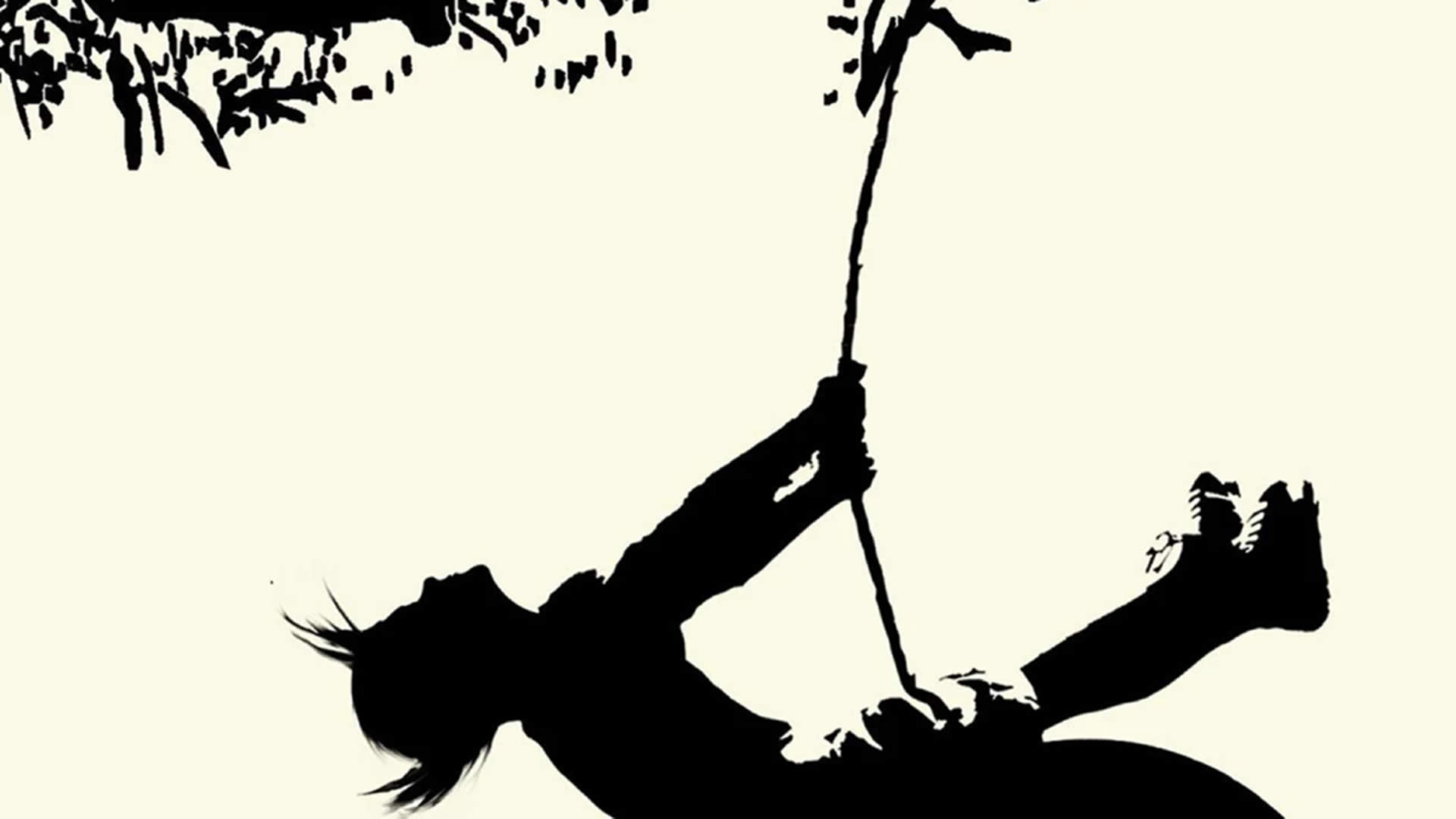
Bringing To Kill a Mockingbird to the Stage
Theatre has a unique ability to make familiar stories feel immediate. While readers may know the events of To Kill a Mockingbird, a live performance places audiences within the emotional landscape of the story.
Under the direction of Theo Hatzistergos, the Genesian Theatre production will bring together a large ensemble cast and creative team to recreate Maycomb’s layered community. Barry Nielsen will take on the role of Atticus Finch, while Brigid Jefferies will portray Scout, the young narrator whose observations guide audiences through the story’s unfolding events.
The production will also feature Reuben Hann as Jem Finch, Norah Masige as Calpurnia, Maximillien Choma as Dill, and Ibrahim Conteh as Tom Robinson, alongside an experienced supporting cast portraying the townspeople whose actions shape the narrative.
Rather than relying solely on spectacle, To Kill a Mockingbird has long drawn its power from character and conversation. The stage adaptation preserves the intimacy of Harper Lee’s storytelling while allowing audiences to experience the tensions and emotions of the courtroom and community firsthand.
A Story That Continues to Speak Across Generations
More than six decades after its publication, To Kill a Mockingbird remains a touchstone for discussions about empathy and justice. Its continued popularity lies not in offering easy answers, but in its willingness to examine difficult truths through the perspective of a child learning how the world works.
Atticus Finch’s quiet determination has become one of literature’s most recognisable examples of moral courage. Yet the story’s lasting appeal also rests with Scout herself. Through her eyes, audiences encounter a world filled with contradictions – kindness and cruelty, innocence and prejudice, fear and understanding.
This enduring relevance explains why To Kill a Mockingbird continues to find new audiences on stage. While the setting remains firmly rooted in 1930s Alabama, the emotional questions at its heart remain remarkably contemporary.
For younger audience members, it offers a chance to encounter a literary classic in a vivid, communal setting. For those already familiar with the novel, the production provides an opportunity to revisit a story that continues to reveal new layers with time and reflection.
To Kill a Mockingbird at Genesian Theatre
Located in the heart of Rozelle, Genesian Theatre has earned a reputation for presenting ambitious productions within an intimate performance space. Its setting allows audiences to experience theatre at close range, where subtle performances and small details become part of the storytelling.
When To Kill a Mockingbird arrives on stage, the theatre will become a meeting place between Sydney and Maycomb – between local audiences and a story that has travelled across generations, continents and mediums.
As the final scenes unfold and the lights begin to fade, audiences will leave Gordon Street carrying more than memories of a performance. They will leave with the lingering questions that have followed Harper Lee’s story for decades: how communities define justice, how individuals respond to prejudice, and how empathy can shape the way people see one another.
Long after the curtain falls, those questions are likely to remain, accompanying theatre-goers into the winter evening beyond the doors of the Genesian Theatre.
Event Details
Event: To Kill a Mockingbird
Venue: Genesian Theatre, 2B Gordon Street, Rozelle, Sydney
Preview Performance: Friday 29 May 2026
Opening Night: Saturday 30 May 2026, 7:30pm
Season Dates: 29 May – 4 July 2026
Friday & Saturday Performances: 7:30pm
Sunday Performances: 4:30pm
Age Recommendation: 12+
Official Website: https://genesiantheatre.com.au/events/to-kill-a-mockingbird/
Content Warning: This production contains racially explicit language, themes and content, references to sexual abuse, violence and animal harm, brief gunfire audio, and strobe lighting during the final 10 minutes of the performance.