
Backrooms arrives in Sydney cinemas this May, turning a viral internet myth into an unsettling film about memory, isolation and endless spaces.
There are certain places in Sydney that already feel slightly unreal after dark – empty office corridors in Haymarket, fluorescent-lit car parks beneath shopping centres, hotel hallways that seem to stretch further than expected. Spaces designed only for passing through. Places without memory or identity.
When Backrooms arrives in Australian cinemas on 29 May 2026, those familiar urban details may begin to feel stranger still.
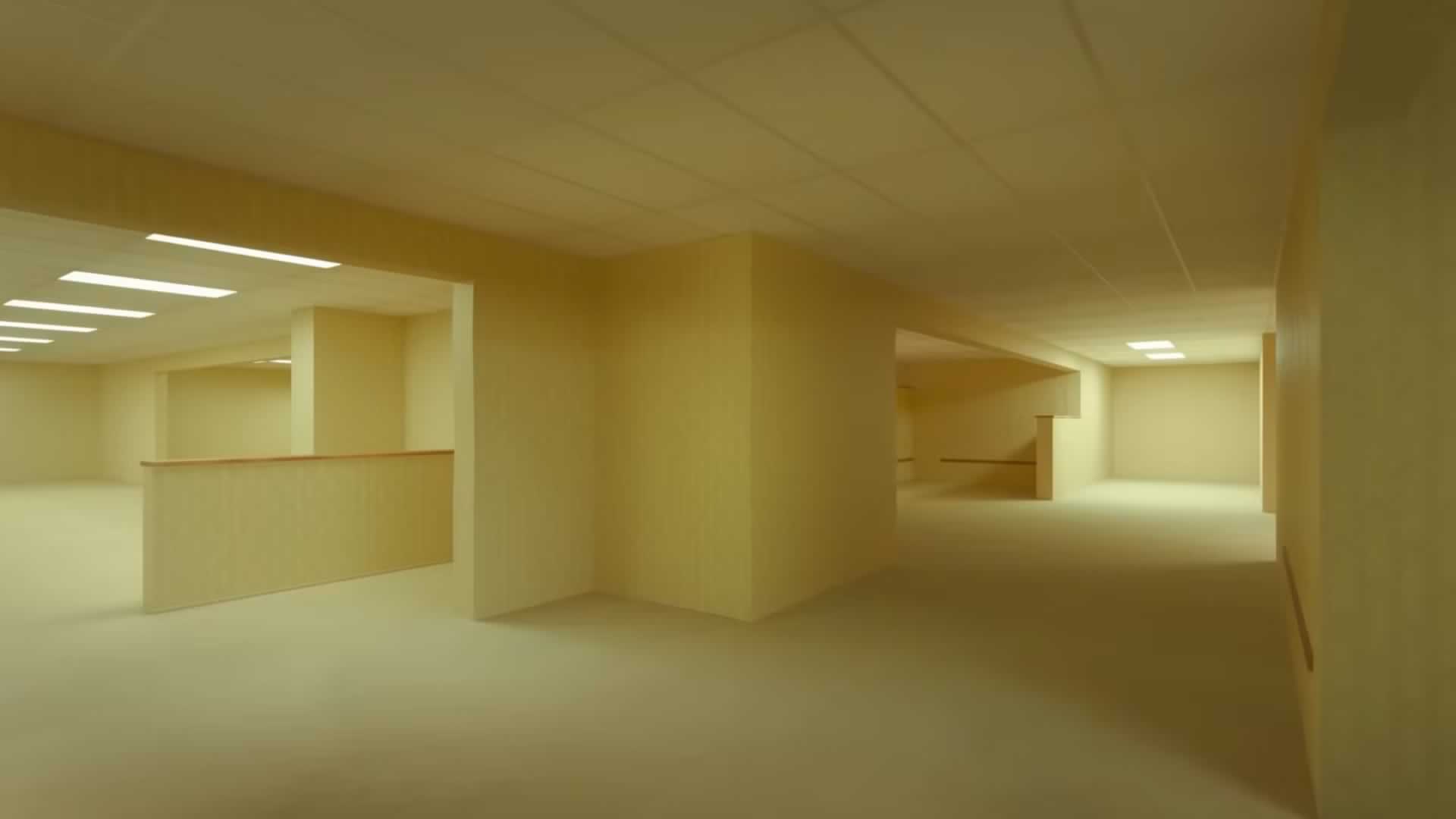
The film, directed by 20-year-old filmmaker Kane Parsons and starring Chiwetel Ejiofor and Renate Reinsve, emerges from one of the internet’s most persistent modern myths: a single photograph of an empty yellow room that somehow unsettled millions of people online. What followed became known simply as Backrooms – an imagined labyrinth of endless office-like spaces where reality begins to unravel.
Now, after years of online folklore, YouTube horror shorts, and collaborative fan fiction, Backrooms will enter cinemas as one of the year’s most unusual releases. Yet beneath the film’s horror framework lies something more reflective: a story about repetition, memory, architecture, and the unsettling sameness of modern life.
How Backrooms Escaped The Internet
Long before Backrooms became a feature film, it existed as an image shared anonymously online in 2019. The photograph showed an empty commercial interior somewhere in Wisconsin: yellow wallpaper, fluorescent lights, low ceilings, stained carpet. Nothing overtly frightening appeared within it. The discomfort came from recognition.
Online communities began building stories around the image almost immediately. The “backrooms” became imagined as an infinite network of abandoned rooms and corridors hidden behind reality itself – spaces people might accidentally enter and never leave.
For younger internet users especially, the concept resonated deeply. It transformed ordinary architectural spaces into psychological terrain. Empty offices, waiting rooms, and neglected shopping centres became charged with anxiety.
Kane Parsons first encountered the image while still in school in California. During the pandemic, while much of the world retreated indoors, he taught himself animation software and began creating short Backrooms films for YouTube. Grainy, low-resolution, and deeply atmospheric, the videos followed anonymous figures wandering through impossible fluorescent corridors while unseen dangers lingered nearby.
Within weeks, millions were watching.
The remarkable part was not simply the audience size, but the fact that Parsons had created the worlds himself using a laptop and free software. By the time Hollywood studios noticed, he had already developed an entire mythology around the Backrooms universe.
Backrooms And The Fear Of Familiar Spaces
Part of what makes Backrooms unsettling is how ordinary it appears. Unlike traditional horror settings – haunted mansions, forests, abandoned asylums – these spaces resemble places most people encounter every day.
In Sydney, that familiarity feels especially recognisable. Office towers empty after 6pm. Underground loading docks hum beneath apartment complexes. Corridors inside business hotels repeat floor after floor without distinction.
Backrooms transforms those anonymous interiors into something existential. The film follows characters drawn into a seemingly endless maze of rooms generated by memory, fear, and distorted perception. Ejiofor plays Clark, a failed architect who believes he has discovered a portal into this alternate dimension. Reinsve plays his therapist, Mary, whose attempts to understand him gradually pull her into the same unstable world.
The further characters travel, the less coherent the environment becomes. Rooms repeat imperfectly. Architecture loses logic. Meaning begins dissolving beneath fluorescent light.
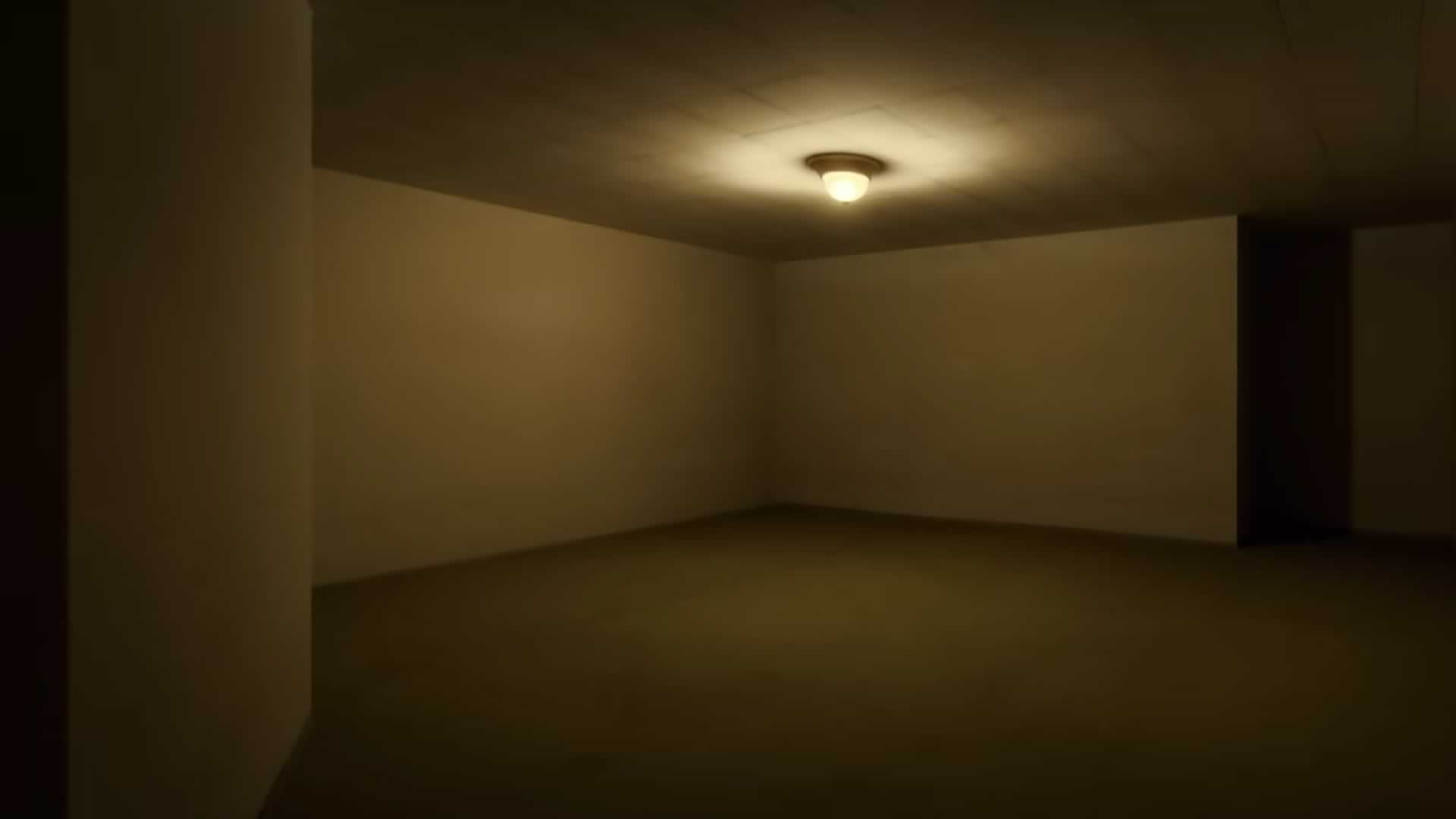
Yet Backrooms is less interested in jump scares than atmosphere. Parsons appears fascinated by how modern spaces shape emotional states – how repetition, artificial lighting, and endless sameness can quietly erode a person’s sense of reality.
Backrooms Reflects A Digital Generation
The release of Backrooms also marks an unusual cultural moment for cinema itself. Parsons belongs to a generation raised not through traditional film schools, but through YouTube tutorials, gaming culture, online storytelling forums, and DIY digital creation.
Unlike many contemporary directors, his visual language emerged from internet spaces first. The original Backrooms shorts spread online with the speed and ambiguity of urban legends, blurring the line between amateur experimentation and professional filmmaking.
That transition from laptop-made internet horror to a major theatrical release says something larger about how stories now move through culture. Backrooms did not begin inside Hollywood. It began collectively – shaped through forums, fan fiction, memes, animation, and collaborative online imagination.
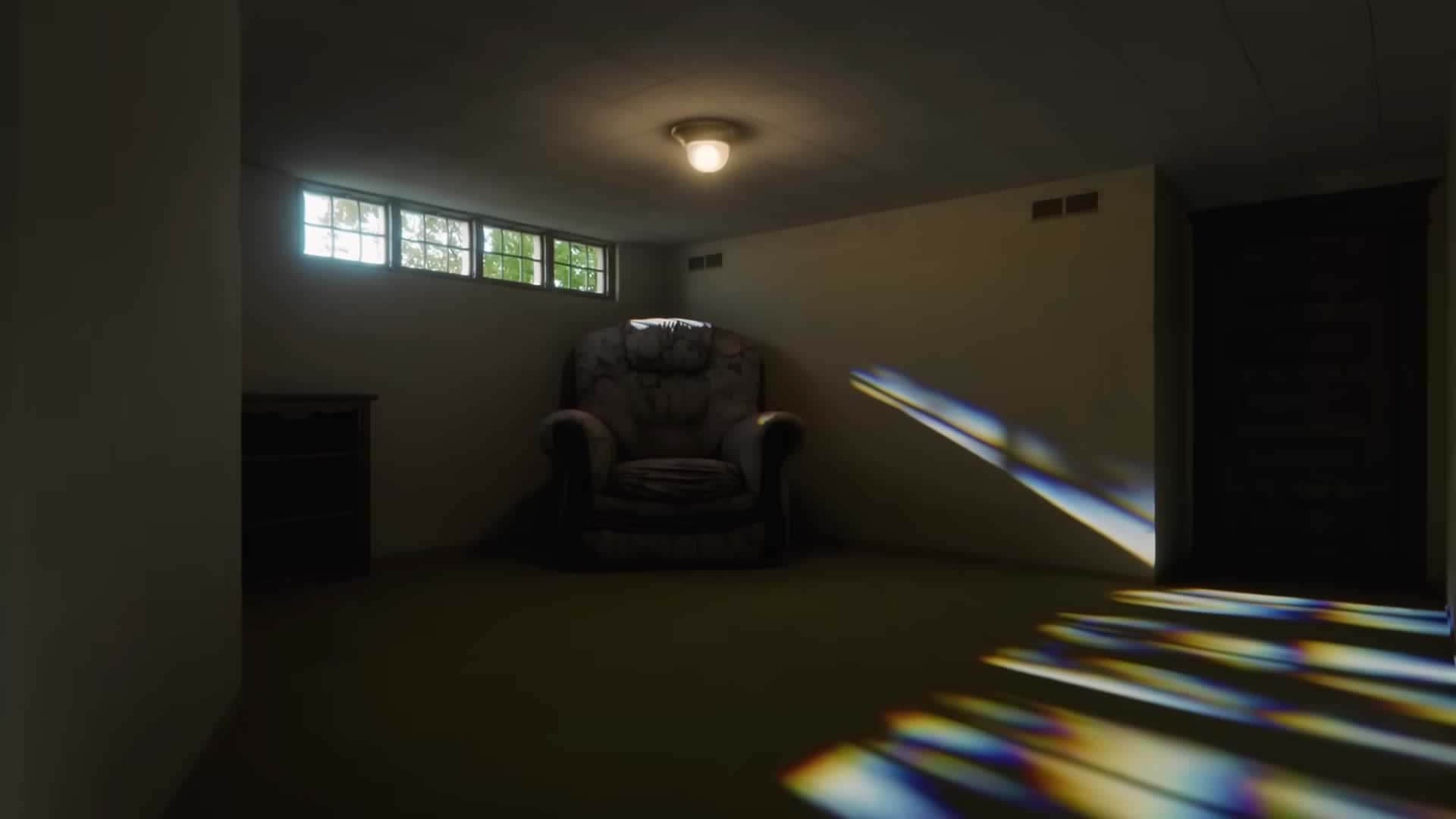
Even the film’s aesthetic reflects this shift. Parsons reportedly favours lingering tension over polished spectacle. Spaces feel unfinished, unstable, and strangely procedural, like digital environments struggling to imitate reality.
The result may feel particularly resonant for audiences who came of age during long stretches of isolation, remote communication, and increasingly virtual forms of life.
Watching Backrooms In Sydney Cinemas
By the time Backrooms opens in Sydney cinemas this winter, audiences will likely arrive already carrying fragments of its mythology. Some will know the original image. Others may remember the YouTube videos that circulated during lockdown years. Many may simply recognise the feeling the film evokes without understanding why.
That may be the point.
Backrooms speaks to a quiet unease embedded within contemporary environments – the sense that cities, offices, airports, and digital spaces increasingly blur into one another. The fear is not only getting lost physically, but emotionally: becoming trapped inside repetition without meaning.
In a dark cinema, surrounded by strangers, those fluorescent yellow hallways may feel unexpectedly close to home.
And after the credits end, Sydney itself may appear subtly altered. Corridors may seem longer. Empty office floors may feel heavier with silence. Familiar spaces may carry a faint sense of unreality.
Backrooms does not appear interested in monsters alone. Its deeper fascination lies with what happens when ordinary spaces lose their purpose, and when memory itself begins repeating like architecture.
Event Details
Backrooms
In Australian cinemas from Thursday 29 May 2026
Starring:
Chiwetel Ejiofor, Renate Reinsve, Mark Duplass, Lukita Maxwell and Finn Bennett
Director:
Kane Parsons
Distributor:
A24 Official Website
Australian Cinema Information:
Event Cinemas Australia