
Pay No Attention will arrive at Sydney Opera House in July 2026, blending youth circus, aerial performance and theatrical illusion.
School holidays in Sydney often arrive with a particular energy.
The city softens its weekday routine. Families move more slowly through Circular Quay. Children gather at the edge of the harbour watching ferries arrive and depart with the same concentration usually reserved for stage magic. In winter, the air feels clearer, the light thinner. It becomes easier to notice details.
Inside the Sydney Opera House Studio, another kind of attention will be invited – and gently disrupted.
Pay No Attention, presented by Sydney Opera House and performed by the Flying Fruit Fly Circus, will return during the July school holidays with a new production that sits somewhere between circus, theatre and playful misdirection. Across sixty minutes, young performers will move through aerial work, acrobatics and shifting identities in a performance built around uncertainty, reinvention and the strange pleasure of not quite knowing what is real.
For audiences, the experience will not simply be about what appears in front of them.
It will ask how people choose what to notice.
Entering the World of Pay No Attention
Approaching the Opera House in winter already feels slightly theatrical.
The harbour opens unexpectedly between city streets, and the familiar white sails catch changing light throughout the day. Families arriving for morning and afternoon performances will pass tourists taking photographs, school groups gathering on the forecourt and children carrying the anticipation that seems to accompany any live performance.
Inside the Studio, the scale becomes more intimate.
Pay No Attention will unfold in close proximity to its audience. There is little distance between performer and observer, creating an atmosphere where every movement feels immediate.
The work draws on contradiction as both structure and theme.
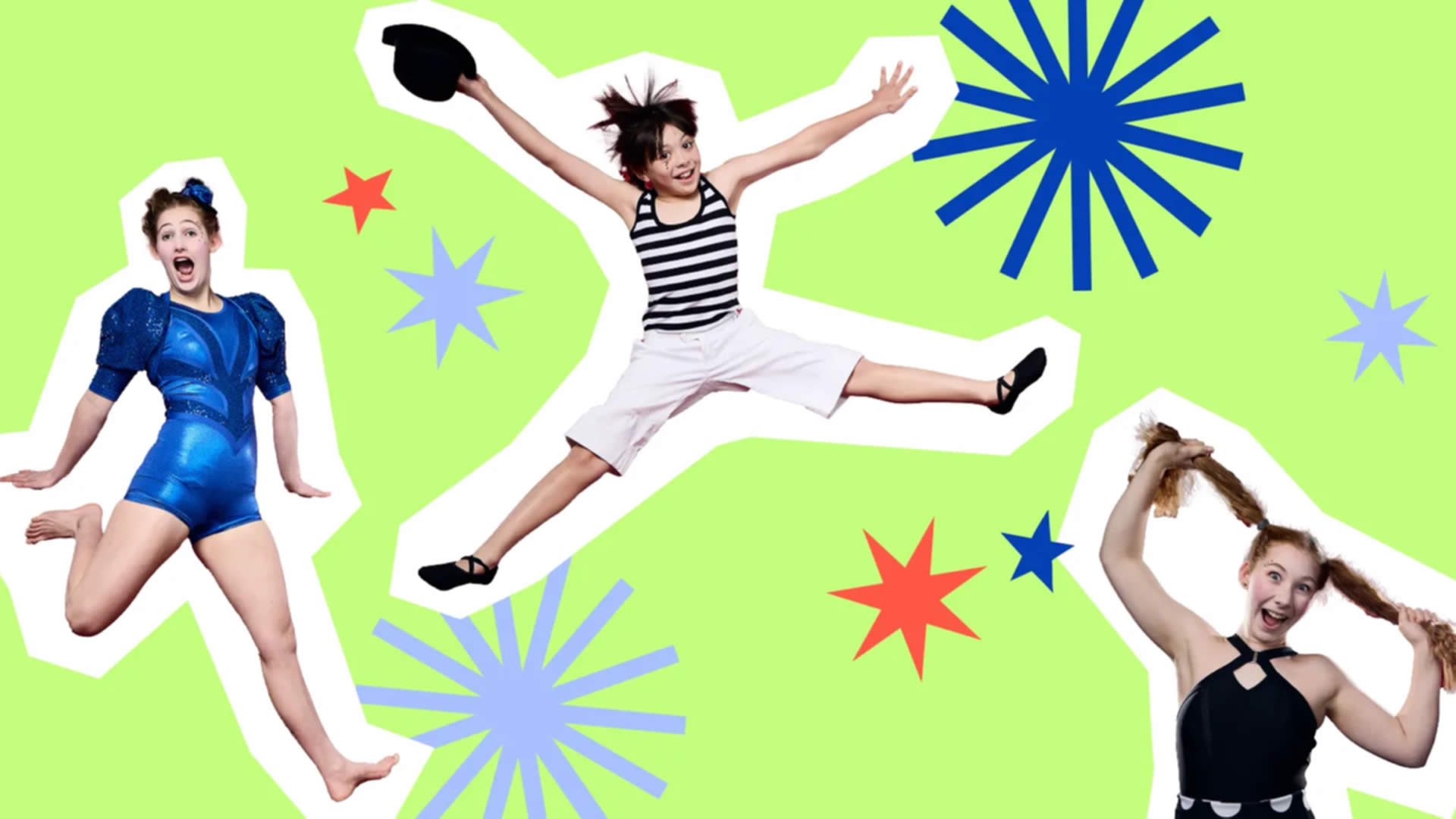
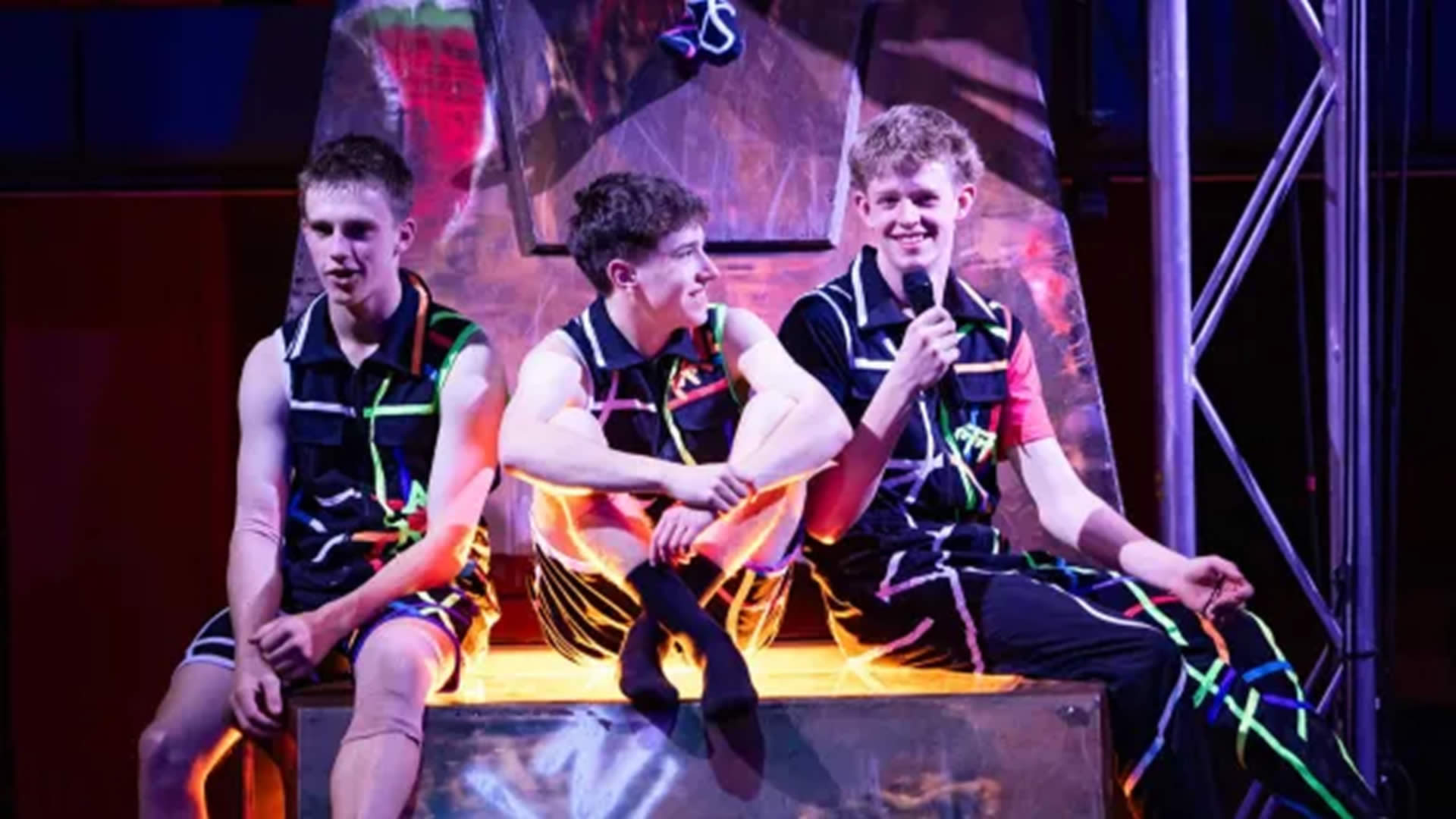
The young artists of the Flying Fruit Fly Circus will move through disguise, reinvention and theatrical illusion, building a world where identities shift and certainty remains deliberately out of reach. Acrobatics appear and disappear into comedy. Characters emerge, transform and dissolve.
Nothing remains fixed for long.
Yet beneath the spectacle, the performance reflects something recognisable about contemporary childhood – the experience of growing up among competing stories, changing expectations and endless versions of reality.
Pay No Attention and the Art of Looking Closely
Circus has always played with perception.
It invites audiences to admire physical skill while simultaneously distracting them from how it happens. But Pay No Attention appears interested in something quieter than deception.
Instead, it asks what becomes visible when attention moves.
The performers themselves remain central to that question.
Drawn from Australia’s national youth circus company, the ensemble brings together young acrobats whose disciplines range across aerial hoop, trapeze, juggling, tumbling, hand balancing and group acrobatics. Their technical ability will undoubtedly shape the performance, but the emphasis remains on presence rather than display.
Each act becomes less about achievement and more about transformation.
A movement that begins as comedy may become unexpectedly moving. A sequence of precision might collapse into improvisation. One identity gives way to another.
For younger audiences especially, there is something familiar in that rhythm.
Childhood often involves trying on versions of self – performer, observer, leader, dreamer – and discarding them just as quickly.
Pay No Attention seems willing to treat that uncertainty not as confusion, but as possibility.
Behind the Curtain
For selected performances, audiences will also be able to step briefly behind the scenes.
The optional Inside the Circus VIP experience will open a different window onto the production, offering access to rehearsal routines, warm-ups and conversations with Artistic Director Anni Davey.
These moments often reveal something unexpected.
Behind the polished timing and carefully structured illusion is repetition, trust and preparation. Performers rehearse transitions as carefully as tricks. Warm-ups become rituals. Technique becomes habit.
For children interested in performance, these sessions may offer a reminder that extraordinary things are usually built from ordinary routines.
The effect is less about demystifying circus and more about expanding it.
Wonder remains – only now it includes process.
Leaving Pay No Attention Behind
When audiences leave the Studio and return to the harbour, Sydney will continue around them.
Ferries will still cross Circular Quay. The water will reflect winter light. Visitors will drift toward cafés and waterfront walks.
But performances like Pay No Attention tend to linger.
Not necessarily because of a single trick or image, but because they briefly rearrange attention itself.
For an hour, certainty becomes less important than curiosity.
Children may leave replaying impossible moments. Adults may leave noticing how easily perception shifts.
And perhaps that is the quiet achievement of circus at its best.
Not escape from reality, but a different way of looking at it.
Event Details
Event: Pay No Attention
Presented By: Sydney Opera House and Flying Fruit Fly Circus
Dates: 4–11 July 2026
Venue: Studio, Sydney Opera House, Bennelong Point, Sydney NSW
Run Time: Approximately 60 minutes (subject to change)
Suitable For: Ages 4+
Performance Times:
Saturday 4 July – 12:00pm, 3:30pm*
Sunday 5 July – 11:00am
Monday 6 July – 11:00am, 2:30pm*
Wednesday 8 July – 11:00am, 2:30pm
Thursday 9 July – 11:00am
Friday 10 July – 11:00am, 2:30pm*
Saturday 11 July – 12:00pm, 3:30pm
*Inside the Circus VIP experience available.
Ticket Prices:
Premium from $49.90
A Reserve from $46.90
B Reserve from $29.90
Restricted View from $15
Official Link:
https://www.sydneyoperahouse.com/kids-families/pay-no-attention