
The Last Witch arrives at Pavilion Theatre from May 22 to June 13, 2026, exploring fear, superstition and survival through a haunting historical drama.
Autumn settles differently in Sydney’s north-west. By late May, the evenings around Castle Hill arrive earlier, carrying a faint chill through suburban streets and across the open spaces surrounding the Hills district. Cars pull quietly into the Pavilion Theatre precinct as audiences gather beneath soft lights, escaping the cold for a few hours indoors. Inside the theatre, the atmosphere will shift further still – away from contemporary Sydney and into the harsh uncertainty of 18th century Scotland, where suspicion travelled quickly and mercy rarely arrived in time.
From 22 May to 13 June 2026, The Last Witch will take the stage at Pavilion Theatre, bringing Rona Munro’s historical drama to local audiences under the direction of Jennifer Willison. Based on the true story of Janet Horne, believed to be the last person executed for witchcraft in Britain, the production examines the fragile boundary between folklore, fear and survival in isolated communities shaped by hardship.
Rather than presenting history as distant or decorative, The Last Witch draws its tension from ordinary lives lived under pressure. Villagers watch one another carefully. Ministers and sheriffs wield authority unevenly. Nature itself feels unpredictable. In that world, knowledge can become dangerous, especially when carried by women living beyond the comfort of social approval.
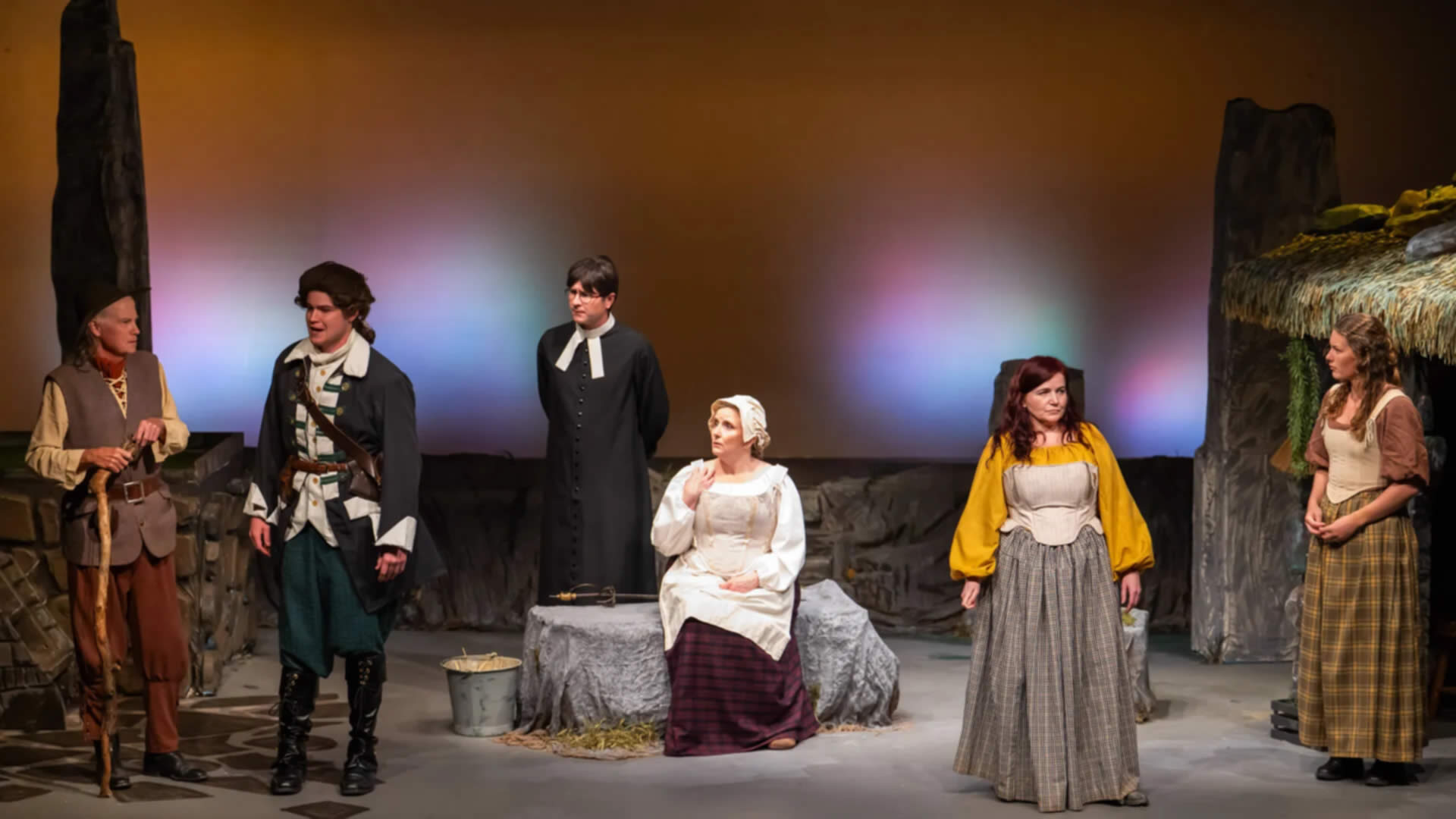
The Last Witch and the Weight of Superstition
At the centre of The Last Witch stands Janet Horne, a widow surviving on the fringes of society alongside her daughter Helen. Janet is portrayed as proud, sharp-minded and fiercely protective, yet the community around her views those same qualities with suspicion. Her understanding of herbs, weather and human weakness grants her influence, but also isolates her from those who fear what they cannot explain.
The play unfolds within a Scotland shaped by poverty and rigid social structures. Here, superstition becomes a kind of currency. A failed harvest, an illness, a storm arriving at the wrong time – each event seeks a cause, and eventually a scapegoat. Janet’s neighbours admire her as often as they distrust her, relying on her help while quietly questioning its source.
That ambiguity gives The Last Witch much of its emotional tension. The production does not rush toward simple answers. Janet may be manipulating belief to survive, or perhaps she genuinely senses forces others cannot understand. More likely, she exists somewhere in between – a woman adapting to a world where intelligence alone offers little protection.
Inside Pavilion Theatre, audiences will likely find that uncertainty lingering long after scenes conclude. Historical dramas often rely on grand declarations, yet The Last Witch appears more interested in quieter forms of dread: glances exchanged across rooms, rumours gaining momentum, the slow tightening of fear around a household already living precariously.
The Last Witch at Pavilion Theatre
Pavilion Theatre has long occupied a distinct place within Sydney’s community theatre landscape. Situated along Doran Drive in Castle Hill, the venue carries an intimacy that larger city theatres often lose. Audiences enter through familiar suburban surroundings before stepping into productions that transform the room entirely through atmosphere and performance.
That intimacy seems particularly suited to The Last Witch. Stories rooted in suspicion and confined communities depend on proximity. Every silence matters. Every shift in tone feels closer. In smaller theatres, audiences become almost complicit in the emotional climate unfolding onstage.
As winter edges closer through late May and June, the timing of the production feels fitting. Outside the theatre, Sydney’s evenings grow quieter and colder. Inside, The Last Witch will recreate another cold landscape altogether – one shaped by wet fields, stone cottages and communities held together as much by fear as by faith.
Director Jennifer Willison appears to approach the material with attention to psychological detail rather than spectacle. The play’s darker themes emerge not through overt horror, but through social pressure and collective anxiety. Even the mysterious figure of Nick, drawn toward Janet’s daughter Helen, seems designed less as a supernatural force than as an unsettling presence hovering at the edge of explanation.
That restraint may ultimately deepen the production’s impact. The most unsettling stories are often the ones that leave space for uncertainty, allowing audiences to question not only what happened, but why communities permit certain fears to flourish in the first place.
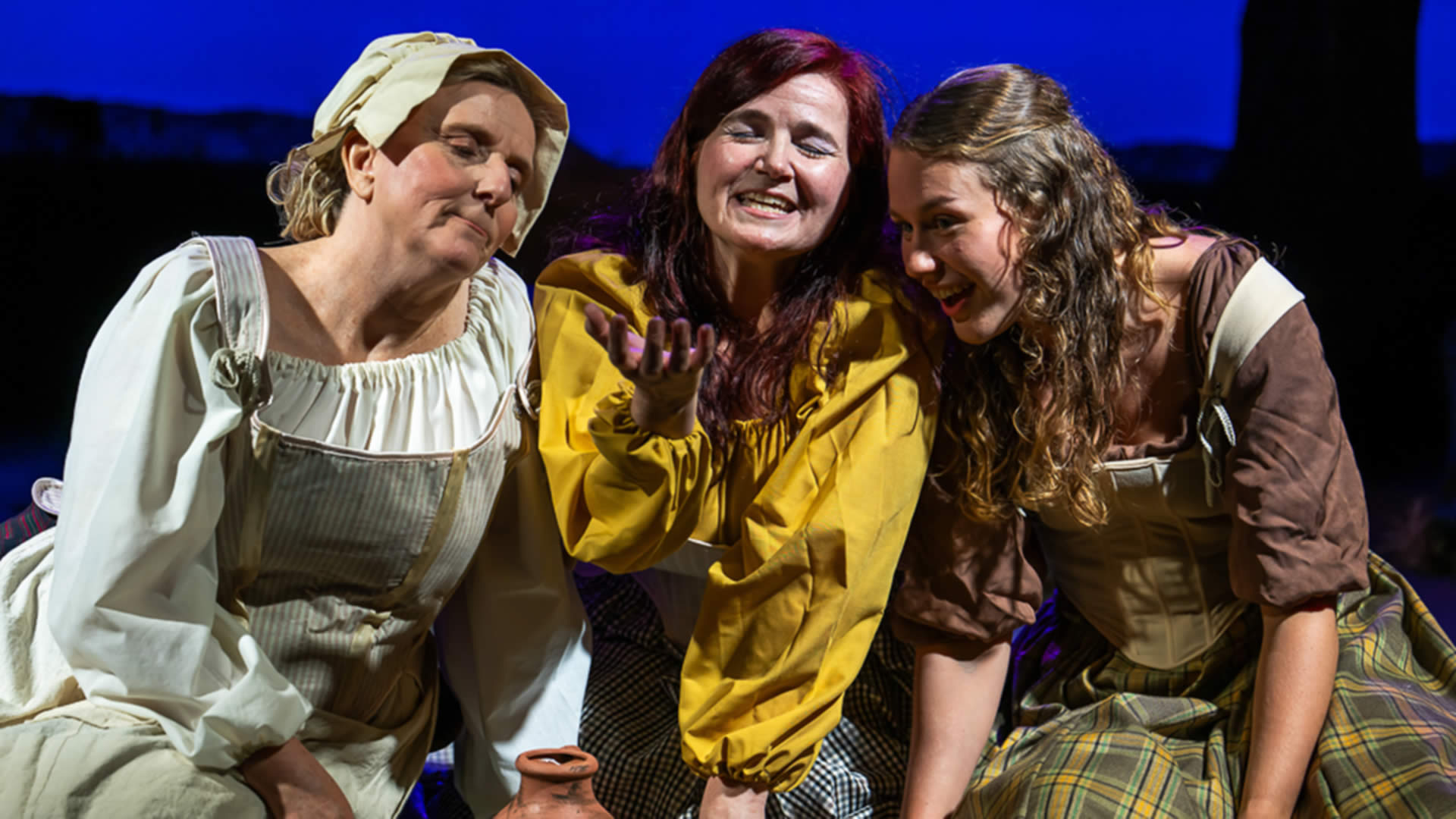
Fear, Isolation and the Modern Audience
Although The Last Witch is grounded in 18th century history, its themes remain difficult to separate from the present. The mechanisms driving suspicion – misinformation, social exclusion, moral panic – continue to echo across modern societies, even if the language surrounding them has changed.
What makes the story resonate is not simply the historical tragedy itself, but the familiarity of collective fear. Communities under pressure still search for certainty. Outsiders remain vulnerable. People who live differently or speak too directly can still attract unwanted scrutiny.
Yet The Last Witch does not appear interested in delivering blunt parallels. Instead, it allows atmosphere and character to carry those ideas quietly beneath the surface. Audiences may arrive expecting a historical drama and leave reflecting on the persistence of fear itself – how easily compassion disappears when uncertainty takes hold.
By the time theatre doors open again onto Castle Hill’s cool evening air, the transition back into suburban Sydney may feel slightly disorienting. Streetlights glow across car parks. Traffic moves steadily along nearby roads. Conversations resume softly as audiences drift homeward. Yet traces of The Last Witch will likely remain: the image of isolated cottages against dark weather, the tension of whispered accusations, the uncomfortable recognition that history’s fears rarely disappear completely.
Event Details
The Last Witch
Venue: Pavilion Theatre
Address: Doran Drive, Castle Hill NSW 2154
Dates: 22 May – 13 June 2026
Director: Jennifer Willison
Written By: Rona Munro
Parental guidance recommended.
Official Link: https://paviliontheatre.org.au/